The Water Crisis in Northern Uganda: Why Clean Water Changes Everything
In many parts of the world, turning on a faucet is so ordinary that it barely deserves a second thought. A glass fills. A child drinks. A mother does the dishes. A shower runs before work or school. Clean water is simply there.
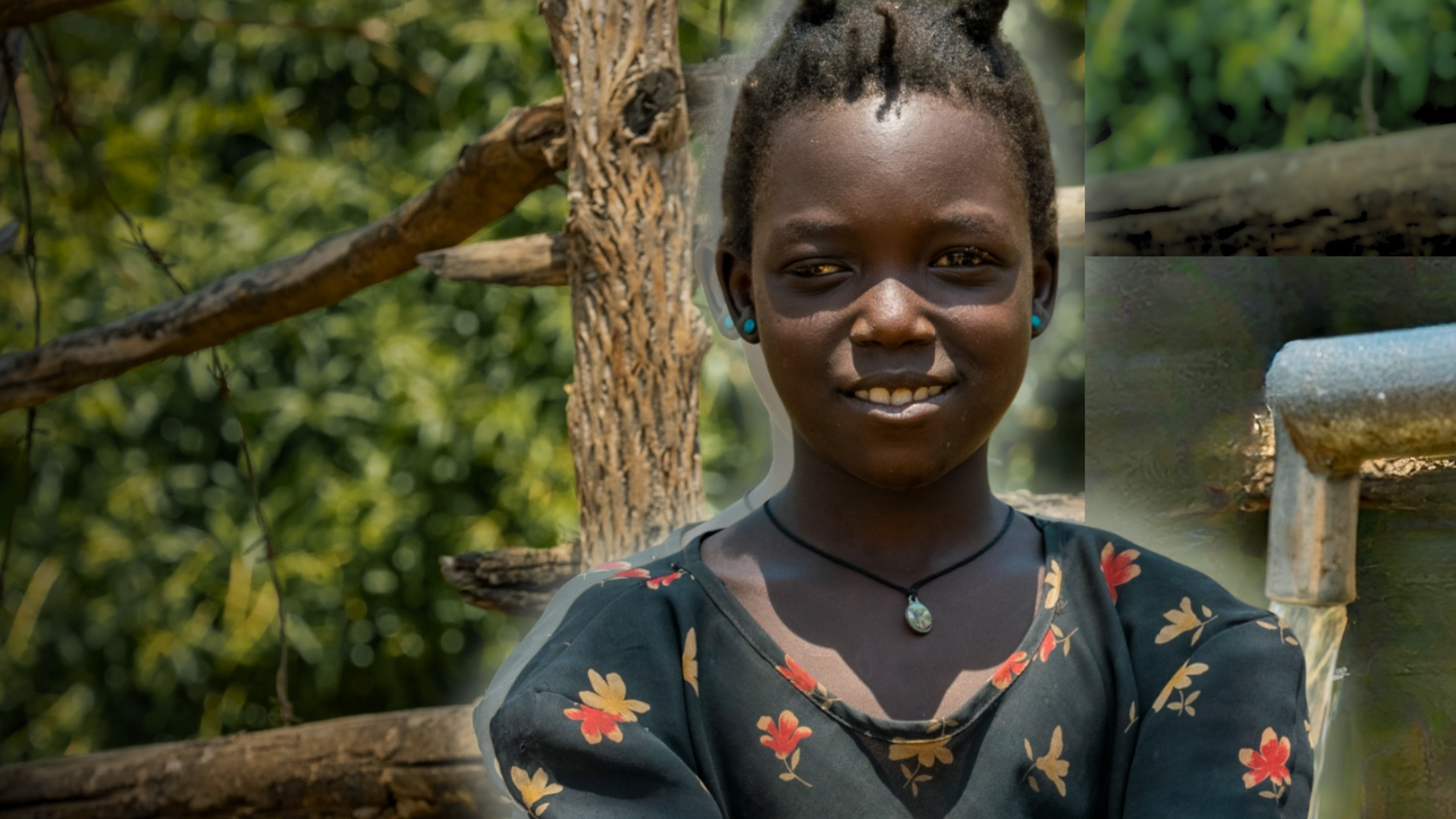
In Northern Uganda, that reality still feels distant for thousands of families. In many villages scattered across rural East Africa, water is not found in a kitchen sink or flowing from pipes beneath the ground. It is carried in yellow jerrycans across dusty roads and narrow footpaths. It is gathered from muddy ponds, shallow holes carved into the earth, or stagnant pools shared with livestock. Sometimes it is brown. Sometimes it smells foul. Sometimes it makes children sick. For families with no other option, it is all they have.
The water crisis in East Africa is not only about thirst. It affects health, education, safety, opportunity, and dignity. It shapes how children spend their mornings and how mothers spend their days. It determines whether girls attend school consistently or remain trapped in long daily walks carrying heavy containers of water under the scorching sun.
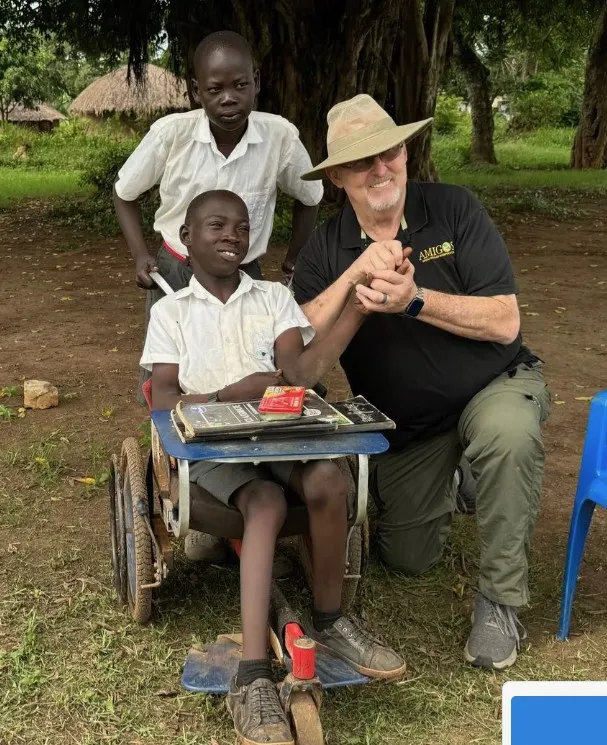
At Amigos Internacionales, this reality is not theoretical. Staff and partners have sat beside families in remote villages. They have watched children scoop water from contaminated pits after rainfall. They have seen entire communities transformed when clean water finally arrived. That transformation is why water remains one of the most urgent and powerful parts of the MissionPoint model across Northern Uganda.
It affects health, education, safety, opportunity, and dignity. It shapes how children spend their mornings and how mothers spend their days.
It determines whether girls attend school consistently or remain trapped in long daily walks carrying heavy containers of water under the scorching sun.
At Amigos Internacionales, we have witnessed this reality firsthand for decades. We have sat beside families in remote villages. We have watched children scoop water from contaminated pits after rainfall. We have seen entire communities transformed when clean water finally arrived.
That transformation is why water remains one of the most urgent and powerful parts of the MissionPoint model across Northern Uganda.
Water Should Never Be This Hard to Find
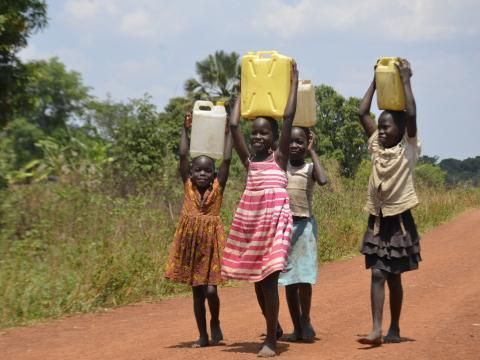
In many villages throughout Northern Uganda and refugee regions near South Sudan, families rise before sunrise to begin searching for water. Some children walk miles every day carrying containers larger than their own torsos. Mothers spend hours traveling to unsafe water sources instead of tending gardens, caring for children, or building small businesses. Young girls miss school because collecting water is considered part of their responsibility at home. The burden is enormous.
A standard 20‑liter jerrycan—the yellow container seen in so many photos—holds about 44 pounds of water when full. Even a slightly lighter load can mean carrying more than 40 pounds for miles at a time. In parts of Africa, women and children are often cited as walking about 6 kilometers, or roughly 3.7 miles, to collect water each day. That is the distance many families in rural East Africa still walk simply to survive.
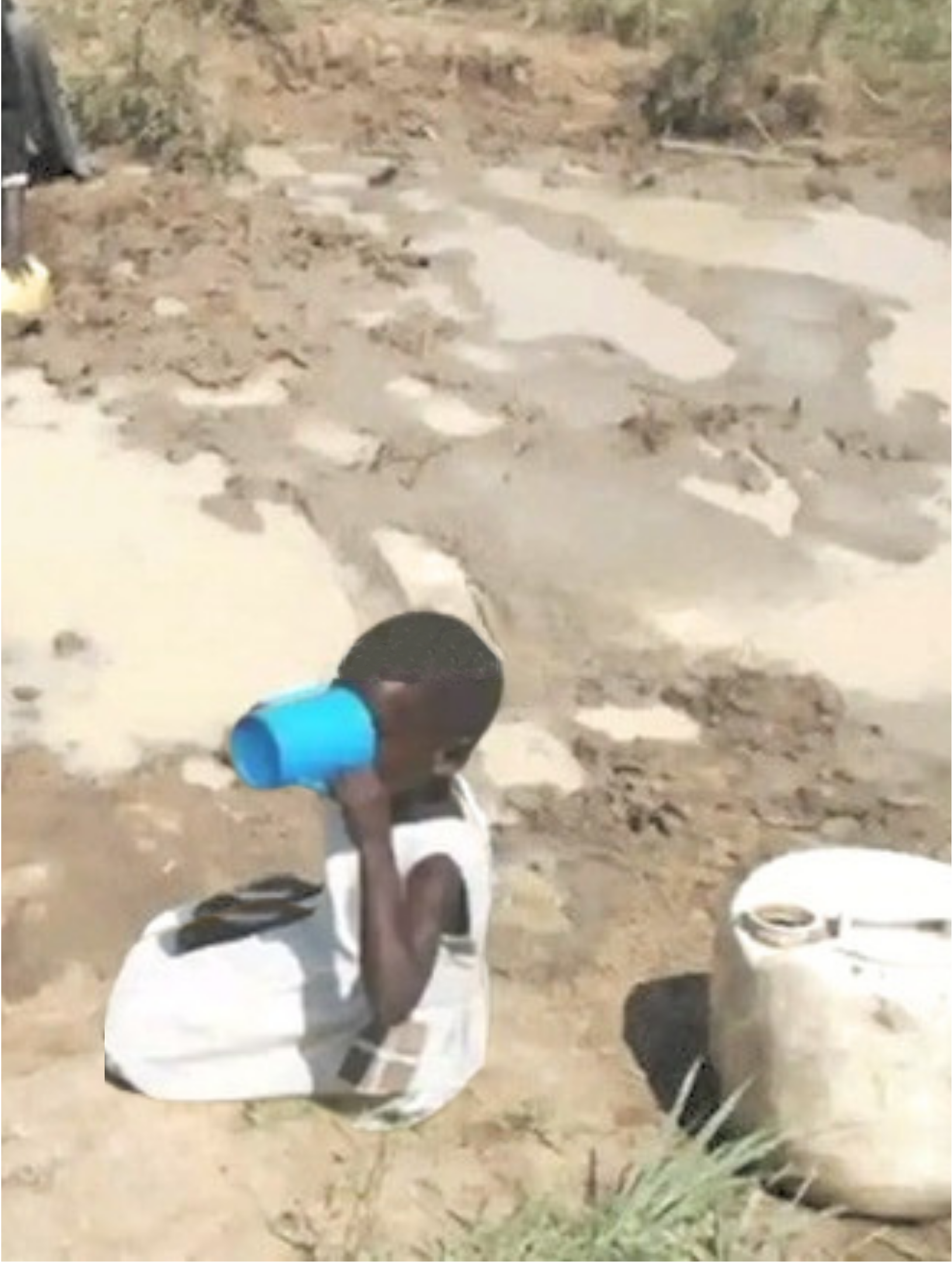
For some families, the only available water source may be a shallow puddle formed during the rainy season. During dry seasons, the situation becomes even more desperate. Entire communities sometimes rely on muddy holes dug into the ground where dirty water slowly seeps upward. There may be no other option.
The tragedy is not just the condition of the water itself. It is the time lost, the opportunities missed, and the childhoods interrupted. A child who spends hours hunting for water is a child already missing education. A mother carrying forty pounds of water for miles is a woman whose body bears a daily cost just to keep her family alive.
According to the World Health Organization, 395,000 children under age 5 die each year from diarrheal diseases linked to unsafe drinking water, sanitation, and poor hygiene. That is more than one thousand children every single day. Unsafe water does not only cause thirst. It causes sickness, lost income, and grief that no parent should ever have to experience.
A village without clean water is a village trapped in a cycle that becomes harder to escape with every passing year. That is why a water crisis can never be treated as a small issue. It is one of the foundations that determines whether a community moves forward or remains stuck.
The Difference Between Dirty Water and Clean Water
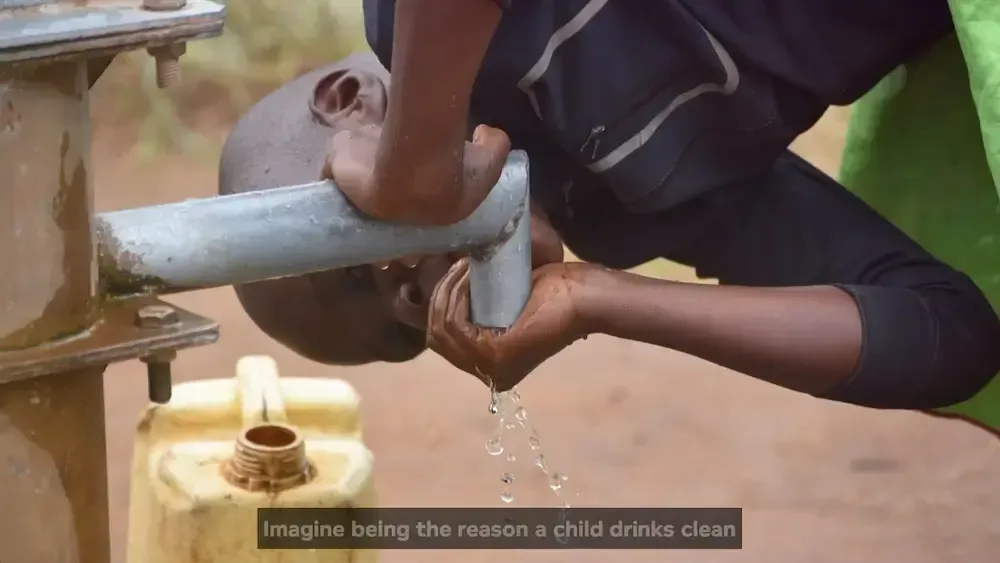
The difference between contaminated water and safe water is often the difference between sickness and health. When Amigos Internacionales helps drill a deep water well in a rural village, something remarkable begins almost immediately. Children begin drinking cleaner water. Waterborne illnesses start to decline. Families stop relying on stagnant pools and dangerous runoff areas. Communities gather around a reliable water source that restores both hope and stability.
But something even deeper happens, too. The atmosphere changes. People begin to believe that the future can improve. A clean well becomes more than a mechanical structure in the ground.
- It becomes the center of community life.
- Women no longer spend entire days walking for water.
- Children attend school earlier and more consistently.
- Church gatherings become stronger and more regular.
- Medical outreach becomes more effective. Gardens begin to grow.
Across East Africa, United Nations agencies and health organizations continue to document how reliable, safe water dramatically improves health outcomes and educational opportunities for children worldwide. The impact stretches far beyond hydration alone. It touches nearly every part of community life. That truth is visible throughout villages where MissionPoint initiatives have taken root.
Water changes everything because water touches everything.
According to UNICEF Water, Sanitation and Hygiene Programs, access to safe water dramatically improves health outcomes and educational opportunities for children worldwide. The impact goes far beyond hydration alone.
That truth is visible throughout villages where MissionPoint initiatives have taken root.
What We Have Seen in Northern Uganda
Water changes everything because water touches everything.
According to UNICEF Water, Sanitation and Hygiene Programs, access to safe water dramatically improves health outcomes and educational opportunities for children worldwide. The impact goes far beyond hydration alone.
That truth is visible throughout villages where MissionPoint initiatives have taken root.
The Hidden Cost of Unsafe Water
When people think about unsafe water, they often think only about thirst.
But the true cost runs much deeper.
Unsafe water contributes to disease outbreaks that overwhelm already fragile medical systems. Children suffering from repeated illness often struggle physically and academically. Parents lose valuable work time caring for sick family members. Entire villages become trapped in patterns of survival rather than growth.
There is also the emotional cost.
Parents know the water may make their children sick. They give it anyway.
Children walk miles every day carrying containers just to gather enough water for cooking and bathing.
For families with no alternative, the struggle becomes normal life..
These are not isolated situations.
According to WaterAid Global Water Crisis Research, millions of people around the world still lack access to basic clean water services, particularly in rural areas across sub-Saharan Africa.
In many places, water determines whether a village has the opportunity to move forward.
Without clean water:
- children miss school
- infections spread quickly
- hygiene becomes difficult
- food preparation becomes unsafe
- medical treatment becomes harder
- hope begins to disappear
That is why clean water projects should never be viewed as “small” humanitarian efforts.
They are foundational.
Why Stories Matter More ThaWater changes everything because water touches everything.
According to UNICEF Water, Sanitation and Hygiene Programs, access to safe water dramatically improves health outcomes and educational opportunities for children worldwide. The impact goes far beyond hydration alone.
That truth is visible throughout villages where MissionPoint initiatives have taken root.
The MissionPoint Difference
One of the biggest lessons learned through decades of humanitarian work is simple: problems in rural villages are rarely isolated. A village lacking clean water often also struggles with limited education, medical access, food security, spiritual support, and economic opportunity.
That is why the MissionPoint model was created. Instead of approaching problems individually, MissionPoint addresses entire communities holistically. A water well may become the beginning, but the story does not end with water alone. Schools, churches, farming projects, medical outreach, and life‑skills training grow around that foundation. This long‑term approach creates continuity and trust. Communities know they are not forgotten after a single project is completed.
Ogul Village is one of the clearest examples. Press coverage in the Baptist Standard and the Tyler Morning Telegraph has highlighted how donated land became a MissionPoint site with a water well, school, church, and demonstration farm in one location. That external verification matters. It shows donors that the model is not theory. It is visible on the ground.
Why Donors Matter So Much
One of the biggest lessons learned through decades of humanitarian work is simple: problems in rural villages are rarely isolated. A village lacking clean water often also struggles with limited education, medical access, food security, spiritual support, and economic opportunity.
That is why the MissionPoint model was created. Instead of approaching problems individually, MissionPoint addresses entire communities holistically. A water well may become the beginning, but the story does not end with water alone. Schools, churches, farming projects, medical outreach, and life‑skills training grow around that foundation. This long‑term approach creates continuity and trust. Communities know they are not forgotten after a single project is completed.
Ogul Village is one of the clearest examples. Press coverage in the Baptist Standard and the Tyler Morning Telegraph has highlighted how donated land became a MissionPoint site with a water well, school, church, and demonstration farm in one location. That external verification matters. It shows donors that the model is not theory. It is visible on the ground.
clean Water Changes More Than Villages
At its core, the water crisis is not only about infrastructure. It is about human value. Every child deserves the opportunity to grow up without drinking contaminated water. Every mother deserves relief from endless daily walks carrying heavy containers just to survive. Every village deserves the dignity of basic human necessities.
Clean water does not solve every problem overnight. But it creates the conditions where change becomes possible. Health improves. Education becomes accessible. Communities stabilize. Hope returns.
That is why Amigos Internacionales continues investing in water projects across East Africa. Not because wells are trendy. Not because photographs look compelling. But because clean water changes the trajectory of entire communities. After witnessing it firsthand for decades, the transformation is undeniable.
Help Bring Clean Water to Forgotten Villages
Across Northern Uganda, families are still waiting for safe water. Some villages continue relying on contaminated ponds and unsafe runoff areas every single day. Children still carry jerrycans weighing more than forty pounds across long distances under the African sun. But change is possible.
Categories
Social Media
Free Medical Camps in Burundi: What Happens When a Doctor Walks Into Gisuru | Amigos Internacionales