The Plight of an African Child to surgery
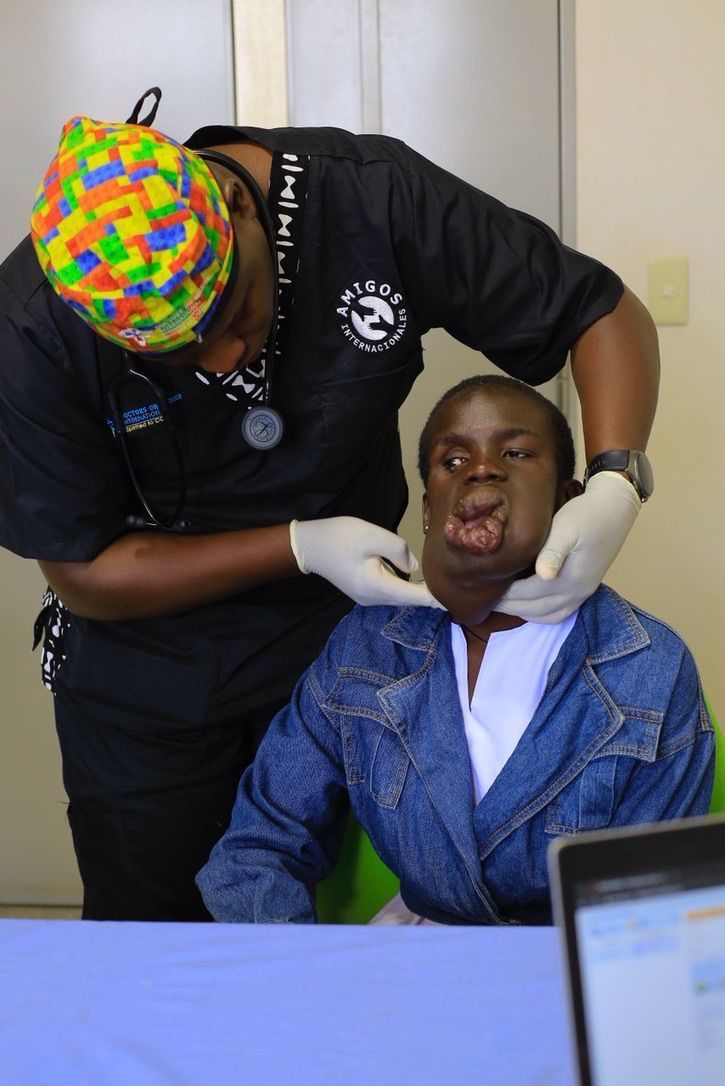
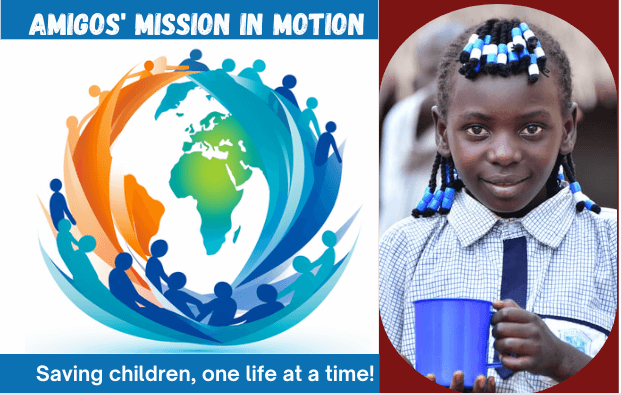
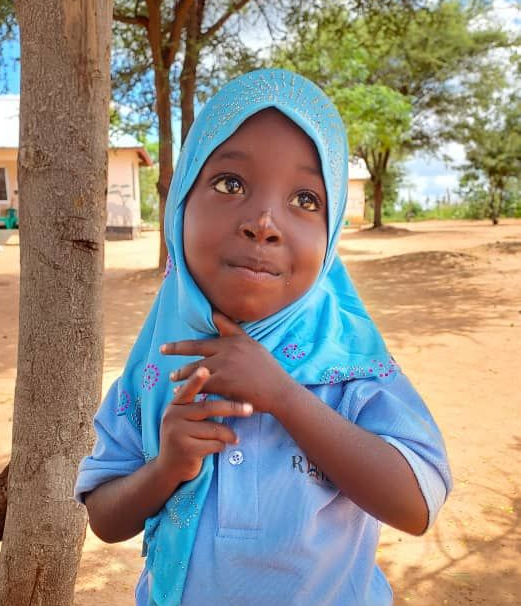
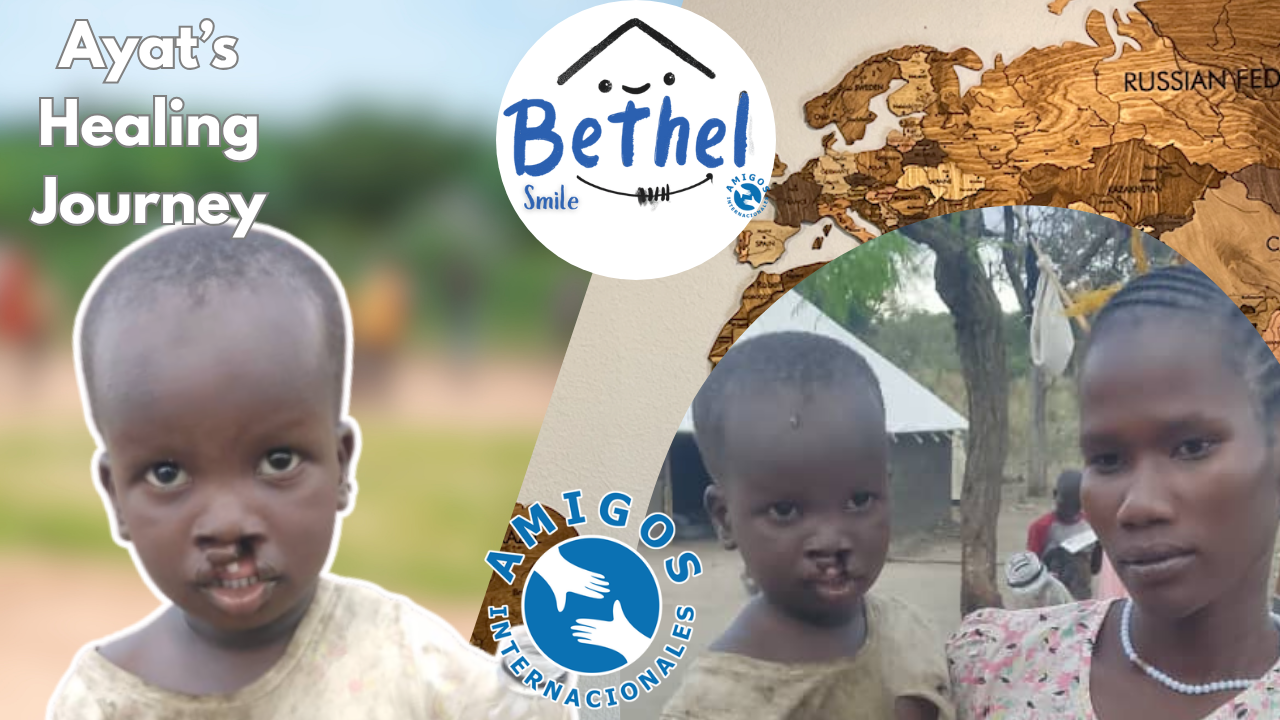
In the far bushes of rural Uganda, lies a young 13-year-old child with a congenital malformation on her face with no hope of ever being like other children. With a facial hemangioma which never stops growing, causing her to be deformed, and unable to be like other children. Waking up each day to being isolated from the rest, her family keeping her away from the community in fear of stigma. Yet, as others go to school, her desire of being a doctor never fades away.
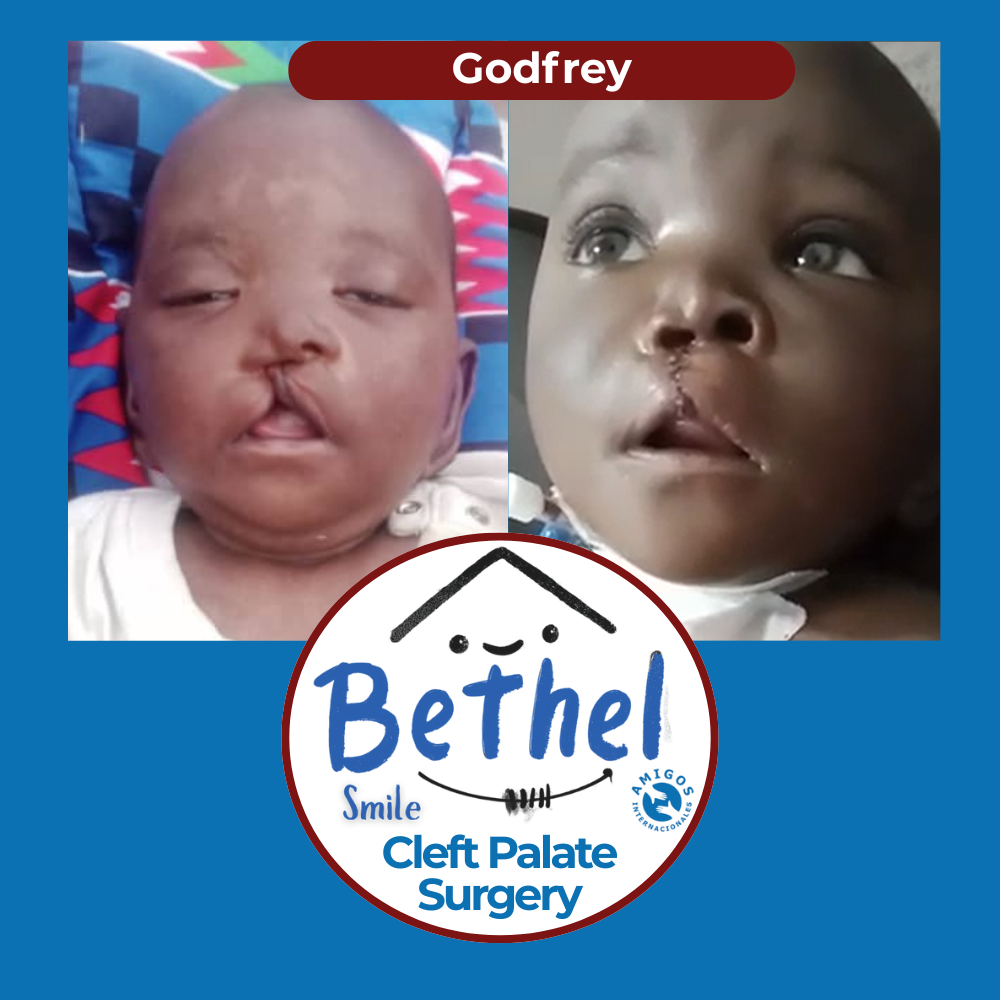
Thousands of Children globally, such as this little 13-year-old girl, need life-changing surgical procedures to give them a new lease at life. Jesus Christ in Mathew 19:14 (NIV): “Let the little Children come to me, and do not hinder them, for the kingdom of heaven belongs to such as these.” It is entirely our role to have these children as close to the Kingdom as ever. In my experience as a surgeon, I have seen families that have moved hundreds of kilometers looking for healthcare for their children, mothers who have been chased away from marriages by their in-laws due to being curses to the families. Children who have been victimized for just how they were born.

The Hidden Burden of Surgical Disease in Children
From a surgical perspective, Annually, 10.7 million children worldwide die before the age of five, 4 million of them die in the first month of life. 98% of these deaths are in low- and middle-income countries. Although advances in child health policies have led to a large decline in under-five mortality, the reduction in pediatric mortality has lagged behind.
Sub-Saharan Africa had the largest increase in this proportion, from 26% to 34% an increase of almost 31%, between 1990 and 2010. Although most of the pediatric mortality in these countries is attributed to perinatal infections, birth asphyxia and poor nutrition, pediatric surgical diseases such as congenital anomalies also contribute to this burden. Although deaths due to infectious causes have declined, the proportion of pediatric deaths attributable to congenital anomalies many of which are surgically correctable has increased. More than 90% of congenital anomalies occur in LMICs, further concentrating the burden of pediatric surgical disease in these settings.
For further reading on the global impact of congenital anomalies and surgical care in LMICs, see resources such as PubMed’s overview on congenital anomalies in low- and middle-income countries and global pediatric surgery reviews.
Barriers Facing African Families Seeking Surgery

Regardless of all the current challenges for African families, they still wake up each day to look for any place to get healthcare for their children. Many walk long distances, sell what little they own, or depend on extended family and community support just to reach a hospital.
Families in rural regions often face multiple barriers at once: lack of specialized pediatric surgeons, long travel distances to referral centers, high out-of-pocket costs, and limited post-operative follow-up services. In Uganda and across East Africa, most specialists are concentrated in urban centers, while the majority of the population lives in rural areas. This means that children like the girl in rural Uganda frequently wait years—or never receive—the surgery they desperately need. www.amigosii.org
How Amigos Internacionales Is Bridging the Gap
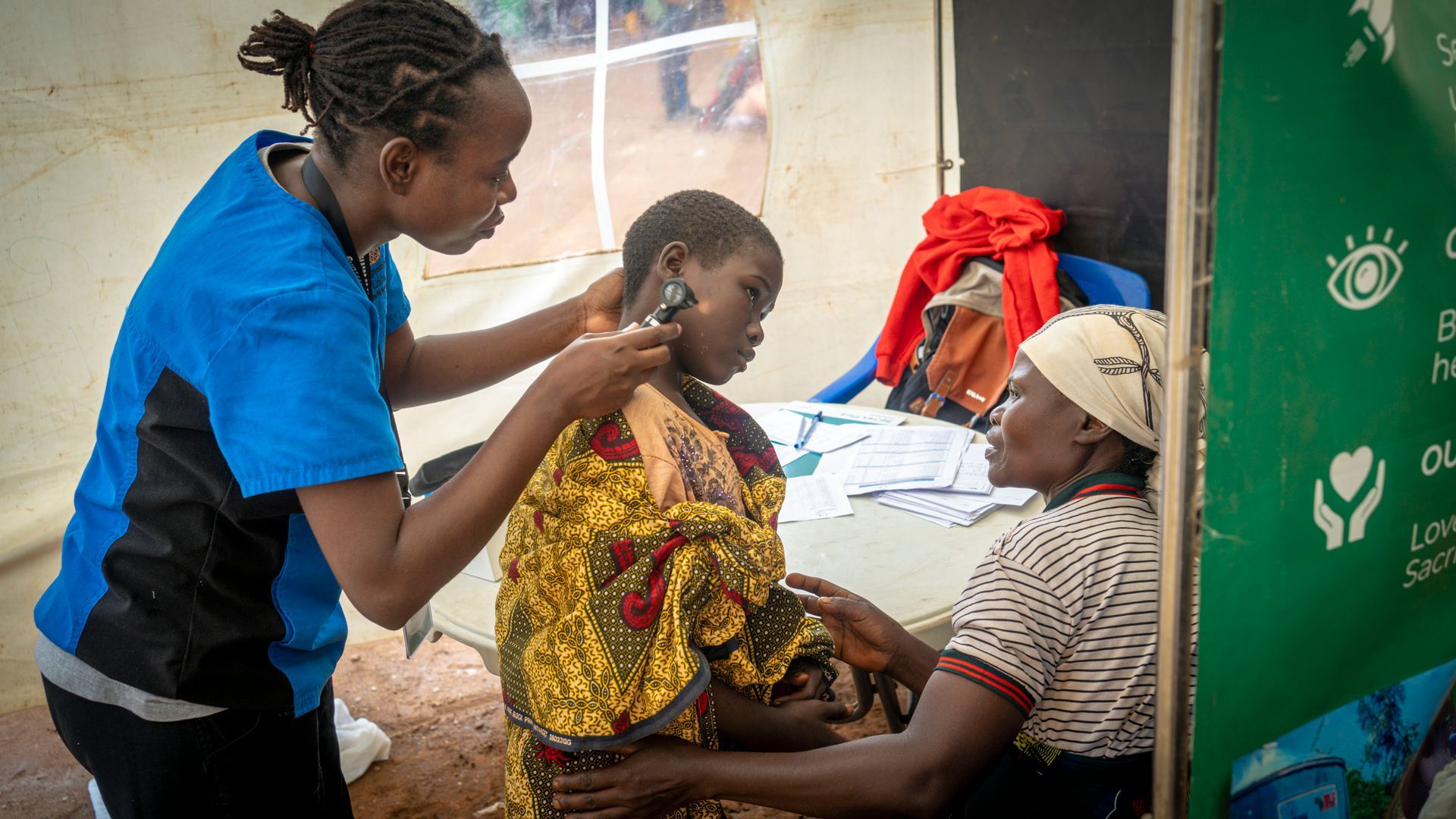
Amigos Internacionales, through its medical team, while working with partners like Doctors on Mission International, has helped to bridge that gap in rural Uganda, Africa. The organization has brought these services to the most vulnerable through mobile surgical consultations, mobile theatre spaces, and medical and surgical camps to address these barriers. You can read more of our work through our website: www.amigosii.org.
To see a recent initiative focused specifically on children needing surgery, you can explore the Arua Pediatric Surgical Camp, where Amigos Internacionales and partners host a free pediatric surgical camp at Arua Regional Referral Hospital in West Nile, Uganda, bringing specialized pediatric surgery directly to children who would otherwise never receive it. Learn more here: Because No Child Should Wait for Surgery: Help Us Reach Arua, Uganda
Amigos Internacionales also organizes broader medical and eye camps that provide consultations, essential medicines, cataract surgeries, vision screenings, and other critical services for communities that lack access to care. Read about this work at: Medical & Eye Camps
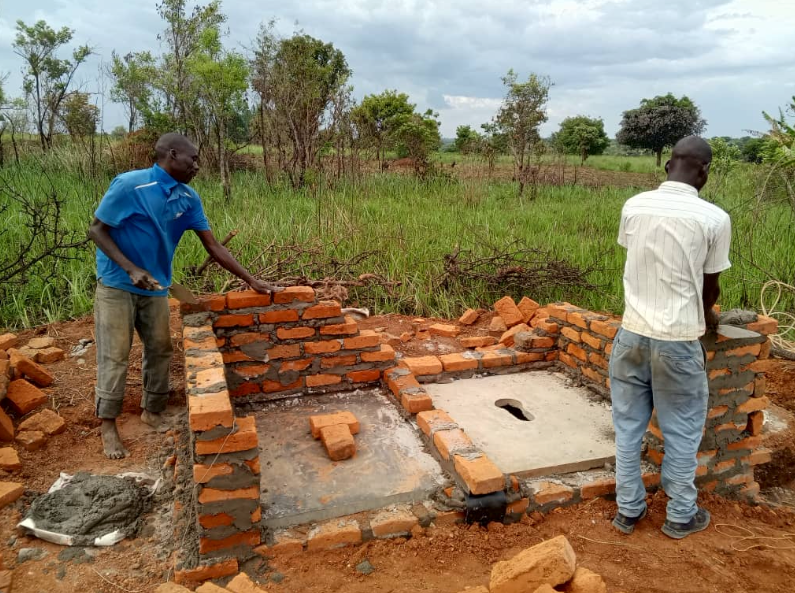
.Beyond surgery and medical camps, Amigos Internacionales supports community initiatives such as local churches in Northern Uganda that care for refugees and vulnerable children, as well as projects to improve access to clean water through deep wells and safe water systems. To see how these efforts are transforming daily life for children and families, visit:
- Bridging the Healthcare Gap: Transformative Medical Camp in Northern Uganda
- Community Support Initiatives in Uganda
- Transforming Water Access in Uganda
A Call to Action for Children Who Cannot Wait
Children with surgically correctable conditions should not have to wait years—or a lifetime—for care that can restore function, dignity, and hope. Partnering with organizations that focus on pediatric surgical care in underserved regions helps ensure that stories like that of the 13-year-old girl in rural Uganda end not in silence and stigma, but in healing and restored opportunity.
You can learn more, pray, give, or consider how to be involved through Amigos Internacionales’ website and ongoing campaigns to bring surgery, clean water, and holistic support to children and families across Uganda and beyond.
Dr Mulyamboga Paul,
Director Medical services,
Amigos Internacionales.
Categories
Free Medical Camps in Burundi: What Happens When a Doctor Walks Into Gisuru | Amigos Internacionales
Social Media
Free Medical Camps in Burundi: What Happens When a Doctor Walks Into Gisuru | Amigos Internacionales