Godfrey's Story: Cleft Lip Surgery Gives Baby a Smile
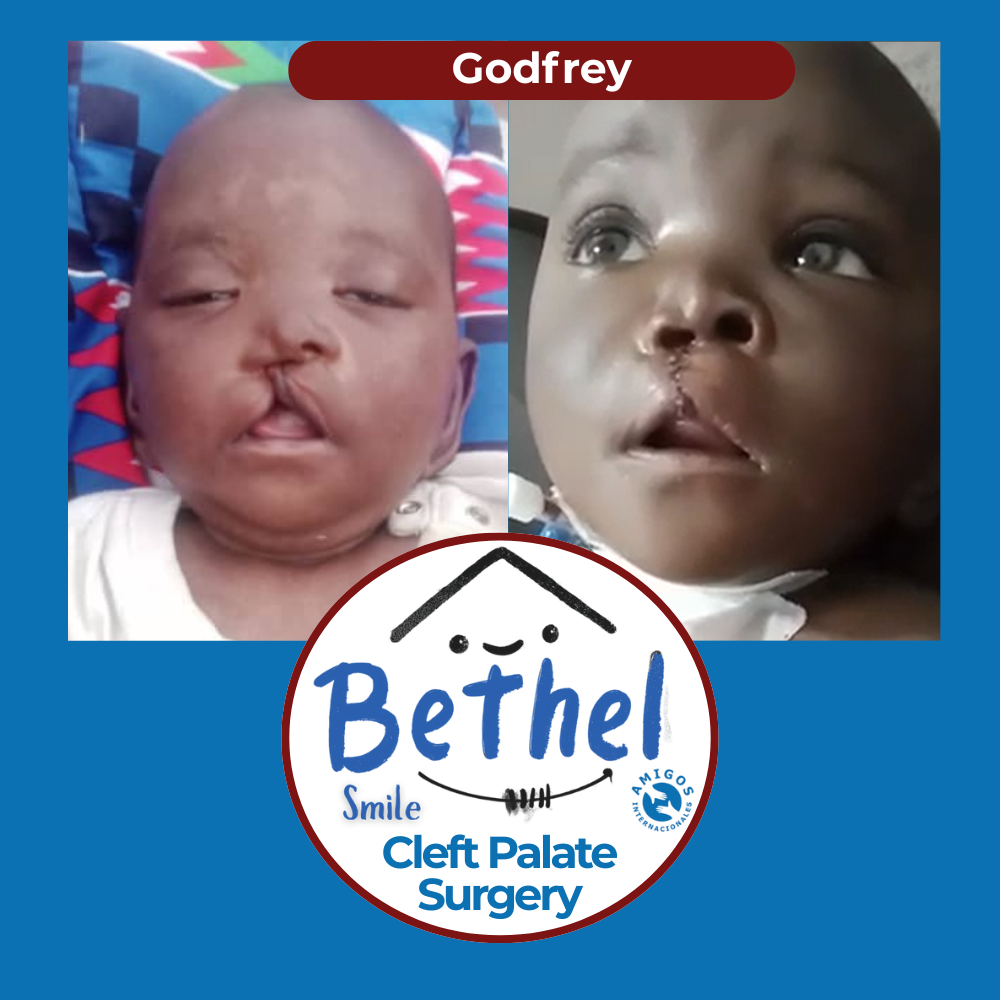
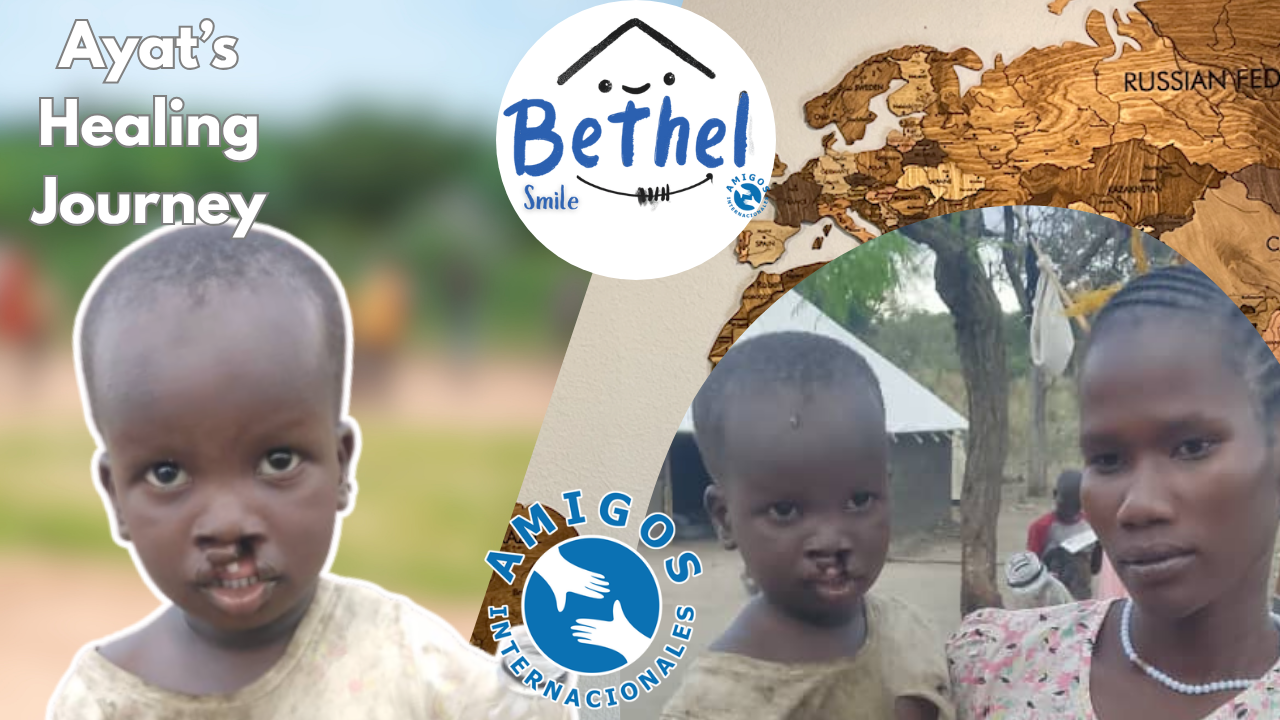
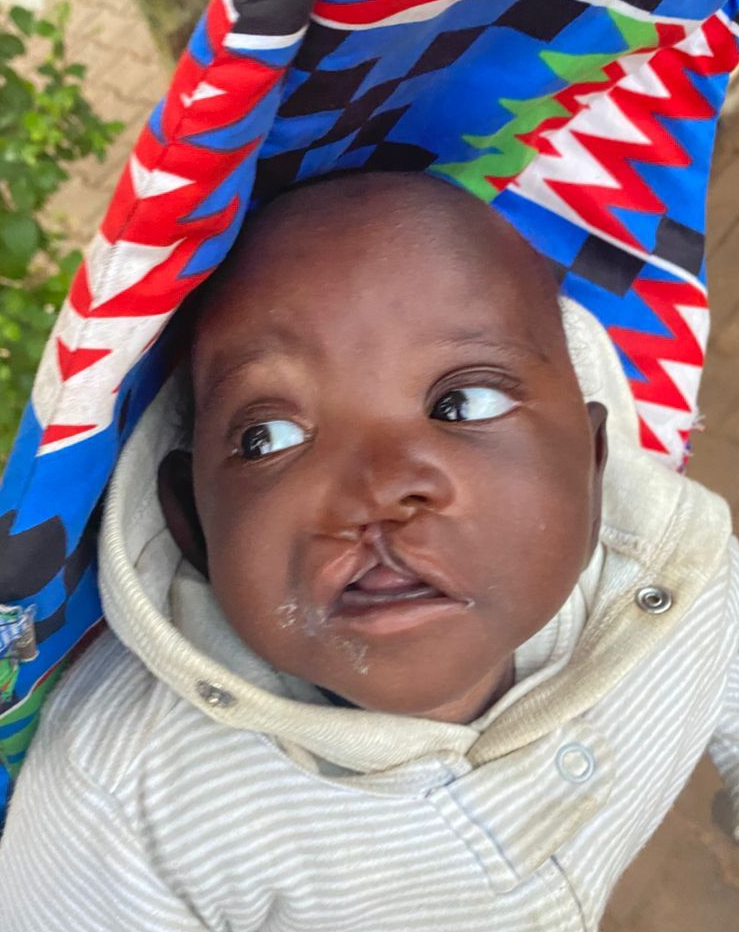
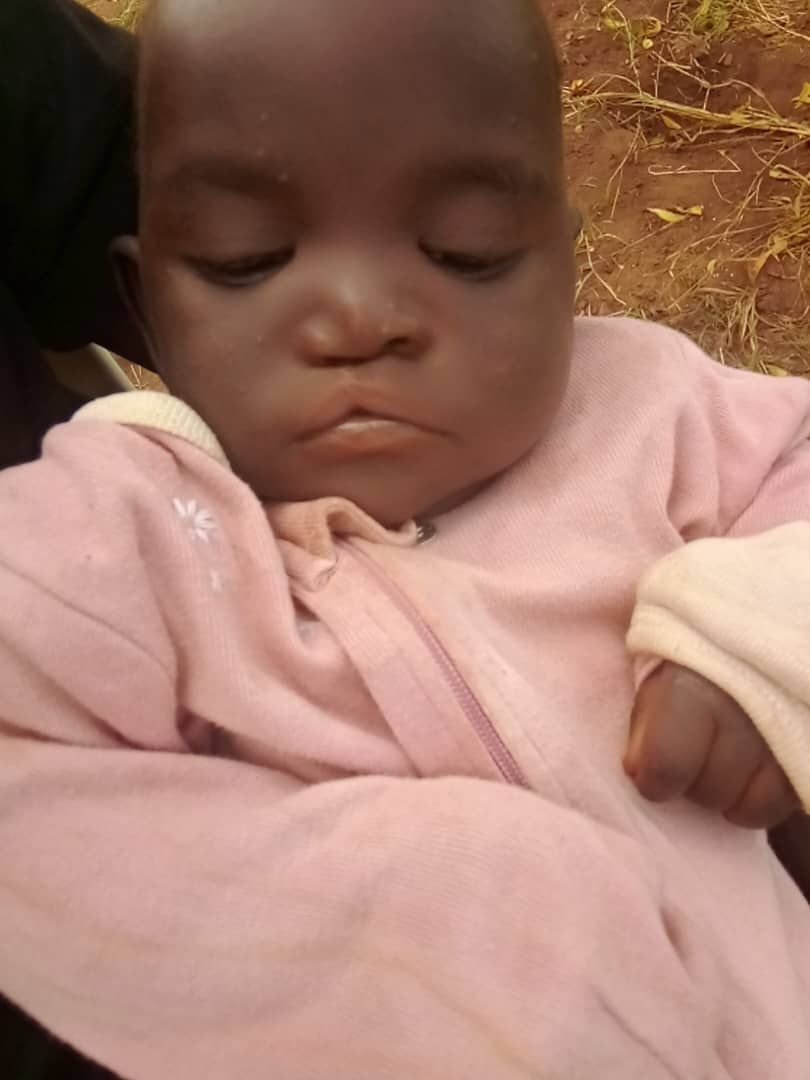
When Rwottwero Godfrey was born, his parents held him close and counted his fingers. He was alive. He was theirs. But something was wrong. A cleft split his upper lip — a gap that, in a rural corner of northern Uganda with no hospital nearby and no money set aside, felt less like a medical condition and more like an impossible wall.
Godfrey was four months old. His parents were peasant farmers with four other children to feed. And every attempt to nurse him was a struggle he could barely survive.
What a Cleft Lip Means for a Baby in Rural Uganda
In a city with a well-staffed children's hospital, a cleft lip is a correctable birth defect — serious but manageable. In rural Uganda, it is something else entirely.
A baby born with a cleft lip cannot create the suction needed to breastfeed or bottle-feed normally. Milk escapes through the gap. Feedings take three or four times longer. Babies tire before they've taken in enough calories. Without intervention, many don't gain weight. Many don't make it through infancy.
According to the National Library of Medicine, more than 303,000 babies die each year worldwide from complications linked to cleft lips and palates — and the vast majority of those deaths happen in places exactly like where Godfrey was born: rural communities where surgery isn't an option, not because it doesn't exist, but because no one can reach it.
For Godfrey's family, the nearest major hospital was hours away. The cost of cleft lip surgery in Uganda — when pursued individually — runs in the thousands of dollars. Godfrey's parents, working their small plot of land to support five children, had no path to that number. Without help, Godfrey's cleft lip wasn't just a cosmetic concern. It was a threat to his life.
Meet Godfrey: A Baby Boy Born With a Cleft Lip in Northern Uganda
"This baby born with a cleft lip in a rural African village."
That line, from the video documenting Godfrey's journey, says everything. It doesn't dramatize. It doesn't qualify. It names what is true: a baby, a village, a condition that the world too often treats as someone else's problem.
Godfrey was four months old when he came to IMC Hospital in Gulu, northern Uganda, for his cleft lip surgery. His parents made the trip with hope they hadn't let themselves feel for months — hope that someone had heard about their son, that help had actually come.
Gulu is a city in the north, a place that has seen decades of hardship and has also seen remarkable resilience. IMC Hospital there is where the Bethel Smile program (amigosii.org/bethel-smile) brought Godfrey's surgery — so his family didn't have to travel hundreds of miles south, so his mother didn't have to choose between keeping her other four children fed and getting her youngest the care he needed.
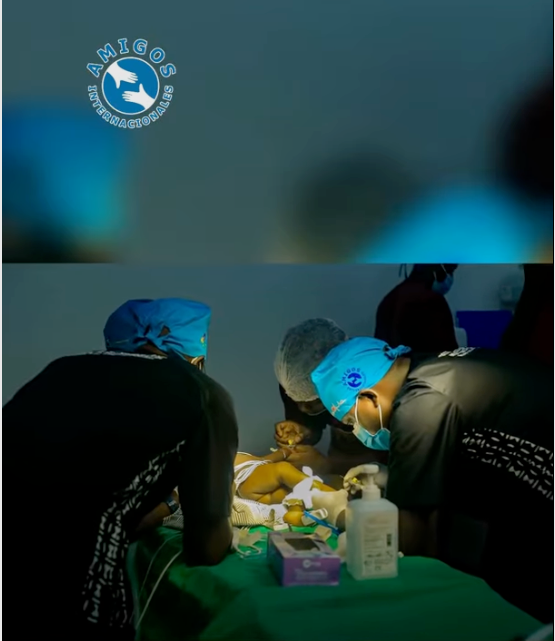
The procedure was performed under the care of Dr. Paul Mulyamboga, Medical Director for Amigos Internacionales and founder of Doctors on Mission International. Dr. Mulyamboga leads a team whose whole purpose is to go where others don't. As he has said: "A ministry of healing does not happen from a distance. To bring health, the physician must be physically present. We go where people have been forgotten."
Godfrey had not been forgotten. Not anymore.
How the Bethel Smile Program Made Godfrey's Surgery Possible
The Bethel Smile programis a partnership between Amigos Internacionales and Doctors on Mission International. Its purpose is direct: to bring free cleft lip and palate surgery to children in Uganda who have no other way to receive it.
Bethel — the name means "House of God" — is built on the belief that healing is inseparable from faith. Every surgery the program funds is also an act of proclamation: that these children are seen, that their lives matter, that someone traveled a long way and trained long hours because of something they believe about the value of a human life.
"Every hand in this room is guided by purpose."
Godfrey's cleft lip surgery was an individual procedure, arranged specifically for him. That model — one child, one surgery, one team mobilized — is more costly than a large surgical camp. But it is sometimes the only option when a child's need is urgent and the next camp is months away. The Bethel Smile program exists to make sure cost is never the reason a child like Godfrey goes without care.
You can read about another family who received this same gift in the story of Ojok, a baby boy born with a bilateral cleft lip whose mother did everything she could — and then found that Bethel Smile could do the rest.
"This is not just a medical change. It's a second chance at life."
Why Surgical Camps Are Changing the Math on Cleft Lip Surgery in Africa
One of the most powerful tools in the fight against cleft lip and palate in Uganda isn't a new surgical technique. It's logistics.
When Amigos Internacionales organizes a surgical camp — like the Napak Children's Surgical Camp — the math changes dramatically. A single camp, staffed by volunteer physicians and surgeons, can deliver 50 or more cleft palate surgeries in a concentrated window of days. The cost per surgery drops significantly when operating expenses, housing, and supplies are shared across dozens of procedures rather than one.
This is why Amigos' medical missions model (amigosii.org/medical) is so effective: every $1 donated delivers $55.25 in real medical care, powered by volunteer doctors, donated supplies, and local partnerships. At scale, across the 66,295 patients served and more than $10.2 million in care delivered, that leverage is what makes the difference between a program that helps a few children and one that changes entire communities.
Godfrey's individual surgery cost more per procedure than a camp model would. But it represents what the program stands for at its core: no child waits if waiting puts them in danger. The camp model funds the future. The individual surgeries answer the immediate call.
Both matter. Both are part of what Amigos Internacionales does across Uganda, Burundi, and Nigeria (amigosii.org/medical) — and what it is building toward as it expands into Malawi and the Democratic Republic of Congo.
"This is not just a medical change. It's a second chance at life."
How to Help a Child Like Godfrey Get the Surgery They Need
Godfrey got his smile back. His mother watched her son eat without struggling for the first time. His family returned home to their farm in northern Uganda with something they hadn't had before: relief.
There are other children waiting. Other families who have already spent months doing the math and coming up short, who have already watched their baby tire out at every feeding, who are already praying that someone somewhere will find a way.
You can be part of the answer.
The Bethel Smile program (amigosii.org/bethel-smile) funds free cleft lip and palate surgery for children across Uganda. Every gift multiplies. Every dollar becomes $55 in care. Every surgery is a child who grows up able to eat, to speak, to smile — and a family that never forgets who showed up when they had nothing left.
See the full scope of what your giving makes possible at the Amigos Internacionales Impact page (amigosii.org/Impact).
Donate today at amigosii.org/donate — and help us give the next Godfrey his smile back.
──────────────────────────────────────────────────────────
Categories
Free Medical Camps in Burundi: What Happens When a Doctor Walks Into Gisuru | Amigos Internacionales
Social Media
Free Medical Camps in Burundi: What Happens When a Doctor Walks Into Gisuru | Amigos Internacionales