The True Cost of Bringing Clean Water to Rural Africa: A Breakdown
Understanding the Real Cost of Clean Water Projects
When people think about clean water, they often think about a simple well. However, the reality is far more complex.
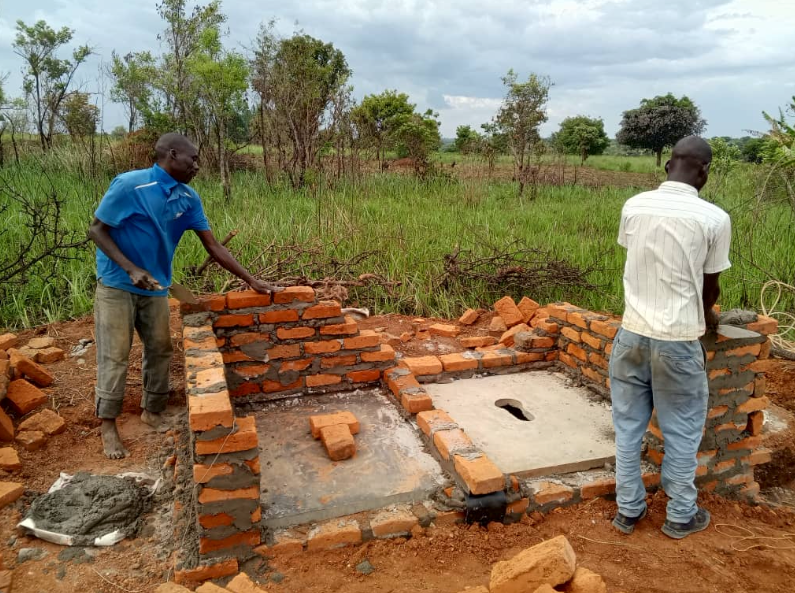
Bringing clean water to a rural village involves planning, logistics, and long-term sustainability. It is not just drilling a hole in the ground. Instead, it is building a system that will serve a community for years.
On average, drilling a water well in Africa costs between $7,500 and $15,000.
However, that number only tells part of the story.
What Goes Into the Cost of a Water Well
Several critical components drive the cost of clean water projects.
First, there is site research. Teams must locate a reliable underground water source. This requires geological surveys and testing.
Next comes drilling. The depth of the water table significantly affects cost. In some areas, drilling must reach over 100 meters deep.
Then, equipment must be installed. Pumps, pipes, and protective casings ensure the water remains safe.
Transportation also plays a major role. Remote villages often require moving heavy equipment over difficult terrain. As a result, logistics alone can significantly increase expenses.
Finally, training and maintenance are essential. Communities must learn how to care for the well. Without this step, the project will not last.
Why Clean Water Requires Long-Term Investment
Clean water is not a one-time expense. It is an ongoing commitment.
Globally, experts estimate that billions of dollars are needed each year to provide universal access to safe water.
This highlights the scale of the challenge.
Additionally, infrastructure must be maintained. Pumps wear out. Parts need replacement. Without consistent care, wells can fail within a few years.
Therefore, sustainable models matter more than quick solutions.
The Hidden Cost of Not Having Clean Water
While building wells requires investment, the cost of doing nothing is far greater.
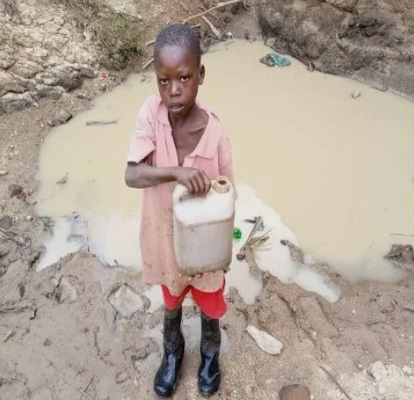
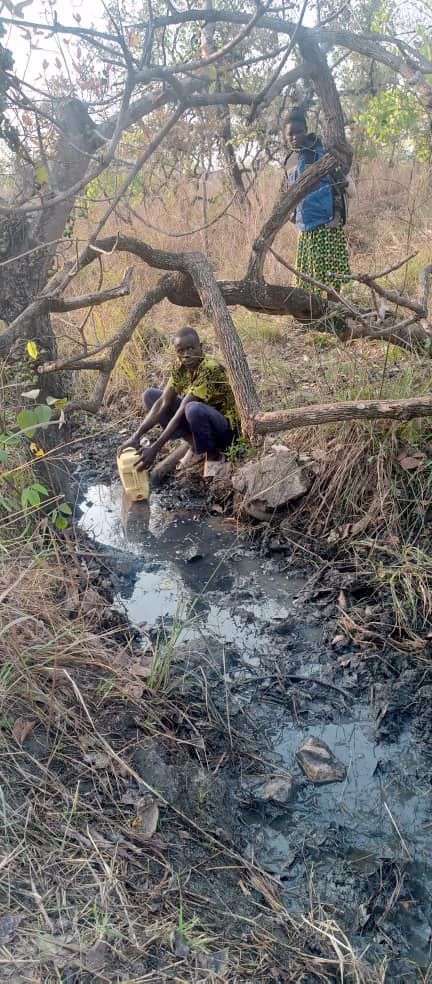
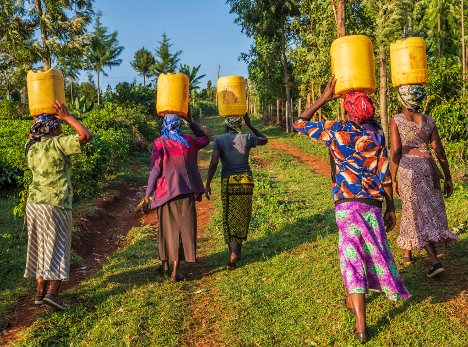
In many communities, families spend hours each day collecting water. In fact, women and children often carry this burden.
Globally, billions of hours are lost each year simply walking for water.
This lost time affects education, income, and health.
Moreover, unsafe water leads to disease. According to UNICEF, millions still lack access to safe drinking water, especially in regions like East Africa.
As a result, communities remain trapped in cycles of poverty.
The Economic Return of Clean Water
Clean water is not just an expense. It is one of the highest-return investments available.
Studies show that water and sanitation projects generate strong economic benefits over time. In fact, every dollar invested can return multiple dollars in value.
These returns come through improved health, increased productivity, and reduced medical costs.
In addition, children attend school more consistently. Adults can work more effectively. Entire communities begin to grow.
Why One Well Changes Everything
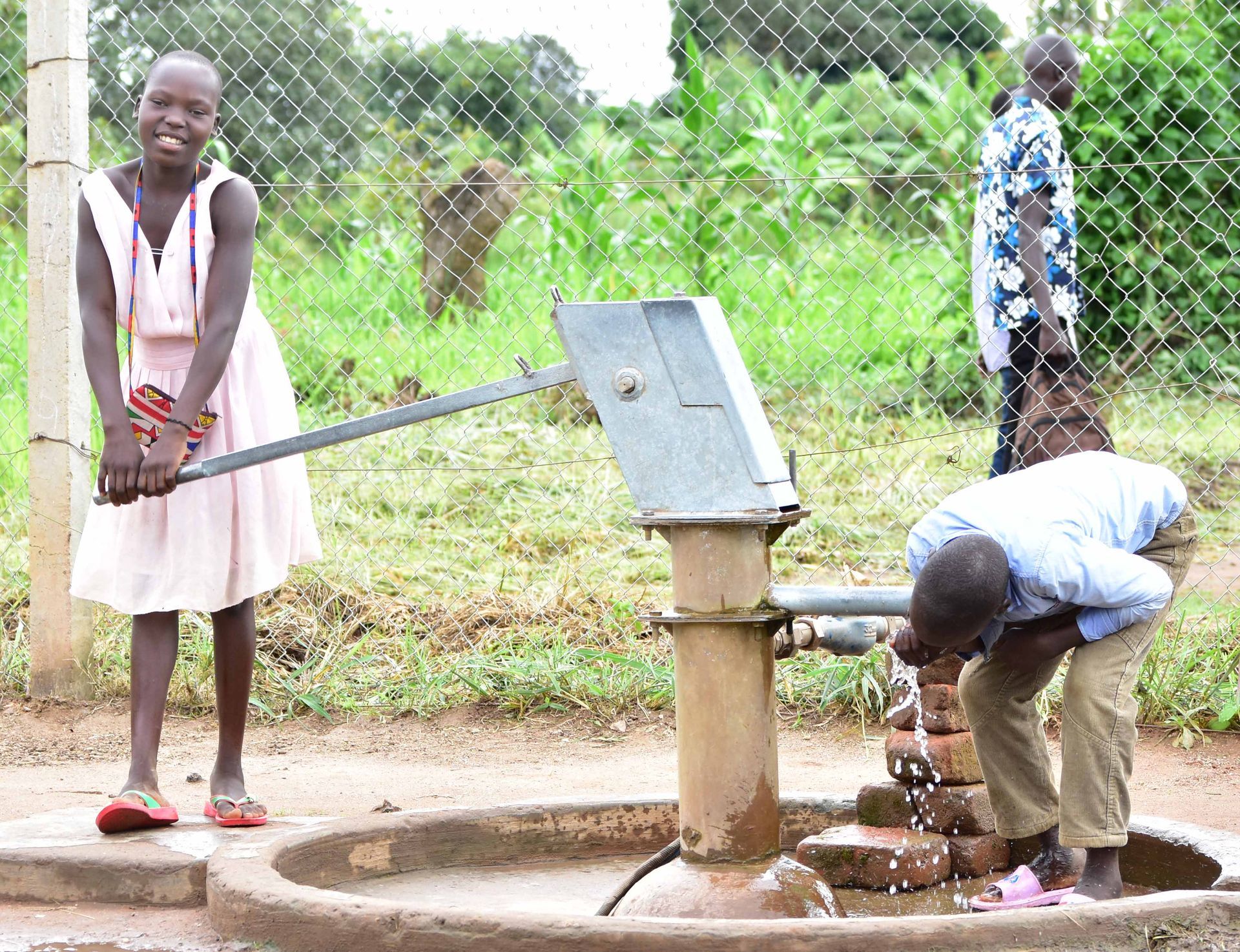
A single well can serve hundreds of people. However, its impact goes far beyond water access.
Health improves almost immediately. Waterborne diseases decrease. Families spend less on treatment.
At the same time, daily life becomes more stable. Children stay in school. Parents focus on building income.
Over time, the entire village transforms.
This is why clean water projects remain one of the most powerful tools for community development.
The Missionpoint Approach to Sustainable Impact
Amigos Internacionales takes a different approach through its Missionpoint model.
Instead of isolated projects, Missionpoint combines water, education, and healthcare. This creates a complete and lasting solution.
Each water well becomes part of a larger system. As a result, communities do not just survive—they begin to thrive.
You can learn more about this model here:
👉
https://www.amigosii.org/missionpoint
Real Impact in Real Communities
In villages where clean water has been introduced, the results are clear.
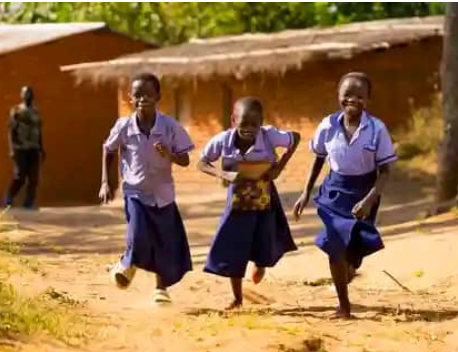
Children who once missed school now attend regularly. Families who struggled with illness now experience stability.
Farmers increase their yields. Small businesses begin to emerge.
These are not isolated outcomes. They are repeated across communities with access to clean water.
To see these transformations firsthand, explore more stories here:
👉
https://www.amigosii.org/stories-of-impact
The Bottom Line: It Costs More Than Money
The true cost of clean water is not just financial. It involves time, effort, and long-term commitment.
However, the cost of inaction is far greater. Without clean water, communities remain stuck in cycles of disease and poverty.
With clean water, everything changes.
A Clear Call to Action: Be Part of the Solution
Right now, there are villages still waiting for clean water.
Your support can help fund wells, train communities, and create lasting change.
This is not just a donation. It is an investment in health, education, and opportunity.
If you are ready to make a real impact, start here:
👉
https://www.amigosii.org
One well can change a village.
And one decision can start that transformation.
Categories

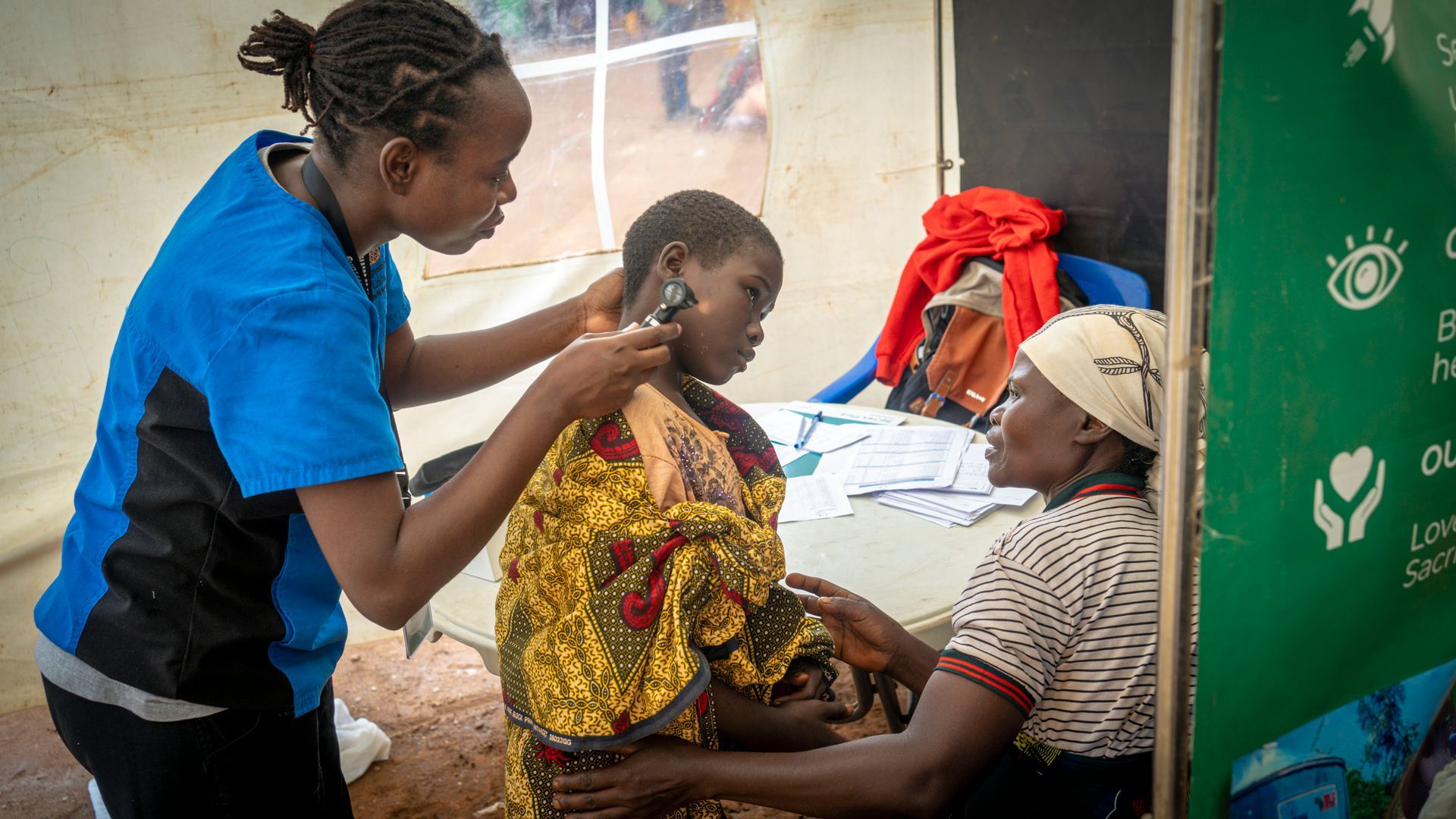
Free Medical Camps in Burundi: What Happens When a Doctor Walks Into Gisuru | Amigos Internacionales
Social Media
Free Medical Camps in Burundi: What Happens When a Doctor Walks Into Gisuru | Amigos Internacionales