Why is Building Schools Important for Poverty Alleviation?
Michael Ryer • September 26, 2024
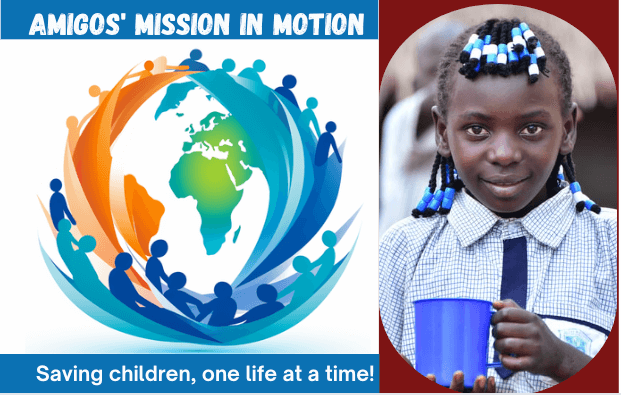
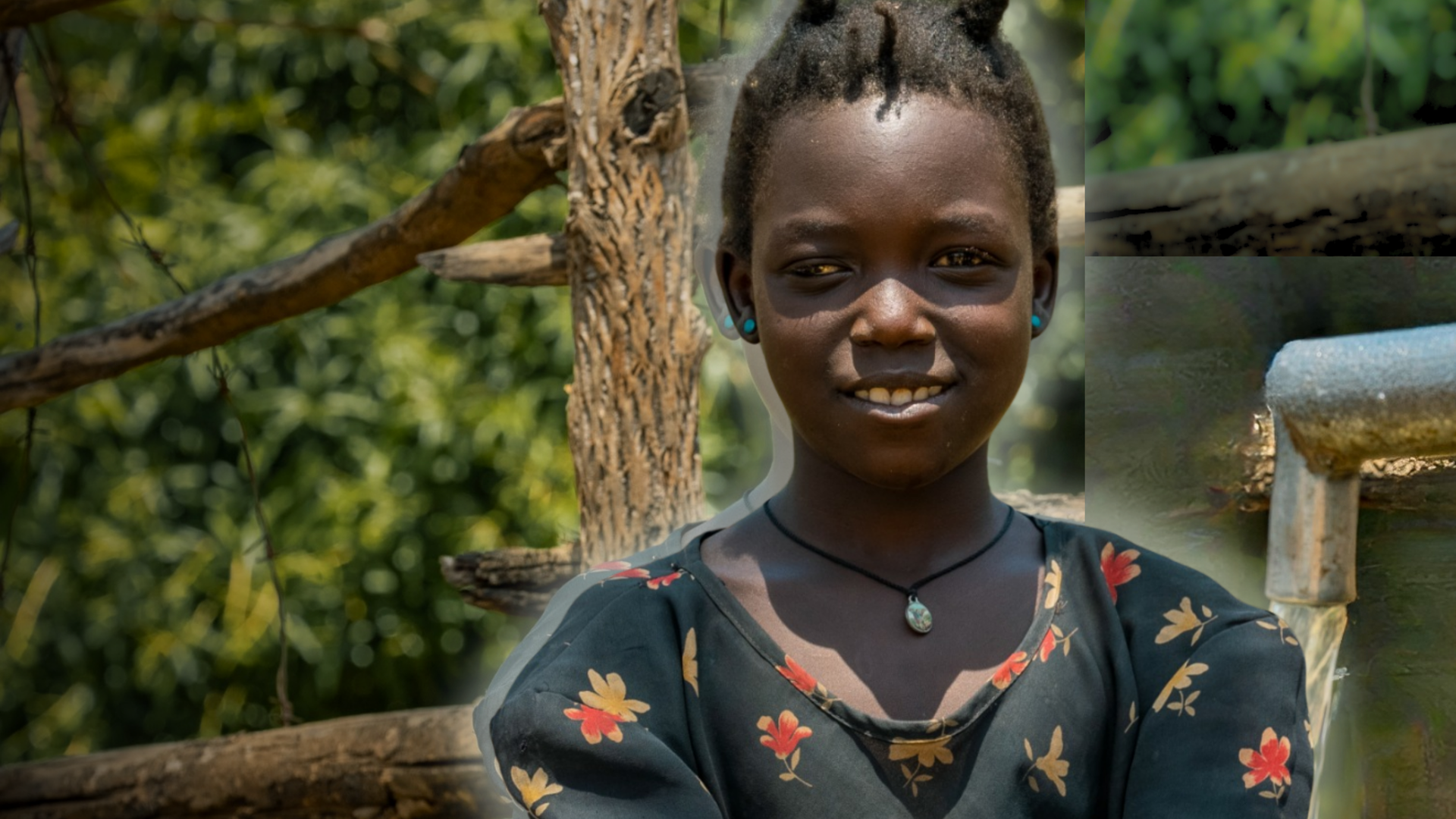
A poster for amigos mission in motion shows a girl holding a cup

Education Breaks the Cycle

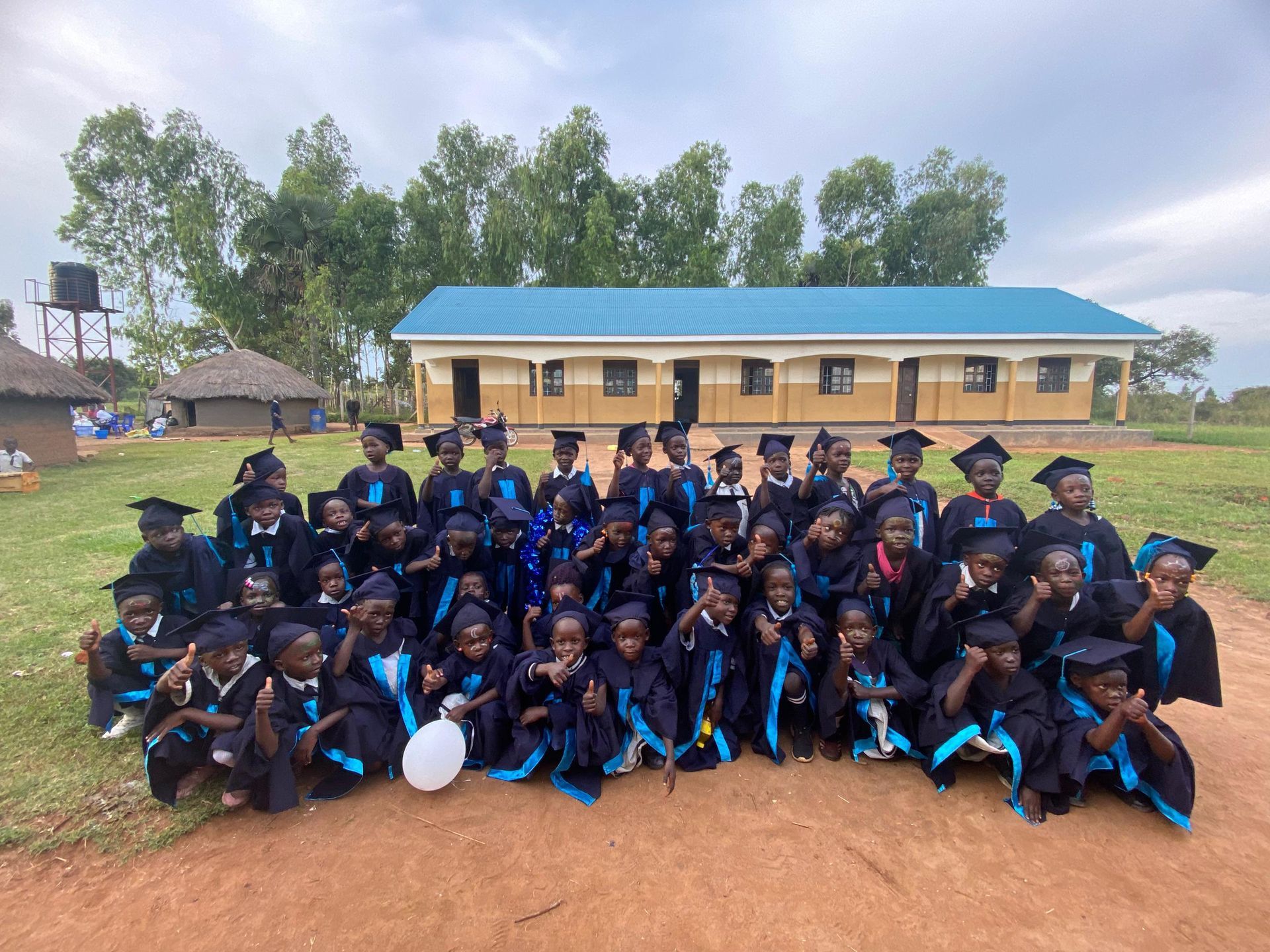
Building schools is crucial for poverty alleviation because education is the key to breaking the cycle of generational poverty. By providing children with access to quality education, we empower them to create a better future for themselves and their communities.

Education is not just about learning facts and figures; it is about instilling a sense of curiosity, critical thinking, and problem-solving skills in students. When we invest in building schools, we invest in shaping the minds of the next generation, preparing them to overcome the challenges of poverty.

Moreover, education is a powerful tool for social mobility. By ensuring that all children have the opportunity to attend school, regardless of their background, we level the playing field and give every child a chance to succeed. Building schools is, therefore, an essential step towards creating a more equitable society.

When communities come together to support the construction of schools, they are not just building physical structures; they are investing in the future of their children. These schools become hubs of knowledge, innovation, and community engagement, fostering a culture of lifelong learning and growth.

Every classroom built is a stepping stone towards a brighter future. It provides a safe and nurturing environment where children can learn, explore, and dream. Building schools is a tangible way to show our commitment to ending the cycle of poverty and building a better world for all.

Empowering Communities

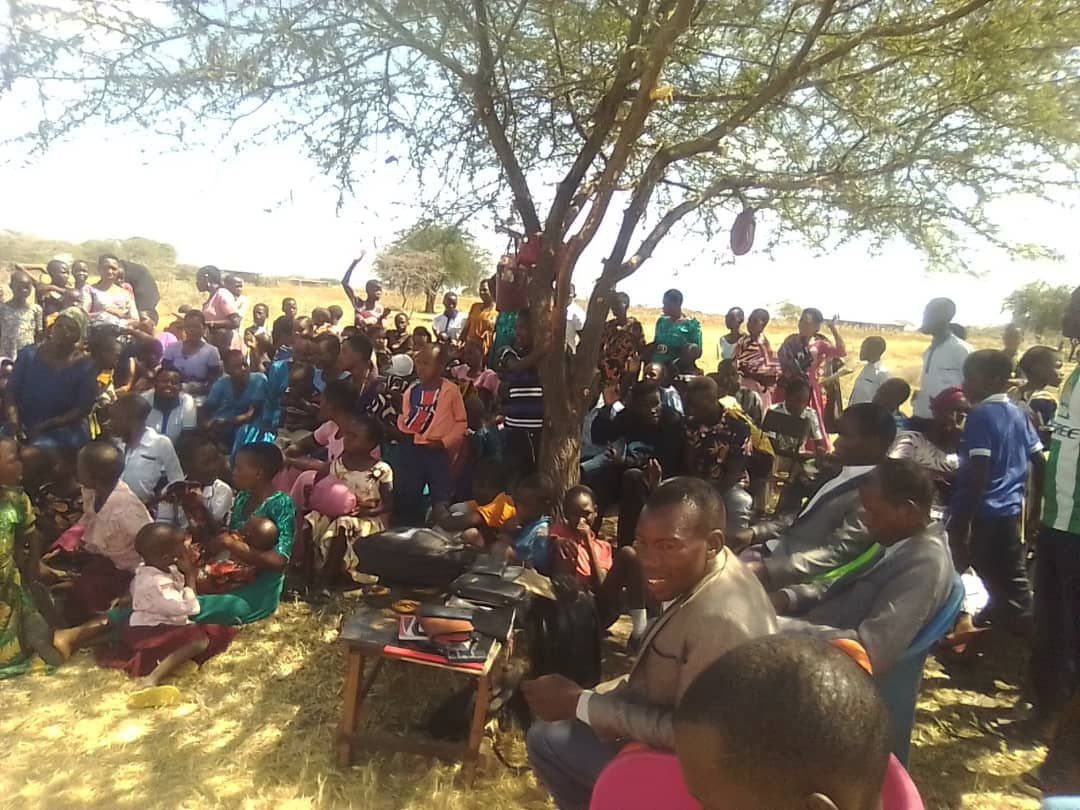
In addition to empowering individual students, building schools also empowers entire communities. Schools serve as centers of community life, bringing people together and fostering cohesion and mutual support.

When a community invests in education by constructing schools, they are investing in their own development and prosperity. Education opens up doors to opportunities, helping community members acquire the skills and knowledge needed to improve their livelihoods and break free from poverty.

Furthermore, schools often serve as platforms for community outreach and development programs. They become catalysts for positive change, encouraging community members to engage in activities that promote social welfare, health, and economic empowerment.

By building schools, communities demonstrate their commitment to collective growth and progress. They create spaces where ideas are shared, talents are nurtured, and collaboration thrives. Investing in education is investing in the future of the community as a whole.

The impact of building schools goes beyond the walls of classrooms; it extends to every aspect of community life. When communities prioritize education, they pave the way for a brighter, more sustainable future for generations to come.

Health and Well-being Impact

Building schools is not just about academic growth; it also has a significant impact on the health and well-being of individuals and communities. Education is closely linked to better health outcomes, as educated individuals are more likely to make informed decisions about their well-being.

Schools play a crucial role in promoting health education and awareness, teaching students about nutrition, hygiene, disease prevention, and mental wellness. By investing in school construction, we create environments that support holistic development and empower students to lead healthy lives.

Furthermore, schools often serve as hubs for health services, providing access to vaccinations, regular check-ups, and health screenings. They act as frontline defenders against disease outbreaks and help to protect the overall well-being of the community.

When communities prioritize building schools, they are not just investing in education; they are investing in the health infrastructure of their region. Schools become pillars of community health, promoting a culture of wellness and preventive care that benefits everyone.

The construction of schools is, therefore, a multifaceted approach to poverty alleviation, addressing not just educational needs but also contributing to the physical and mental well-being of individuals. It is a holistic solution that fosters prosperity and health hand in hand.

Economic Growth and Stability

One of the key reasons why building schools is essential for poverty alleviation is the significant role education plays in economic growth and stability. Education is a fundamental driver of economic development, providing individuals with the skills and knowledge necessary to participate in the workforce and contribute to the economy.

By investing in the construction of schools, we are investing in the future workforce of our nation. Education prepares individuals for employment opportunities, enhances their earning potential, and reduces the likelihood of intergenerational poverty.

Schools act as incubators of entrepreneurship and innovation, nurturing the talents of future business leaders, scientists, and creative thinkers. They promote a culture of creativity and problem-solving, essential skills for a thriving economy.

Moreover, education leads to increased productivity and competitiveness in the global market. Well-educated populations are more adaptable to changes in the economy, more resilient in times of crisis, and more likely to drive innovation and progress.

The construction of schools is an investment in the economic resilience and sustainability of a nation. It is a long-term strategy that not only lifts individuals out of poverty but also creates a strong foundation for ongoing economic development and prosperity.


By Michael Ryer May 20, 2026
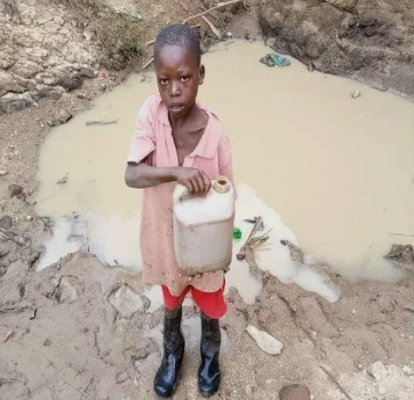
In many parts of the world, turning on a faucet is so ordinary that it barely deserves a second thought. A glass fills. A child drinks. A mother does the dishes. A shower runs before work or school. Clean water is simply there. In Northern Uganda, that reality still feels distant for thousands of families. In many villages scattered across rural East Africa, water is not found in a kitchen sink or flowing from pipes beneath the ground. It is carried in yellow jerrycans across dusty roads and narrow footpaths. It is gathered from muddy ponds, shallow holes carved into the earth, or stagnant pools shared with livestock. Sometimes it is brown. Sometimes it smells foul. Sometimes it makes children sick. For families with no other option, it is all they have. The water crisis in East Africa is not only about thirst. It affects health, education, safety, opportunity, and dignity. It shapes how children spend their mornings and how mothers spend their days. It determines whether girls attend school consistently or remain trapped in long daily walks carrying heavy containers of water under the scorching sun. At Amigos Internacionales, this reality is not theoretical. Staff and partners have sat beside families in remote villages. They have watched children scoop water from contaminated pits after rainfall. They have seen entire communities transformed when clean water finally arrived. That transformation is why water remains one of the most urgent and powerful parts of the MissionPoint model across Northern Uganda.
By Michael Ryer May 13, 2026
For seventeen years, Bridgette has carried a burden no child should ever bear. What started as a small red spot on her face when she was just a baby grew into a massive vascular tumor that doctors across Uganda refused to operate on. Too risky, they said. The tumor could bleed too much. She might not survive. Come back when she's older. Come back when it's smaller. Come back, come back, come back. Bridgette and her mother, Rose, heard "no" for seventeen years. But today, something has finally changed. Bridgette is now on medication that is actively shrinking her tumor. Dr. Paul Mulyamboga, Amigos Internacionales' Director of Medical Services and founder of Doctors on Mission, is monitoring her progress. When the tumor reaches an operable size, he will refer her to Mulago National Referral Hospital in Kampala for the vascular surgery that could change her life. There's just one problem: surgery can only happen if the funding is already in place . If we don't raise $12,000 before Bridgette's tumor is ready for surgery, she will have to wait again. And after seventeen years of waiting, we cannot let that happen. How It Started — A Small Red Spot
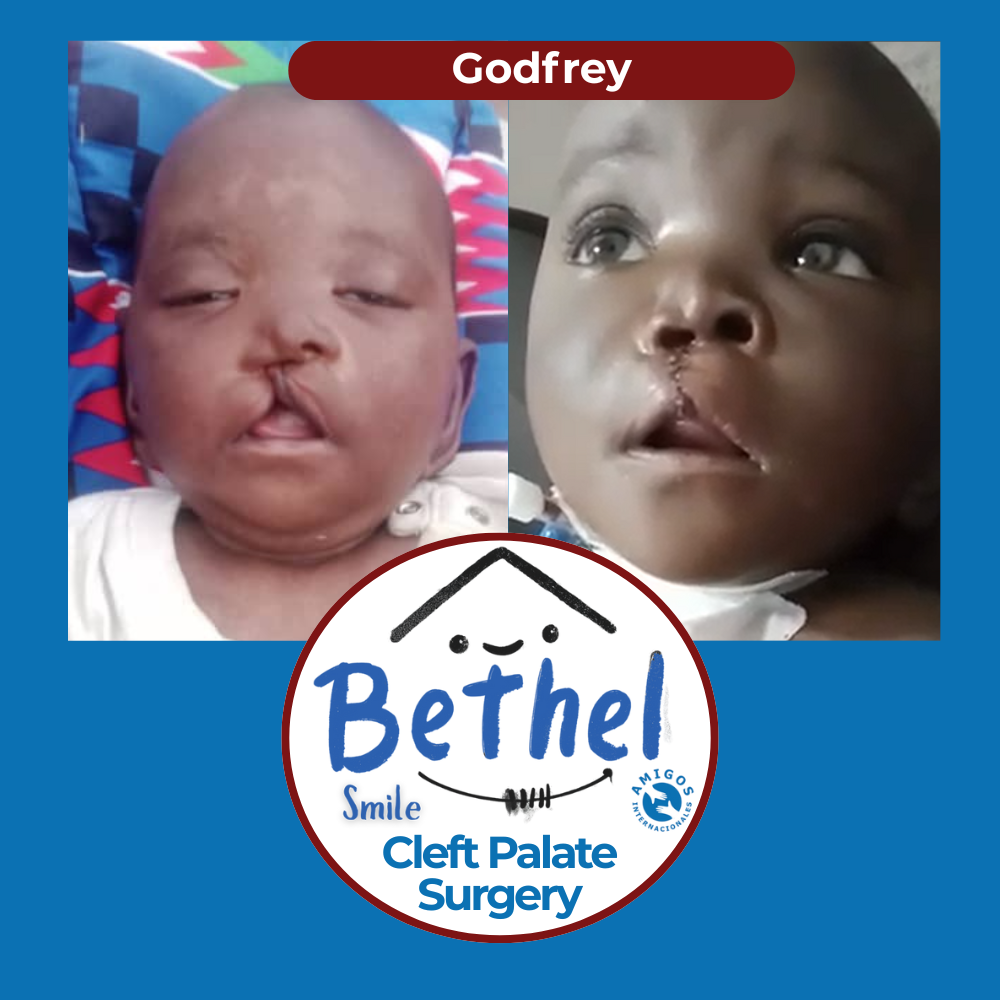
Rwottwero Godfrey before and after cleft lip surgery — Bethel Smile program, Amigos Internacionales
By Amigos Internacionales April 30, 2026
Baby Godfrey couldn't eat without pain. His family couldn't afford surgery. The Bethel Smile program gave him free cleft lip surgery at 4 months old.
MissionPoint Burundi free medical camp in Gisuru, doctors treating patients
By Amigos Internacionales April 28, 2026
Inside the Gisuru medical camp in Burundi — surgeries, eye care, and spiritual ministry delivered by volunteer doctors. See the full impact report from 2025.
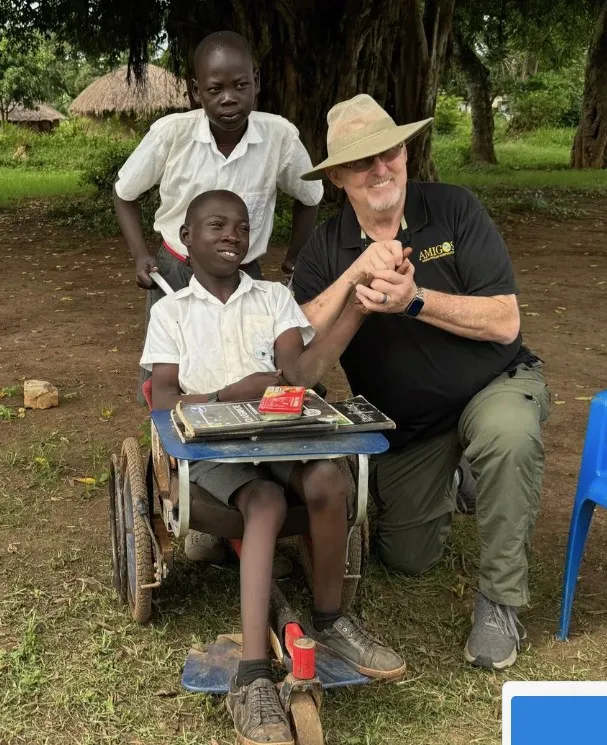
Two people beside a wheelchair outside, with a child seated at a small desk in a grassy outdoor area.
By Amigos Internacionales April 27, 2026
East Texas journalist Jennifer Scott traveled to East Africa to cover Amigos Internacionales. Read the full Tyler Morning Telegraph feature from April 2026.
By Amigos Internacionales April 13, 2026
Learn how church missions in Africa, through partnerships with Amigos Internacionales, can bring lasting change to communities in need. Get involved in education, healthcare, and development projects.
By Amigos Internacionales April 9, 2026
Discover the resilience of refugees in Northern Uganda and how Amigos Internacionales is providing medical care, education, and empowerment to help rebuild lives.
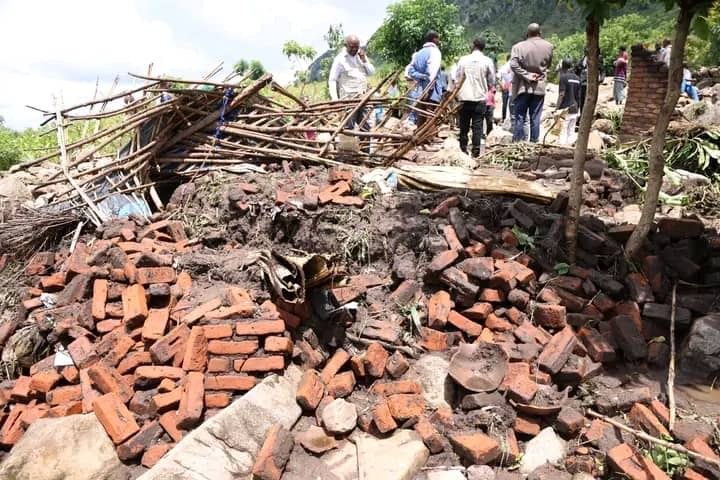
People stand near the ruins of a collapsed brick building in a grassy, mountainous area.
By Victor Phiri April 4, 2026
Deadly floods and landslides have displaced families in Malawi’s Mulanje and Phalombe districts, leaving them without shelter or food. Learn how emergency tents and food relief can bring hope—and how you can help today.
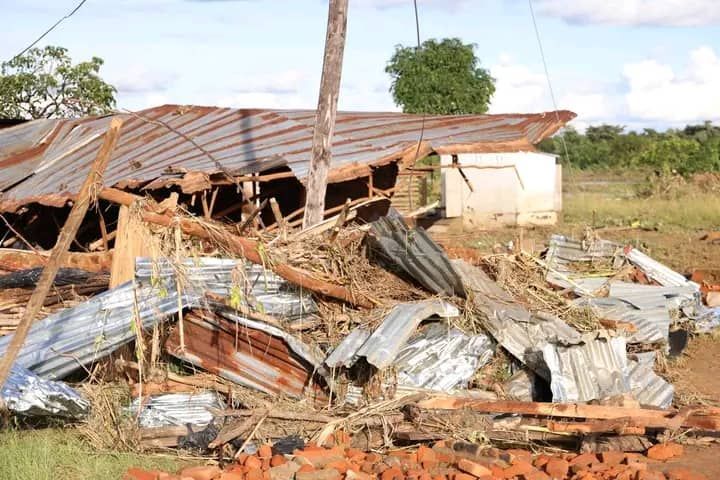
A collapsed building with twisted metal roofing, wooden debris, and scattered bricks in a rural, open-field setting.
By Victor Phiri April 1, 2026
Missionpoint Malawi aids flood victims in Mulanje & Phalombe. Help us provide food & support to families in need. Join our efforts today!
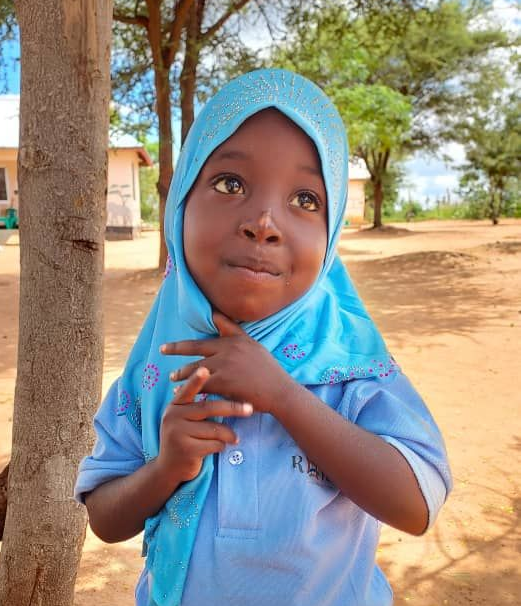
A child wearing a light blue hijab and shirt, smiling while touching their chin, standing outdoors in a sandy area.
By Amigos Internacionales March 28, 2026
Perpetua’s story in Tanzania reveals the daily reality of living with sickle cell and how compassionate medical care and faith bring hope to vulnerable children.
A person in a light shirt and dark boots holds a water container in front of a muddy, contaminated water source.
By Amigos Internacionales March 27, 2026
Learn about the water crisis in rural Uganda and how Amigos Internacionales is providing sustainable, clean water solutions to transform lives and communities.
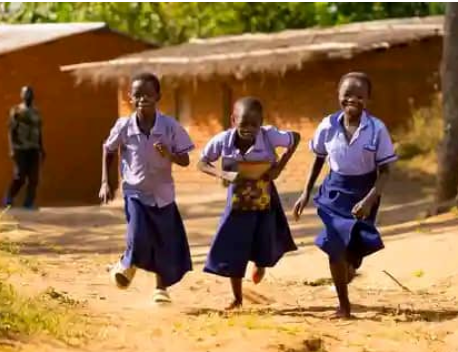
Three students in uniforms running along a dirt path in front of rural buildings.
By Amigos Internacionales March 26, 2026
Learn how child sponsorship in Africa transforms lives in Uganda through education, healthcare, and long-term community impact.
More Posts

Social Media

By Michael Ryer May 20, 2026
In many parts of the world, turning on a faucet is so ordinary that it barely deserves a second thought. A glass fills. A child drinks. A mother does the dishes. A shower runs before work or school. Clean water is simply there. In Northern Uganda, that reality still feels distant for thousands of families. In many villages scattered across rural East Africa, water is not found in a kitchen sink or flowing from pipes beneath the ground. It is carried in yellow jerrycans across dusty roads and narrow footpaths. It is gathered from muddy ponds, shallow holes carved into the earth, or stagnant pools shared with livestock. Sometimes it is brown. Sometimes it smells foul. Sometimes it makes children sick. For families with no other option, it is all they have. The water crisis in East Africa is not only about thirst. It affects health, education, safety, opportunity, and dignity. It shapes how children spend their mornings and how mothers spend their days. It determines whether girls attend school consistently or remain trapped in long daily walks carrying heavy containers of water under the scorching sun. At Amigos Internacionales, this reality is not theoretical. Staff and partners have sat beside families in remote villages. They have watched children scoop water from contaminated pits after rainfall. They have seen entire communities transformed when clean water finally arrived. That transformation is why water remains one of the most urgent and powerful parts of the MissionPoint model across Northern Uganda.
By Michael Ryer May 13, 2026
For seventeen years, Bridgette has carried a burden no child should ever bear. What started as a small red spot on her face when she was just a baby grew into a massive vascular tumor that doctors across Uganda refused to operate on. Too risky, they said. The tumor could bleed too much. She might not survive. Come back when she's older. Come back when it's smaller. Come back, come back, come back. Bridgette and her mother, Rose, heard "no" for seventeen years. But today, something has finally changed. Bridgette is now on medication that is actively shrinking her tumor. Dr. Paul Mulyamboga, Amigos Internacionales' Director of Medical Services and founder of Doctors on Mission, is monitoring her progress. When the tumor reaches an operable size, he will refer her to Mulago National Referral Hospital in Kampala for the vascular surgery that could change her life. There's just one problem: surgery can only happen if the funding is already in place . If we don't raise $12,000 before Bridgette's tumor is ready for surgery, she will have to wait again. And after seventeen years of waiting, we cannot let that happen. How It Started — A Small Red Spot
Rwottwero Godfrey before and after cleft lip surgery — Bethel Smile program, Amigos Internacionales
By Amigos Internacionales April 30, 2026
Baby Godfrey couldn't eat without pain. His family couldn't afford surgery. The Bethel Smile program gave him free cleft lip surgery at 4 months old.
MissionPoint Burundi free medical camp in Gisuru, doctors treating patients
By Amigos Internacionales April 28, 2026
Inside the Gisuru medical camp in Burundi — surgeries, eye care, and spiritual ministry delivered by volunteer doctors. See the full impact report from 2025.
Two people beside a wheelchair outside, with a child seated at a small desk in a grassy outdoor area.
By Amigos Internacionales April 27, 2026
East Texas journalist Jennifer Scott traveled to East Africa to cover Amigos Internacionales. Read the full Tyler Morning Telegraph feature from April 2026.
By Amigos Internacionales April 13, 2026
Learn how church missions in Africa, through partnerships with Amigos Internacionales, can bring lasting change to communities in need. Get involved in education, healthcare, and development projects.
By Amigos Internacionales April 9, 2026
Discover the resilience of refugees in Northern Uganda and how Amigos Internacionales is providing medical care, education, and empowerment to help rebuild lives.
People stand near the ruins of a collapsed brick building in a grassy, mountainous area.
By Victor Phiri April 4, 2026
Deadly floods and landslides have displaced families in Malawi’s Mulanje and Phalombe districts, leaving them without shelter or food. Learn how emergency tents and food relief can bring hope—and how you can help today.
A collapsed building with twisted metal roofing, wooden debris, and scattered bricks in a rural, open-field setting.
By Victor Phiri April 1, 2026
Missionpoint Malawi aids flood victims in Mulanje & Phalombe. Help us provide food & support to families in need. Join our efforts today!
A child wearing a light blue hijab and shirt, smiling while touching their chin, standing outdoors in a sandy area.
By Amigos Internacionales March 28, 2026
Perpetua’s story in Tanzania reveals the daily reality of living with sickle cell and how compassionate medical care and faith bring hope to vulnerable children.
A person in a light shirt and dark boots holds a water container in front of a muddy, contaminated water source.
By Amigos Internacionales March 27, 2026
Learn about the water crisis in rural Uganda and how Amigos Internacionales is providing sustainable, clean water solutions to transform lives and communities.
Three students in uniforms running along a dirt path in front of rural buildings.
By Amigos Internacionales March 26, 2026
Learn how child sponsorship in Africa transforms lives in Uganda through education, healthcare, and long-term community impact.
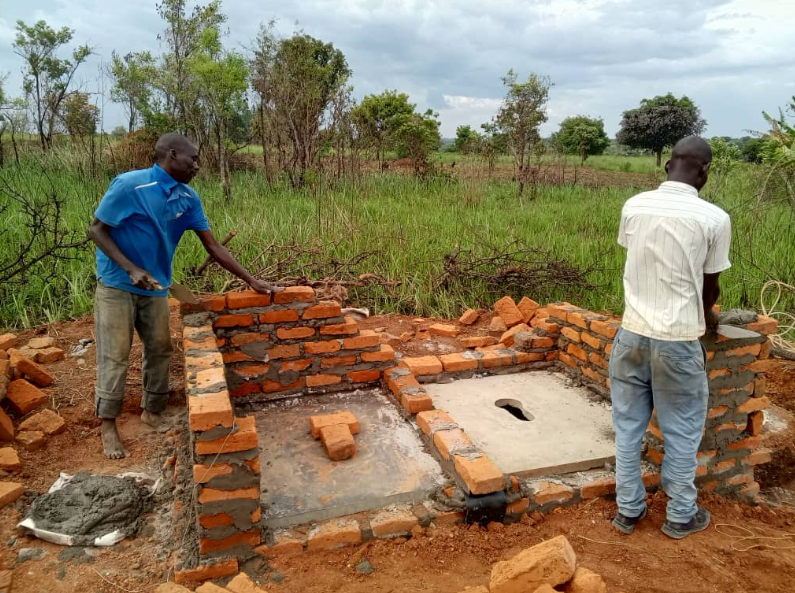
Two people laying bricks to construct an outdoor latrine in a grassy, rural area.
By Amigos Internacionales March 25, 2026
Support community efforts in Loyobo, Uganda, for a medical camp. Join us in fostering care, unity, & youth engagement.
By Amigos Internacionales March 24, 2026
Discover why children in rural Africa lack access to life-saving surgery and how Amigos Internacionales is providing hope through medical missions.
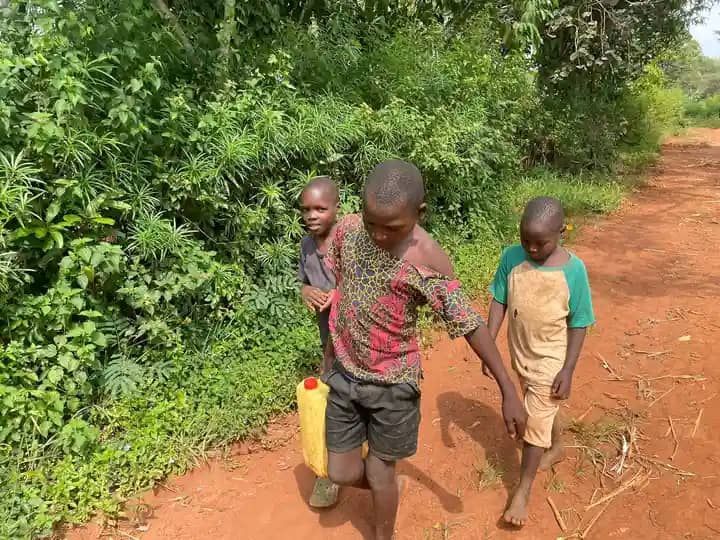
Three children walk along a red dirt path beside lush greenery, one carrying a yellow plastic container.
By Amigos Internacionales March 19, 2026
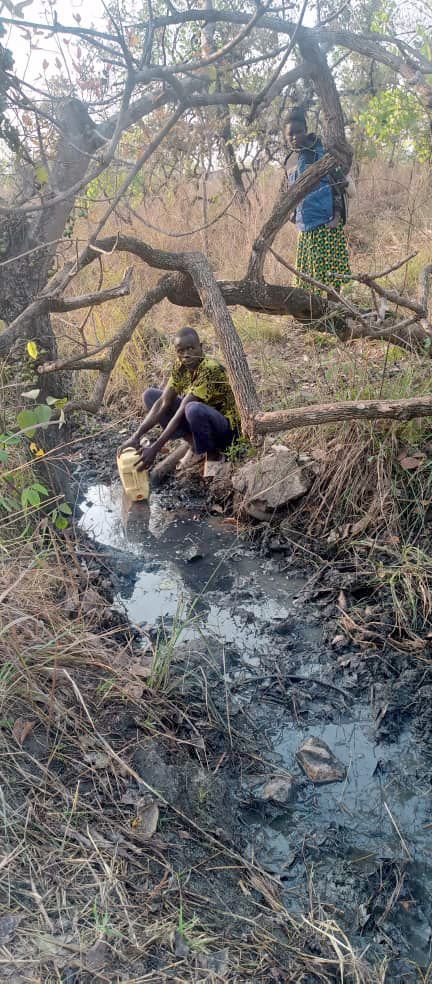
Learn the severe effects of not drilling water wells in East Africa. Act now to improve health, education, & economic stability.
A person crouches near a muddy, polluted water source in a wooded area, filling a yellow plastic container.
By Amigos Internacionales March 19, 2026
Understand the costs of clean water in rural Africa. Join us in making a difference for communities in need.
A large group of people gathers on a dirt clearing in front of a long, thatched-roof building under a bright blue sky.
By Amigos Internacionales March 16, 2026
Clean water transforms lives in Northern Uganda. Join us in supporting health, education, & economic growth. Get involved today!
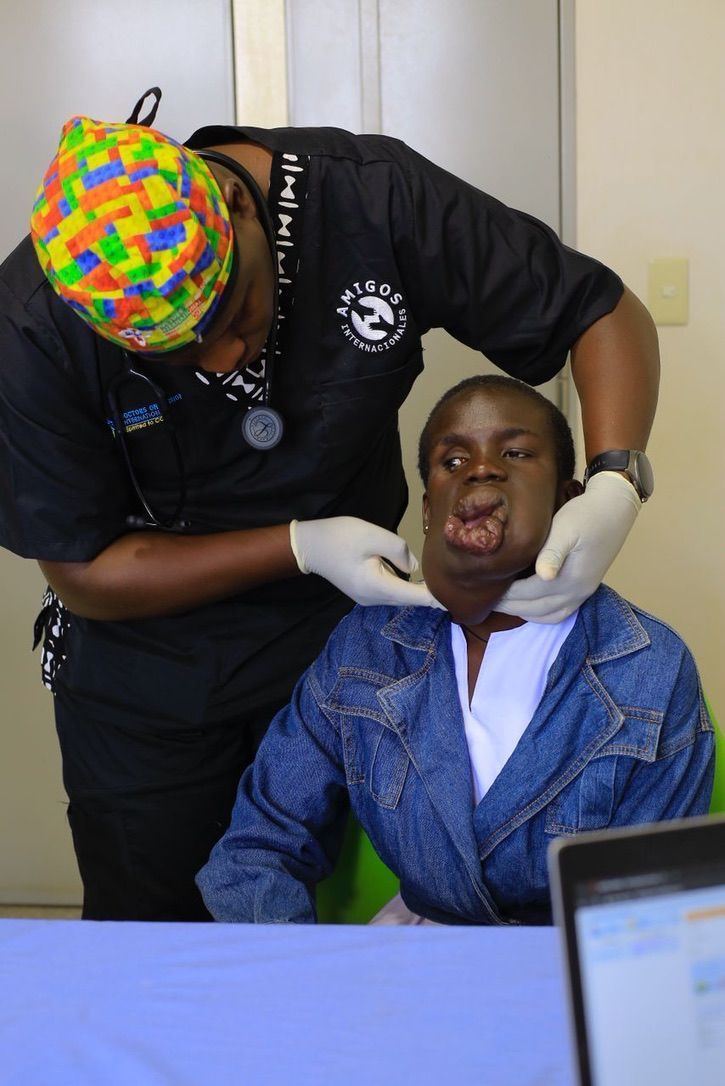
A healthcare provider wearing scrubs and gloves examines a patient with a visible facial growth on their lower jaw.
By Paul Mulyamboga March 13, 2026
“Discover how Amigos Internacionales brings life‑changing surgery to vulnerable children in rural Uganda, bridging the healthcare gap with compassionate care.”
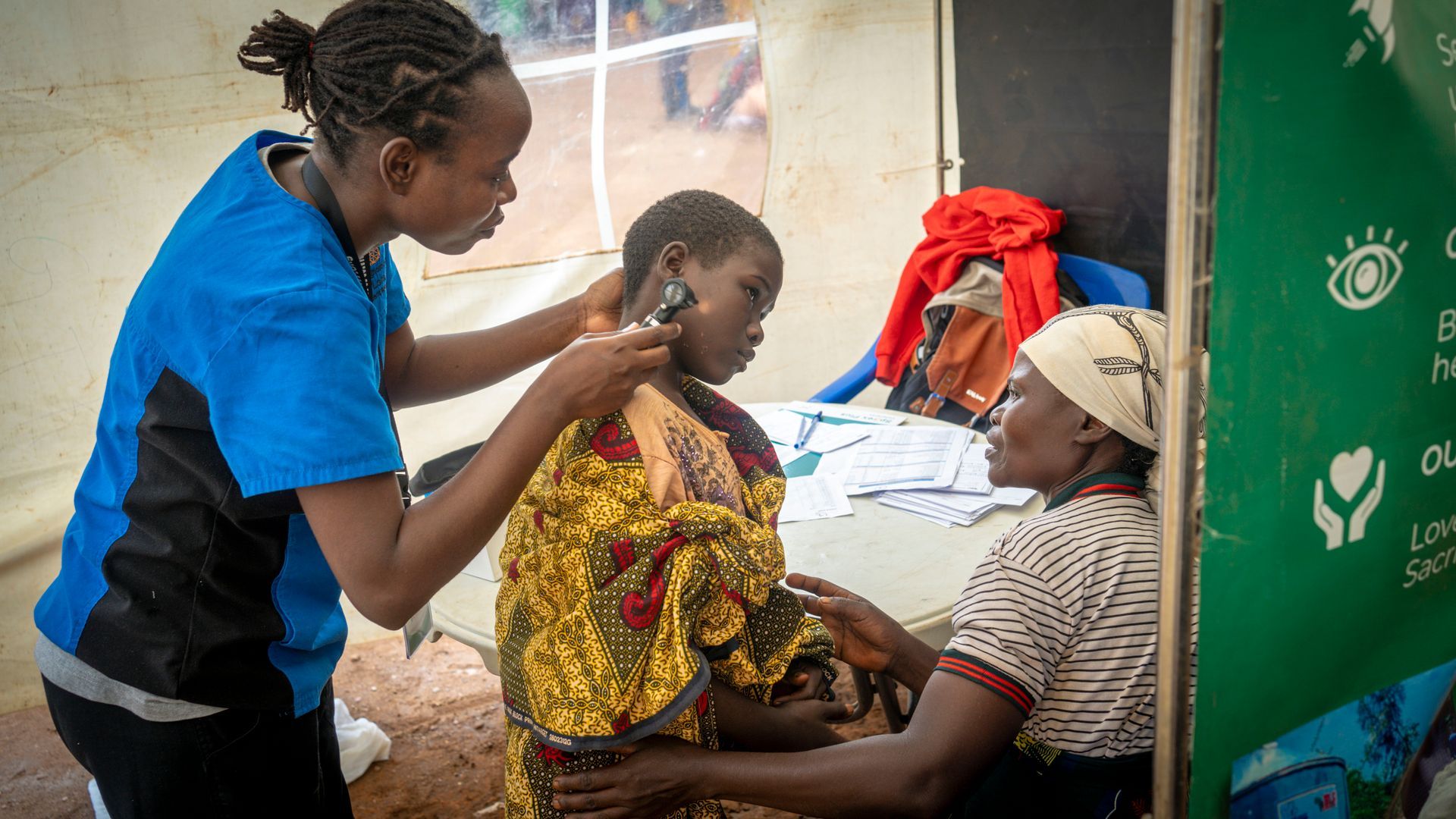
A healthcare worker in a blue uniform holds a young patient's hand during a clinical examination in a doctor's office.
By Victor Phiri February 26, 2026
Learn about the barriers deaf children face in accessing education in Malawi. Support inclusive education initiatives today!
Surgeon in scrubs, headlight, smiling in operating room, blue drapes, medical equipment.
By Amigos Internacionales February 26, 2026
From 3-day medical camps and eye clinics to life skills training for women — discover how Amigos Internacionales brings holistic healing and empowerment to rural Uganda.
Show More