The Choice to End Trafficking: Faith, Leadership, and the Courage to Choose Life
Where the Shadows Hide
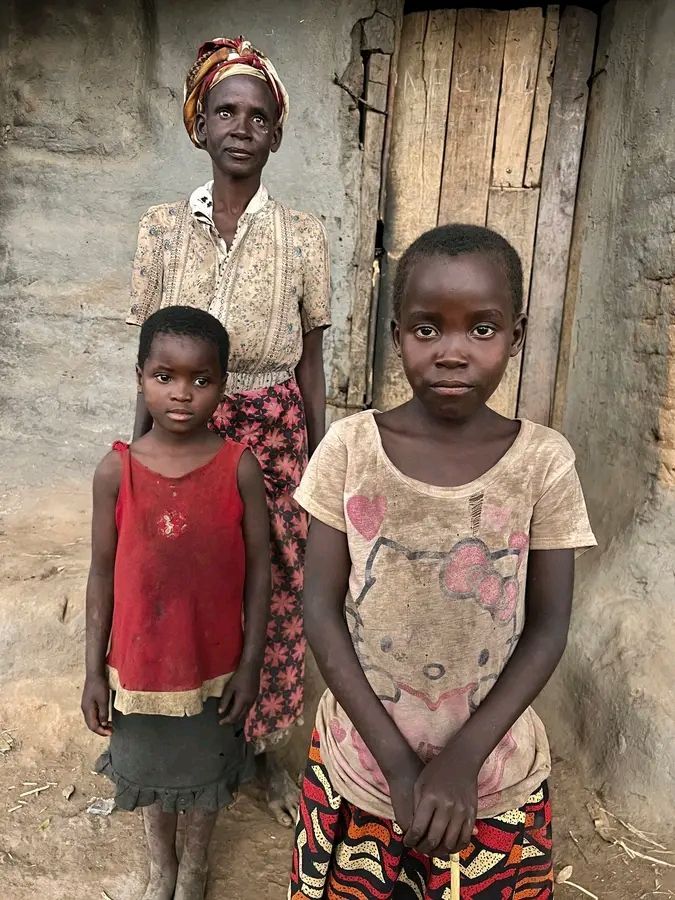
The first time I looked into the eyes of a child rescued from trafficking, I realized this issue isn’t simply about statistics—it’s about stolen stories.
It’s about what happens when humanity forgets who we are and whom we belong to.
Sex trafficking is not confined to distant countries or dark alleyways. It’s in border towns, business districts, and even in the quiet suburbs of America. It is the visible symptom of invisible wounds—poverty, broken systems, and spiritual disconnection.
Through the work of Amigos Internacionales, I’ve seen how easily desperation becomes a doorway. Traffickers exploit the most sacred human need—to be seen, valued, and loved—and twist it into bondage. But I’ve also seen how faith and community can transform that same desperation into hope.
The Crossroads of Trauma and Transformation
In my book, The Choice That Can Change the World, I write that every one of us stands at a crossroads where trauma meets transformation. Survivors of trafficking know this crossroads intimately.
“Every painful memory holds within it an invitation to rise above and forge anew.”
— The Choice That Can Change the World
When a life has been shattered by exploitation, healing begins not with forgetting, but with choosing. Choosing to believe that renewal is still possible. Choosing to accept that even in the ruins, God can rebuild something beautiful.
For many survivors, the journey from trauma to triumph begins the same way faith always begins—with a choice. “Now choose life,” says Deuteronomy 30:19, “so that you and your children may live.”
That command is not just for the victim. It’s for the rescuer, the leader, the bystander, the church, and the CEO. Each of us must choose life in how we lead, how we serve, and how we see those society has cast aside.
Where the Shadows Hide
The first time I looked into the eyes of a child rescued from trafficking, I realized this issue isn’t simply about statistics—it’s about stolen stories.
It’s about what happens when humanity forgets who we are and whom we belong to.
Sex trafficking is not confined to distant countries or dark alleyways. It’s in border towns, business districts, and even in the quiet suburbs of America. It is the visible symptom of invisible wounds—poverty, broken systems, and spiritual disconnection.
Through the work of Amigos Internacionales, I’ve seen how easily desperation becomes a doorway. Traffickers exploit the most sacred human need—to be seen, valued, and loved—and twist it into bondage. But I’ve also seen how faith and community can transform that same desperation into hope.
The Crossroads of Trauma and Transformation
In my book, The Choice That Can Change the World, I write that every one of us stands at a crossroads where trauma meets transformation. Survivors of trafficking know this crossroads intimately.
“Every painful memory holds within it an invitation to rise above and forge anew.”
— The Choice That Can Change the World
When a life has been shattered by exploitation, healing begins not with forgetting, but with choosing. Choosing to believe that renewal is still possible. Choosing to accept that even in the ruins, God can rebuild something beautiful.
For many survivors, the journey from trauma to triumph begins the same way faith always begins—with a choice. “Now choose life,” says Deuteronomy 30:19, “so that you and your children may live.”
That command is not just for the victim. It’s for the rescuer, the leader, the bystander, the church, and the CEO. Each of us must choose life in how we lead, how we serve, and how we see those society has cast aside.
God Is at Work—and He Invites Us to Join Him
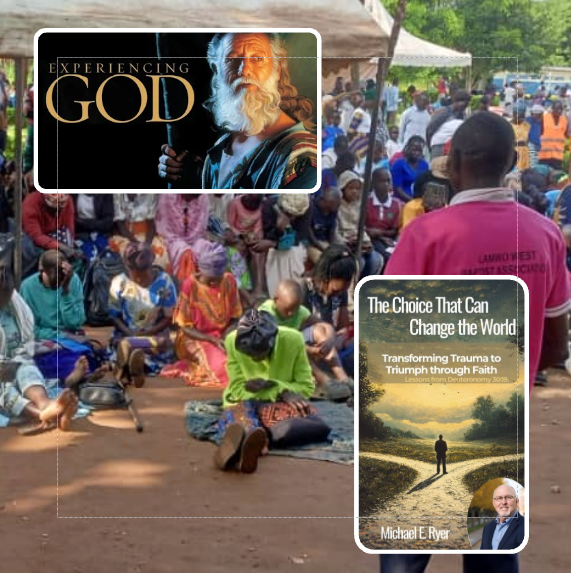
In my early ministry, I was deeply influenced by a simple but profound truth from the Experiencing God framework: God is always at work around you—and He invites you to join Him.
That invitation doesn’t come when it’s convenient. It often arrives as a crisis of belief—a moment when we must decide whether to stay comfortable or step into the broken places where God is already healing.
Fighting trafficking is one of those places. It demands that we look beyond the surface and see the spiritual battle underneath—the fight for identity, dignity, and divine purpose.
This is not a social issue alone; it’s a sacred calling. When we join God in His work of restoration, He doesn’t just rescue others—He refines us.
The Power of Choice in Leadership
Human trafficking doesn’t persist because of a lack of awareness. It persists because of a lack of moral leadership.
We live in a world where decisions are too often driven by profit, politics, or personal comfort. But faith-based leadership calls us to something higher—to choose life even when that choice costs something.
At Amigos Internacionales, our teams serve in places where exploitation meets poverty, and where hope can feel like a luxury. Yet we’ve seen over and over again: structure and spirit can change outcomes.
Systems rooted in accountability, compassion, and faith do what good intentions alone cannot—they sustain transformation.
“Wounds can become gateways to growth and community contribution.”
— The Choice That Can Change the World
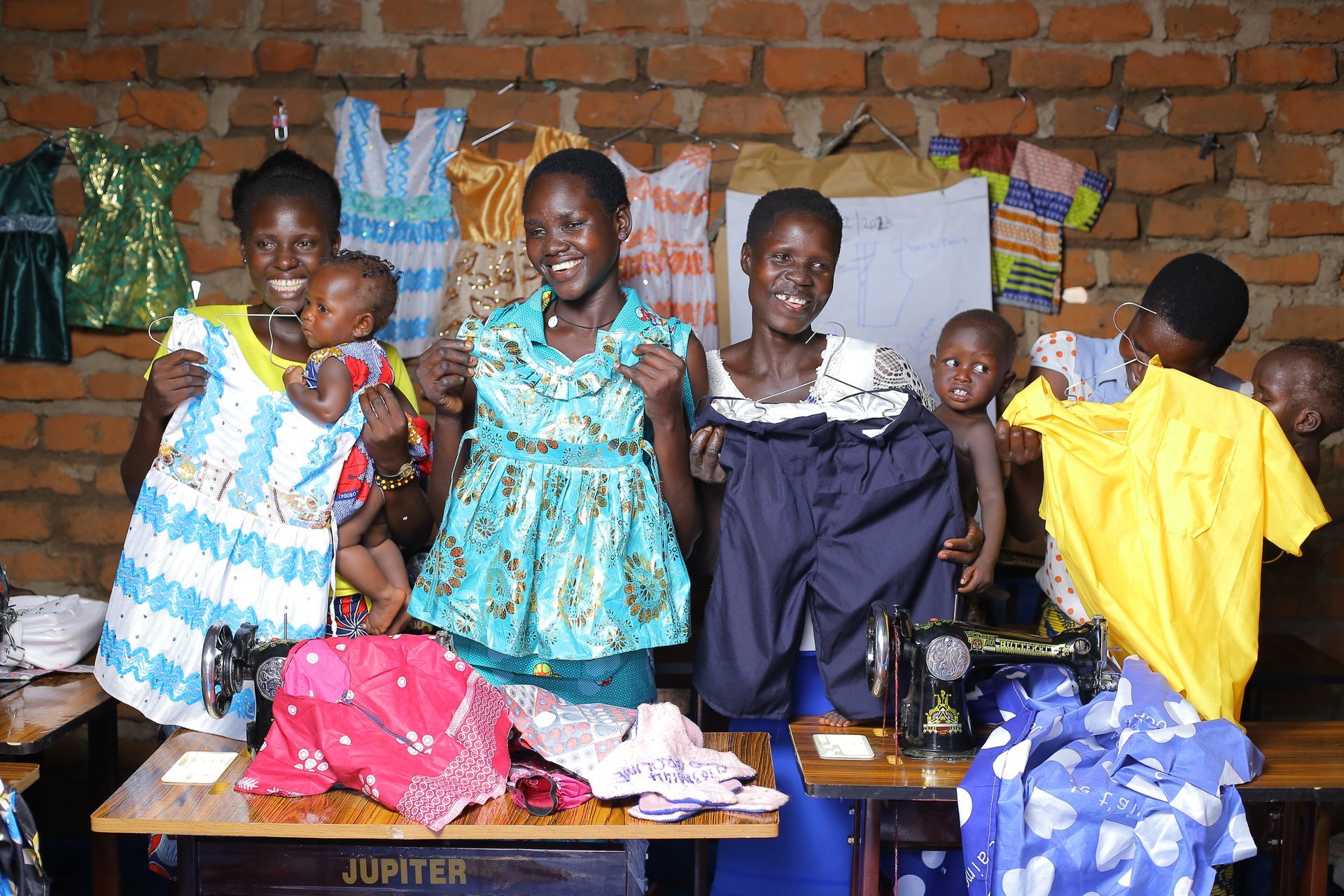
That’s why we don’t measure success simply by the number of rescues, but by the number of lives rebuilt. Every survivor empowered to work, learn, and lead becomes a living testament that trauma does not have the final word.
From Rescue to Renewal
Rescue is only the beginning. Renewal is where freedom takes root.
Through our programs at Amigos Internacionales, we’ve witnessed how faith, education, and community service become powerful agents of renewal.
When a survivor begins mentoring others… when a community member turns their pain into purpose… when a former victim becomes an advocate—something miraculous happens. The wound becomes the weapon that breaks the cycle.
In The Choice That Can Change the World, I describe healing as a spiral, not a straight line. Growth often looks like revisiting old pain from a higher perspective—each time with deeper faith, greater resilience, and stronger purpose.
The same is true for communities. We revisit the wounds of our world not to reopen them, but to remind ourselves that God’s redemptive work is still unfolding.
Faith: The Anchor That Holds
When you stand face-to-face with the aftermath of trafficking, you understand why faith matters.
Policies, funding, and programs are critical—but they cannot restore what only God can: the human soul.
Faith anchors us when despair whispers that the problem is too big. It centers our leadership in the truth that God’s will is always best, His directions always right, and His power always sufficient.
“Faith is taking the first step even when you don’t see the whole staircase.” — Martin Luther King Jr., quoted in The Choice That Can Change the World
To end trafficking, we must first believe that transformation is possible—both for the trafficked and the trafficker, the victim and the system. The same grace that redeems one life can redeem the entire world, if we let it.
The Call to Choose Life
The fight against trafficking is not a project to complete; it’s a choice to sustain.
Each day we must decide:
- To see the invisible.
- To speak when silence is safer.
- To serve where others turn away.
- To join God in the places where His light meets the world’s darkest corners.
When we make that choice—when we choose life over fear, faith over apathy, and compassion over convenience—we step into the very heartbeat of God.
And that’s where the world begins to change.
A Final Word
I often tell leaders and volunteers: you can’t out-give God. When you give Him your yes, He multiplies it beyond measure.
Ending trafficking may seem impossible. But impossible is just another word for waiting on faith to act.
At Amigos Internacionales, we’re committed to being that action—to choosing life, every day, for every person trapped in darkness.
If you’re reading this, maybe this is your invitation too.
Join us. Choose life. Change the world.
About the Author
Michael Ryer is the CEO of Amigos Internacionales, a global humanitarian organization serving vulnerable communities through faith-based programs in education, healthcare, and leadership development. He is also the author of The Choice That Can Change the World: Transforming Trauma to Triumph through Faith.
Categories

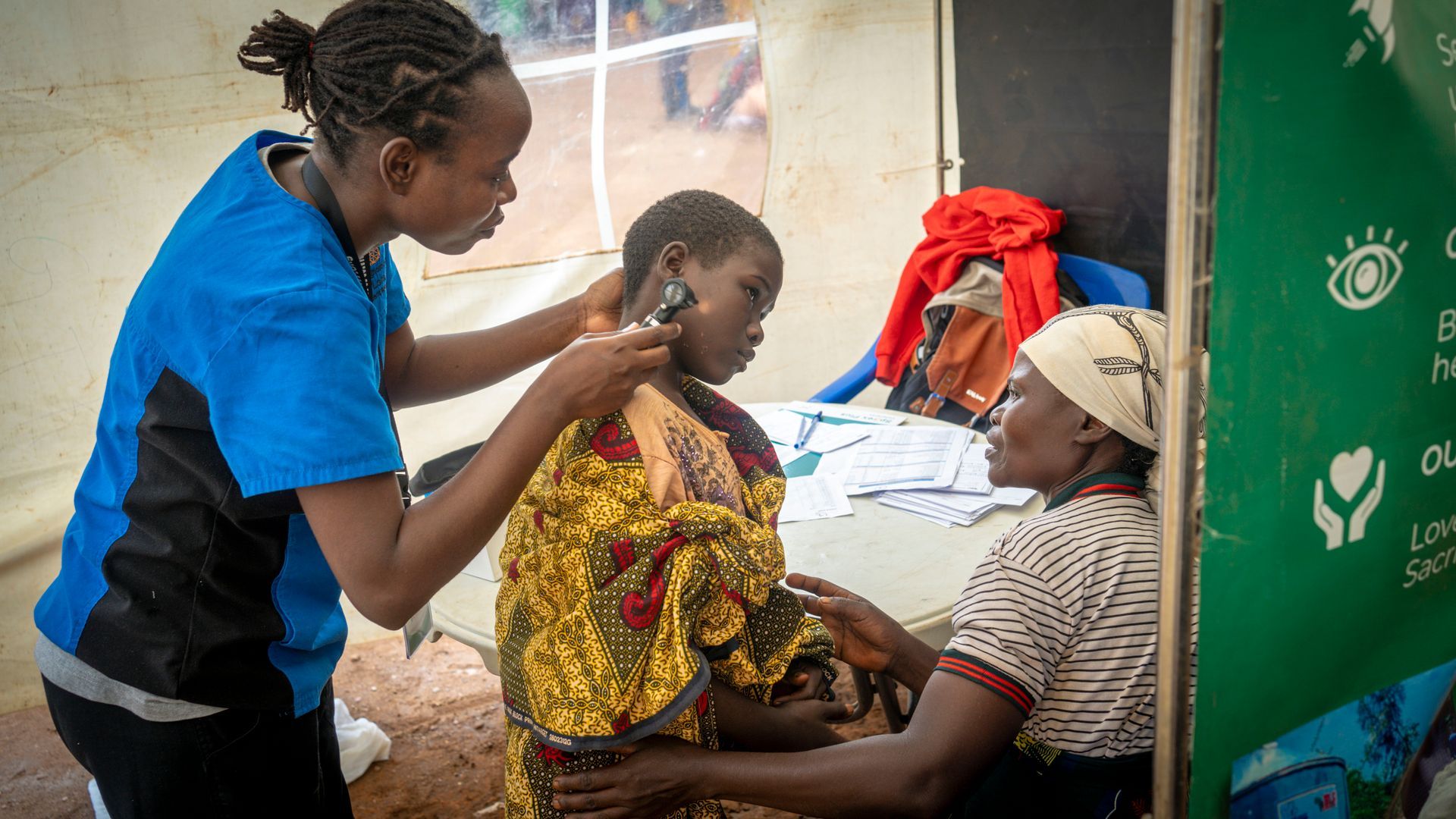
Free Medical Camps in Burundi: What Happens When a Doctor Walks Into Gisuru | Amigos Internacionales
Social Media
Free Medical Camps in Burundi: What Happens When a Doctor Walks Into Gisuru | Amigos Internacionales