Hope & Restoration in Africa: The impact of Medical missions
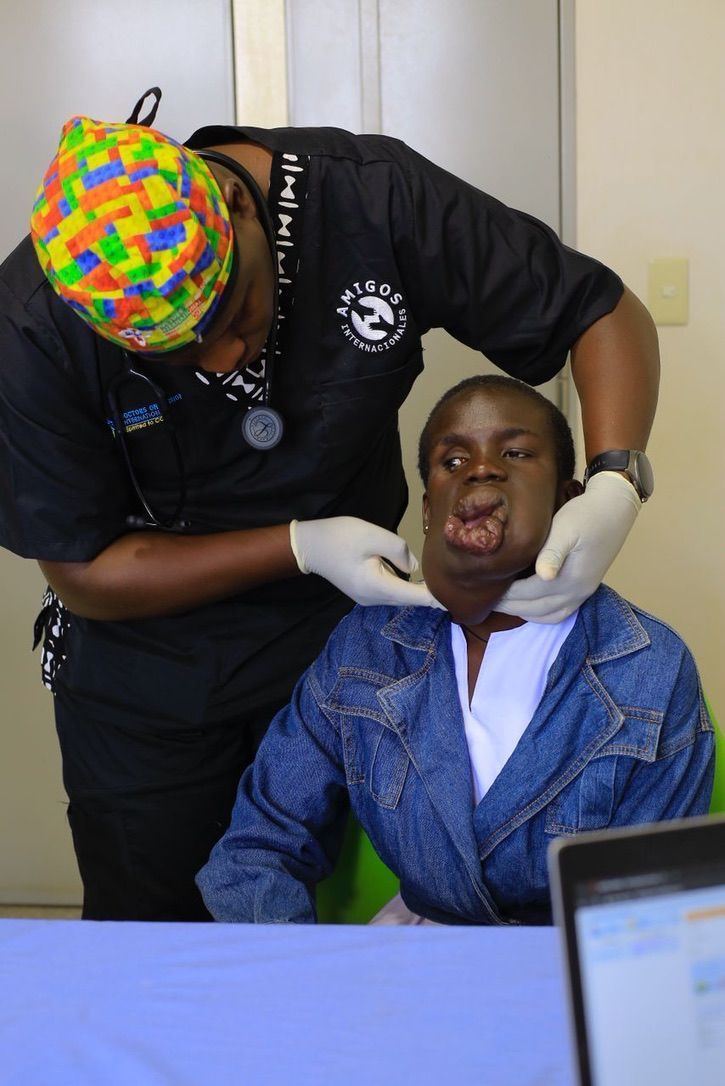
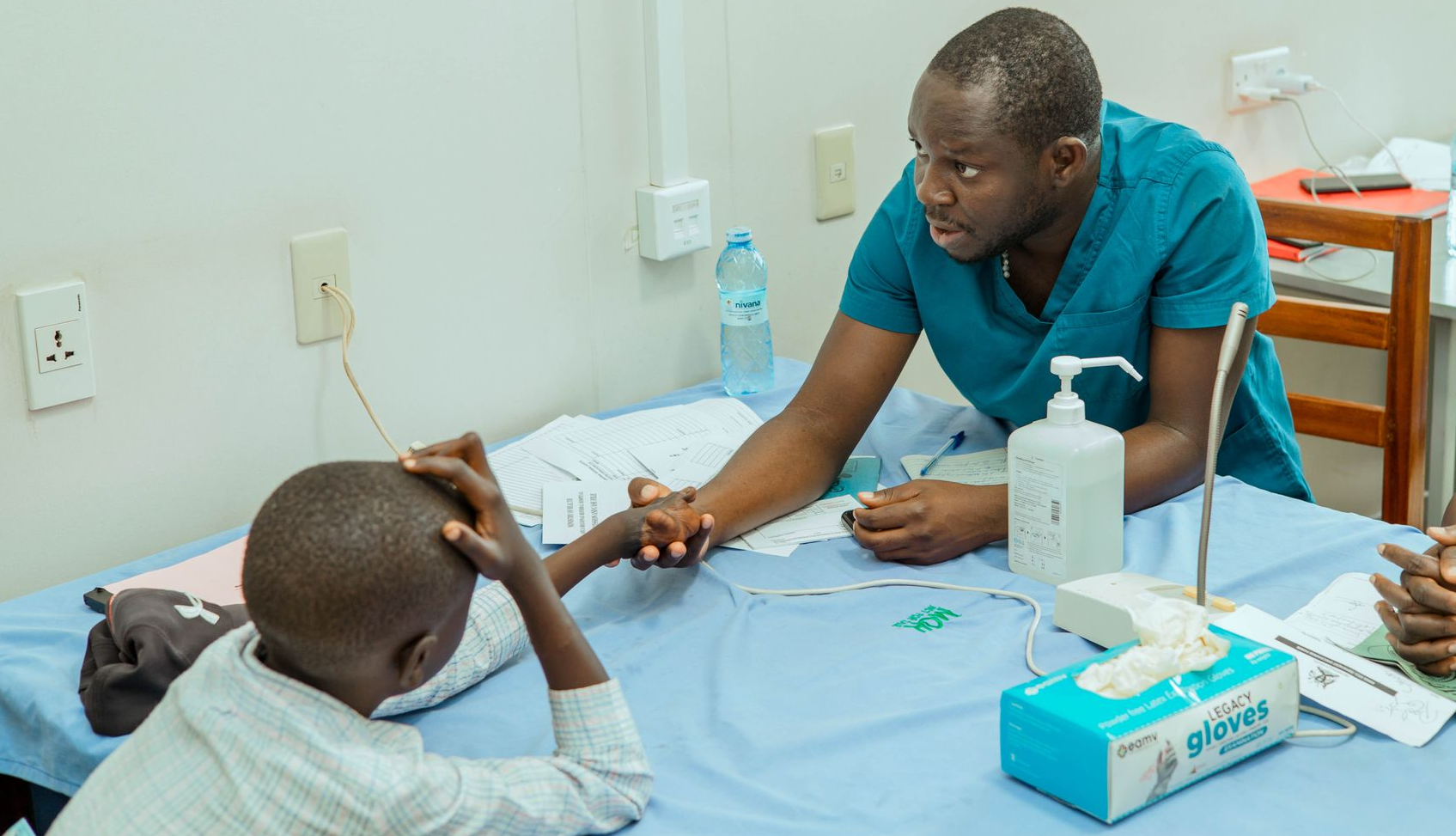
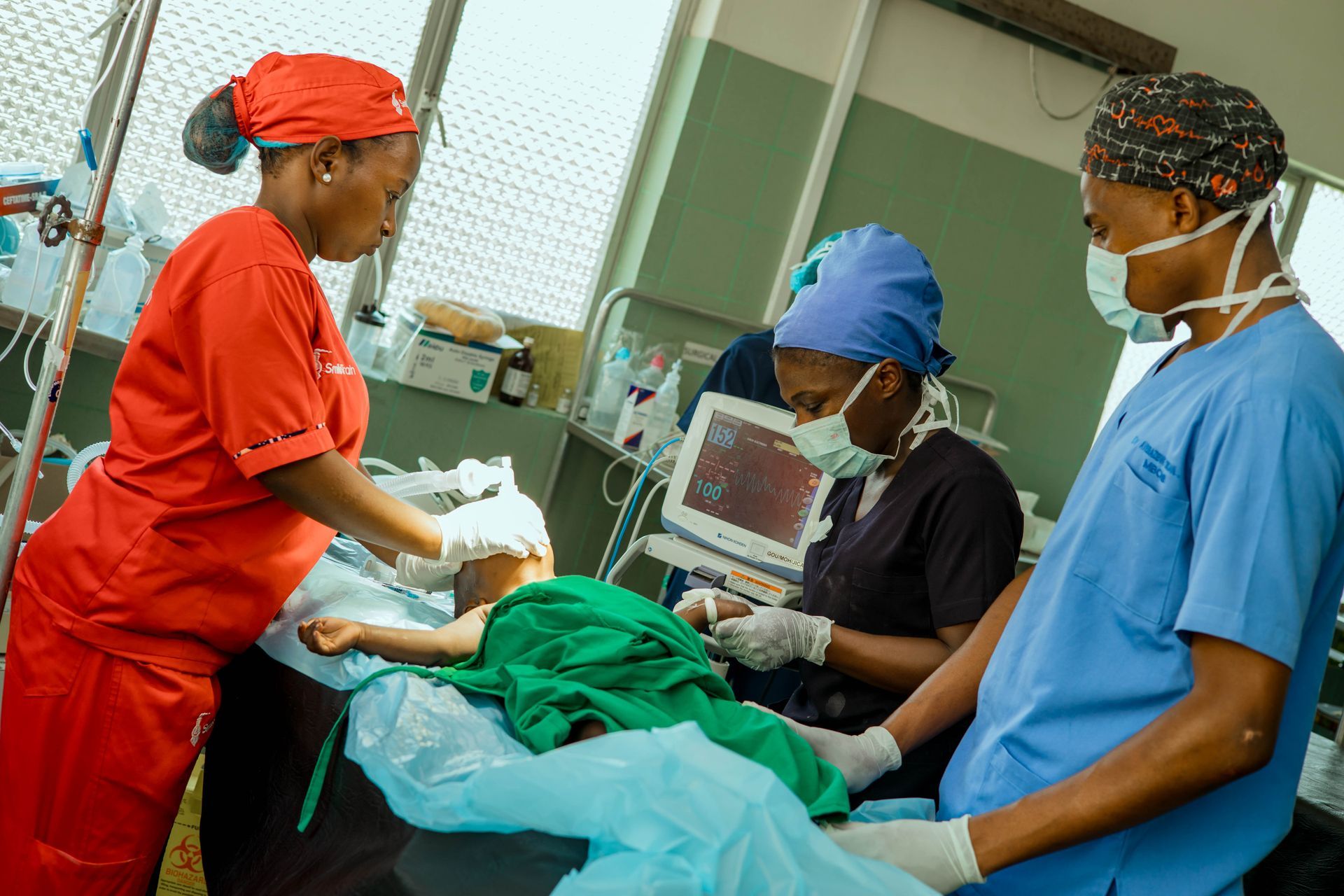
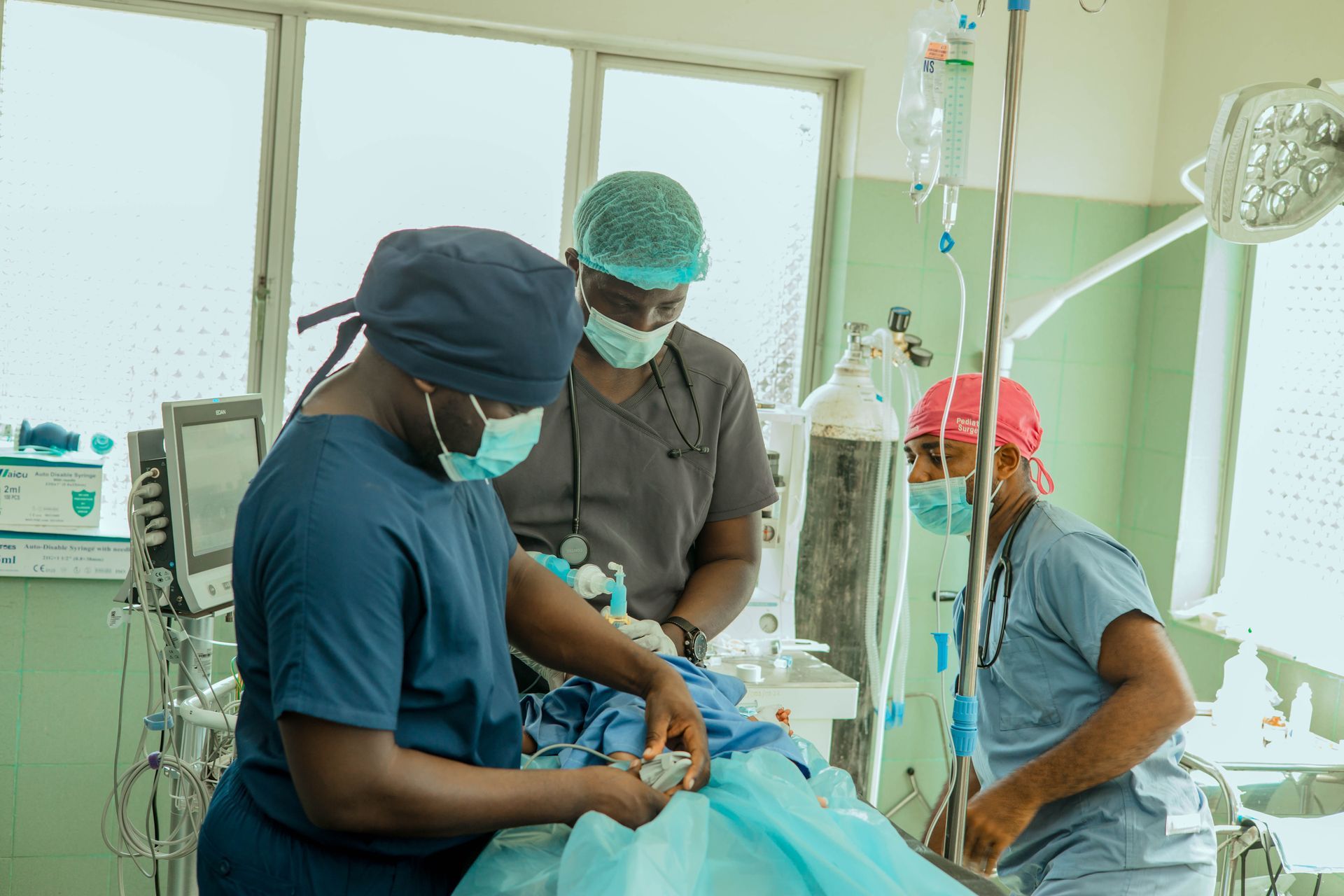
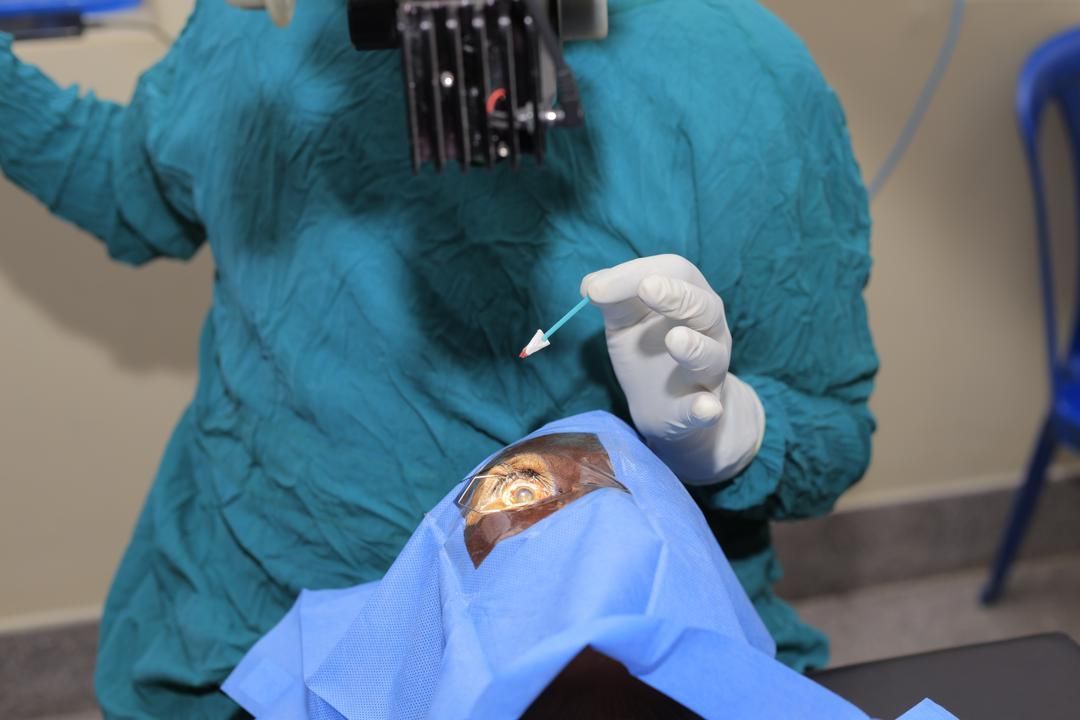
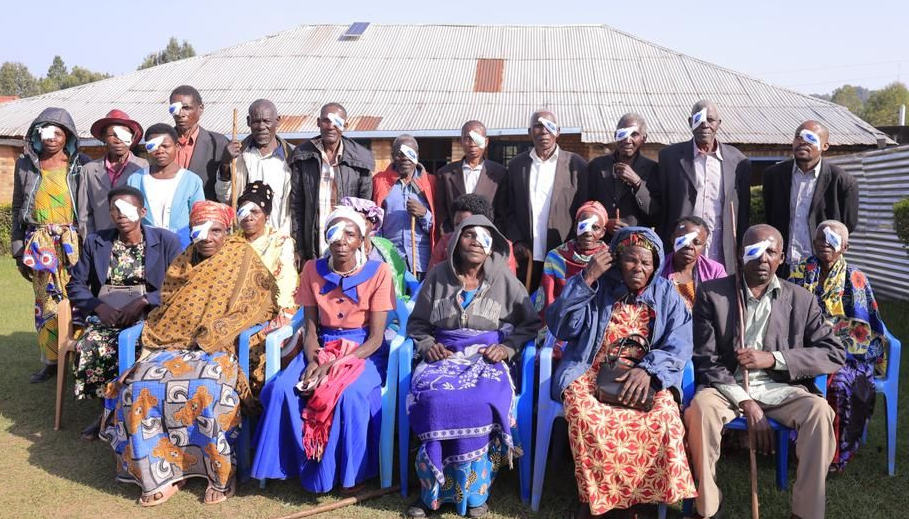
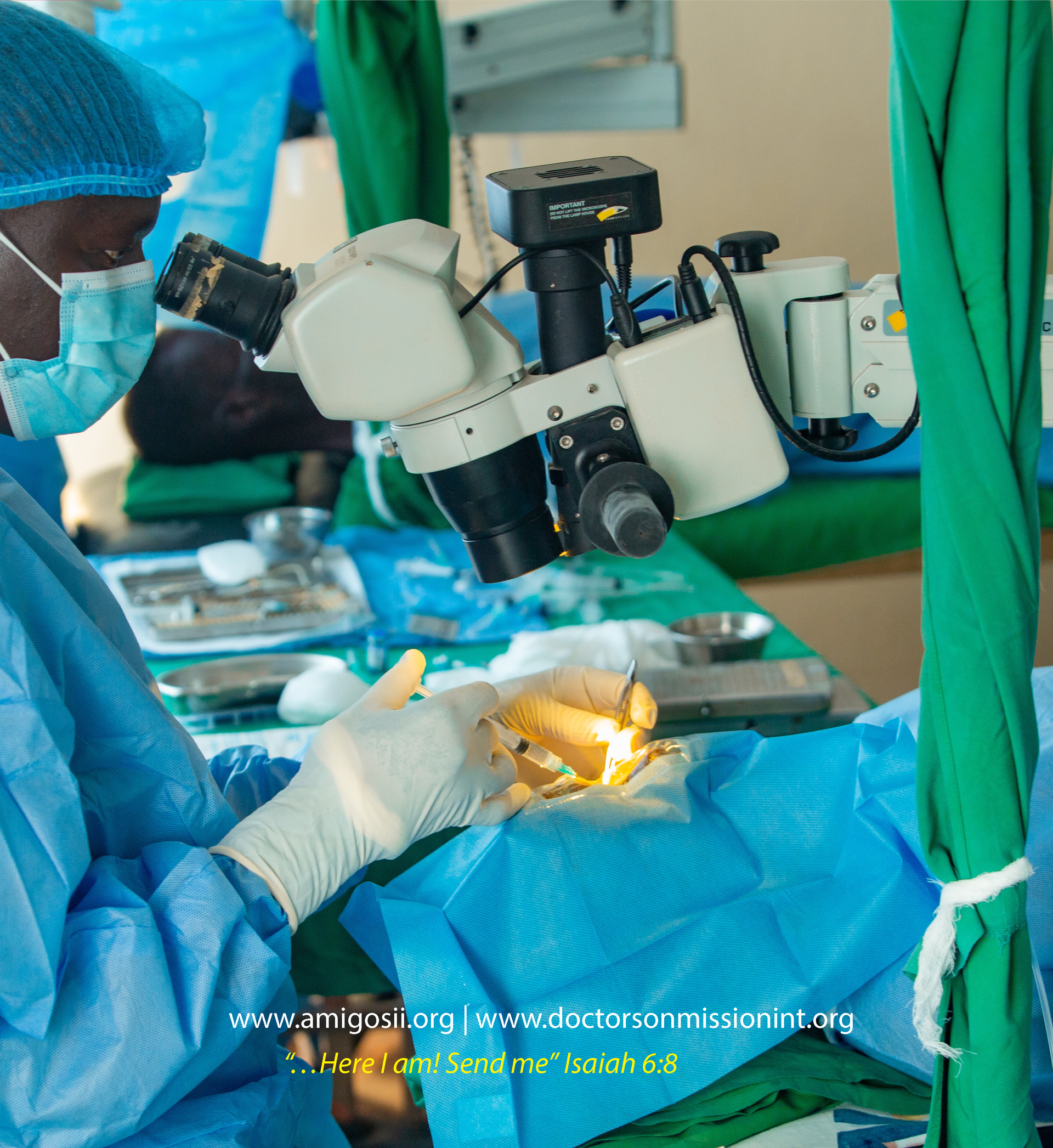
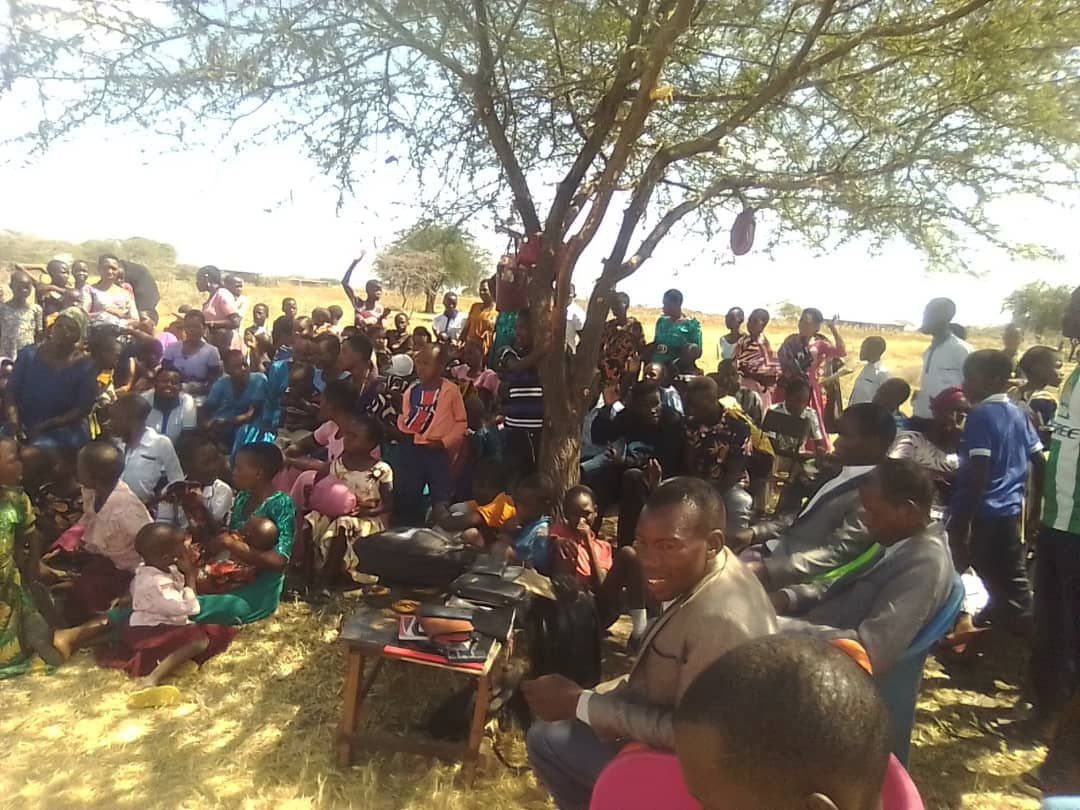
Medical missions refer to organized initiatives that bring healthcare professionals and volunteers to underserved or marginalized communities, both domestically and internationally. These missions aim to provide medical services, treatments, and preventive care to individuals who lack access to adequate healthcare. Medical missions often operate in areas with limited resources, such as remote regions, disaster-stricken areas, or economically disadvantaged communities. At Amigos Internacionales, we reach the most vulnerable communities with much need medical and surgical care through medical and surgical mission while sharing the word of God.
Amigos Internacionales
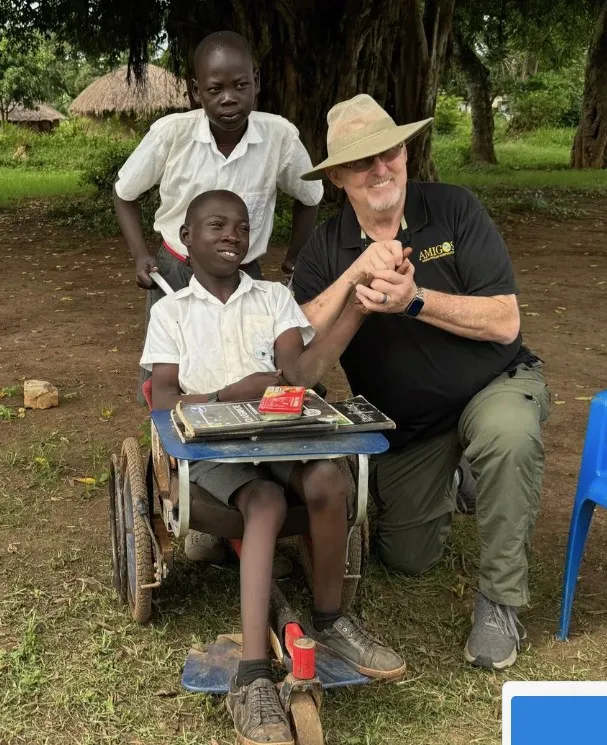
Amigos Internacionales is a non-profit organization dedicated to addressing critical needs in underserved communities worldwide. Through initiatives medical camps, educational programs, and infrastructure projects, they strive to foster sustainable development and holistic well-being. Founded in 1967, Amigos Internacionales, Inc. began with a vision to provide emergency services and disaster relief across the globe. Over the years, their mission has evolved, concentrating on impactful initiatives in Africa through their Mission point campaign. Today, they dedicate themselves to building communities by establishing churches, schools, and essential infrastructure like water wells, particularly in regions impacted by the South Sudan refugee crisis. Their commitment extends beyond immediate relief to fostering sustainable development, spiritual growth, and community resilience. Driven by partnerships and volunteerism, we strive to create a lasting difference in the lives of the underprivileged, transforming their futures through faith, education, and practical support.
Ministry through Medical Missions
A ministry of healing does not happen from a distance. To bring health, the physician must be physically present. Jesus is the ultimate model, showing that an embodied presence is necessary to bring healing and hope to others. Though Jesus is fully God, He is also fully human. He knows what pain and suffering is and can identify and sympathize with those who are hurting and bring comfort. Jesus shows us how effective ministry is to be done. He calls us to reach out to the vulnerable and the sick.
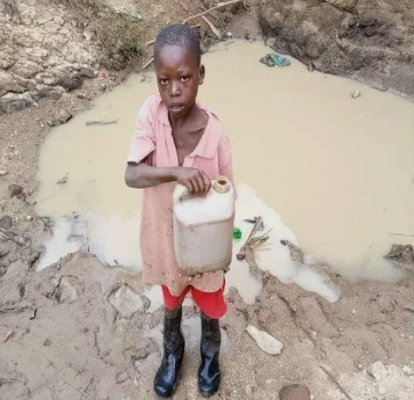
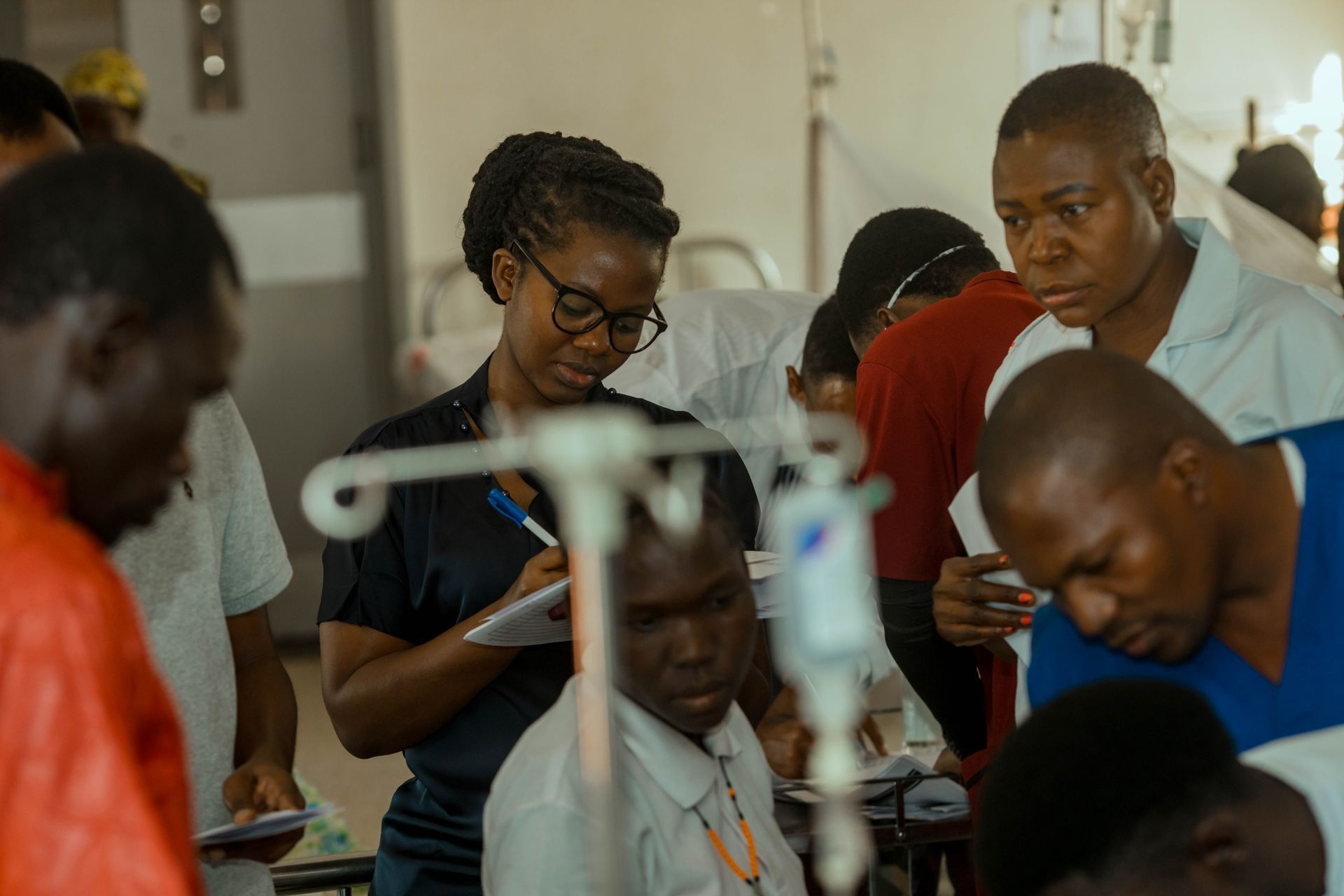
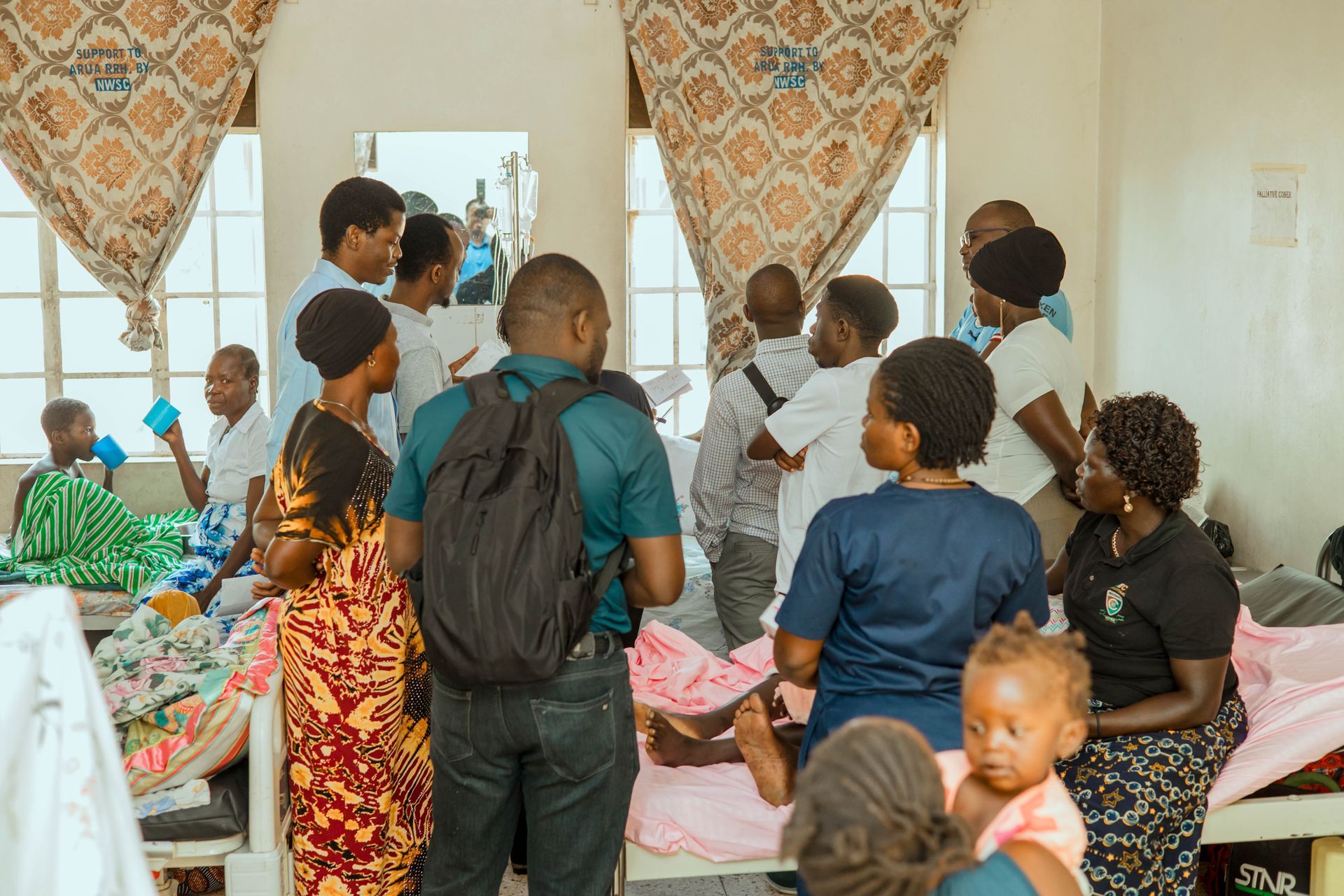
The burden of unmet health needs in Africa is immense and complex, characterized by a mix of high communicable disease rates and rapidly rising non-communicable diseases (NCDs), with approximately half of the population in some regions having at least one unmet health need for chronic conditions. This crisis is driven by significant financial barriers, a severe shortage of healthcare professionals, and weak infrastructure.
Health in Africa
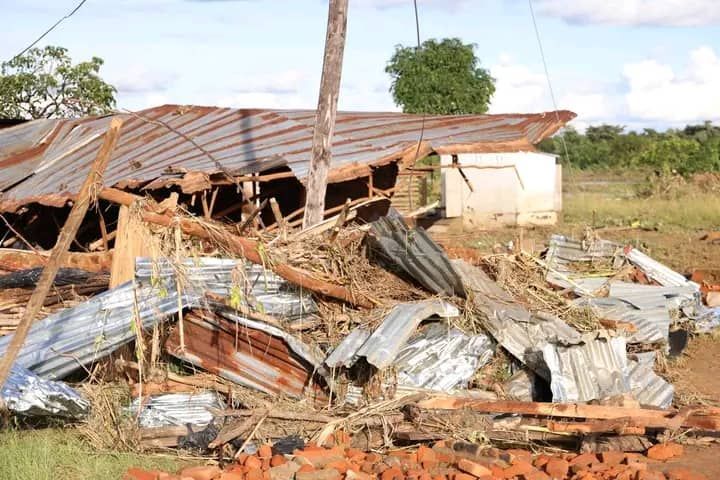
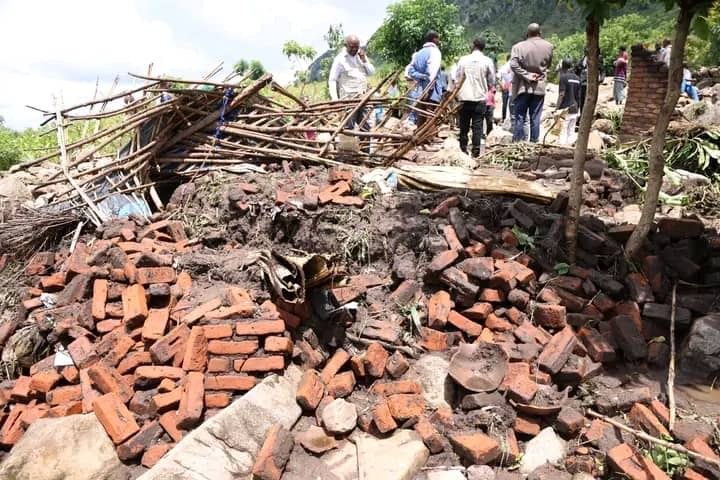
Compared with other regions of the world; Africa faces more serious health concerns, a heavy burden of diseases and more severely constrained resources for tackling these problems. This state of affairs has been exacerbated by recurring natural disasters, poor economic performance and military conflicts. Under these circumstances, it is not surprising that Africa’s health indicators are worse than those of other parts of the world with serious implications for African development. The chapter argues that despite the recognition of these important health challenges, an understanding of what must be done to improve the health and wellbeing of Africans remains a largely unfinished agenda in today’s development process. This chapter therefore examines the health and disease trajectories with a view to demonstrating and documenting their development implications. It also analyses the various initiatives (regional and global) adopted over time for improved health in Africa, as well as investigating the constraints for achieving health and development in Africa.
Impact of Medical Missions in Africa
Understanding the impact of medical missions on local communities is crucial for several reasons:
- Healthcare disparities continue to be a global challenge, with many individuals lacking access to essential medical services. Medical missions play a significant role in bridging this gap by bringing healthcare directly to those who need it most. Recognizing their impact allows us to appreciate the positive changes they bring to underserved communities.
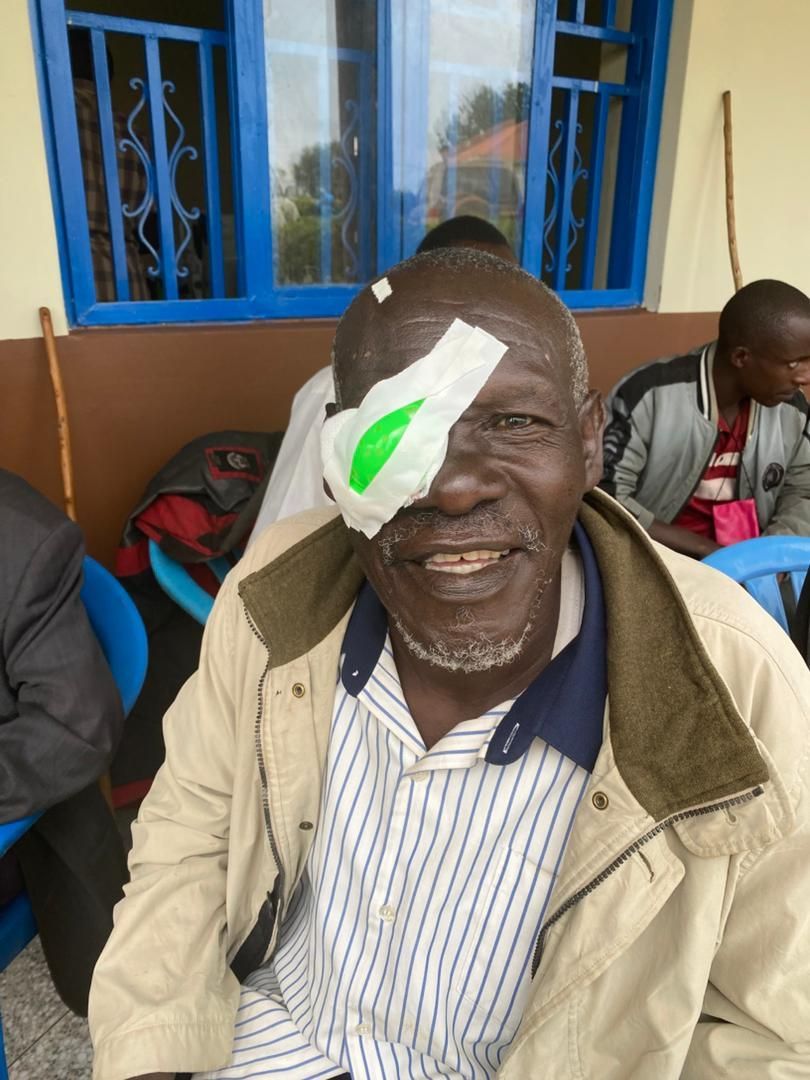
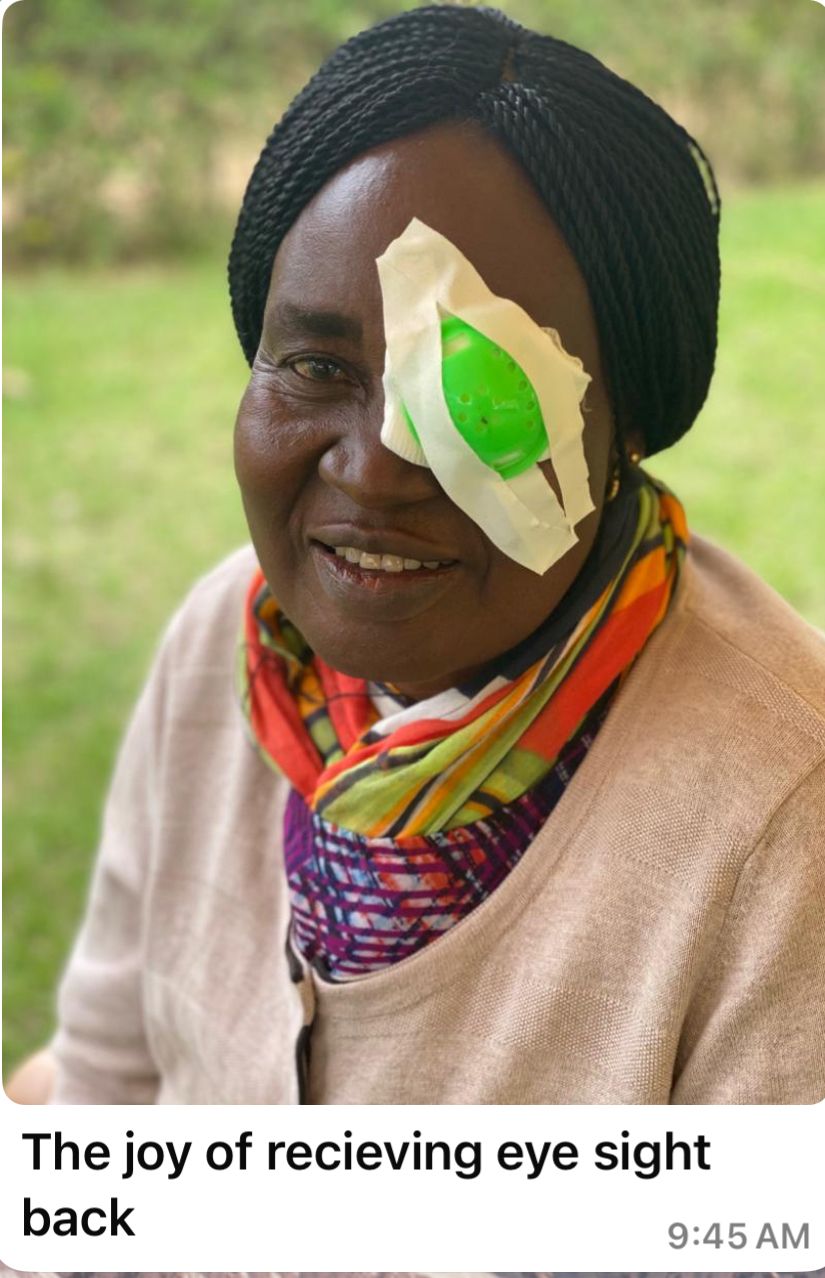
- Medical missions can have a transformative effect on the health and well-being of individuals within these communities. By providing medical interventions and treatments, these missions contribute to improved health outcomes, helping individuals regain their quality of life and productivity.
- Medical missions go beyond healthcare delivery and contribute to broader community development. They foster relationships between mission partners and local communities. By appreciating these relationships, we can acknowledge the power of medical missions to strengthen community bonds and build sustainable healthcare networks.
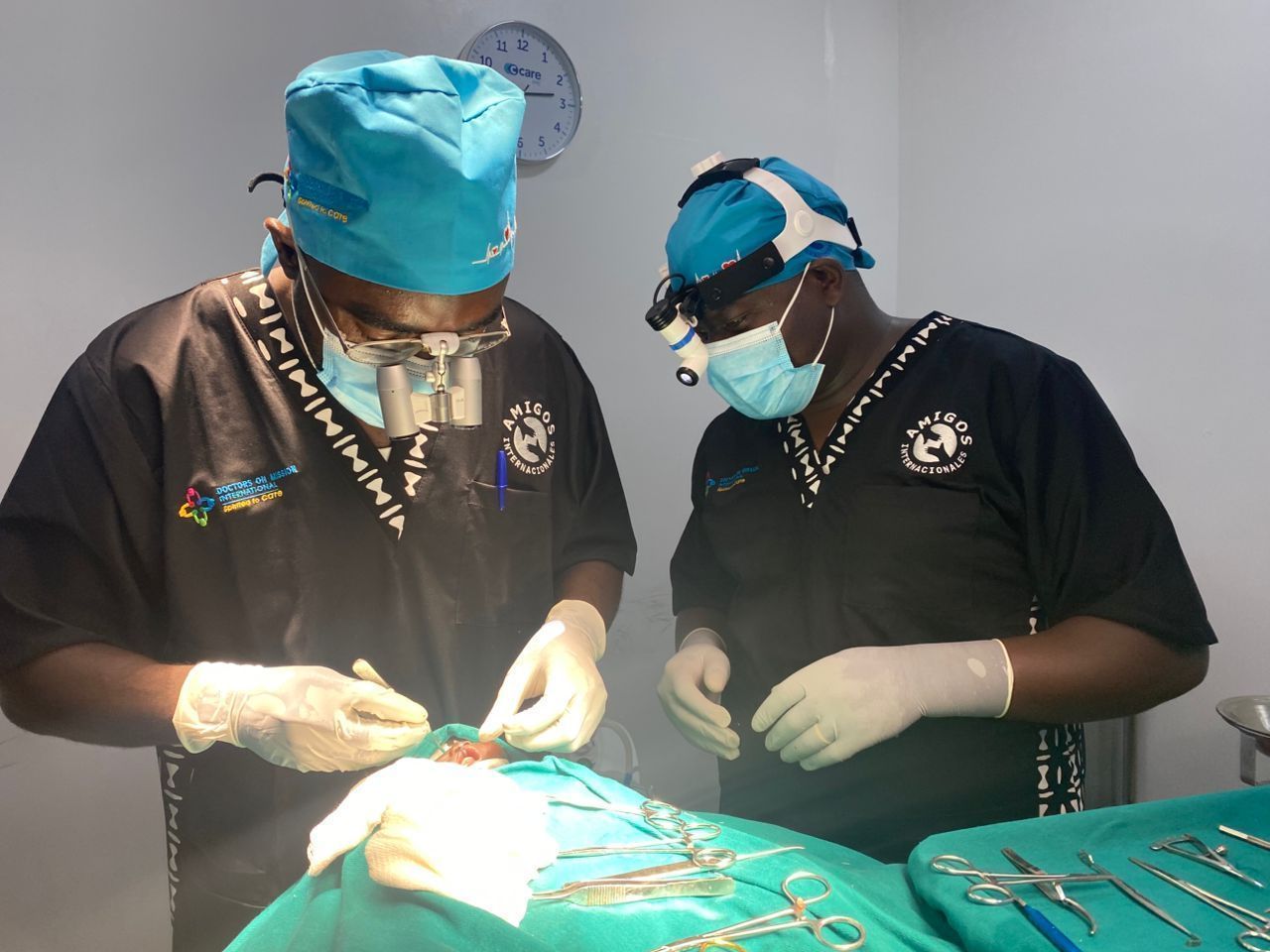
Medical missions play a vital role in improving health outcomes within local communities. By providing essential healthcare services and education, they address the immediate health needs of those who lack access to regular medical care. Medical missions offer diagnosis, treatment, and preventive care for a variety of conditions, which can improve the outcome overall health for each person in the community. These missions often focus on providing vaccinations, conducting health screenings, managing chronic conditions, and offering health education programs. Through these interventions, medical missions significantly contribute to reducing morbidity and mortality rates, enhancing the well-being of individuals, and fostering healthier communities.
Categories


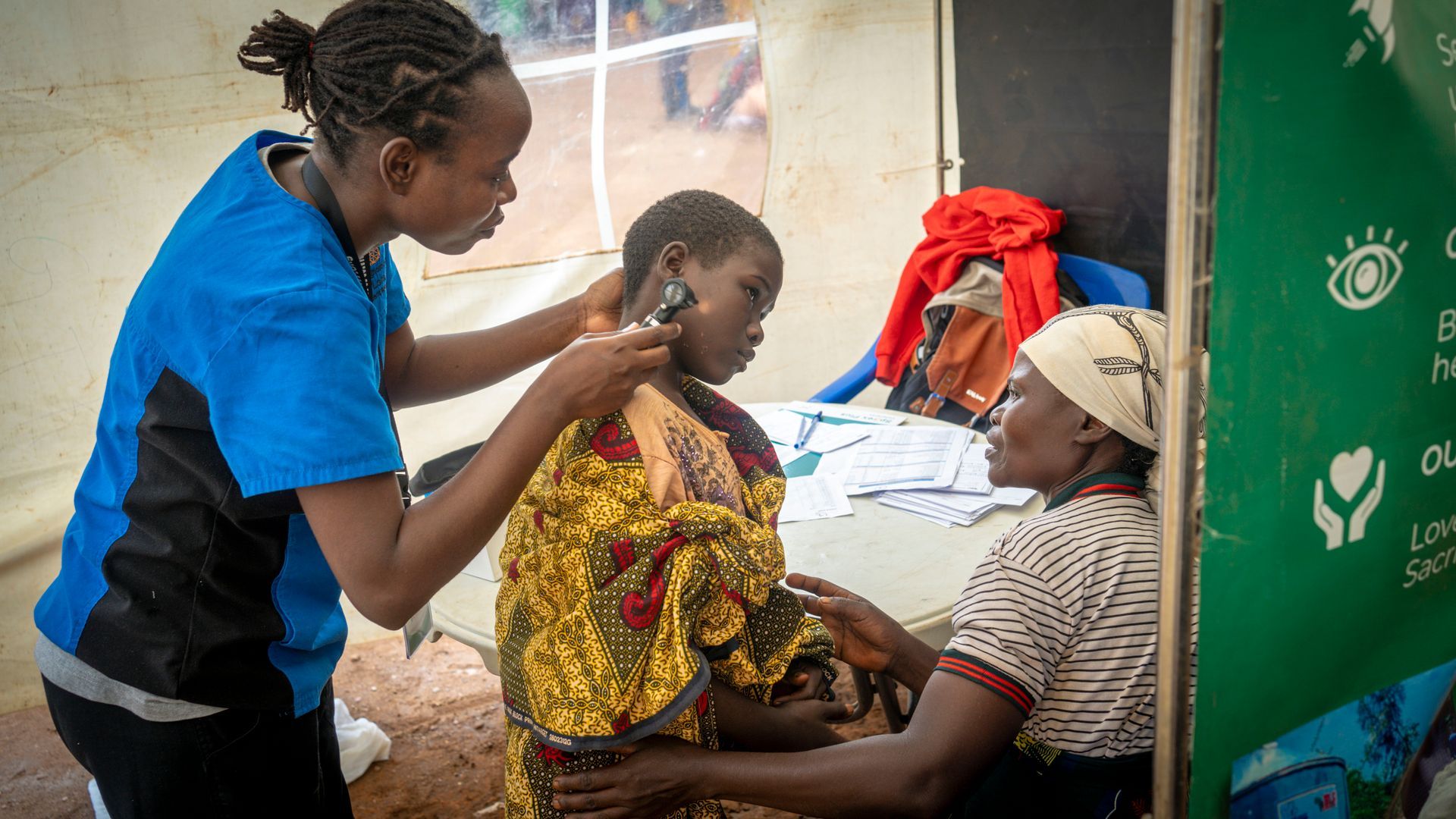
Free Medical Camps in Burundi: What Happens When a Doctor Walks Into Gisuru | Amigos Internacionales
Social Media
Free Medical Camps in Burundi: What Happens When a Doctor Walks Into Gisuru | Amigos Internacionales