He Sold Everything to Stay Alive: Zakaria’s Story of Suffering, Faith, and Hope

In a small rural village in Tanzania, a man sits quietly outside his home.
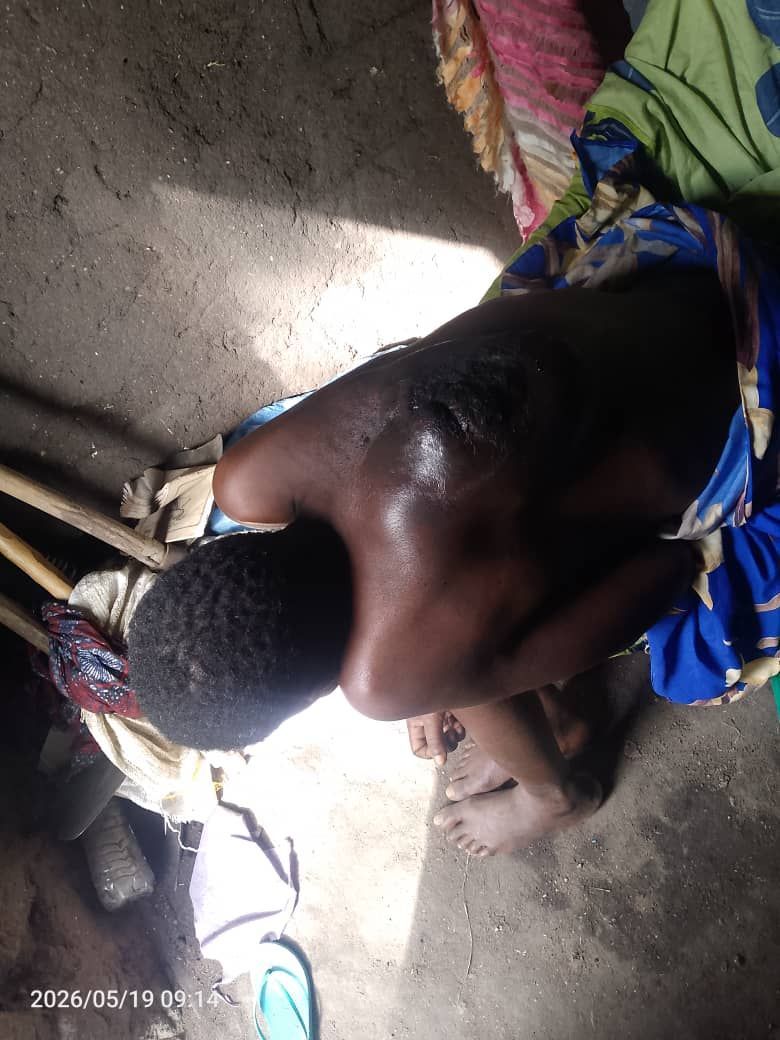
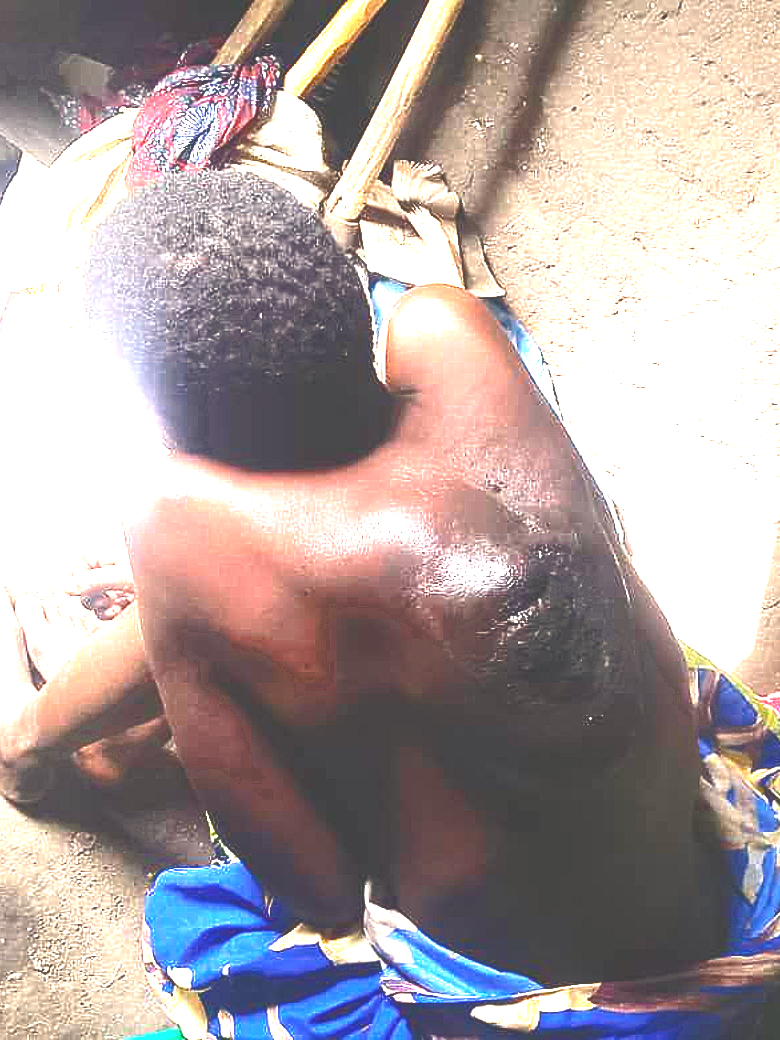
His body is thin. His shoulders are tired. And rising from his back is a painful tumor that has slowly stolen nearly everything from him.
His name is Zakaria.
For years, Zakaria worked as a boda boda driver, carrying passengers from village to village on his motorcycle. In East Africa, a boda boda is more than transportation. For many families, it is survival.
Every ride meant food. Every mile meant provision. Every long day on rough roads meant another opportunity to care for his wife and continue moving forward.
But suffering often enters quietly.
What began as a hitching pain in Zakaria’s back slowly became swelling. At first, it was manageable. Like many men trying to provide for their families, he pushed through the discomfort and kept working.
But the pain continued.
The swelling grew.
And over time, the tumor became impossible to ignore.
Today, Zakaria lives with constant pain and uncertainty. The disease has robbed him of strength, dignity, income, and peace. The motorcycle he once depended on has already been sold in a desperate attempt to find healing.
And yet, in the middle of suffering, something unexpected happened.
Hope arrived.
The Weight of Rural Poverty
In many parts of rural East Africa, illness becomes more than a medical problem.
It becomes an economic disaster.
Families living day to day often have no savings, no insurance, and no nearby hospitals equipped to handle complex medical cases. A growing illness can quickly force impossible decisions:
Do you spend the little money you have on food? Or transportation? Or medicine? Or testing?
Many families wait because they simply cannot afford help.
Others sell livestock. Others sell tools. Others sell land.
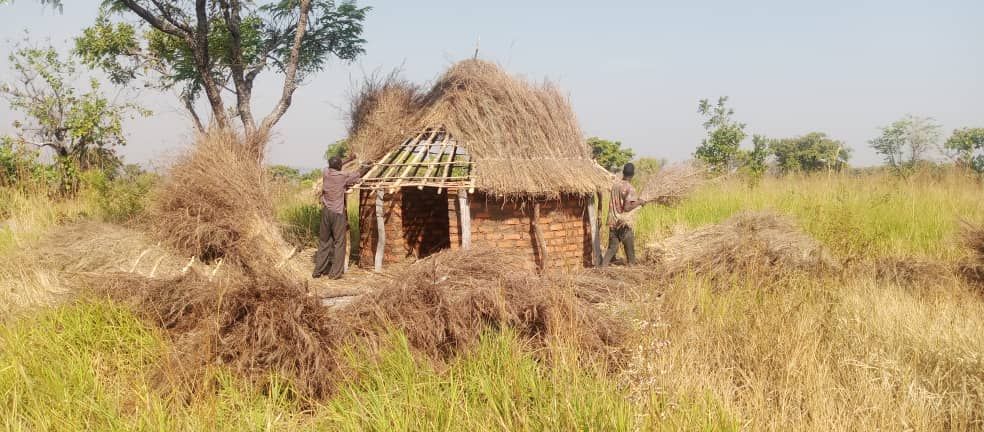
For Zakaria and his wife, the motorcycle became the sacrifice.
That motorcycle represented:
- transportation
- income
- independence
- daily survival
Selling it was not just financial loss.
It was the surrender of livelihood itself.
And still, the pain remained.
Searching for Healing
When suffering becomes severe and medical access is limited, many families in rural communities search everywhere for answers.
Zakaria and his wife traveled from place to place looking for someone who could help.
They visited doctors. They visited local healers. They visited witch doctors.
Every visit came with another cost. Another promise. Another disappointment.
The little they had slowly disappeared.
Yet the tumor continued growing.
Pain has a way of isolating people.
When illness stretches on for months or years, discouragement settles deeply into the heart. The body weakens. Fear grows. Relationships become strained. Hope begins to disappear.
For many people suffering in remote villages, there is no emergency room minutes away. No specialist nearby. No system ready to intervene quickly.
The distance between suffering and treatment can feel impossible.
And that is exactly where Zakaria found himself.
A Visit From Pastor Adam
As the tumor continued growing, Zakaria and his wife became desperate for answers.
Like many suffering families with limited medical access, they searched everywhere for someone who could help.
They visited doctors.
They visited local healers.
They visited witch doctors.
Each visit brought another promise.
Another cost.
Another disappointment.
The little money they had slowly disappeared.
The motorcycle was sold.
Possessions were sold.
And still, the pain remained.
Desperation has a way of making vulnerable people believe almost anything if there is even a small chance of relief.
But no ritual, promise, or payment stopped the suffering.
By the time Pastor Adam from Sayu Baptist Church visited Zakaria, much of what the family owned was already gone.
What they needed was not exploitation.
What they needed was compassion.
What they needed was hope.
And what they desperately needed was real medical care.
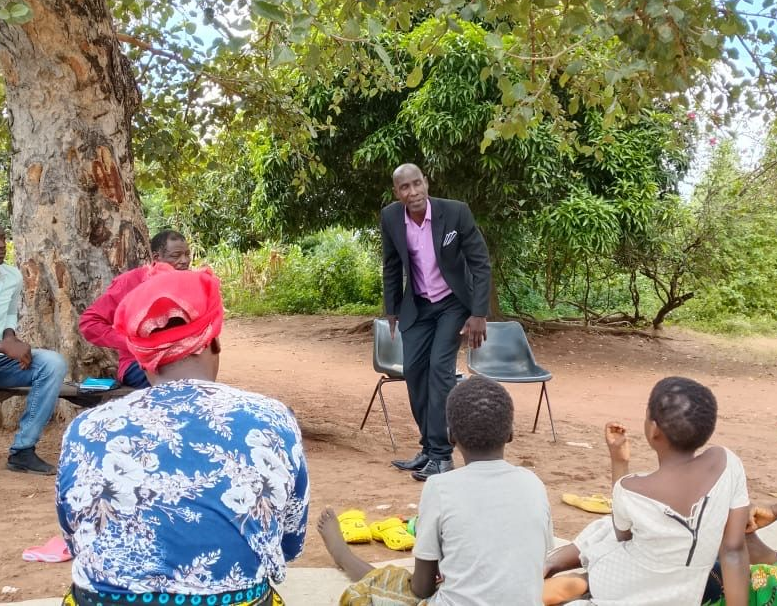
Then Pastor Adam from Sayu Baptist Church came to visit Zakaria.
He did not arrive with wealth. He did not arrive with expensive equipment. He did not arrive with empty promises.
He came with compassion.
He sat with Zakaria. He listened. He prayed. And he shared the Gospel of Jesus Christ.
Sometimes the most powerful moments in life happen quietly.
No crowds. No stage. No microphones.
Just one suffering man sitting outside his home hearing that God had not forgotten him.
In the middle of uncertainty and pain, Zakaria gave his life to Jesus Christ.
That moment did not instantly remove the tumor. The suffering did not disappear overnight.
But hope entered the story.
And hope changes people.
The Difference Between Exploitation and Compassion
One of the painful realities surrounding suffering is that vulnerable people are often exploited.
Throughout history, desperate people have spent everything searching for healing.
Fear makes people vulnerable. Pain makes people vulnerable. Desperation makes people vulnerable.
Zakaria and his wife had already exhausted nearly every option they knew.
The tragedy is not simply that they lost money.
The tragedy is that suffering often leaves people isolated and preyed upon when they are most vulnerable.
But true compassion looks different.
True compassion does not manipulate fear. True compassion does not promise magical solutions. True compassion walks beside people with honesty, dignity, and care.
At Amigos Internacionales, we believe Jesus Christ still changes lives.
We also believe compassionate medical care matters.
Faith and action were never meant to compete with one another.
Sometimes healing comes through miracles. Sometimes healing comes through medicine. Sometimes healing comes through skilled doctors and compassionate intervention.
And many times, healing comes through people willing to care.
Why Medical Access Matters
According to the World Health Organization, many rural communities across sub-Saharan Africa continue to face serious barriers to timely medical care, including transportation, specialist shortages, and limited surgical access. These challenges often turn treatable conditions into life-threatening situations.
For readers wanting to better understand healthcare access challenges in East Africa, resources from the World Health Organization and global health researchers continue to highlight the ongoing need for rural medical infrastructure and treatment access.
You can learn more here:
- https://www.who.int/health-topics/universal-health-coverage
- https://www.ncbi.nlm.nih.gov/pmc/articles/PMC7612724/
At Amigos Internacionales, these medical needs are one reason we continue developing Missionpoint initiatives that combine clean water, churches, education, and compassionate medical outreach throughout East Africa. Learn more about our medical initiatives here:
For many people in developed nations, medical access is often taken for granted.
Hospitals exist nearby. Ambulances respond. Testing is available. Medication can be purchased.
But in many rural areas across East Africa, a treatable condition can become life-threatening simply because care is too far away or too expensive.
Transportation alone becomes a major barrier.
Specialized treatment may require crossing regions or even national borders.
In Zakaria’s case, we are trying to raise funds to transport him to a hospital in Mbarara, Uganda, where he can receive evaluation, testing, and potential treatment.
The goal is simple:
Give Zakaria a real opportunity for compassionate medical care.
That includes:
- transportation
- hospital admission
- diagnostics
- scans and testing
- surgical consultation
- treatment
- medication
- recovery support
For many donors, $5,000 may sound modest compared to large institutional medical campaigns.
But for Zakaria and his family, it represents the difference between remaining trapped in suffering and finally receiving an opportunity for treatment.
The Human Side of Suffering
One of the dangers of fundraising is that people can unintentionally become projects instead of people.
But Zakaria is not simply a campaign.
He is a husband. A worker. A man created in the image of God.
Before the tumor… Before the pain… Before the desperation…
He had routines. Dreams. Responsibilities. Daily life.
Suffering changes how people move through the world.
When someone loses health, they often lose:
- independence
- income
- confidence
- normalcy
- peace
Simple daily tasks become difficult.
The emotional burden becomes heavy.
And eventually many people begin asking difficult questions:
Will things ever change? Will anyone help? Does anyone care?
This is why compassion matters so deeply.
Not only because people need treatment. But because people need dignity.
Why Stories Like Zakaria’s Matter
Stories like Zakaria’s force us to confront an uncomfortable truth:
The world is still deeply unequal when it comes to healthcare access.
A condition that might be evaluated quickly in one nation can become devastating somewhere else simply because resources are limited.
But stories like this also remind us of something hopeful.
Ordinary people still have the ability to intervene.
A donor giving online. A church sharing a story. A supporter praying. A pastor visiting someone in pain. A medical team willing to serve.
These small acts combine to create something powerful.
They create hope.
That is what Amigos Internacionales has tried to do for decades throughout East Africa.
Not simply provide temporary relief.
But bring:
- compassion
- clean water
- education
- medical care
- churches
- hope
into places where suffering is often ignored.
The Role of the Local Church
One of the most meaningful parts of Zakaria’s story is the involvement of the local church.
Sayu Baptist Church did not turn away from suffering.
Pastor Adam went directly to Zakaria.
That matters.
Healthy ministry is never only about buildings or programs.
It is about presence.
It is about showing up when someone is hurting.
Throughout Scripture, we repeatedly see Jesus moving toward suffering people.
He touched lepers. He healed the blind. He stopped for the forgotten. He saw people others overlooked.
That same compassion still matters today.
The church becomes most powerful when it enters broken places carrying both truth and mercy.
Zakaria’s story reminds us that evangelism and compassion are not enemies.
The Gospel speaks to both the soul and the suffering human condition.
A Chance to Respond
Right now, Zakaria is waiting.
Waiting for transportation. Waiting for treatment. Waiting for the possibility of relief.
And this is where people around the world have an opportunity to respond.
Some may pray. Some may give. Some may share the story.
But every action matters.
One of the remarkable realities of modern technology is that someone sitting thousands of miles away can help change the outcome of another person’s life.
A simple gift can help cover:
- transportation costs
- testing
- surgery
- medication
- recovery care
And perhaps most importantly, it reminds a suffering family that they are not alone.
We Brought the Living Water of Christ
One phrase has deeply shaped this entire story:
“We brought Zakaria the Living Water of Christ. Now we are praying we can help bring healing to his body as well.”
That sentence captures something important.
Christian compassion has always involved both proclamation and care.
Jesus preached. Jesus healed. Jesus fed. Jesus restored.
The Gospel transforms lives eternally.
But compassion also responds to immediate suffering.
That balance matters.
Because people are not merely souls.
They are human beings carrying pain, fear, physical needs, and emotional burdens.
To care for someone holistically is deeply biblical.
Why We Still Believe in Hope
There are many reasons someone could look at a story like Zakaria’s and feel discouraged.
The suffering is real. The poverty is real. The need is overwhelming.
But hopelessness has never changed the world.
Hope does.
Hope is what moved Pastor Adam to visit Zakaria. Hope is what moves people to pray. Hope is what moves donors to help. Hope is what drives medical teams to serve.
And hope is what allows suffering people to believe tomorrow could still be different.
That does not mean every story ends perfectly.
But it does mean compassion still matters.
It means people still matter.
And it means one act of kindness can still alter the course of another person’s life.
How You Can Help
Stories like Zakaria’s are not isolated situations. Across East Africa, many families continue to struggle with limited medical access, delayed treatment, and overwhelming transportation barriers.
That is why Amigos Internacionales continues working to build long-term compassionate outreach through:
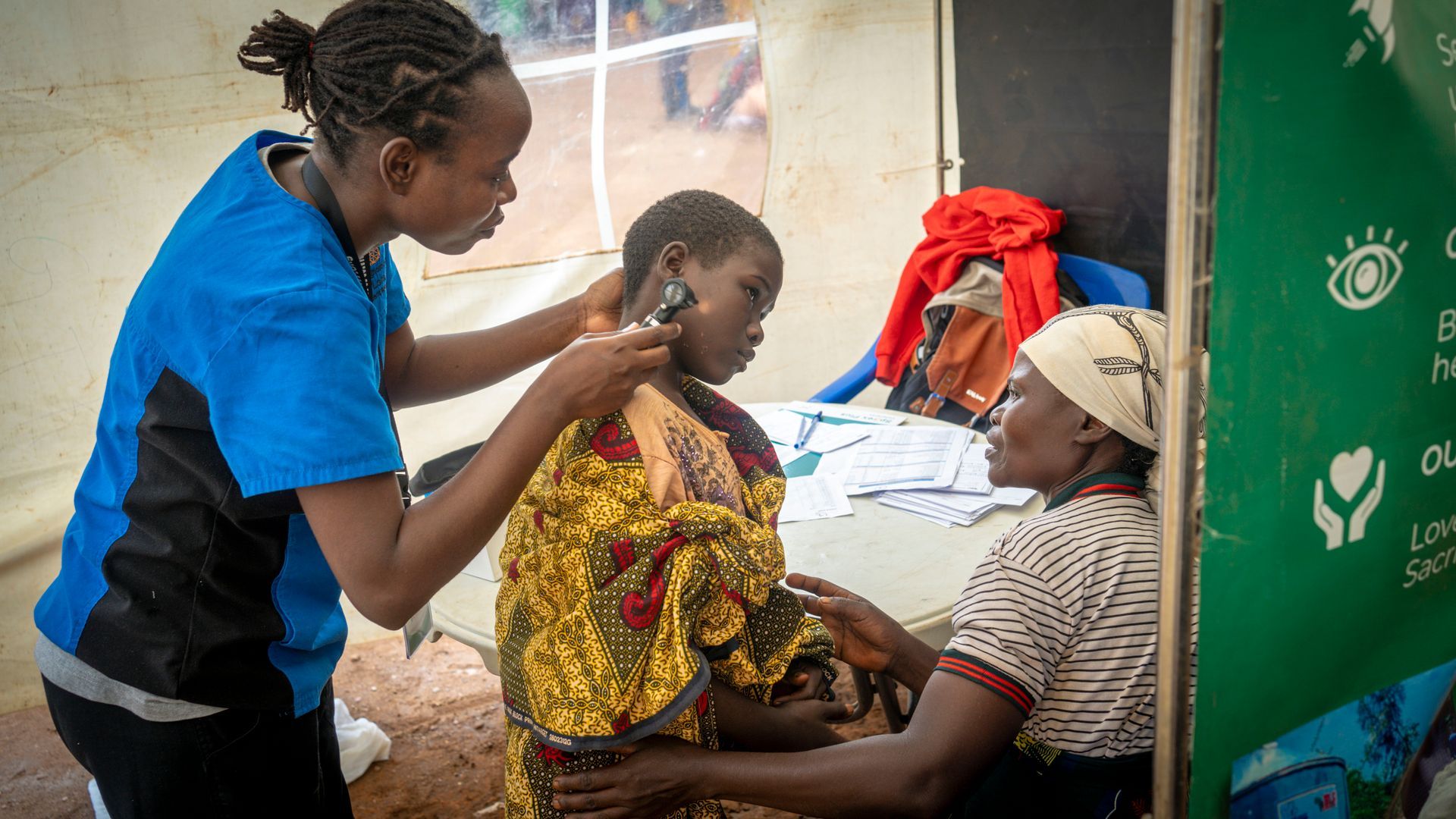
- medical camps
- clean water initiatives
- local church partnerships
- education programs
- Missionpoint village development
You can explore more stories and ongoing outreach efforts here:
Today, we are trying to raise $5,000 to help transport Zakaria to Mbarara, Uganda for medical evaluation and treatment.
Your support can help provide:
- transportation
- hospital admission
- scans and diagnostics
- treatment and surgery
- medication and recovery care
Most importantly, your support reminds a suffering family that they are not forgotten.
Zakaria’s story is still being written.
And right now, there is an opportunity for people around the world to become part of that story.
Not through empty promises. Not through exploitation. Not through emotional manipulation.
But through simple, compassionate action.
A man in pain is waiting for help.
And together, we can help carry him toward hope.
Final Thoughts
When you look at the image of Zakaria sitting quietly outside his village home, it is impossible not to feel the weight of suffering.
But perhaps the most powerful part of this story is not the tumor.
It is the reminder that even in places of pain, God still sees people.
A pastor cared enough to visit. A church cared enough to pray. Supporters cared enough to respond.
And somewhere in a rural village in Tanzania, a man who once felt forgotten now knows he is seen.
That matters.
Sometimes compassion begins with grand gestures.
But more often, it begins with small acts of faithfulness:
- showing up
- listening
- praying
- giving
- helping
Zakaria’s story reminds us that the world still changes one life at a time.
And perhaps that is exactly how healing often begins.
Categories

Free Medical Camps in Burundi: What Happens When a Doctor Walks Into Gisuru | Amigos Internacionales
Social Media
Free Medical Camps in Burundi: What Happens When a Doctor Walks Into Gisuru | Amigos Internacionales