Ebola Response in Eastern Congo: Understanding the Outbreak, Symptoms, Treatment & Medical Response
Estimated reading time:
18 minutes
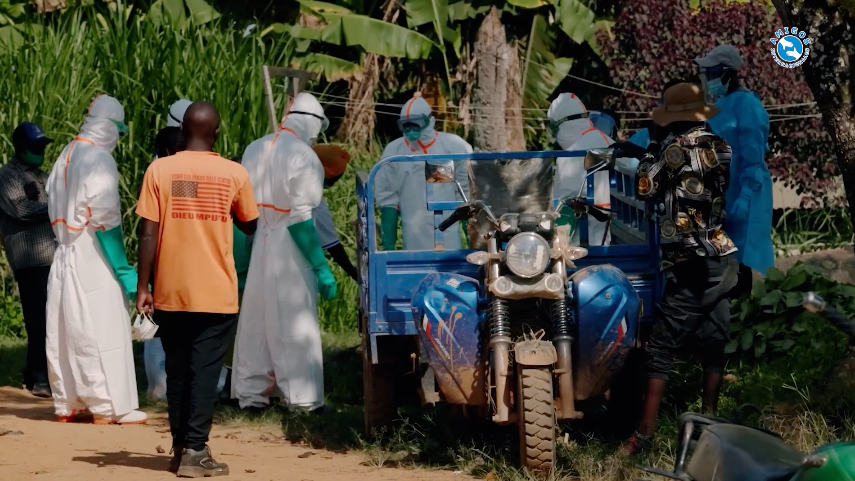
When news of an Ebola outbreak appears in the headlines, most people see only a frightening disease and an unfamiliar place on the map. Images of healthcare workers in protective suits and reports of isolated villages can make the crisis seem distant and overwhelming.
In this guide
- What is Ebola?
- Symptoms
- Transmission
- Diagnosis
- Treatment
- The Bundibugyo Strain
- Why Eastern Congo?
- How Amigos Responds
- Meet Dr. Paul
- Frequently Asked Questions
- How You Can Help
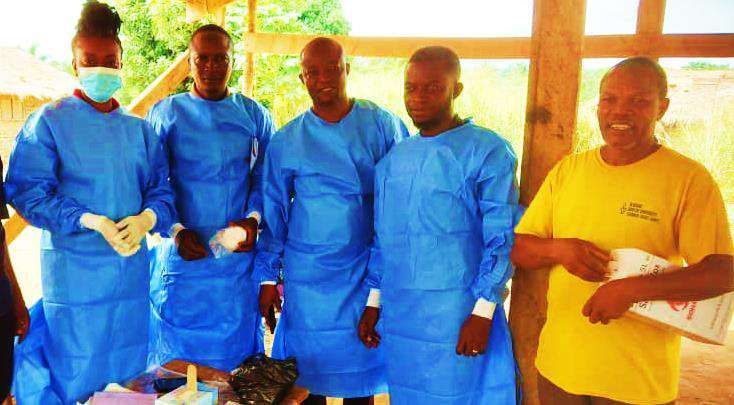
Editorial note: This article combines guidance from established public health authorities with firsthand observations and operational experience from Amigos Internacionales and Doctors on Mission International's ongoing response in East Africa. Medical information should not replace advice from your healthcare provider or local public health authorities.
For the medical teams serving in eastern Democratic Republic of the Congo (DRC), however, Ebola is far more than a headline. It is a race against time. Every hour matters. Every suspected case must be investigated. Every exposed family must be identified. Every healthcare worker must be protected. Every village must receive accurate information before fear and misinformation spread faster than the virus itself.
That is why the current Ebola outbreak demands more than emergency treatment alone. Successful response requires coordinated surveillance, rapid diagnosis, isolation of infected patients, community education, contact tracing, logistical support, and the trust of local communities. Without all of these working together, outbreaks can grow quickly in regions where healthcare infrastructure is already under tremendous strain.
Amigos Internacionales has partnered with Doctors on Mission International and trusted local organizations to support frontline medical teams responding to this crisis. Rather than arriving only after disaster strikes, these partnerships have been built through years of serving communities across East Africa. That long-term presence provides relationships, local knowledge, and operational capacity that become invaluable during public health emergencies.
This guide explains what Ebola is, how it spreads, why eastern Congo continues to experience outbreaks, and how coordinated medical response efforts help protect vulnerable communities. It also provides insight into the work taking place on the ground through the partnerships supporting the current response.
Whether you are seeking reliable medical information, looking to understand why outbreaks continue to occur, or considering how you can support frontline healthcare workers, this guide is designed to provide accurate, evidence-based information alongside firsthand perspectives from those serving in affected communities.
What Is Ebola?
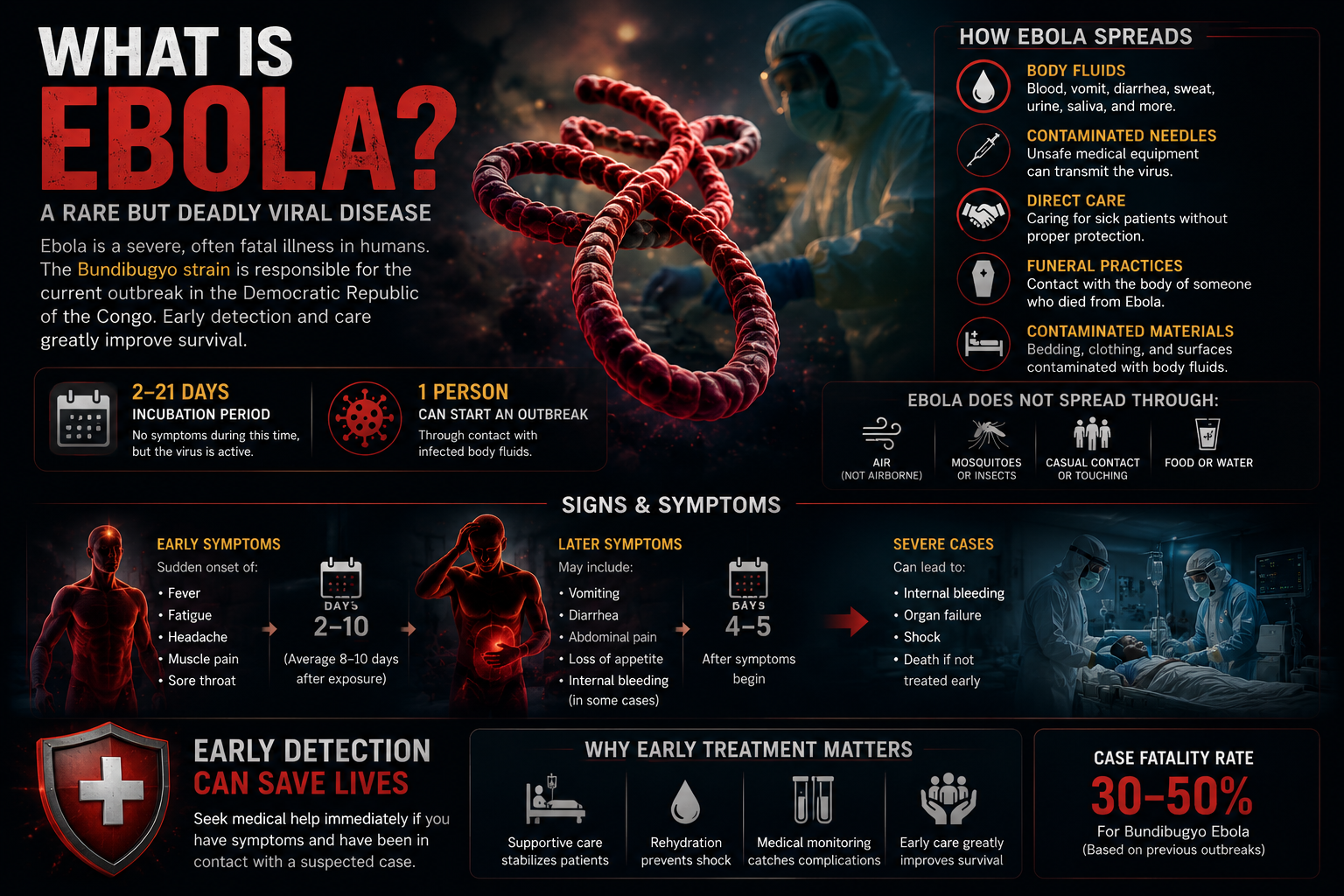
Ebola virus disease (EVD) is a severe viral illness caused by viruses in the Orthoebolavirus group. Since its discovery in 1976 near the Ebola River in what is now the Democratic Republic of the Congo, the disease has caused periodic outbreaks across Central and East Africa. While some outbreaks have remained relatively small, others have affected thousands of people and required extensive international response efforts.
Ebola is considered a viral hemorrhagic fever, meaning it can damage blood vessels and multiple organ systems. However, one of the most common misconceptions is that every patient experiences severe bleeding. In reality, many people first develop symptoms that resemble influenza or malaria, including fever, fatigue, headache, muscle aches, and sore throat. Gastrointestinal symptoms such as vomiting and diarrhea often follow, while bleeding occurs only in a subset of patients, particularly in more severe cases.
The virus spreads through direct contact with the blood or other body fluids of an infected person after symptoms begin or through contaminated materials such as bedding, clothing, or medical equipment. It does not spread through the air like influenza or COVID-19, and there is no evidence that mosquitoes transmit Ebola. These distinctions are critical because misinformation can create unnecessary fear while distracting from the precautions that truly prevent transmission.
The incubation period—the time between exposure and the appearance of symptoms—typically ranges from 2 to 21 days. During this period, individuals do not spread the virus because they have not yet developed symptoms. Once illness begins, however, prompt isolation and supportive medical care become essential for protecting both the patient and those around them.
Although Ebola remains one of the world's most serious infectious diseases, modern public health practices have dramatically improved the ability to detect outbreaks earlier, trace contacts, strengthen infection prevention measures, and provide supportive care that significantly improves survival.
The Bundibugyo Ebola Virus: Understanding This Outbreak
When most people hear the word Ebola, they assume every outbreak is the same. In reality, Ebola virus disease can be caused by several different species of the virus, each with its own characteristics, history, and public health challenges.
The current outbreak affecting eastern Democratic Republic of the Congo (DRC) involves the Bundibugyo ebolavirus, often abbreviated as BDBV. Although it is less well known than the Zaire strain responsible for the devastating West African epidemic of 2014–2016, Bundibugyo Ebola remains a serious and potentially fatal disease that demands rapid public health intervention.
Bundibugyo ebolavirus was first identified in 2007 during an outbreak in the Bundibugyo District of western Uganda. Since then, only a small number of outbreaks have been documented, making it one of the rarer Ebola viruses affecting humans. Because these outbreaks have been relatively infrequent, far less scientific research has been conducted compared to the Zaire strain. This has created additional challenges for healthcare providers responding to today's outbreak.
Unlike seasonal illnesses, Ebola outbreaks do not occur because the virus suddenly appears in human populations. Scientists believe the virus normally circulates among wildlife, particularly fruit bats, which are considered the most likely natural reservoir. Occasionally the virus crosses from animals to humans, after which it spreads through direct contact with infected people and contaminated body fluids. Once human-to-human transmission begins, rapid public health action becomes essential to stop additional infections.
One of the reasons the current outbreak has drawn international attention is that there are no broadly licensed vaccines specifically approved for Bundibugyo ebolavirus comparable to those available for the Zaire species. Researchers are actively evaluating promising vaccine candidates and treatments, but public health officials continue to rely primarily on the fundamentals of outbreak control:
- Early detection of suspected cases
- Laboratory confirmation
- Isolation and supportive medical care
- Contact tracing
- Community education
- Infection prevention and control
These measures have proven repeatedly to be the most effective tools for interrupting chains of transmission.
Why This Matters
The distinction between Ebola virus species is more than a scientific detail.
It directly affects how healthcare workers prepare for an outbreak.
Medical teams must understand:
- which laboratory tests to perform,
- which vaccines or treatments may be available,
- what clinical guidance should be followed,
- and how surveillance systems should be organized.
Every outbreak begins with uncertainty. During the first days, healthcare workers must determine whether they are dealing with malaria, typhoid fever, cholera, COVID-19, or one of several viral hemorrhagic fevers. Accurate laboratory diagnosis is therefore one of the most important steps in protecting both patients and surrounding communities.
For frontline teams serving in eastern Congo, every suspected case represents a race against time. The sooner a patient is identified, isolated, and treated, the greater the opportunity to save lives and prevent additional infections.
Frontline Perspective
"In an Ebola outbreak, every hour matters. Finding one suspected case early may prevent dozens of additional infections. That is why surveillance, community trust, and rapid reporting are just as important as medical treatment itself."
How the Current Outbreak Is Different
The current outbreak presents several challenges that make response efforts especially difficult.
Unlike outbreaks occurring in more stable environments, eastern Democratic Republic of the Congo faces overlapping humanitarian crises that complicate nearly every aspect of disease control.
Healthcare teams must operate in areas affected by:
- Armed conflict and insecurity
- Large population movements
- Refugee and cross-border migration
- Remote communities with limited road access
- Under-resourced health facilities
- High levels of misinformation and fear
These factors make surveillance, contact tracing, and community engagement considerably more difficult than they would be in areas with stable infrastructure.
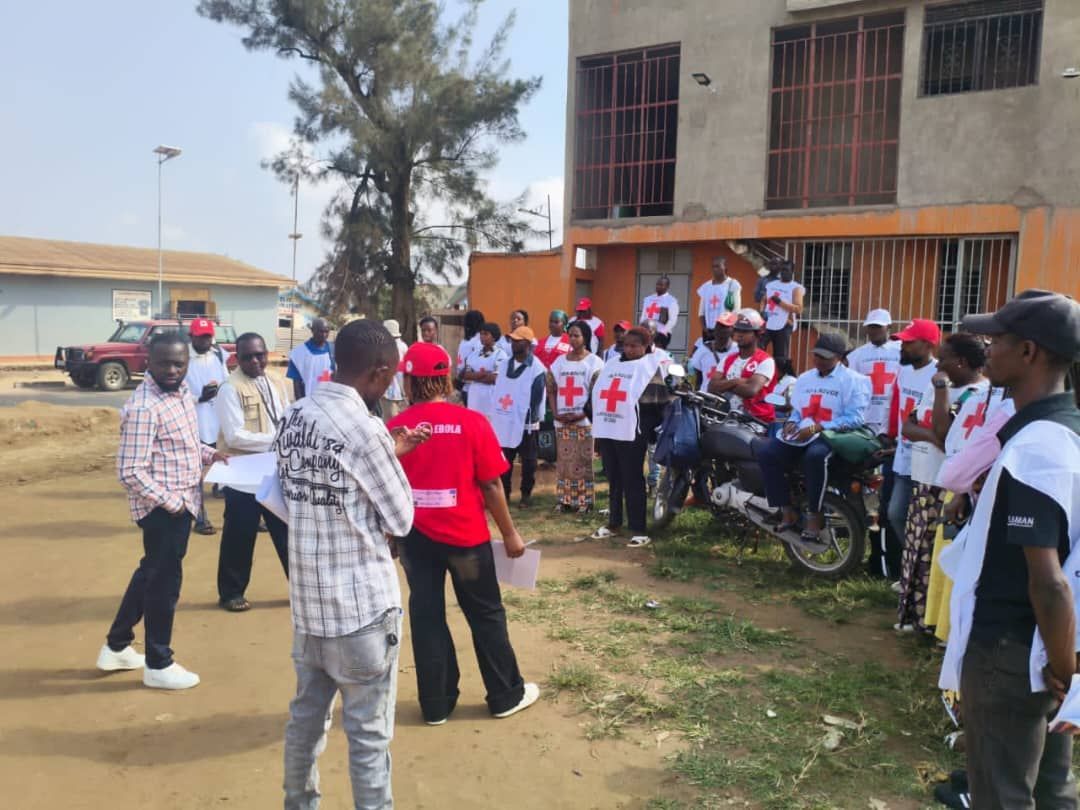
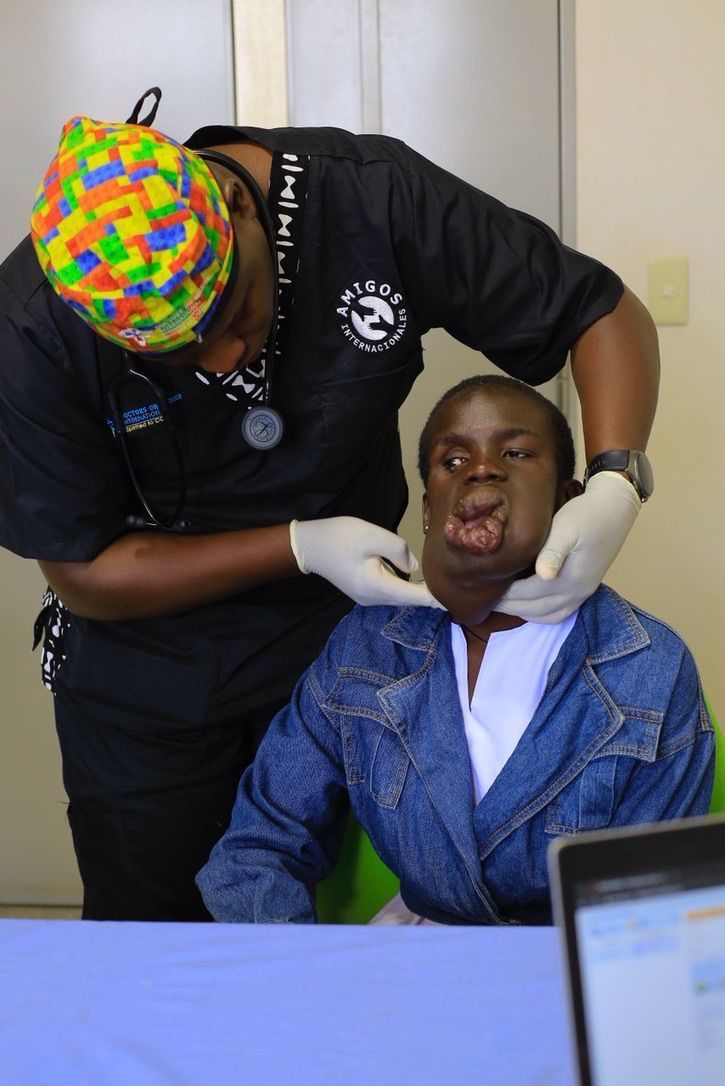
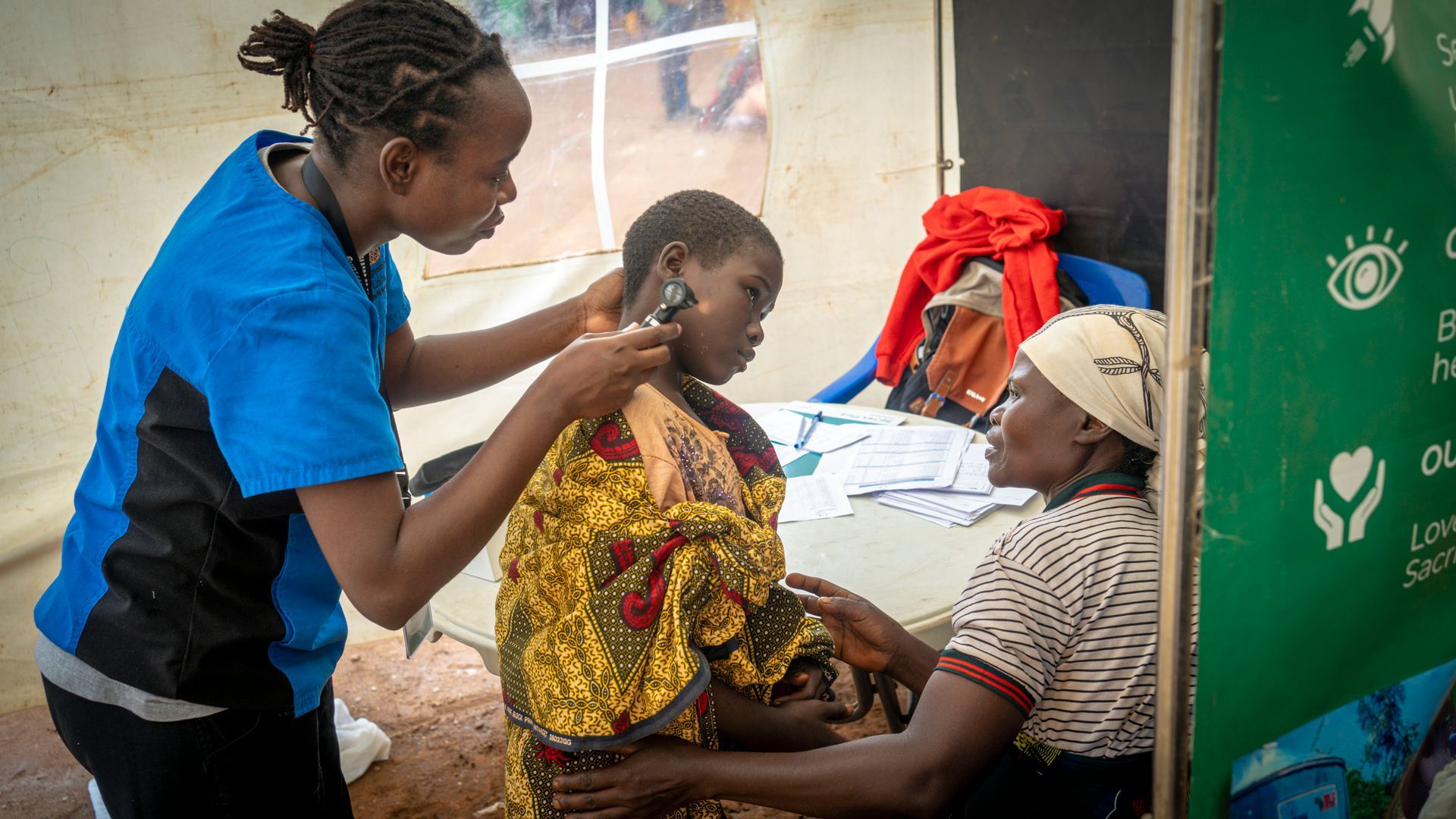
For organizations such as Amigos Internacionales and Doctors on Mission International, responding to Ebola therefore requires far more than treating patients. It means supporting local healthcare workers, strengthening surveillance systems, providing protective equipment, training frontline staff, and building trust within communities before fear can undermine the response.
WHY EASTERN CONGO CONTINUES TO EXPERIENCE EBOLA OUTBREAKS
When an Ebola outbreak makes international headlines, many people assume the virus is spreading because healthcare workers have not acted quickly enough.
The reality is far more complicated.
In eastern Democratic Republic of the Congo, an outbreak often begins in a small, remote village where the first patient may develop symptoms that look almost identical to malaria, typhoid fever, or pneumonia. By the time healthcare workers recognize that Ebola may be involved, family members have already cared for the patient, neighbors have visited the home, and others may have traveled to nearby communities.
Stopping Ebola is not simply about treating one sick person. It is about finding the first case before the virus finds the next one.
Geography Works Against Healthcare
Eastern Congo is one of the most beautiful regions in Africa, but it is also one of the most difficult places in the world to deliver healthcare.
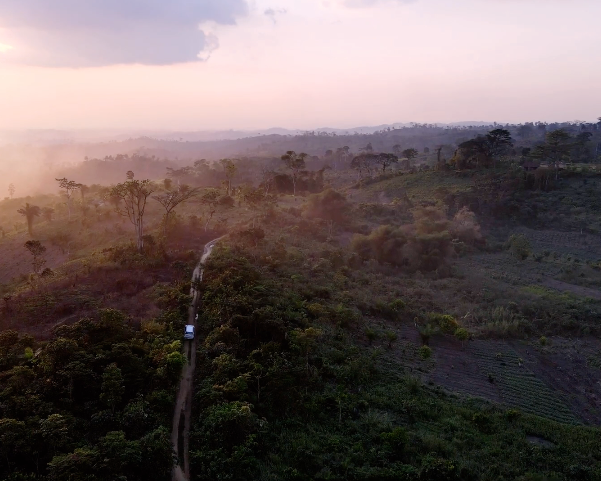
Dense tropical forests, mountain ranges, seasonal flooding, and rough roads separate thousands of villages from hospitals and laboratories. Some communities can only be reached after hours of travel by motorcycle or four-wheel-drive vehicle. During the rainy season, roads may become completely impassable.
For an Ebola response team, every additional hour matters.
A laboratory sample delayed by weather or poor roads means a diagnosis is delayed. A delayed diagnosis means more opportunities for the virus to spread through families and communities before protective measures can begin.
Conflict Creates Additional Challenges
Eastern Congo has experienced decades of armed conflict and population displacement.
Families often move unexpectedly in search of safety. Entire communities may relocate across district or international borders. Healthcare facilities sometimes become difficult to reach, and response teams must continually adjust their operations to changing security conditions.
These challenges do not stop an outbreak response—but they make every part of the work more difficult.
Medical supplies take longer to arrive.
Healthcare workers face greater risks.
Contact tracing becomes more complicated.
Public health officials must often begin investigations again as people move from one community to another.
Diseases That Look Alike
One of the greatest clinical challenges is that Ebola does not begin with unique symptoms.
A patient with fever, headache, fatigue, muscle pain, or vomiting may actually have malaria, typhoid fever, meningitis, or another common tropical illness.
Because these diseases share many of the same early symptoms, laboratory testing becomes essential. Healthcare workers cannot rely on symptoms alone. Rapid diagnosis allows patients to receive appropriate care while helping prevent unnecessary exposure for family members, healthcare workers, and neighboring communities.
Trust Is One of the Most Powerful Medicines
Successful Ebola response depends on far more than medicine.
It depends on trust.
Families must feel safe reporting illness.
Village leaders must encourage cooperation.
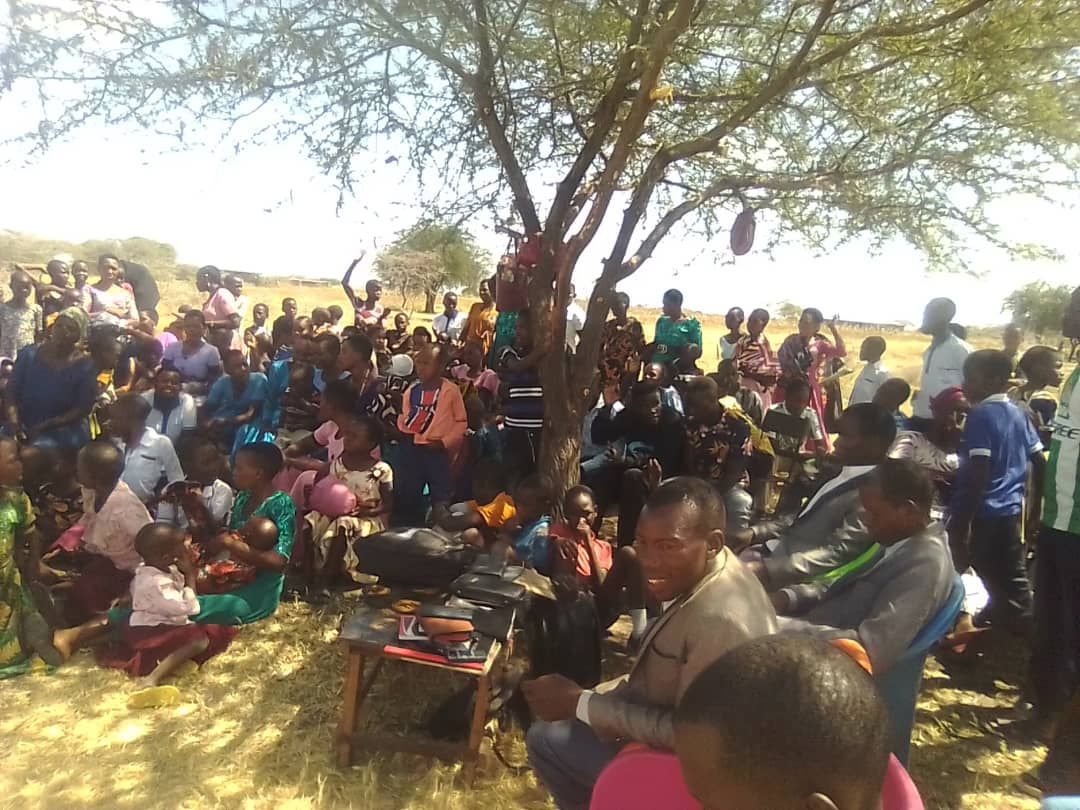
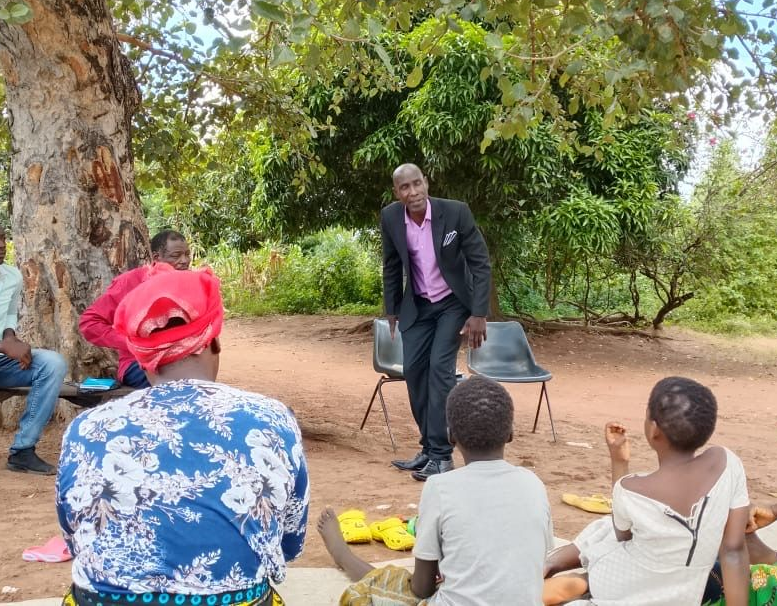
Churches, teachers, and community health workers become trusted voices who help replace fear with accurate information.
When communities trust the people responding to an outbreak, suspected cases are reported earlier, contact tracing becomes more effective, and lives are saved.
Why Amigos Is Already There
One of the greatest strengths of the current response is that our medical teams were not arriving in eastern Congo for the first time.
For decades, Amigos Internacionales and Doctors on Mission International have worked alongside local healthcare professionals, churches, educators, and community leaders throughout East Africa.
Those relationships cannot be created during an emergency.
They are built through years of serving communities, training healthcare workers, strengthening local health systems, and earning trust one village at a time.
When the current Ebola outbreak began, our partners did not have to introduce themselves.
They went to work.
Eastern Congo has experienced decades of armed conflict involving numerous militia groups. Entire communities are sometimes displaced with little warning, forcing families to move repeatedly in search of safety. These population movements make disease surveillance significantly more difficult.
When people leave their homes, healthcare records are often lost, vaccination histories become unavailable, and patients who may have been exposed to Ebola become difficult to locate.
For public health officials, contact tracing becomes one of the greatest challenges.
A single confirmed Ebola patient may have interacted with dozens
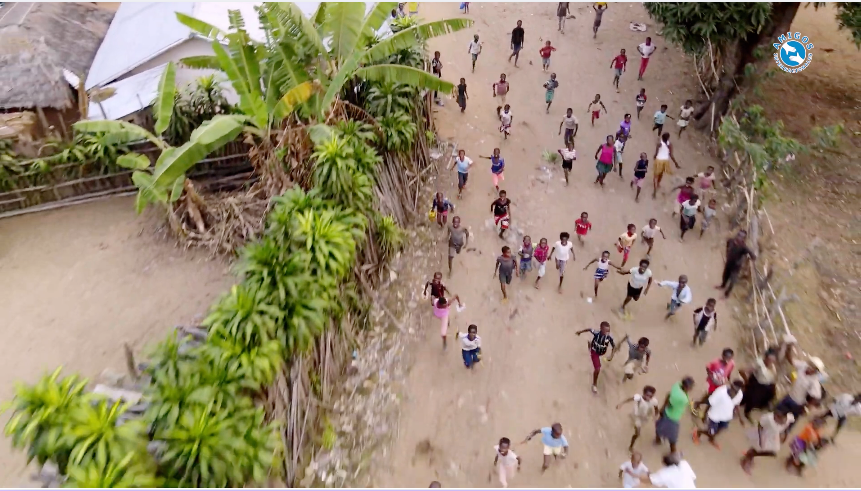
of family members, neighbors, healthcare workers, market vendors, church members, or travelers before becoming ill. Every one of those contacts must be identified, monitored, and, if symptoms develop, isolated quickly.
In regions affected by insecurity, simply reaching those contacts may require traveling through remote villages, crossing rivers, or working alongside local community leaders who understand the area.
This is one reason why outbreaks that might be contained quickly elsewhere can require far greater effort in eastern Congo.
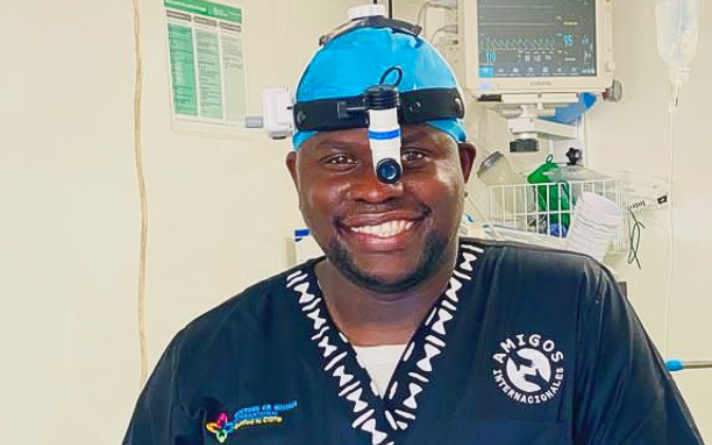
Local Trust Saves Lives
One of the greatest lessons learned from previous Ebola outbreaks is that medicine alone is not enough.
Communities must trust the people responding.
Fear, rumors, and misinformation can spread faster than the virus itself. Some families may hide sick relatives because they fear isolation. Others may avoid healthcare facilities entirely if they do not understand how Ebola spreads.
Successful Ebola response depends on trusted local healthcare workers who already know the language, customs, and community leaders. That is why organizations like Amigos Internacionales and Doctors on Mission International invest in long-term relationships—not simply emergency deployments.
Our medical teams have served throughout East Africa for years. They have trained healthcare workers, operated medical clinics, partnered with ministries of health, and worked alongside local churches long before the current outbreak.
Those relationships become invaluable during a public health emergency because communities are more willing to cooperate with healthcare workers they already know and trust.
Trust saves lives.
Why Local Medical Teams Matter
Many international disaster responses require outside teams to travel thousands of miles before operations can begin.
Ebola does not wait.
By the time outside personnel arrive, an outbreak may already have expanded dramatically.
That is why locally based medical teams provide such an important advantage.
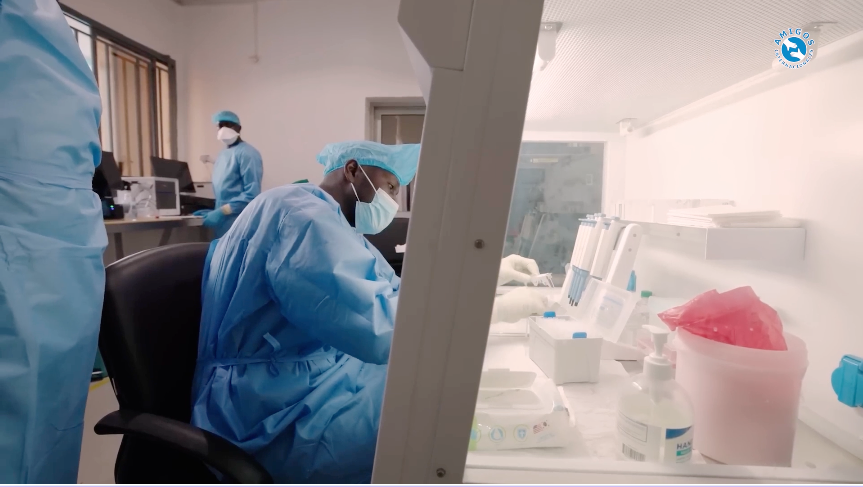
Doctors on Mission International already has physicians, nurses, laboratory personnel, and community healthcare workers serving in East Africa. Those teams understand local healthcare systems, speak regional languages, and can begin responding immediately while additional resources are mobilized.
Instead of building a response from the ground up, they are strengthening an existing healthcare network already serving vulnerable communities.
This approach allows assistance to reach patients faster while improving long-term healthcare capacity after the outbreak ends.
WHY AMIGOS INTERNACIONALES IS DIFFERENT
When a major disease outbreak captures international attention, many organizations mobilize to help. Temporary treatment centers are established, emergency personnel arrive, and life-saving work begins.
Those efforts are essential.
But one of the greatest lessons learned from previous Ebola outbreaks is that emergency response is most effective when it strengthens healthcare systems that already exist.
That is the model Amigos Internacionales has followed for nearly six decades.
Rather than arriving only after a crisis begins, Amigos has spent years serving communities throughout East Africa through medical care, clean water initiatives, education, church partnerships, agricultural development, and community health programs.
Those long-term investments create something that cannot be built overnight—trust.
When healthcare workers already know village leaders, pastors, teachers, and local government officials, they are able to respond more quickly during a public health emergency. Communities are more willing to report illness, cooperate with surveillance teams, and seek treatment before outbreaks spread further.
For Ebola response, those relationships are every bit as important as medical equipment.
A Medical Network Already Serving East Africa
Doctors on Mission International, Amigos Internacionales' medical partner, has spent years building a network of physicians, surgeons, nurses, laboratory professionals, and community healthcare workers throughout East Africa.
Instead of creating a temporary response from scratch, the organization is strengthening an existing healthcare network that already understands the region, speaks local languages, and works alongside ministries of health.
That local presence provides several important advantages:
- Faster identification of suspected cases.
- Quicker laboratory testing and reporting.
- Better communication with village leaders.
- Improved community education.
- Greater continuity of care after patients recover.
- Stronger long-term healthcare infrastructure.
This approach allows emergency response to become an investment in future public health rather than simply a temporary intervention.
More Than Treating Ebola
The work being carried out today extends beyond caring for individual Ebola patients.
Medical teams are also helping communities become more resilient against future outbreaks.
That includes:
- Training healthcare workers in infection prevention.
- Improving laboratory capacity.
- Strengthening surveillance systems.
- Supporting rapid reporting.
- Teaching communities how Ebola spreads.
- Helping local leaders recognize symptoms early.
- Building systems that remain in place long after this outbreak ends.
Every strengthened clinic becomes part of a healthier healthcare system for future generations.
Building Relationships Before Emergencies Begin
One reason Amigos Internacionales has been able to respond so quickly is that its work did not begin with Ebola.
For decades, the organization has worked alongside communities throughout East Africa by drilling clean water wells, supporting rural schools, strengthening churches, providing medical care, and partnering with local leaders.
Those relationships become invaluable during public health emergencies.
Healthcare workers are no longer strangers entering frightened communities.
They are trusted partners serving neighbors they already know.
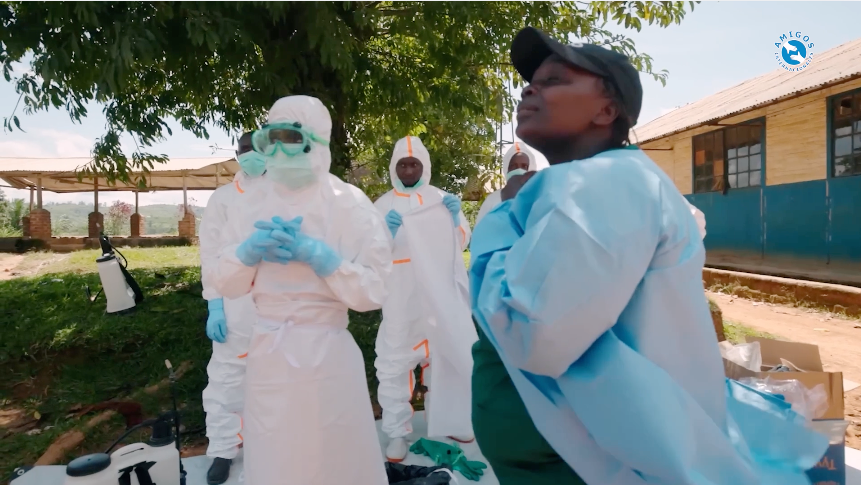
That trust allows accurate information to spread more quickly, reduces fear and misinformation, and encourages families to seek medical care earlier.
Public health experts consistently recognize community trust as one of the most important factors in controlling Ebola outbreaks.
Community trust is one of the most powerful tools in Ebola control.
Vaccines, laboratories, and treatment centers save lives—but they work best when communities trust the people delivering care.
That trust is built long before an emergency begins.
It is earned through years of faithful service.
BUILDING A HEALTH SYSTEM THAT LASTS
Most Ebola response stories end when the outbreak ends.
Effective public health does not.
One of the greatest challenges facing many low-resource countries is that emergency funding often disappears once international headlines fade. Temporary treatment centers close, outside teams leave, and communities are left to prepare for the next outbreak with many of the same limitations they faced before.
Amigos Internacionales and Doctors on Mission International are working toward a different model.
Rather than responding only to emergencies, our medical teams are helping strengthen healthcare systems that continue serving patients every day.
That includes laboratory development, physician training, community health education, infection prevention, improved reporting systems, and stronger coordination with regional healthcare partners.
The goal is not simply to stop one outbreak.
The goal is to leave communities better prepared for the next one.
Strengthening Local Healthcare Capacity
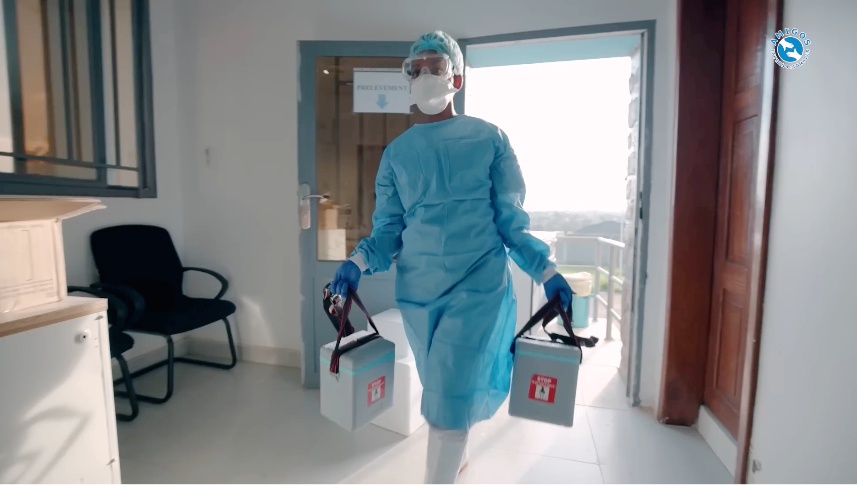
A resilient healthcare system depends on far more than hospitals.It requires trained healthcare workers, functioning laboratories, reliable supply chains, effective disease surveillance, community education, and accurate medical reporting.
Every improvement strengthens the ability of healthcare p
providers to identify outbreaks earlier and respond more effectively.
- When laboratory results are available more quickly, patients receive appropriate treatment sooner.
- When healthcare workers receive ongoing training, infection risks decline.
- When communities understand disease prevention, outbreaks spread more slowly.
- Each improvement builds upon the last.
A Long-Term Partnership with the Ministry of Health
Amigos Internacionales and Doctors on Mission International work in partnership with regional healthcare leaders rather than independently of them.
By supporting existing healthcare systems instead of replacing them, every investment contributes to sustainable medical capacity that remains long after emergency response operations conclude.
This collaborative approach allows new knowledge, equipment, and training to become permanent resources for local healthcare providers.
That benefits communities long after the current Ebola outbreak has ended.
Looking Beyond This Outbreak
Every Ebola outbreak teaches important lessons.
Those lessons improve laboratory procedures.
They improve surveillance systems.
They strengthen infection prevention.
They improve community education.
Most importantly, they help healthcare workers respond more effectively when the next public health emergency occurs.
For Amigos Internacionales, success is measured not only by the number of lives saved today, but also by how much stronger the healthcare system becomes for tomorrow.
THE FUTURE OF PUBLIC HEALTH IN EAST AFRICA
The challenges facing East Africa extend beyond Ebola.
Communities continue to battle malaria, tuberculosis, cholera, typhoid fever, malnutrition, maternal health complications, and limited access to quality medical care.
The same healthcare systems strengthened during an Ebola response also improve the ability to diagnose and treat these everyday medical challenges.
Laboratories developed for infectious disease surveillance can diagnose many other illnesses.
Healthcare workers trained in infection prevention apply those same skills in hospitals, clinics, and maternity wards.
Community education programs that teach Ebola prevention also improve sanitation, hygiene, vaccination awareness, and disease prevention across entire villages.
This is why investments made during one public health emergency often continue producing benefits for many years.
Strong healthcare systems save lives every day—not only during outbreaks
FREQUENTLY ASKED QUESTIONS ABOUT EBOLA
Can Ebola spread through the air?
No. Ebola is not an airborne disease like measles or COVID-19.
The virus spreads through direct contact with the blood or body fluids of an infected person after symptoms begin. It can also spread through contaminated needles, medical equipment, clothing, or bedding.
Healthcare workers wear extensive personal protective equipment (PPE) because they regularly come into close contact with infected patients and contaminated materials.
Can mosquitoes spread Ebola?
No.
Unlike malaria, dengue, or yellow fever, Ebola has never been shown to spread through mosquito bites or other insects.
Scientists believe fruit bats serve as the virus's natural reservoir, but mosquitoes do not transmit Ebola.
Is Ebola always fatal?
No.
Although Ebola remains a very serious disease, survival rates have improved dramatically over the past decade.
Early diagnosis, supportive medical care, hydration, treatment of complications, and rapid isolation all significantly improve a patient's chance of survival.
The earlier treatment begins, the better the outcome.
Is there a vaccine for the current Ebola outbreak?
Vaccines exist for some Ebola species, particularly the Zaire ebolavirus responsible for the large West African epidemic.
However, the current outbreak involves the Bundibugyo ebolavirus, for which there is currently no widely licensed vaccine specifically approved.
That makes rapid diagnosis, isolation, laboratory confirmation, contact tracing, and community education even more important.
Why is eastern Congo vulnerable to repeated Ebola outbreaks?
Several factors increase the risk:
- Dense tropical forests where Ebola naturally occurs
- Human contact with infected wildlife
- Remote villages that are difficult to reach
- Population movement across borders
- Armed conflict
- Limited healthcare infrastructure
- Misinformation and fear
Together, these conditions make outbreak control significantly more challenging than in many other parts of the world.
Can Ebola outbreaks be stopped?
Yes.
History has shown that outbreaks can be contained when public health measures are implemented quickly.
Successful Ebola control depends upon:
- Early detection
- Laboratory confirmation
- Isolation of patients
- Contact tracing
- Infection prevention
- Community education
- Strong local healthcare partnerships
Every hour matters.
Why are local healthcare workers so important?
Healthcare workers who already serve local communities understand the language, customs, geography, and trusted community leaders.
That trust allows information to spread more quickly, encourages families to seek medical care sooner, and improves cooperation with public health officials.
Local partnerships often determine whether an outbreak grows—or is successfully contained.
How is Amigos Internacionales helping?
Amigos Internacionales is partnering with Doctors on Mission International and regional healthcare leaders to strengthen long-term medical capacity across East Africa.
Current efforts include:
- Supporting laboratory capacity
- Training healthcare workers
- Strengthening surveillance systems
- Community education
- Infection prevention
- Public health coordination
- Long-term healthcare development
Rather than building a temporary response, these investments continue strengthening healthcare systems long after the current outbreak has ended.
HOW YOU CAN HELP
Ebola outbreaks are ultimately controlled by people.
Physicians who recognize symptoms early.
Laboratory professionals who provide rapid diagnoses.
Healthcare workers who safely care for patients.
Community leaders who share accurate information.
Families who report illness without fear.
Organizations that invest in healthcare systems before emergencies begin.
Every one of these roles helps interrupt the chain of transmission and protects vulnerable communities.
At Amigos Internacionales, we believe the greatest impact comes from strengthening local healthcare systems that continue serving communities long after international attention has moved elsewhere.
That is why our partnership with Doctors on Mission International focuses on training healthcare workers, improving laboratory capacity, supporting surveillance systems, expanding community health education, and strengthening regional medical infrastructure throughout East Africa.
If you would like to follow the ongoing response in eastern Democratic Republic of the Congo, learn more about our medical partnerships, or support these long-term healthcare initiatives, we invite you to visit our Ebola Response Center.
Related Resources
- Eastern Congo Ebola Response Center
- Meet Dr. Paul Mulyamboga
- Doctors on Mission International
- Medical Missions Across East Africa
- Monthly Ebola Response Updates
Article Updated
Originally published: July 3, 2026
Last updated: July 3, 2026
Reading time: Approximately 18–20 minutes
Reviewed by: Dr. Paul Mulyamboga, Medical Director
MEDICAL REFERENCES
The information presented in this guide is based on current public health guidance, peer-reviewed medical literature, and operational experience from healthcare professionals serving in East Africa.
Primary reference sources include:
• World Health Organization (WHO)
• U.S. Centers for Disease Control and Prevention (CDC)
• Uganda Ministry of Health
• Africa Centres for Disease Control and Prevention (Africa CDC)
• UNICEF
• Médecins Sans Frontières (Doctors Without Borders)
• National Institutes of Health (NIH)
• Peer-reviewed publications available through PubMed
Operational insights throughout this article also reflect the field experience of Doctors on Mission International and Amigos Internacionales healthcare teams serving communities across East Africa.
About the Author
President and CEO, Amigos Internacionales
Michael has served humanitarian communities in Africa for decades and works alongside Dr. Paul Mulyamboga and Doctors on Mission International to support medical response, clean water initiatives, education, and community development throughout East Africa.
Medical Review
Director of Medical Services
Doctors on Mission International
Last medically reviewed:
July 2026
Article History
Originally published:
July 3, 2026
Medical review:
Dr. Paul Mulyamboga
July 2026
Updated:
July 10, 2026
(new outbreak statistics)
Updated:
July 18, 2026
(field report added)
Categories
Social Media

Free Medical Camps in Burundi: What Happens When a Doctor Walks Into Gisuru | Amigos Internacionales