Behind the Scenes: How Community Surveillance Helps Stop Ebola Before It Spreads
Behind Every Ebola Outbreak Is a Race Against Time
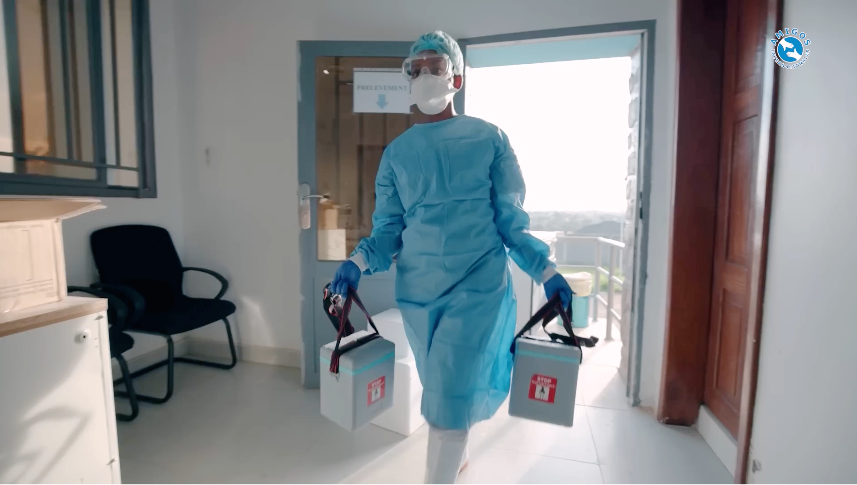
When most people think about Ebola, they picture treatment centers, protective suits, and emergency medical teams.
But long before a patient reaches a hospital, another battle is already underway.
That battle happens inside villages, churches, schools, and homes.
Every day, trained community surveillance teams work quietly to identify suspected illnesses, educate families, investigate unexplained community deaths, and help health officials respond before an isolated case becomes a widespread outbreak.
That is exactly what our partners have been doing this week in eastern Democratic Republic of Congo.
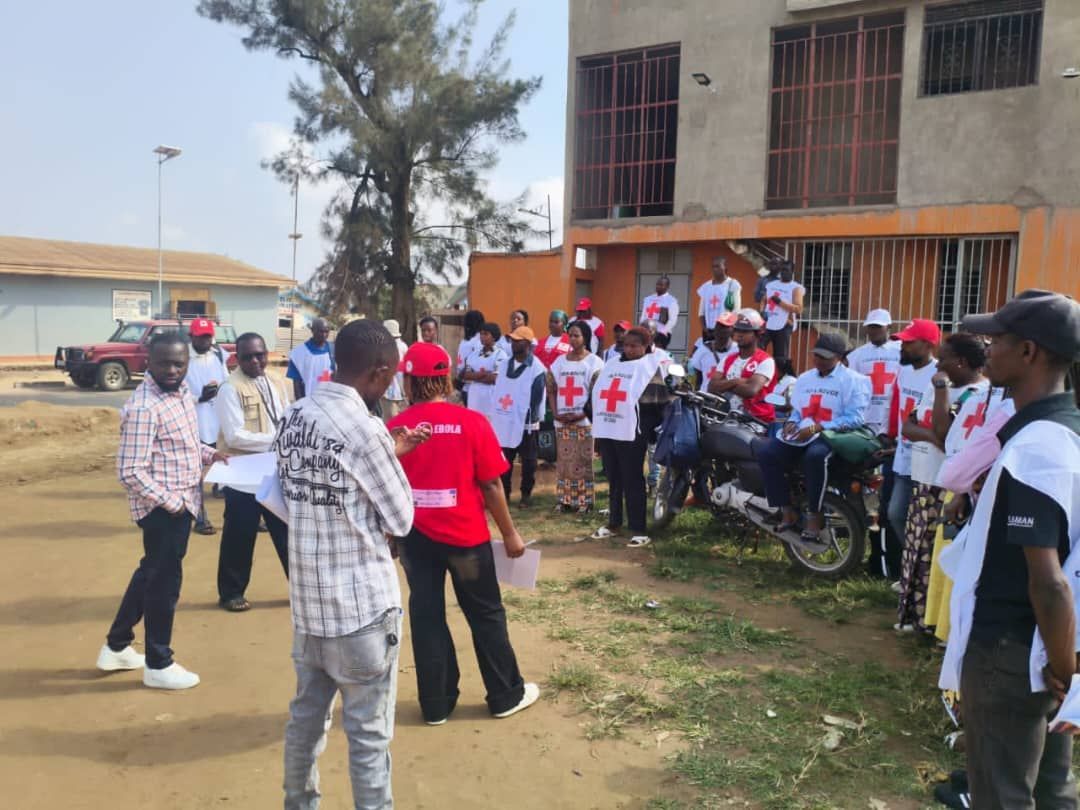
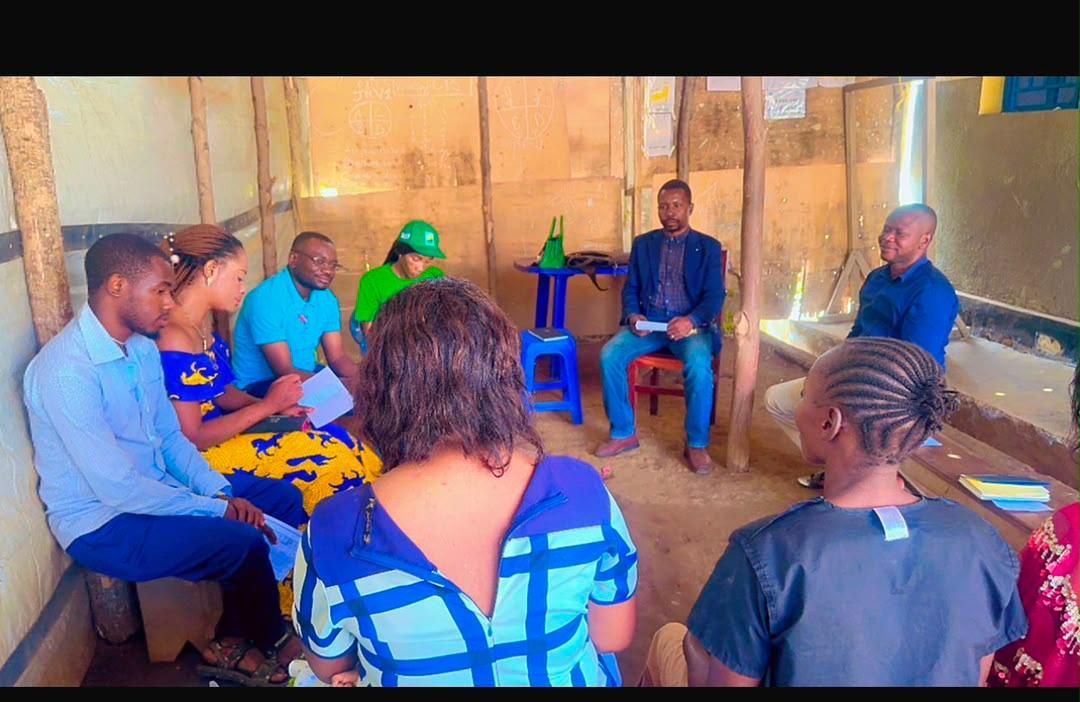
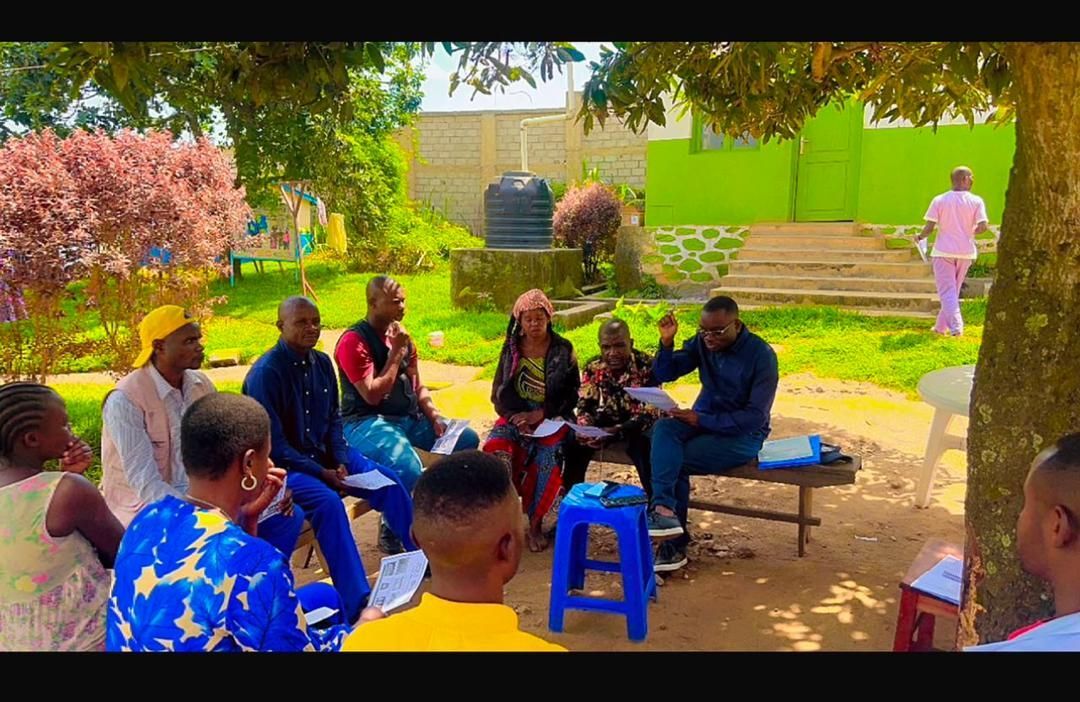
Community surveillance officers meet with local health teams to strengthen Ebola preparedness and improve early detection throughout the Rwampara Health Zone.
Training the First Line of Defense
Dr. Paul Mulyamboga and local public health leaders recently conducted a series of Risk Communication and Community Engagement (RCCE) briefings with Community Risk and Engagement Communication (CREC) officers and Emergency Disease Surveillance teams.
These sessions focused on:
- recognizing suspected Ebola cases
- improving community reporting
- responding to alerts involving community deaths
- strengthening communication between villages and health authorities
- reducing fear and misinformation
- protecting families before outbreaks spread
The World Health Organization considers Risk Communication and Community Engagement one of the most important components of Ebola preparedness because communities themselves become part of the surveillance system rather than passive observers.
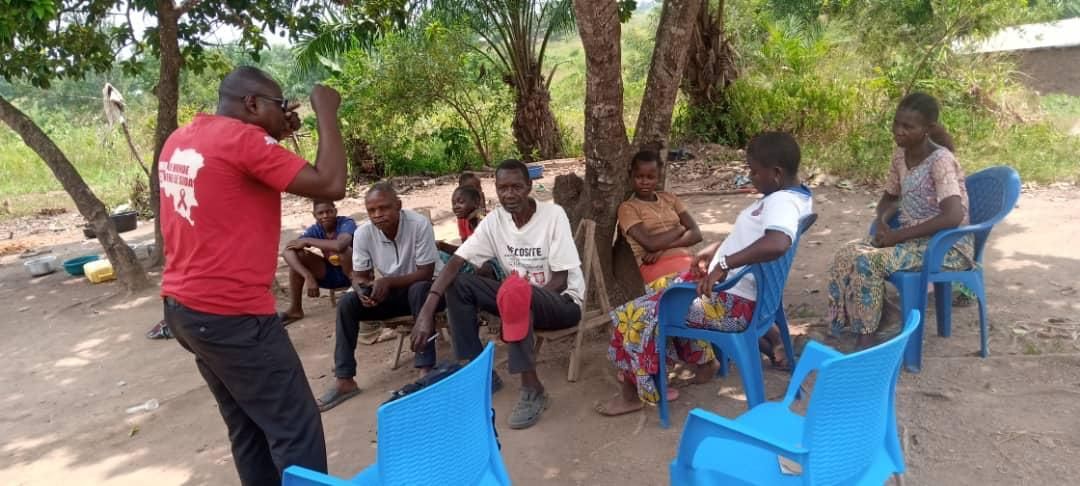
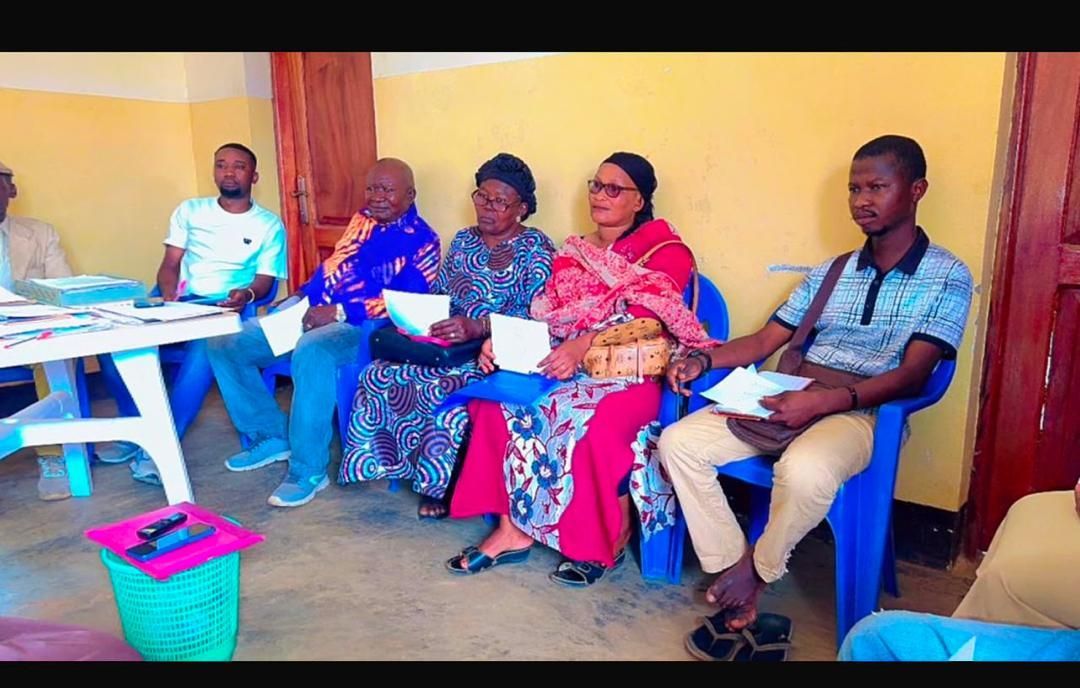
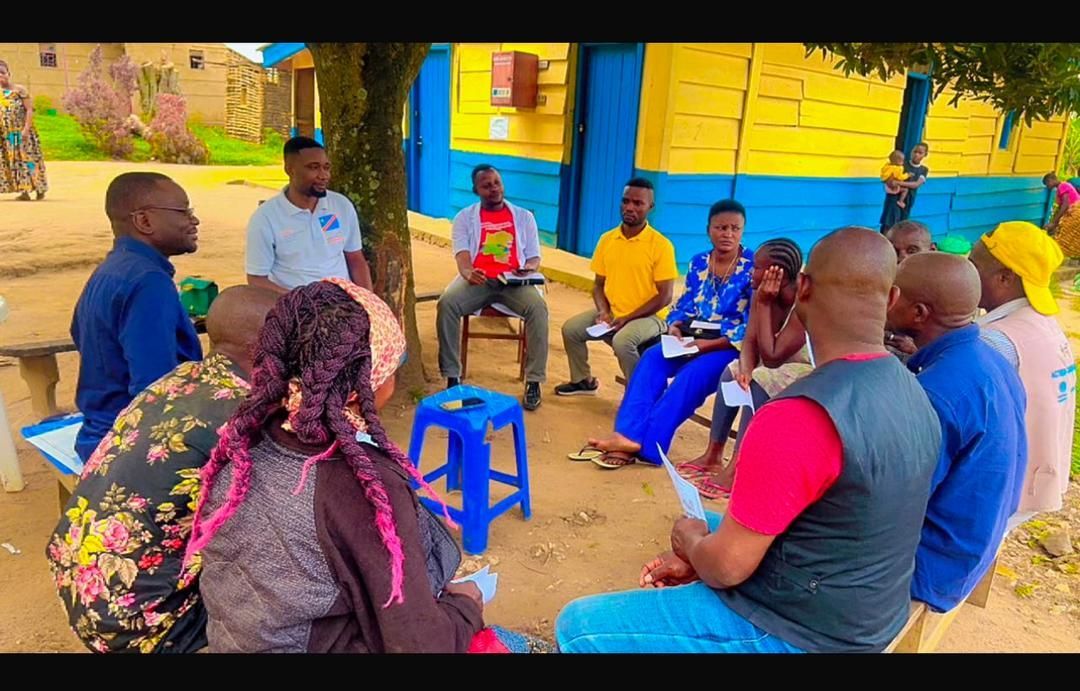
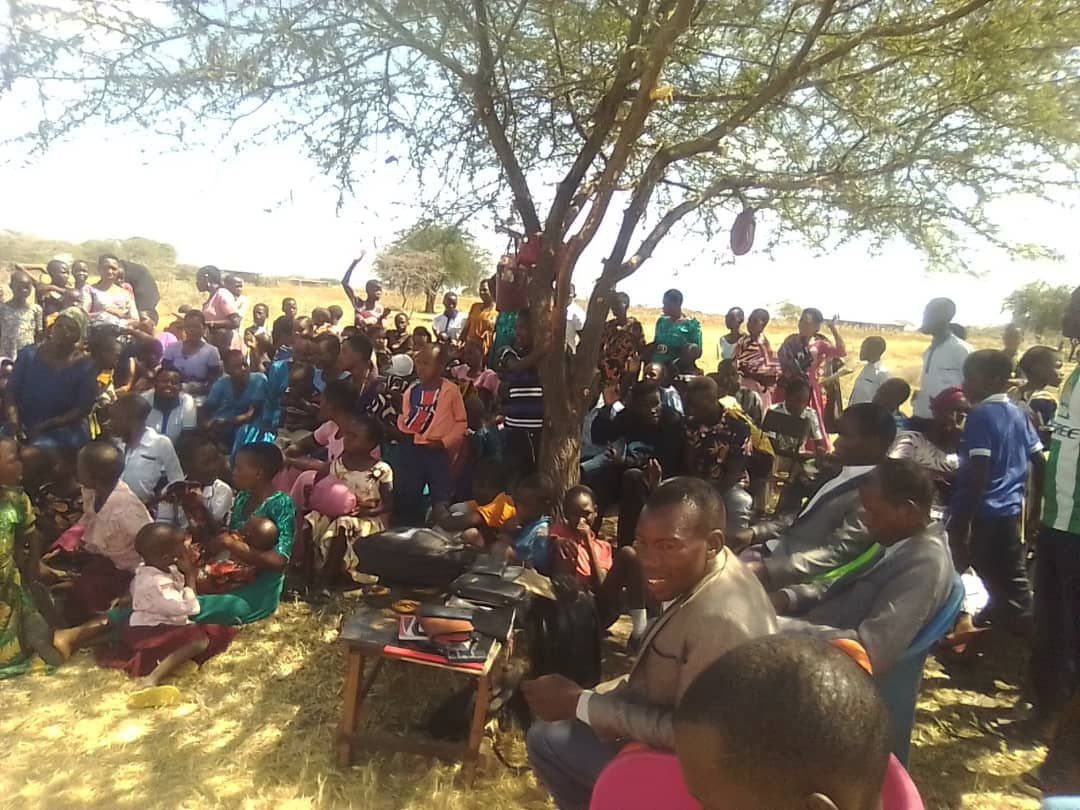
Small-group discussions allow community leaders and surveillance officers to share concerns, ask questions, and prepare coordinated response plans.
Building Trust Before Crisis
One of the greatest challenges during any Ebola outbreak is not simply finding infected patients.
It is building enough trust that communities will report illnesses early.
Health officials have repeatedly found that misinformation, fear, and delayed reporting allow outbreaks to spread more rapidly than medical teams can respond. Recent reporting from eastern Congo highlights how community mistrust and misinformation continue to complicate response efforts.
That is why these meetings matter.
Rather than waiting for an emergency, community members are learning:
- who to call
- what symptoms require immediate attention
- how suspected cases are handled
- why safe reporting protects entire villages
Every Conversation Can Save Lives
Community surveillance is personal.
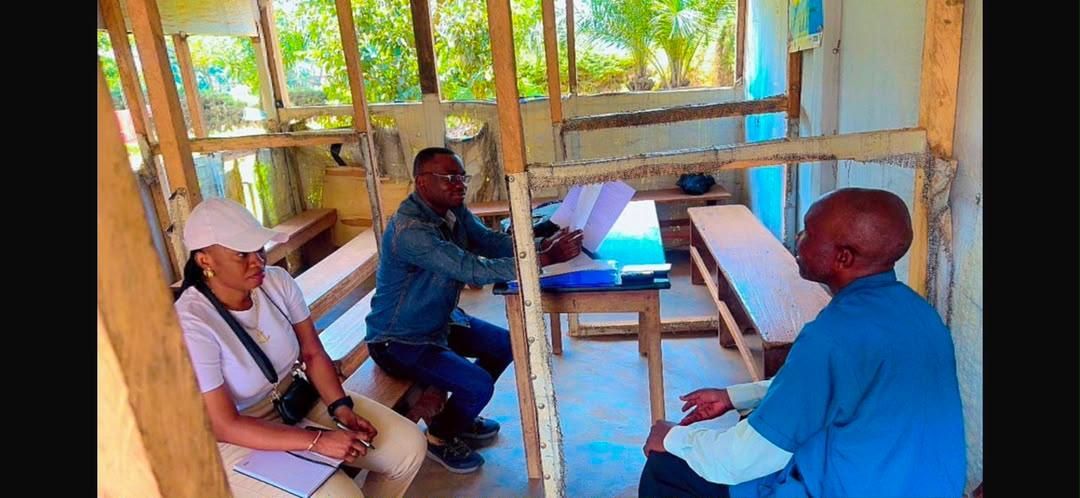
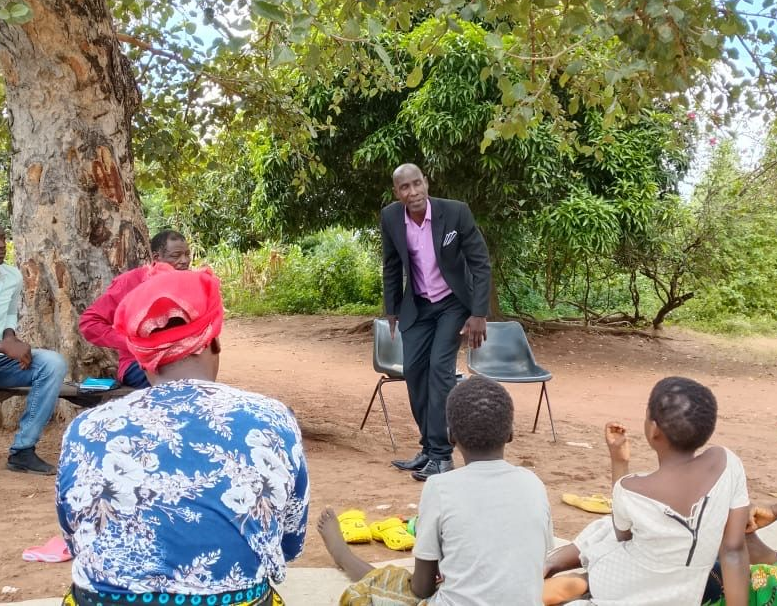
Many of these meetings happen beneath shade trees, inside churches, in classrooms, or around simple wooden benches.
Health workers answer questions.
Village leaders share concerns.
Families learn how to recognize warning signs.
Every conversation increases the likelihood that the next suspected case will be reported quickly.
Amigos Internacionales Is Standing With Local Leaders
At Amigos Internacionales, we believe sustainable public health begins with local leadership.
Our role is not only responding during emergencies but strengthening the people already serving their own communities.
These training sessions represent another important step in helping local surveillance teams identify outbreaks earlier, communicate more effectively, and protect vulnerable families.
As the current Ebola outbreak continues in eastern Congo, strengthening community surveillance may be one of the most effective investments we can make.
Learn More
Related Amigos Resources
- Amigos Ebola Response Center
https://www.amigosii.org/medical/ebola - Doctors on Mission Internacional
https://www.amigosii.org/medical
Additional Resources
- World Health Organization: Risk Communication and Community Engagement Toolkit for Ebola
- World Health Organization: Community Engagement in Health Emergencies
Categories

Free Medical Camps in Burundi: What Happens When a Doctor Walks Into Gisuru | Amigos Internacionales
Social Media
Free Medical Camps in Burundi: What Happens When a Doctor Walks Into Gisuru | Amigos Internacionales