Part 1: What Happened in Northern Uganda? Understanding the Lord's Resistance Army and Why Communities Like Nwoya Are Still Rebuilding
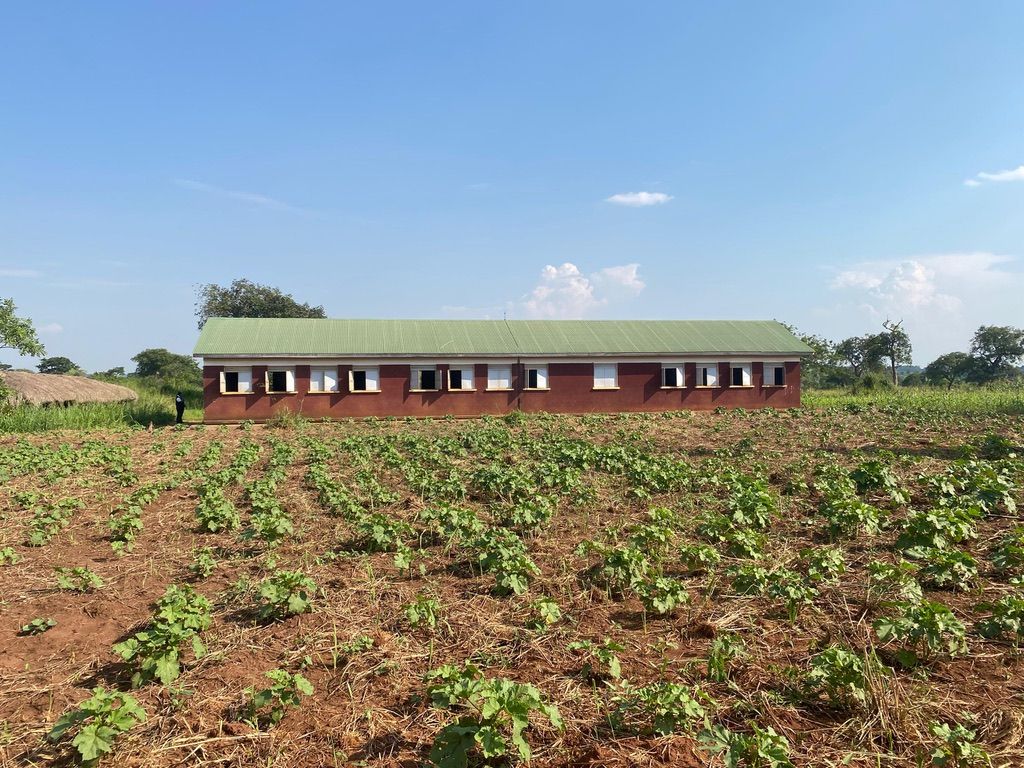
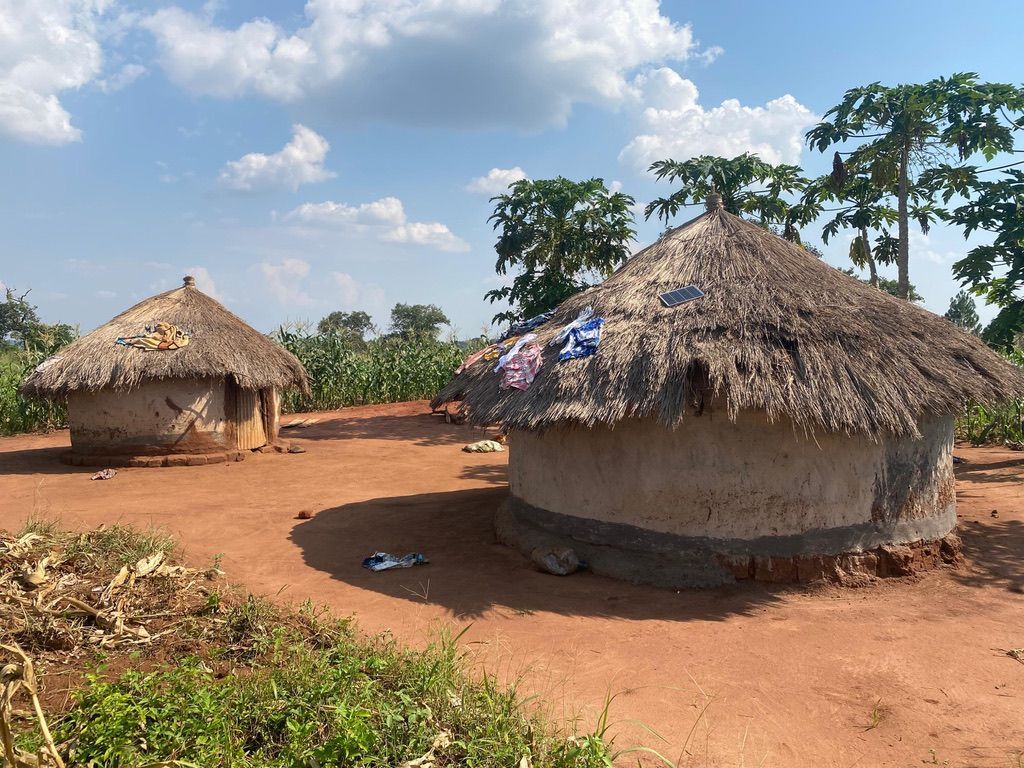
If you drove north out of Gulu today, past the last roundabout and onto the red-dirt roads that lead toward Murchison Falls National Park, you'd pass through Nwoya District without necessarily knowing what it once was. There are maize fields.
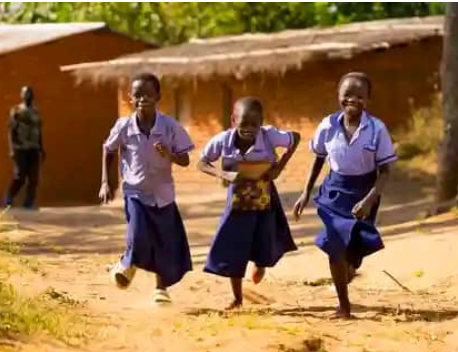
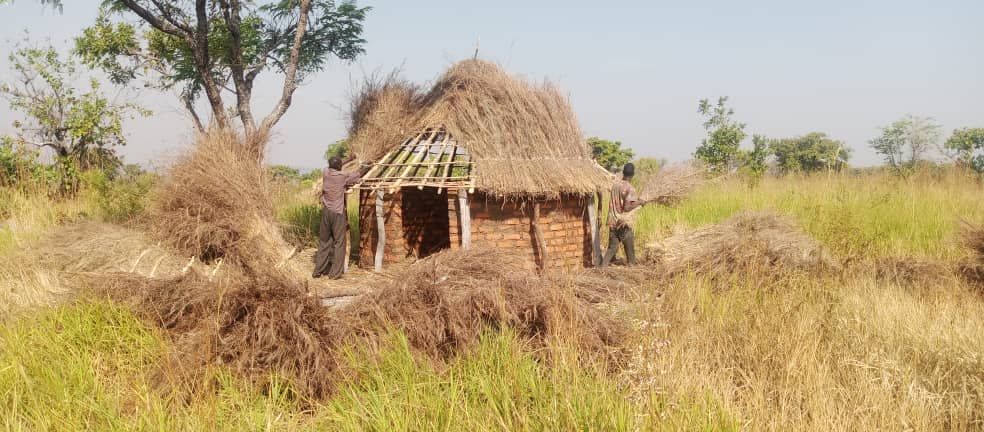
Brick homes with tin roofs going up next to older mud-and-thatch homesteads, solar panels sometimes mounted right on the grass roofs. Boda-bodas kicking up dust past trading centers where women sell tomatoes and secondhand clothes. Kids in uniforms walking to school in the cool part of the morning, before the heat sets in.
Nothing about the scene announces its history. That's partly the point, and partly the problem.
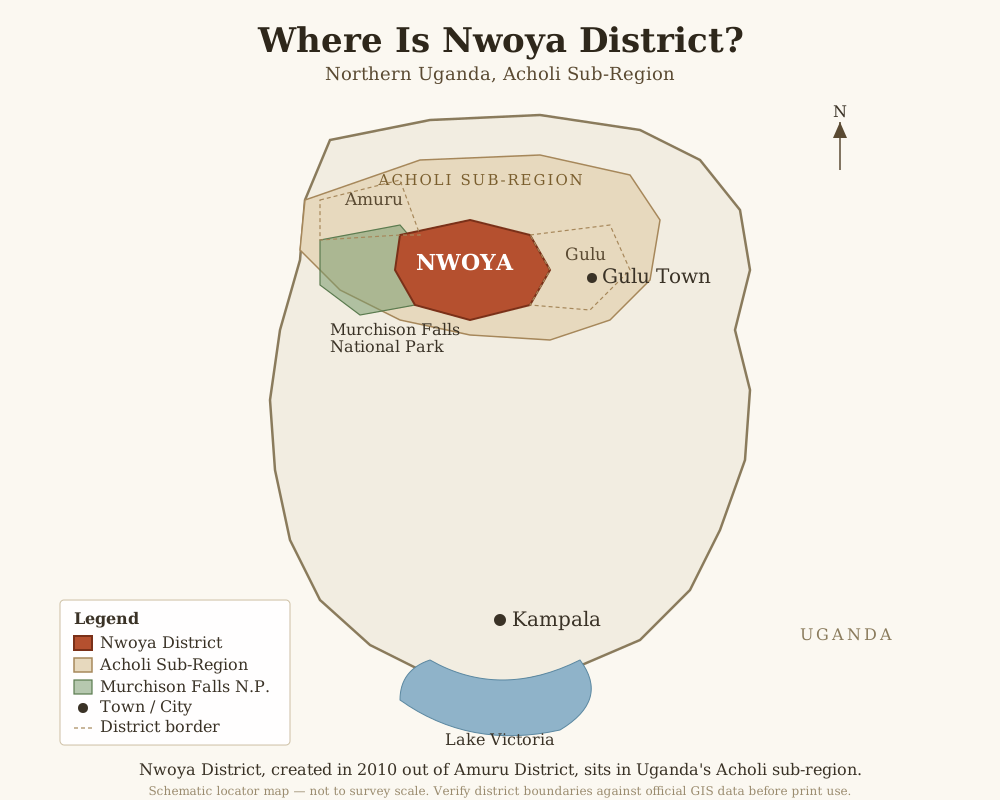
Nwoya District didn't exist by that name until 2010, when Ugandan lawmakers carved it out of neighboring Amuru District. The area had experienced relative peace after the Juba peace talks between the Government of Uganda and the LRA from 2006 to 2008, as LRA forces largely withdrew to neighboring countries such as the Democratic Republic of Congo and the Central African Republic
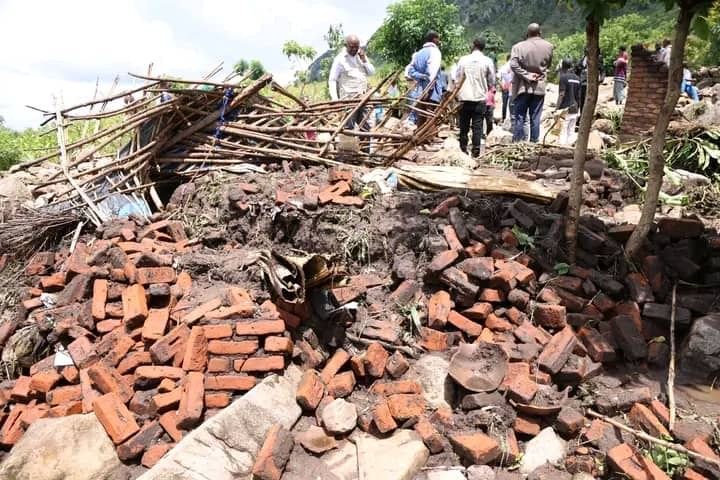
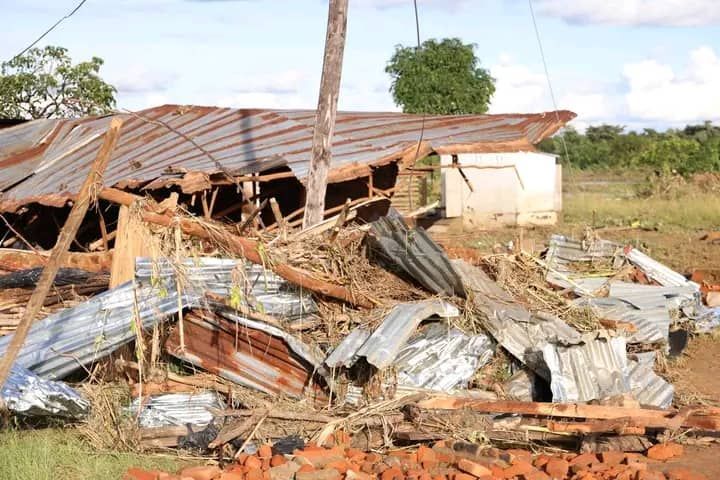
But peace on a map is not the same as peace in a household, a field, or a family's sense of where they belong. The camps that had held Nwoya's residents for years were disbanded, and displaced families began returning to their former land — only to often find that land already occupied by earlier returnees, or bought up by others while they were gone. Some who came back to farm found something else waiting for them: elephants from the neighboring national park, wandering into fields left fallow for a generation, with no memory in anyone's lifetime of how to keep them out. Residents in villages like Gony Cyoko described chasing elephants out of their gardens with nothing more than an empty jerry can, and losing crops of millet and rice to animals that had, in their absence, come to think of the land as their own.
So — how did a rural Ugandan district end up with a story like that? To understand Nwoya, you have to understand what happened to northern Uganda over the preceding two decades. And to understand that, you have to go back to 1986.
How did this community get here?
"The camps closed. The displacement didn't end there — it just changed shape."
The short version, the one that shows up in most news coverage, goes something like this: a warlord named Joseph Kony led a rebel group called the Lord's Resistance Army that abducted children and terrorized northern Uganda for twenty years. That's true. It's also incomplete, and the missing context matters — both for historical accuracy and for understanding why recovery in places like Nwoya has taken so long.
This is paragraph text. Click it or hit the Manage Text button to change the font, color, size, format, and more. To set up site-wide paragraph and title styles, go to Site Theme.
The roots of the conflict
Northern Uganda's Acholi communities have a long history of displacement that predates the LRA by generations. During the colonial era, British administrators forcibly resettled Acholi populations under the banner of disease control, moving people off their land and along newly built roads — land that colonial authorities would later, in some cases, convert into game reserves and parks. That history isn't a footnote. It's part of why land, displacement, and government authority carry such particular weight in Acholi memory today.
The immediate trigger for the LRA's emergence came in 1986. In January of that year, the National Resistance Army (NRA) — led by Yoweri Museveni, from southwestern Uganda — overthrew President Tito Okello, an ethnic Acholi. Many Acholi feared losing their historic dominance within the national military, and worried the NRA would retaliate for the brutal counterinsurgency campaigns of the preceding government, particularly in the Luwero Triangle. By August 1986, a full insurgency had taken hold in the north.
Several rebel movements rose out of that turmoil, and Joseph Kony's was not the first. A woman named Alice Lakwena had already formed the Holy Spirit Movement, a spiritually-inspired militia that briefly threatened Kampala before being defeated. Kony's Lord's Resistance Army emerged in northern Uganda while Lakwena's movement was still active, and the two groups shared significant common ground, including leaders who claimed to be possessed by spirits. Kony founded the LRA in 1987, out of the wider Ugandan insurgency against Museveni that had been underway since 1986.
What the LRA actually did
Unlike most insurgent movements, the LRA never articulated much of a coherent national vision beyond deposing President Museveni and establishing a government based on the Ten Commandments. In practice, the group's strategy centered on terrorizing the civilian population and disrupting daily life, particularly in northern Uganda, in order to weaken the government's hold on the region.
The numbers, drawn from UN and humanitarian sources, are genuinely difficult to hold in your head.
Who Was Alice Lakwena?
Alice Auma, who took the name Alice Lakwena ("messenger" in Acholi), led the Holy Spirit Movement in the mid-1980s — a militia that blended Christian, Acholi, and spiritual traditions and briefly gathered thousands of fighters before being militarily defeated. Joseph Kony's LRA absorbed some of her movement's spiritual framework and, according to historians, some of its surviving fighters, but pursued a far longer and more violent campaign.
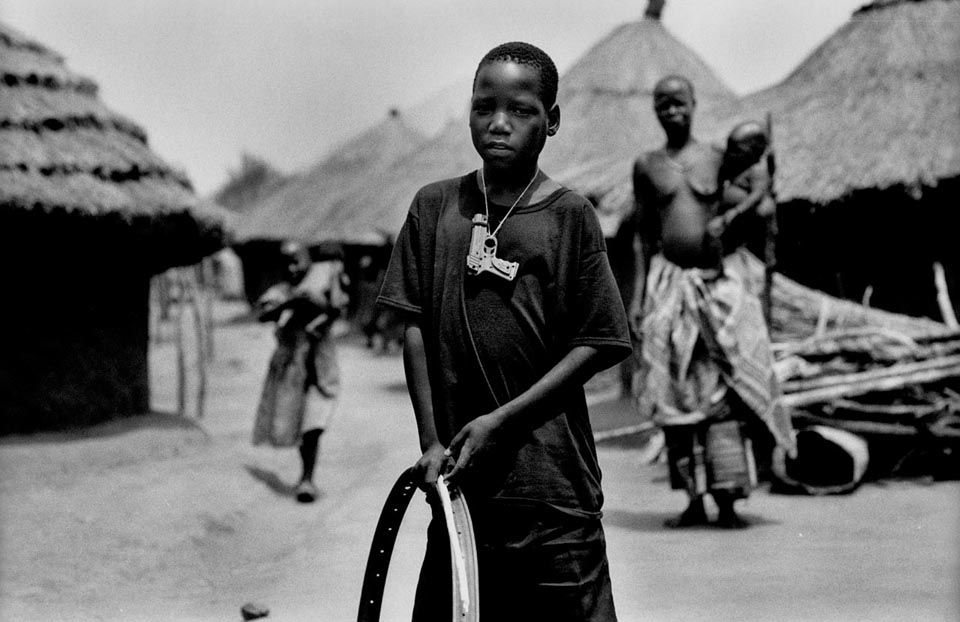
According to the United Nations, the LRA was responsible for more than 100,000 deaths, the abduction of between 60,000 and 100,000 children, and the displacement of as many as 2.5 million civilians between 1987 and 2012 — figures that span the LRA's activity across Uganda, South Sudan, the Democratic Republic of Congo, and the Central African Republic, not Uganda alone. Looking specifically at Uganda, the U.S. State Department has noted that at the height of the conflict, nearly two million people in northern Uganda were displaced, and a 2006 UNICEF-funded study estimated that at least 66,000 children and youth had been abducted by the LRA between 1986 and 2005. That same study found that most abducted children were held only briefly before being released or escaping — though others were forced into life as child soldiers or sex slaves and made to commit atrocities themselves.
Different organizations report different totals because they're measuring different things: different time windows, different geographies, different methodologies for counting people who were, by definition, extremely difficult to count. Where sources conflict, this article reports the range rather than picking a single number — because getting it exactly right matters more than making it sound worse or better than the record supports.
What every source agrees on is the scale of displacement inside Uganda's Acholi sub-region specifically. Beginning in 1996, the Government of Uganda drove roughly 90 percent of the Acholi population into internally displaced persons (IDP) camps, where many would remain for over a decade. By some estimates, as many as 1.8 million people across northern Uganda were forced into these protected villages by the army, and only began returning home in 2006, as the LRA moved into neighboring countries.
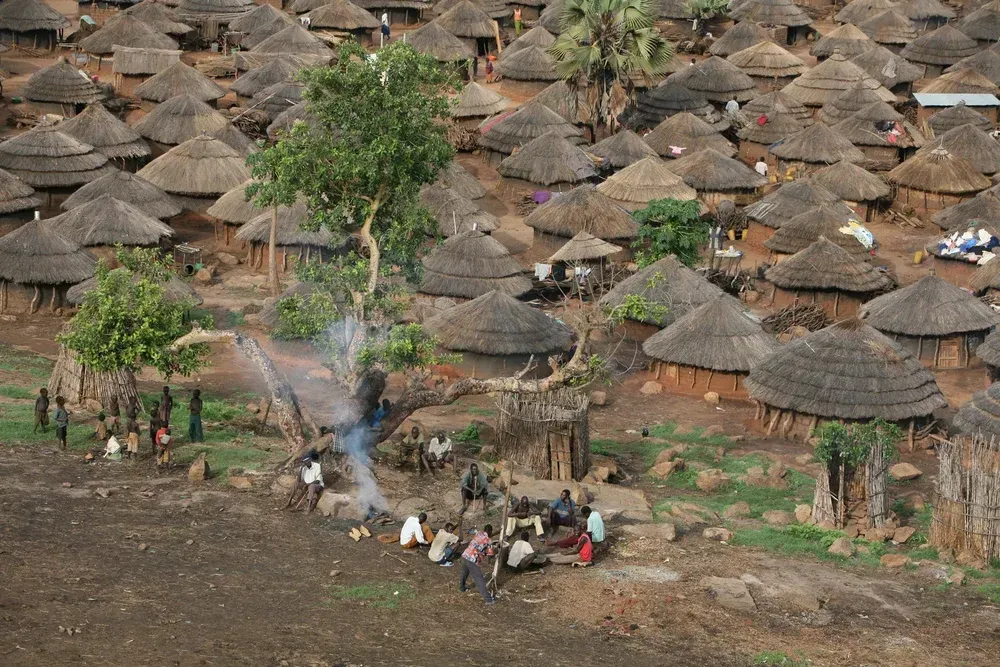
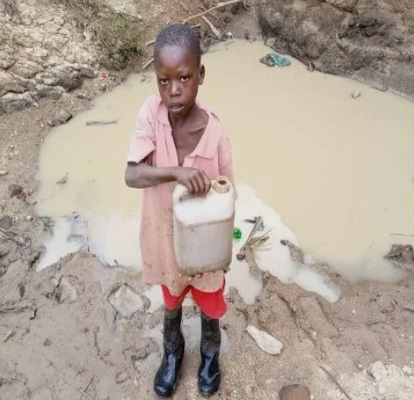
Life in the camps was its own kind of hardship, separate from the violence that drove people into them. Camp life was defined by food rationing and unemployment, cut off from the agricultural rhythms that had shaped Acholi life for generations; even burial practices were disrupted, with camp planners often failing to designate proper cemetery ground because no one expected the crisis to last as long as it did.

Justice, slowly: the case of Dominic Ongwen
One name threads through this history in a way that resists easy narrative: Dominic Ongwen. Ongwen was abducted by the LRA when he was around nine or ten years old. He rose quickly through the group's ranks, eventually becoming a senior commander in the Sinia Brigade with roughly 700 soldiers under his command.
Ongwen is the first Ugandan and former LRA commander to have been tried, convicted, and sentenced by the International Criminal Court. He surrendered to authorities in January 2015, and the Trial Chamber ultimately convicted him on sixty-two counts of crimes against humanity and war crimes committed in northern Uganda between July 1, 2002, and December 31, 2005. He was sentenced to 25 years of imprisonment, and on December 15, 2022, the ICC Appeals Chamber confirmed both the conviction and the sentence. He was transferred to Norway in December 2023 to serve his sentence.
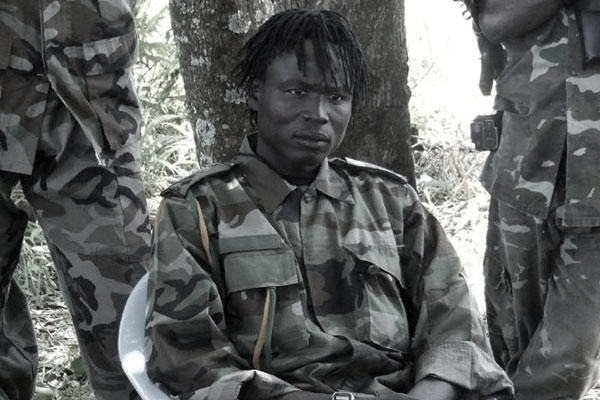
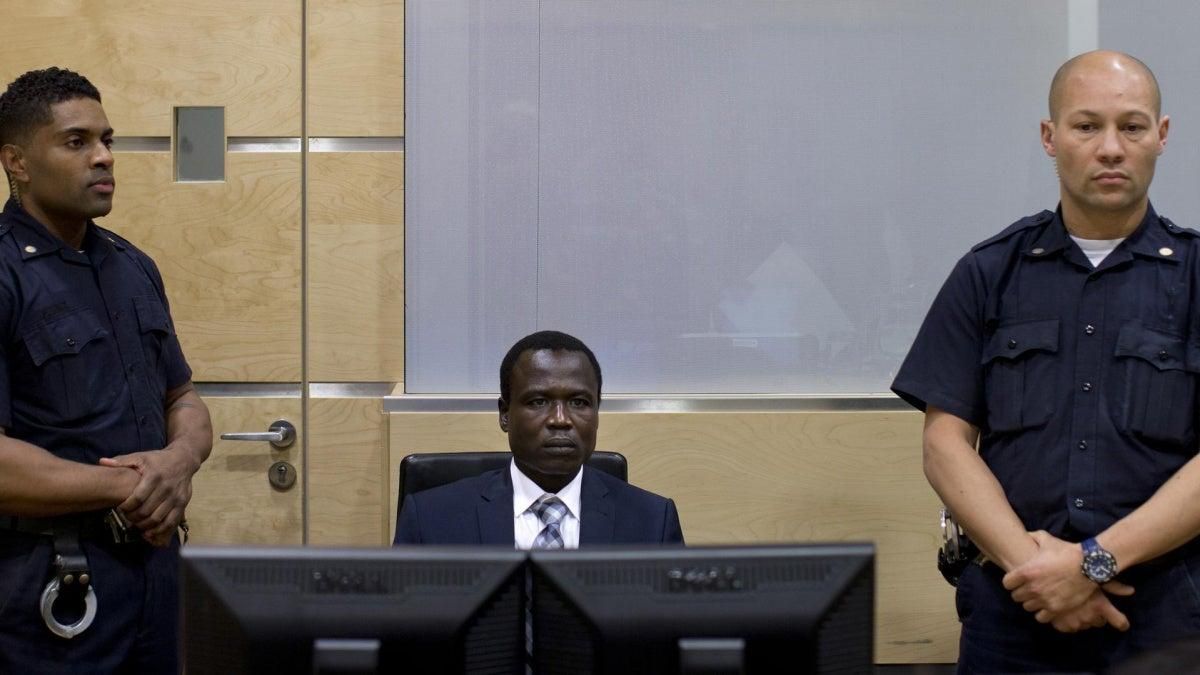
"He was the first Ugandan LRA commander to be tried, convicted, and sentenced by the ICC — and he had also, as a child, been one of the LRA's victims."
A Legal First
Ongwen's case marked several firsts for the ICC: Uganda was the first country ever to refer a situation to the Court, and Ongwen's trial was notable for involving a defendant who was, by the court's own record, also a victim of the same organization's crimes — having been abducted as a child himself. The reparations proceedings that followed became the ICC's largest to date, and in February 2024 the Trial Chamber set Ongwen's financial liability at €52,429,000, ordering collective, community-based reparations focused on rehabilitation programs, symbolic measures, and a modest individual award for eligible victims. An appeal against that reparations order was denied in April 2025.
Ongwen's case doesn't resolve the moral complexity of the LRA war — it embodies it. He committed serious crimes as an adult commander. He was also, by any reasonable definition, a child soldier before that: forcibly recruited, trained in violence, and shaped by an organization that specialized in turning victims into perpetrators. Both things are documented and both things are true. Ugandan and international human rights organizations, including Redress, have pushed the ICC and Uganda's government to ensure that victims — not just the legal process — remain at the center of what reparations actually accomplish on the ground, particularly since Uganda's own National Transitional Justice Policy, adopted in 2019, has left most conflict victims without any national-level reparations to date.
Where is Joseph Kony now?
"Twenty years after his arrest warrant was issued,
Joseph Kony has still never faced a courtroom."
Joseph Kony himself has never been captured. Nineteen years after his arrest was first ordered, he remains at large, and the ICC continues seeking the cooperation of national authorities in the effort to locate and arrest him. Kony is believed to be operating somewhere in the Sudan–Central African Republic borderlands, in territory that has offered rebel groups sanctuary for decades, compounded by inconsistent political will among the states that could act against him. In November 2025, ICC hearings confirmed war crimes charges against Kony in absentia — a legal milestone that nonetheless does nothing to change the fact that he remains free.
The LRA itself has shrunk dramatically. Over the past decade, hundreds of exhausted LRA fighters have defected, leaving Kony with no more than a couple dozen fighters still under his direct command; the group's ambitions have narrowed from overthrowing a government to simply surviving. By early 2025, one humanitarian organization working on fighter reintegration reported that the only functioning unit left within the LRA was the small group still protecting Kony personally, and that defections were accelerating as fighters received word that those who left earlier had been granted amnesty and safe passage.
Even Kony's own family has not been spared this unraveling. In February 2025, one of Kony's wives and three of his children were repatriated to Uganda from the Central African Republic — though Kony himself remains missing. His son, known as Ali Kony and once seen as a possible successor, defected in 2023 after slipping away from an LRA camp, eventually returning to Uganda where he met President Museveni and joined the national army — a hard, complicated homecoming that mirrors the larger story of a movement that has, for its remaining members, become less about ideology than survival.
For the communities that lived through the LRA's worst years, the absence of a verdict against the man who led it all is its own unresolved wound. At a November 2025 ICC stakeholders' dialogue in Lira, survivors voiced two decades of frustration over the stalled hunt for Kony — including Semmy Adong, abducted at age nine during a 2004 LRA raid on the Barlony displacement camp, who only returned from captivity in 2024 with two children of her own. It's a reminder that for many Acholi families, this history is not history at all. It's still unfolding.
This is paragraph text. Click it or hit the Manage Text button to change the font, color, size, format, and more. To set up site-wide paragraph and title styles, go to Site Theme.
Peace, in northern Uganda, did not arrive as a single event. It arrived as a slow, uneven, often frustrating process — one that is, in real and measurable ways, still underway in districts like Nwoya.
Recovery efforts in the area that became Nwoya District focused on IDP returns, which accelerated from 2007 onward, though land disputes, food insecurity, and limited access to health and education persisted amid infrastructure destroyed by two decades of war. The government, with UN support,
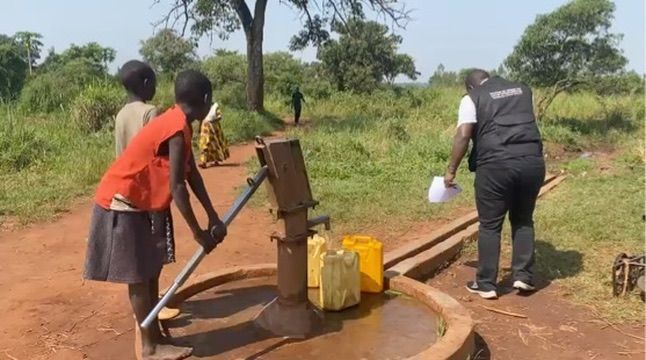
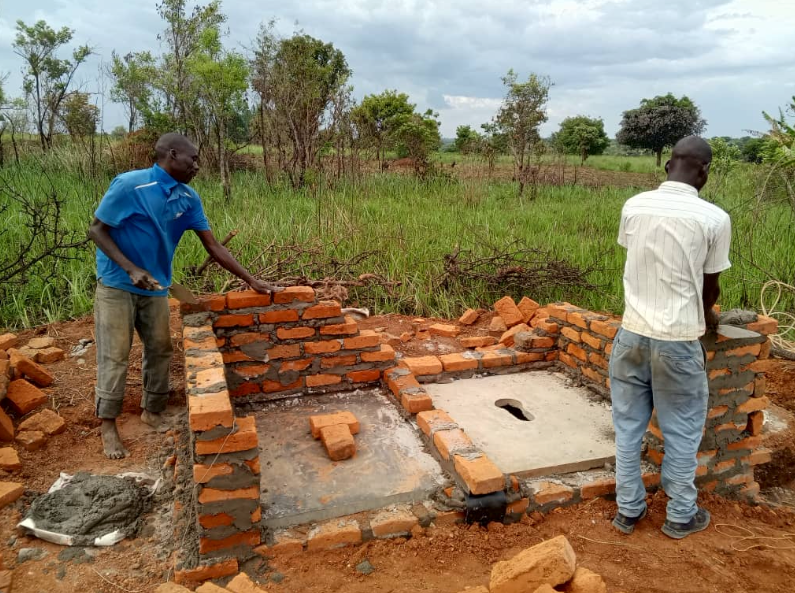
launched the Peace, Recovery and Development Plan in 2007 to support resettlement and address poverty across the north, and in the years that followed, the large majority of displaced Acholi did return to their villages — though significant numbers remain, even now, in some state of displacement. International development partners contributed as well: between 2009 and 2015, Japan's international development agency funded projects across Gulu, Amuru, Nwoya, Agago, and Lamwo districts to rebuild classrooms, teacher housing, latrines, water access, health facilities, and rural roads for returning families.
Even so, the numbers on education tell a sobering story about how far recovery still has to go. Uganda has made real national progress in education access — roughly 8 in 10 children ages 6 to 12 now attend primary school, up from far lower rates a generation ago — but access remains sharply unequal by geography and household income. Nationally, secondary net enrollment reaches 52 percent in Kampala. In the Acholi sub-region — which includes Nwoya — it is just 7 percent, the lowest of any region in the country. That single statistic captures something the broader "post-conflict recovery" narrative can gloss over: the war ended, but its economic and educational consequences did not end with it. A generation of children grew up in displacement camps, missed years of schooling, and are now raising children of their own in districts still working to rebuild the physical and institutional infrastructure that two decades of conflict destroyed.
Across Uganda more broadly, less than half of children complete primary school, and only about one in four go on to attend secondary school at all — a reflection of how conflict, flooding, and chronic under-investment have damaged school infrastructure and kept school-age children out of the classroom for extended stretches.
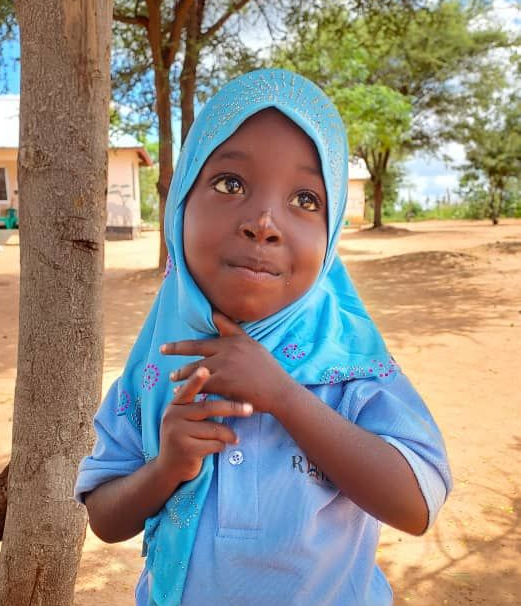
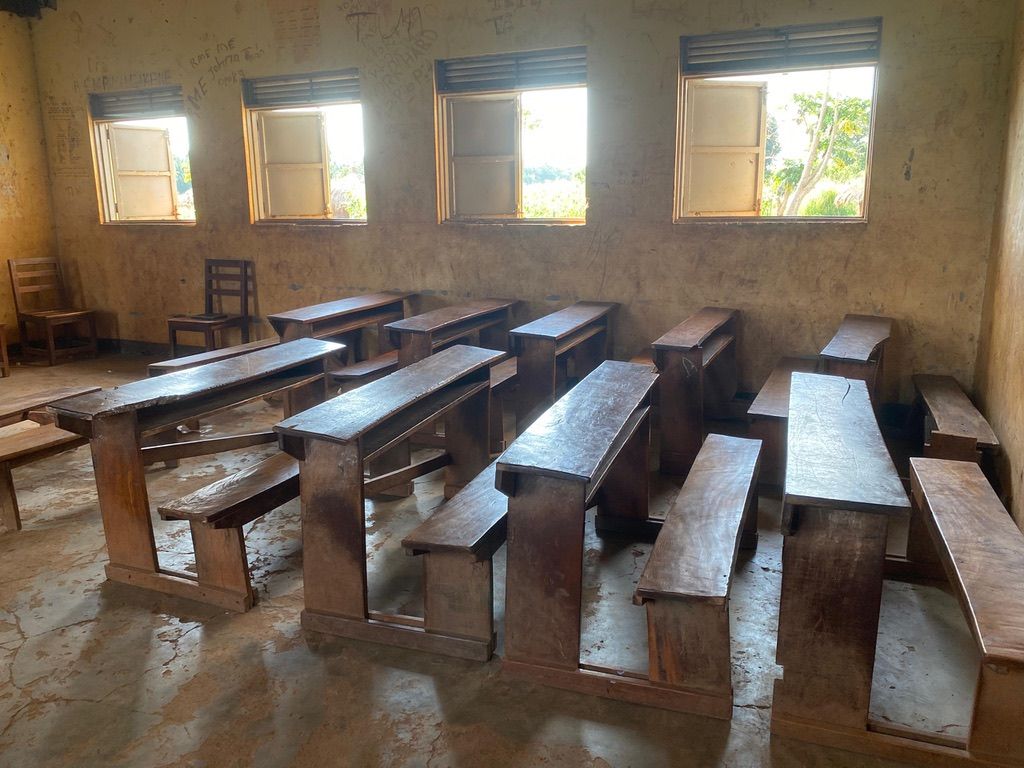
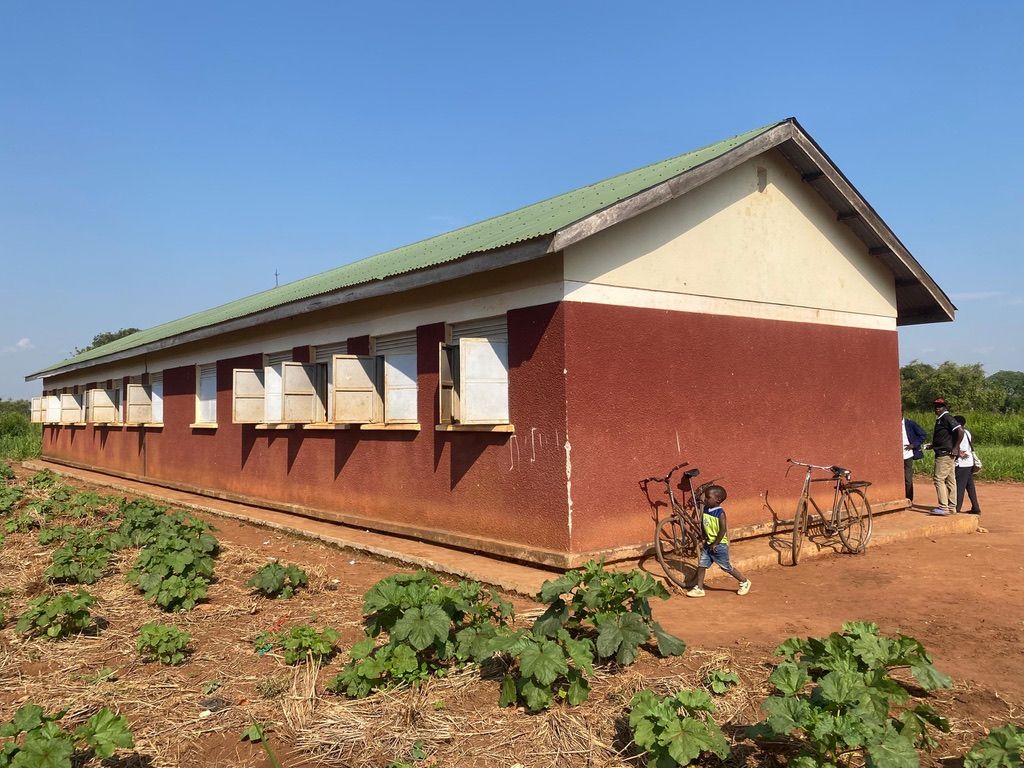
This is the context in which any conversation about a school in Nwoya has to sit. It's not a story about a place with no history, waiting to be given one. It's a story about a community that has already done the hardest parts of recovery — returning to contested land, rebuilding homes, negotiating with wildlife and with neighbors over boundaries redrawn by displacement — and is now working, alongside partners it has chosen, to rebuild what conflict took from its children's education.
A community-led invitation
Amigos Internacionales has worked in East Africa since building its earliest medical and relief programs, and the organization has spent decades since building schools, wells, and church partnerships across Uganda and Tanzania through what it calls the MissionPoint model. That model centers on partnering with communities to provide clean water, education, vocational training, and healthcare in a single, integrated site — most visibly demonstrated in Ogul Village, Uganda.
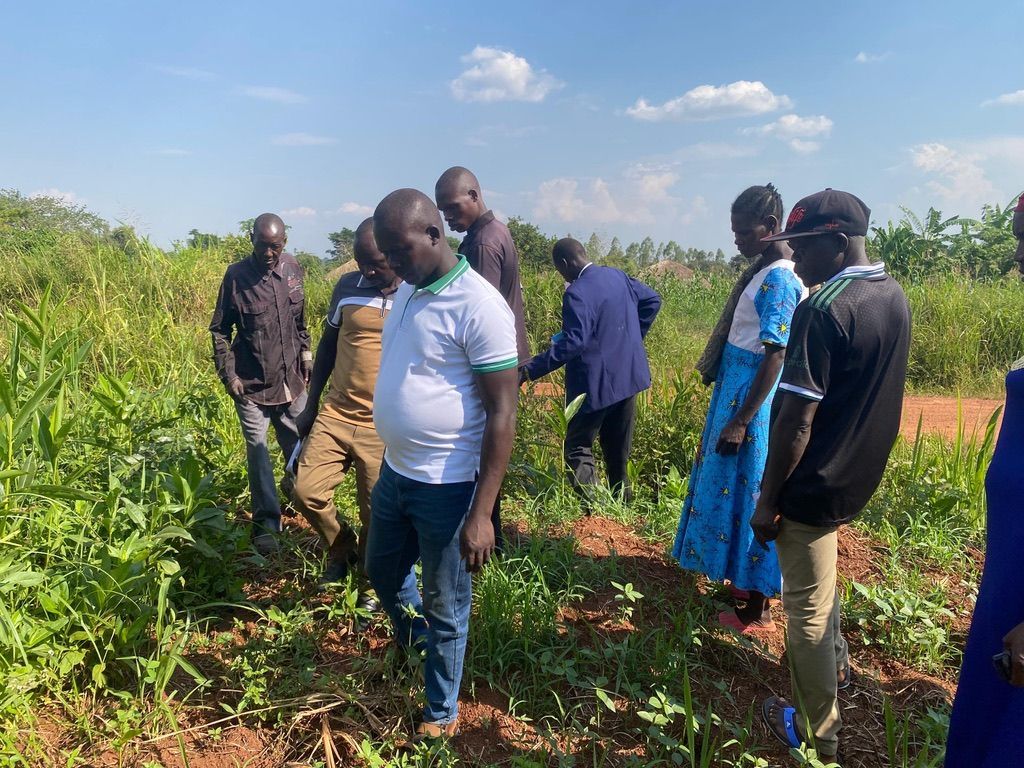
According to Amigos Internacionales, community leaders in Nwoya have now invited the organization to help restore and expand an existing school in the district as a new MissionPoint. It's worth being precise about what that means and what it doesn't. Amigos is not arriving in Nwoya to introduce something the community lacks the capacity to build itself. The community has already rebuilt — its homes, its farms, its local governance, its own school, however under-resourced. What's being asked for is a partner: additional capacity to expand a school that already exists, built by and for a community that has already demonstrated, over nearly twenty years of return and recovery, that it knows how to rebuild. That distinction matters both ethically and factually. The people of Nwoya are not the subjects of this story's ending. They're its authors.
A note on how we told this story
This article draws on reporting and data from the International Criminal Court, the United Nations, UNICEF, Human Rights Watch, Redress, the U.S. Department of State, academic researchers, and wire and humanitarian reporting including The New Humanitarian and Reuters, alongside Amigos Internacionales' own program history. Where sources disagreed on specific figures — as they often did, given the difficulty of counting casualties and abductions across a conflict that spanned four countries — we've reported the range rather than a single number. Where a claim could not be verified through public documentation, we've said so directly. This is meant to be a resource that historians, donors, and northern Uganda's own communities can trust for years, not just a piece optimized for this week's search traffic.
FREQUENTLY ASKED QUESTIONS
What was the Lord's Resistance Army? The LRA was an armed group founded by Joseph Kony in 1987, growing out of the Ugandan insurgency against President Yoweri Museveni's government that began the previous year. It became known internationally for its abduction of children and its campaign of violence against civilians in northern Uganda and, later, South Sudan, the Democratic Republic of Congo, and the Central African Republic.
How many people were affected by the LRA conflict? Estimates vary by source and time period. The United Nations has estimated more than 100,000 deaths, 60,000 to 100,000 abducted children, and up to 2.5 million people displaced across the four countries where the LRA operated between 1987 and 2012. Within Uganda specifically, the U.S. State Department has cited nearly two million people displaced at the conflict's peak.
Is Joseph Kony still alive, and has he been captured? As of the most recent ICC updates, Kony remains at large, nearly two decades after his arrest warrant was first issued. He has not been captured or confirmed dead, and continues to evade capture in remote border regions of Sudan and the Central African Republic.
What happened to Dominic Ongwen? Ongwen surrendered to authorities in January 2015. The ICC convicted him in February 2021 on 61 counts of war crimes and crimes against humanity, sentenced him to 25 years in prison in May 2021, and the conviction and sentence were confirmed on appeal in December 2022. He was transferred to Norway in December 2023 to serve his sentence.
Why is northern Uganda, and Nwoya specifically, still recovering nearly 20 years after the war ended? Return and resettlement in the area accelerated after 2007, but land disputes, food insecurity, and limited access to health and education infrastructure have continued to slow recovery. Educational outcomes illustrate the gap clearly: secondary school net enrollment in the Acholi sub-region sits at just 7 percent, compared with 52 percent in Kampala — a gap rooted directly in decades of displacement and destroyed infrastructure, not in any lack of will or capacity within the communities themselves.
Categories
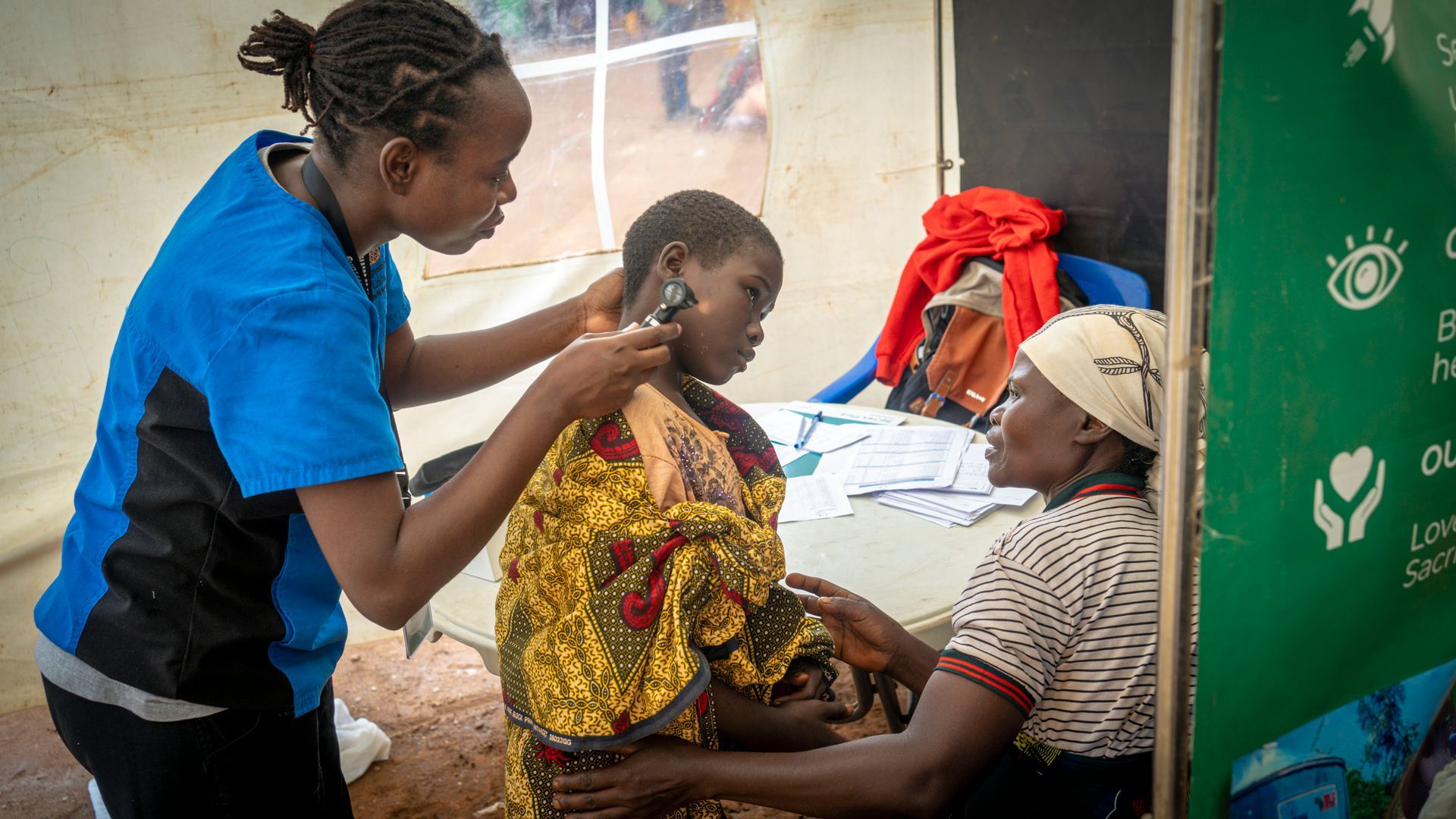
Free Medical Camps in Burundi: What Happens When a Doctor Walks Into Gisuru | Amigos Internacionales
Social Media
Free Medical Camps in Burundi: What Happens When a Doctor Walks Into Gisuru | Amigos Internacionales