Together We Can Make a Difference: Feeding Starving African Children
Amigos Internacionales • February 29, 2024
a blue sky with a few clouds in it
A poster for amigos mission in motion shows a girl holding a cup

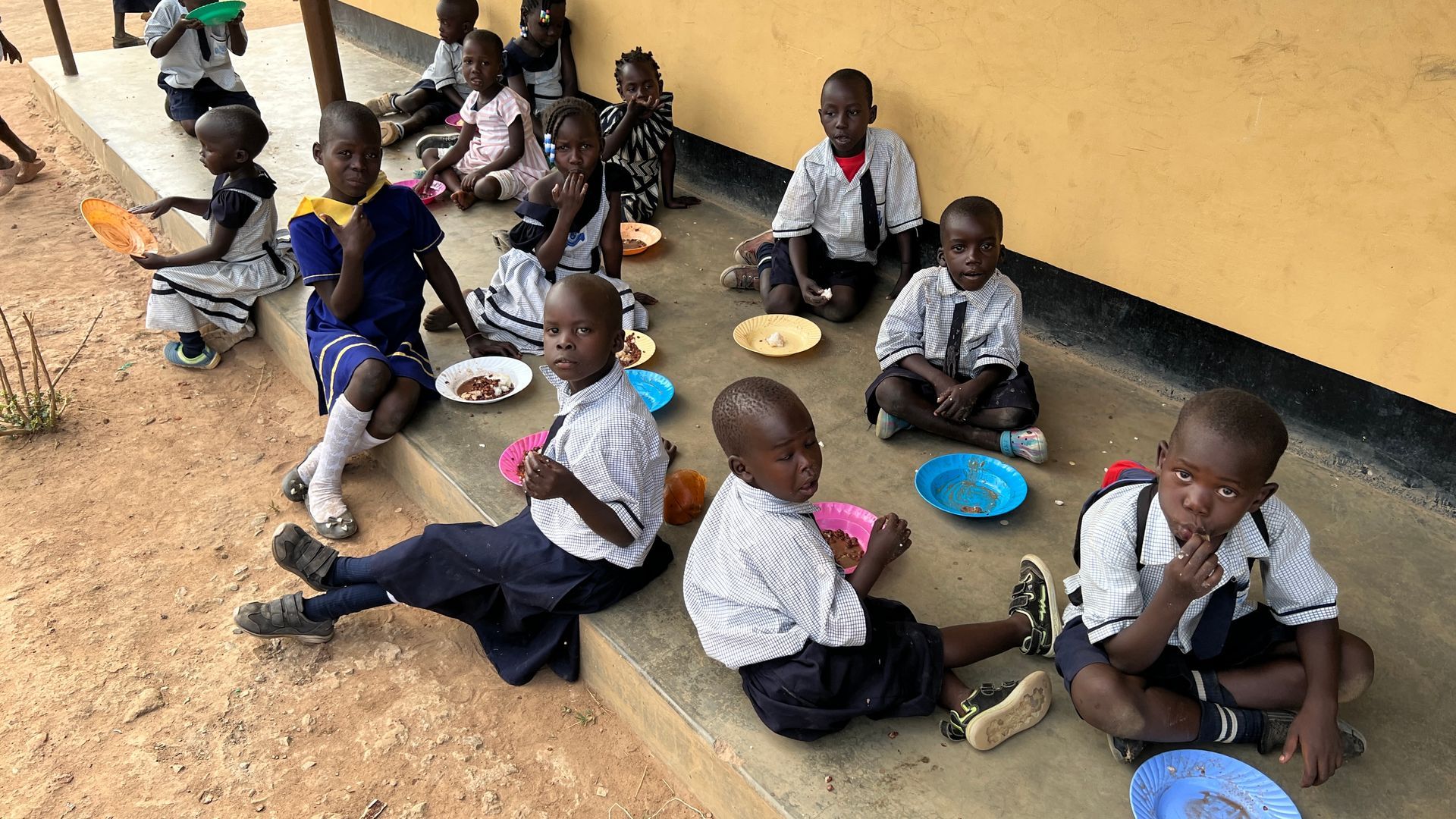
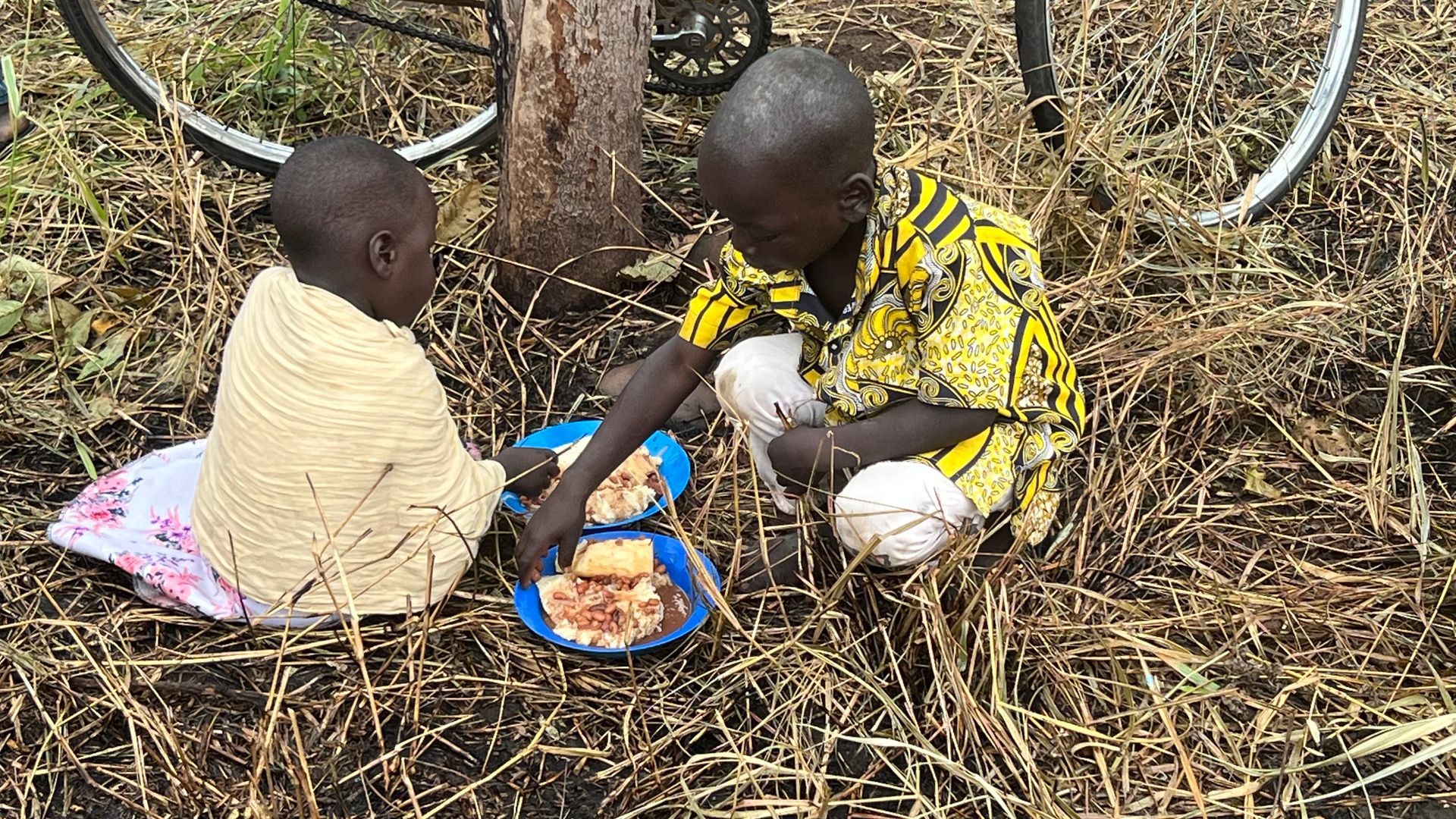
The hunger crisis in Africa has always been more than a problem; it's been a silent emergency that robs children of their future, one missed meal at a time—knowing how your contributions can transform lives by feeding starving children in Africa. Understanding the gravity of this issue is the first step toward creating a sustainable solution. 

In this comprehensive post, we will unravel the complexities of African child starvation and discuss the multifaceted approach needed to combat it effectively. From international aid to education sustainable farming to technology, we will explore the various layers of intervention required to feed starving children in Africa. With the compassionate strength of individuals and the strategic influence of organizations, we can turn the tide and nurture a continent's most precious resource – its children.

The Hunger Crisis in Africa: Understanding the Scale and Severity

Introduction to the Hunger Crisis

Hunger is not a new struggle for Africa. It's an intergenerational fight against complex adversities of poverty, conflict, and environmental fragility. In the silent corners of the continent, children waste away, their futures traded for the most basic necessity – food.

The Scale of Starvation in Africa

The statistics are staggering – millions of children across the continent face severe malnourishment. It's a crisis that demands urgent action. We'll unpack the numbers and illustrate the breadth of this heart-wrenching epidemic.

Identifying Causes and Impacts

Explore the interconnected roots of African child starvation, from political unrest to droughts and beyond.

We will underline the enduring impacts on physical health, and cognitive development, and the broader societal fabric.

How Amigos Internationales Is Feeding Starving African Children
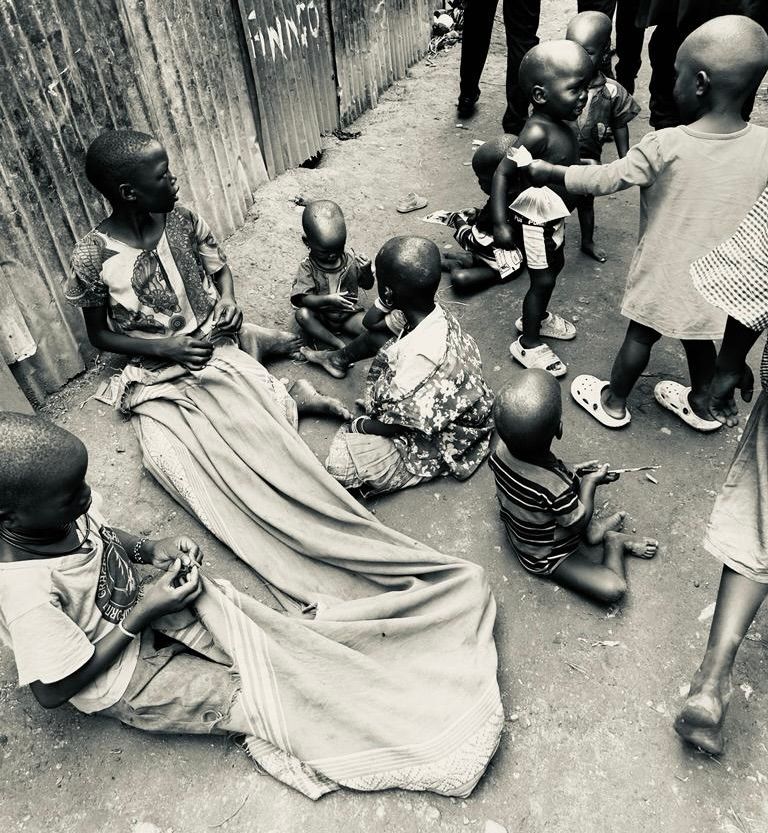
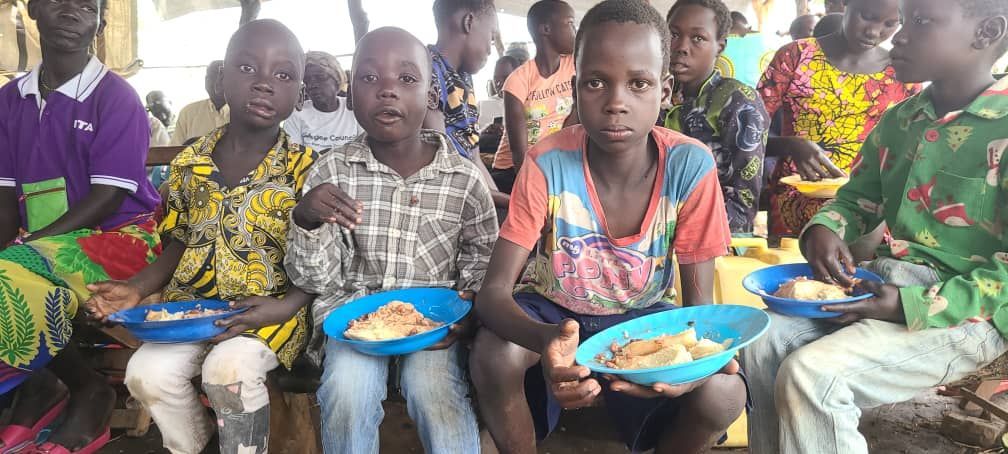
A black and white photo of a group of children sitting on the ground
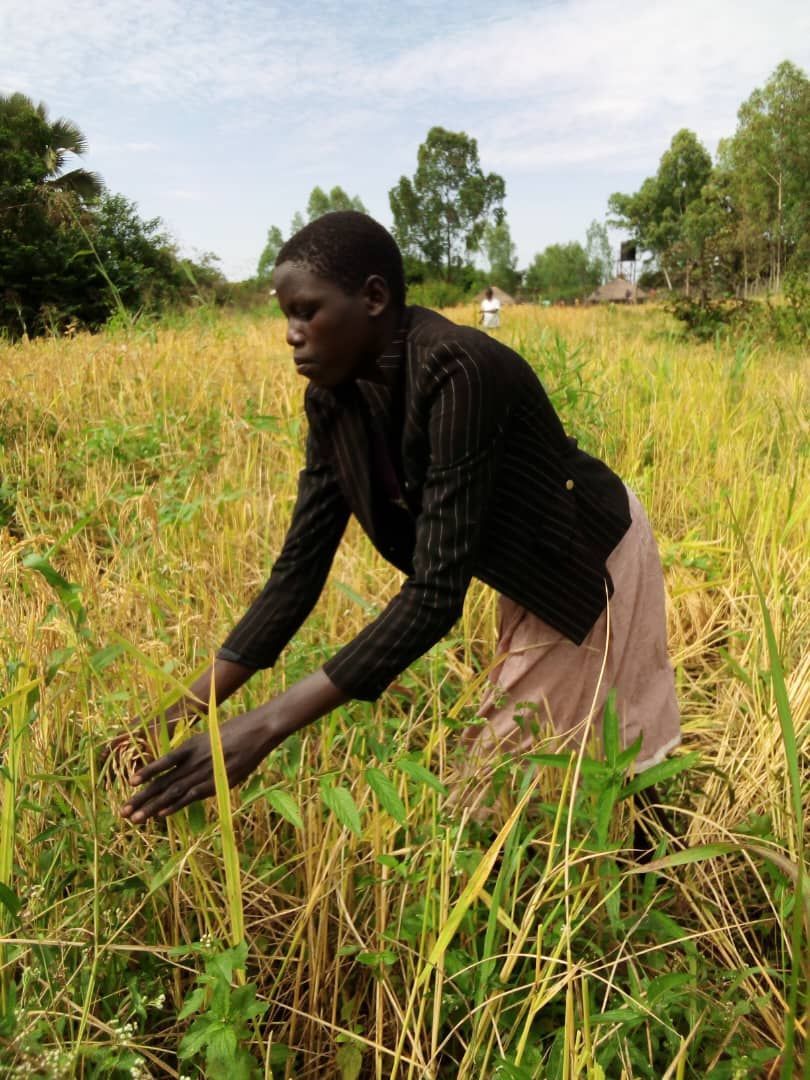
A woman is kneeling in a field of tall grass

Aid Summary

Amigos Internacionales is vital to the survival of many children in Africa. This section will detail the different forms of aid and the organizations at the forefront of these efforts.

Noteworthy Successes

Highlight remarkable success stories where aid has made a tangible difference in saving children's lives and offering hope to struggling communities.

Navigating Challenges

Despite its necessity, providing aid also comes with obstacles. We will reflect on these challenges and the innovative approaches that are being developed to overcome them.

Support Mechanisms

For readers inspired to support international aid efforts, clear and direct pathways for involvement will be shared.

Whether through donations, volunteering, or advocacy, there is a role for everyone in this critical mission.
A blue and white logo for aqua life.org

The Role of Education in Preventing Starvation Among African Children

Educational Initiatives and Partnerships

Education is a powerful tool against starvation. We'll explore groundbreaking programs and partnerships that are transforming child nutrition and well-being.

Connecting Education and Nutrition

Understanding the inextricable link between education and nutrition is crucial. We'll examine how literacy and school attendance can significantly impact a child's access to food.

Real-life Impact

Progress cannot just be measured in percentages and graphs; it's in the stories of children who break the cycle of malnutrition because of education. These inspiring tales will underscore the efficacy of educational interventions.

Ways to Get Involved

Concrete ways for readers to support educational initiatives will be outlined, from sponsoring a child's education to volunteering in literacy programs.

Sustainable Farming Solutions to Feed Starving Children in Africa

The Importance of Sustainability

Sustainable farming offers a long-term answer to the persistent issue of starvation. This segment will explain why sustainable agriculture is key to Africa's food security.

Innovations in Farming Techniques

We will cover the innovative approaches that African farmers and international organizations are employing to create more resilient and productive food systems.

The Impact on Child Nutrition

How do these new farming practices translate into full stomachs for the continent's children? This part will detail the positive nutritional effects that sustainable farming brings.

How Readers Can Contribute

Every reader can be part of the sustainable farming movement through learning about, supporting, or participating in initiatives that promote agricultural sustainability
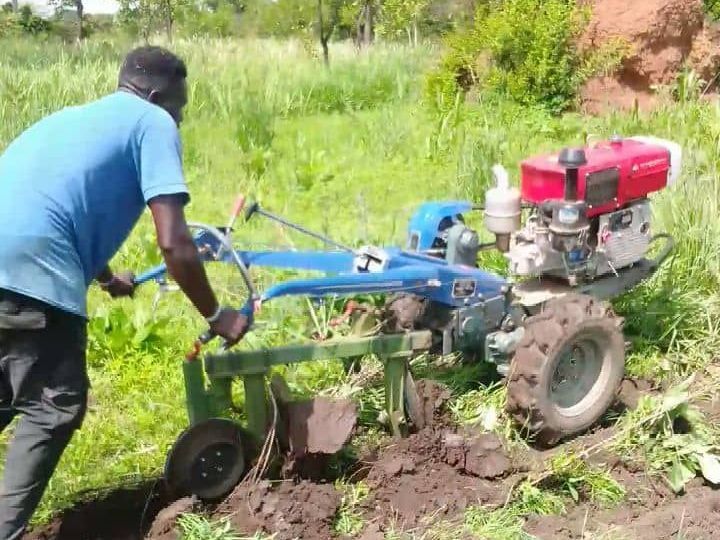
A man is plowing a field with a small tractor.

Personal Stories of Hope: Overcoming Starvation in Africa

Narratives of Resilience

Amidst the daunting statistics, personal stories of triumph always stand out. We'll share narratives of children and families who have defied the odds and fought their way out of starvation.

The Role of Support Systems

The impact of local and international support cannot be overstated. Here, we will reflect on the role of community and global allies in these successful journeys.

Lessons Learned

What lessons can we glean from those who have overcome? This section will distill key takeaways for effective intervention strategies.

Inspiring Action and Support

Individual stories can catalyze global movements. We'll discuss how these triumphs can serve as beacons, igniting a passion for helping others in need.

Nutrition Programs Making a Difference for African Children

Overview of Nutrition Programs

Nutrition-specific interventions are critical in the fight against hunger. This part will provide an overview of programs targeting the most vulnerable groups.

The Impact on Child Health

Explores the comprehensive health benefits that nutrition programs bring, from reduced mortality rates to improved cognitive function.

Operational Challenges

Running these programs in remote and underprivileged areas is no small feat. Learn about the logistical hurdles and the resilience of aid workers in the field.

Pathways for Support

Aiding these programs can be as straightforward as a click on a donation link. We'll provide tips on finding trustworthy organizations and the various ways to contribute.
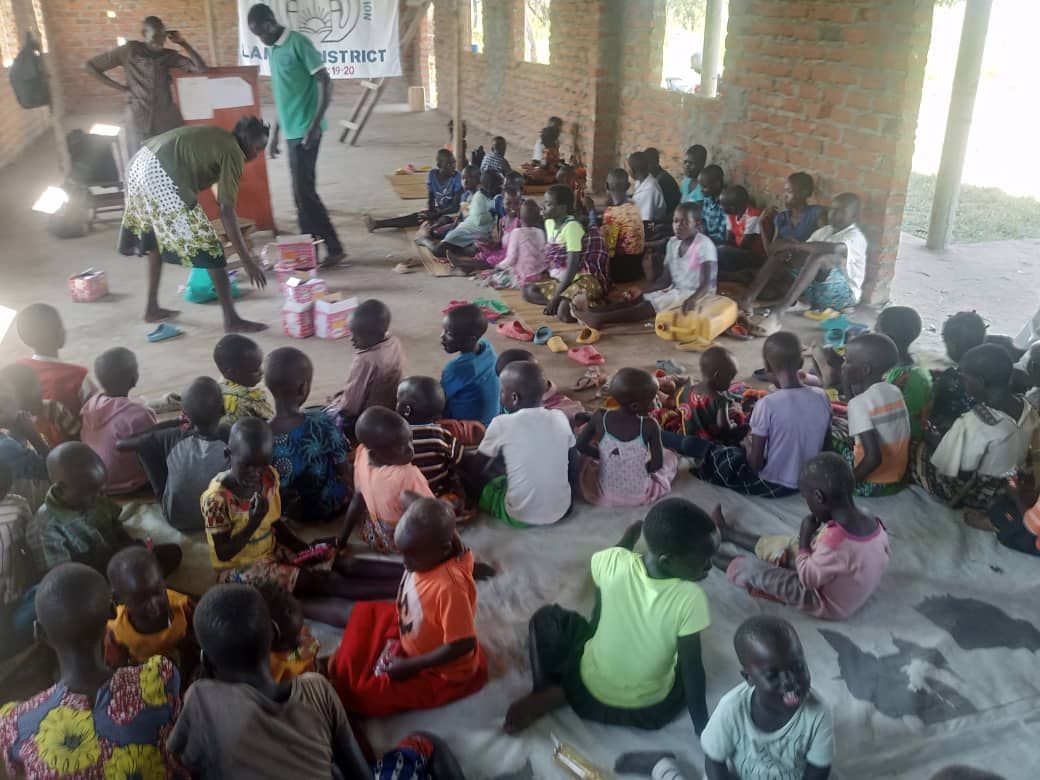
A group of children are sitting on the floor in a room.
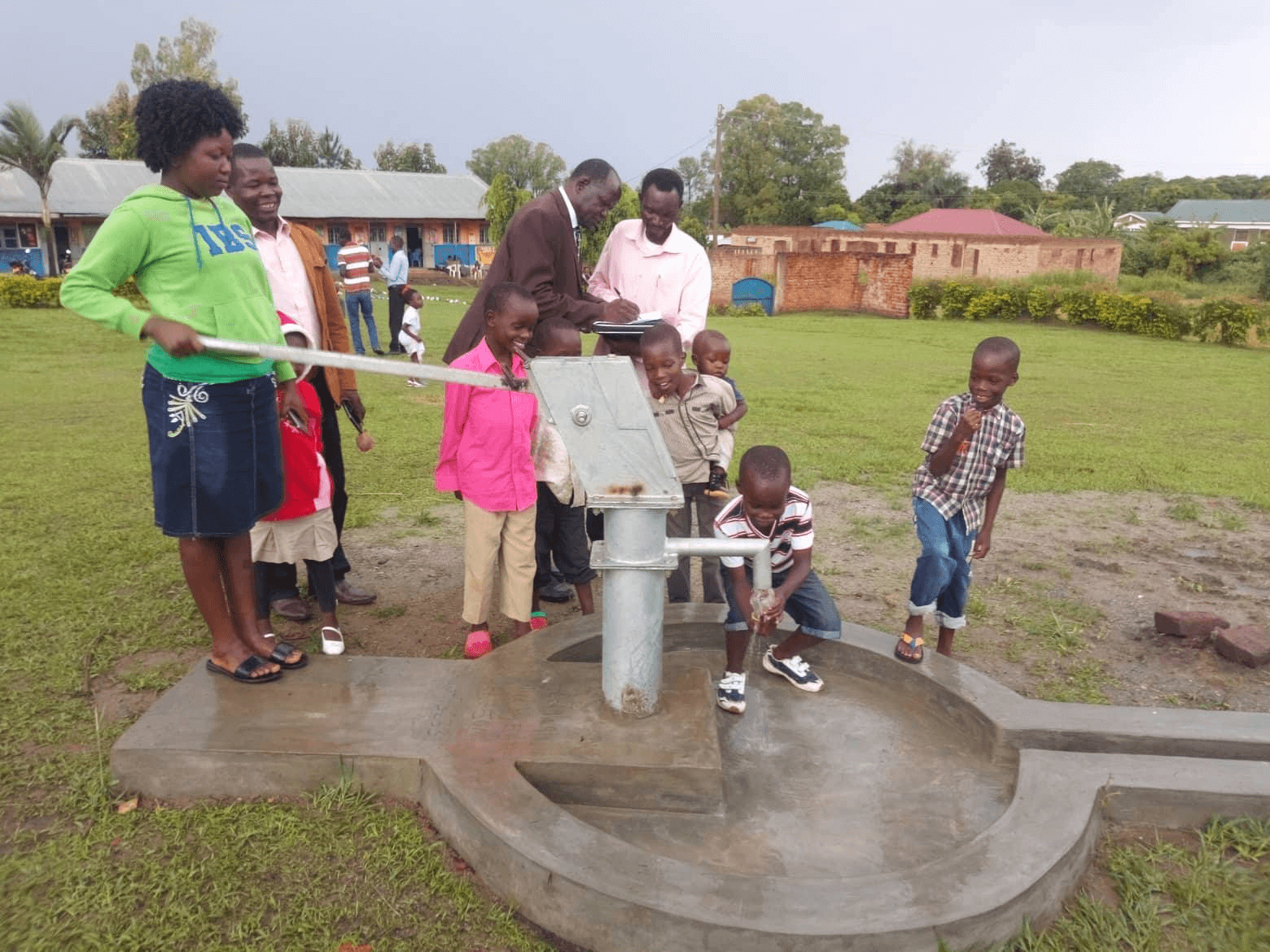
A group of people are standing around a water pump

The Importance of Clean Water in Combating Child Starvation in Africa

The Water-Nutrition Connection

Clean water is fundamental to achieving and maintaining good nutrition. This section will draw the link between water access and the alleviation of hunger.

Hygiene and Sanitation (WASH) Programs

Actions speak louder than words – particularly in the implementation and success of WASH programs. We'll examine their role and importance.

Success Stories in Water Access

Individuals, communities, and governments uniting for a common cause – we'll recount stories where the provision of clean water drastically changed the landscape of child health.

Supporting Clean Water Initiatives

From funding well projects to participating in awareness campaigns, there are direct ways for readers to support clean water initiatives for African children.


Volunteer Opportunities to Help Feed Starving African Children

Types of Volunteer Work Available

There's a plethora of volunteer work that can make a difference in the lives of starving African children. We'll detail some of the opportunities and what each entails.

Personal Experiences from Volunteers

Hearing from volunteers themselves can be a powerful motivation. We'll share their stories and the impact they've had.

Making a Difference

Volunteering isn't just about giving; it's about the change you can be part of. This section will emphasize the profound personal rewards and global impact that volunteering can have.

Finding and Joining Volunteer Programs

With a multitude of organizations seeking volunteers, finding the right fit can be overwhelming. This part will provide practical tips on identifying and signing up for these programs.

The Power of Donations: Transforming Lives of Starving African Children

The Utility of Donations

Philanthropic giving is a lifeline for many aid initiatives. This section will elucidate on the practical effects of donations in the context of child starvation.

Stories of Impact

Through specific stories and examples, we'll illustrate how each donation is a crucial component in the larger machinery of support and change.

Donating with Confidence

We'll offer a guide on identifying reputable organizations, ensuring that your contribution reaches those who need it most.

Best Practices for Charitable Giving

This portion will be a primer in strategic donation – what to give when to give, and why giving smart can amplify your impact.

Building a Future Free from Hunger for African Children

Long-term Strategies

Temporary relief is crucial, but it's the long-term solutions that will break the cycle of hunger. We'll discuss strategies that aim to achieve enduring food security.

The Role of Government and Policy

Policies shape the landscape of aid and intervention. We'll examine the influence of governmental actions in eradicating child starvation throughout Africa.

Education and Economic Development

An educated populace engaged in a thriving economy is a population less likely to starve. Explore the intricate relationship between education, economic development, and food security.

Mobilizing Community Efforts to Feed Starving Children in Africa

Community-led Initiatives

Communities know their needs best – and often the best responses come from within. Highlighting specific initiatives will underscore the power of local action.

The Importance of Community Involvement

Discusses the pivotal role of community engagement in ensuring the sustainability and relevance of aid interventions.

Organizing Support in Your Area

Action can start right at home. This section will inspire and guide readers on how to galvanize support and resources within their communities.

Partnering with Local Organizations

Working hand-in-hand with established local entities can magnify the impact of individual contributions. We'll offer insights on effective partnerships.

Technology's Role in Solving Hunger Among African Children

Innovation in Food Accessibility

Cutting-edge technologies have the potential to break down barriers between hungry children and the food they need. This section will explore how.

Technological Solutions at Work

Case studies will show how practical applications of tech have revolutionized the accessibility and quality of nutrition for African children.

Challenges and Opportunities

The digital divide is very real. We'll discuss the ongoing challenges in tech adoption and the opportunities that arise for addressing these gaps.

Supporting Tech Initiatives

For those inclined toward tech philanthropy, we'll delineate ways to support and fund the technological solutions that are at the front lines of feeding African children.

Addressing Health Issues to Combat Child Starvation in Africa

Health as a Support to Nutrition

Good health is foundational to good nutrition. We'll look at the ways health interventions support broader efforts to fight child starvation.

Interventions with Tangible Results

There's no better proof than results. We'll share examples of health programs that have made a palpable difference in the lives of African children.

Challenges in Providing Health Care

From the shortage of healthcare workers to the infrastructure gap, providing healthcare in hunger-stricken areas brings its unique set of challenges.

Contribution Guidelines for Health Initiatives

We'll offer guidance for those looking to contribute to health initiatives through donations or volunteer efforts.

Engaging in Policy Advocacy to End Child Starvation in Africa

The Role of Policy in Hunger Relief

Policy changes can create a more conducive environment for aid to be effective. We'll investigate the role that policy plays in the fight against child hunger in Africa.

Stories of Policy-Driven Change

Sometimes, all it takes is one policy to revolutionize a nation's approach to hunger. We'll share such narratives to inspire readers about the power of their voices.

How Individuals Can Engage in Advocacy

Breaking down policy may seem daunting, but it's not impossible. We'll provide practical steps for individuals to amplify their voices and advocate for change.

Supporting Advocacy Organizations

Strength in numbers – supporting organizations that advocate for policy changes can be as crucial as directly providing aid. We'll show readers how to step into this supportive role.

The Role of the Media in Highlighting African Child Starvation

Media Coverage and Its Impacts

The media, as a double-edged sword, can shape public perceptions and drive significant action. This section will explore the influence of media coverage on African child starvation.

Responsible Reporting

Not all media coverage is created equal. We'll discuss the hallmarks of responsible journalism in the context of humanitarian reporting.

Impactful Media Campaigns

One headline can change the world. We'll feature media campaigns that have highlighted the issue of African child starvation and the waves they've made.

Supporting Media Initiatives

For readers with a passion for media, this part will outline ways to support responsible and impactful coverage of African child hunger.

Cultural Approaches to Nutrition and Food Security in Africa

Traditional Practices that Work

Africa's indigenous knowledge holds centuries of wisdom on surviving and thriving in challenging environments. We'll highlight some of these traditions and their modern-day relevance.

The Role of Culture in Nutrition Education

A culture of awareness makes for better nutrition. We'll discuss how education programs rooted in local cultural practices can be more effective.
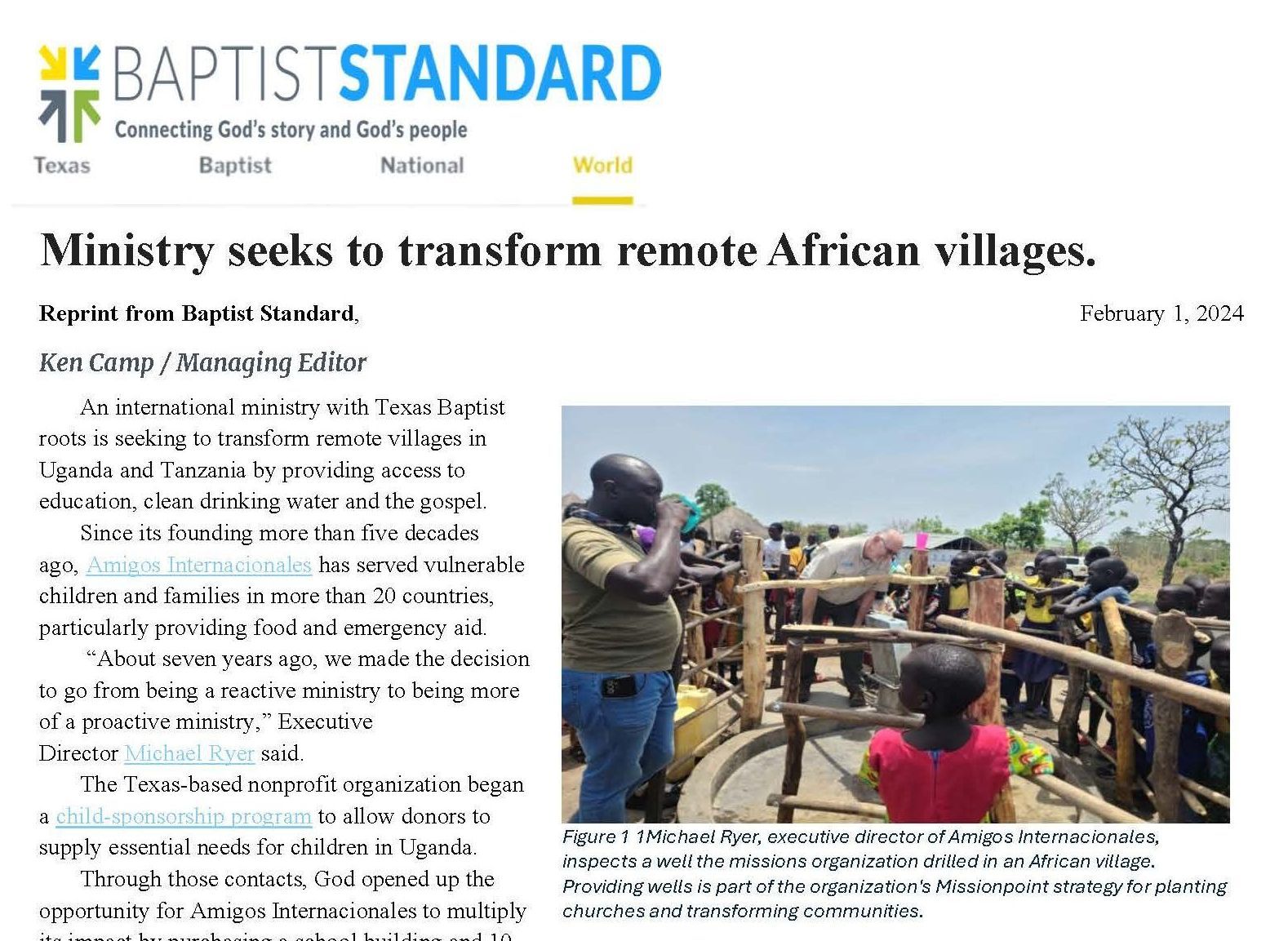
A screenshot of a news article titled ministry seeks to transform remote african villages.

Integration with Modern Approaches

Traditional practices need not stand in contrast to modern solutions. We'll explore how African nations and aid organizations are integrating the best of both worlds.

Supporting Cultural Preservation

Celebrating and preserving cultural practices is more than a gesture; it's key to respecting and maintaining food security for African children. We'll discuss why and how to support these efforts.

Global Solidarity: How the World Can Support Starving African Children

The Importance of International Cooperation

A global issue demands a global response. This section will underline the significance of international cooperation in addressing African child starvation.

Examples of Successful International Partnerships

From multilateral initiatives to international NGO clusters, strong partnerships can achieve what no single entity can. We'll highlight some of these successful models.

Challenges in Maintaining Global Solidarity

The harmony of the global village is not always in tune. We'll discuss the challenges that arise in maintaining support for Africa's hungry children, and how to conquer them.

Individual Promotion of International Support

Every individual has a sphere of influence. We'll discuss how to leverage personal networks to promote international support for African child hunger relief.

The Future of Food Security for African Children: Innovations and Predictions

at Emerging Trends in Hunger Relief

The field of food security is dynamic, and innovations are continually reshaping the landscape. We'll look at some of the emerging trends and cutting-edge solutions.

Fostering Innovation

Innovation does not occur in a vacuum. We'll explore the policies and ecosystems that foster an environment conducive to creative problem-solving.

Predicting and Preparing for Change:

Anticipating and preparing for future challenges is as important as addressing current needs. We'll discuss how organizations are strategizing for an uncertain future.

Support for Crafting and Future Solutions

To turn predictions into reality, ongoing support for the development and implementation of new solutions is critical.

The call to action echoes loudly in every beautifully crafted storyline and painstakingly researched statistic – feed starving African children. Whether through financial support, on-the-ground action, or the amplification of essential voices, each of us holds the power to play a part in crafting a future where no child's belly knows the pain of hunger in Africa.
Donate today
A blue and yellow logo for mission point
A blue and white logo for aqua life.org
A logo for amigos internacionales shows two hands hugging each other
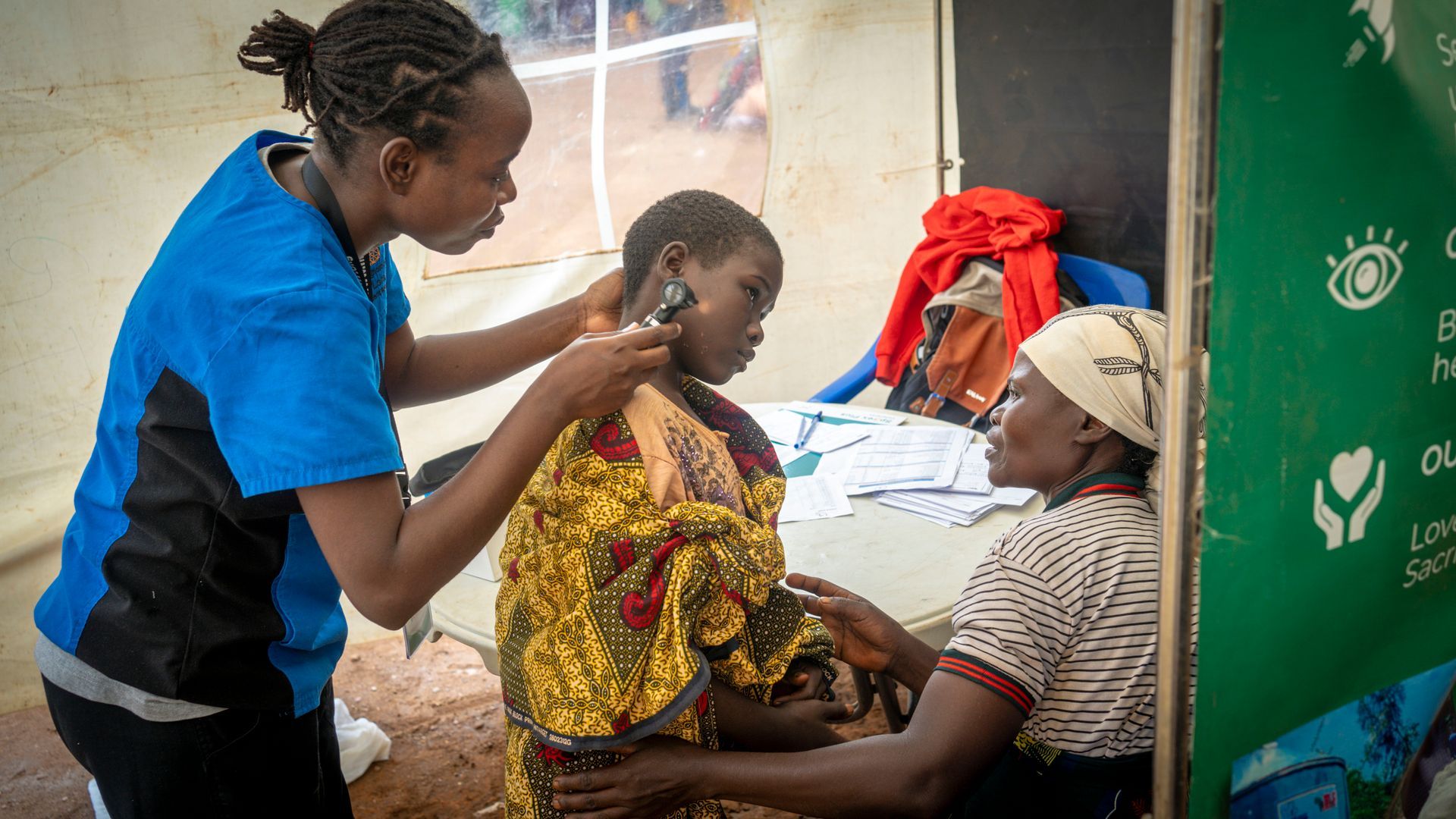
MissionPoint Burundi free medical camp in Gisuru, doctors treating patients
By Amigos Internacionales April 28, 2026
In Gisuru, Burundi, 81% live in poverty and children walk miles for water. Amigos MissionPoint Burundi brings free medical care to those who've never seen a doctor. Give today.
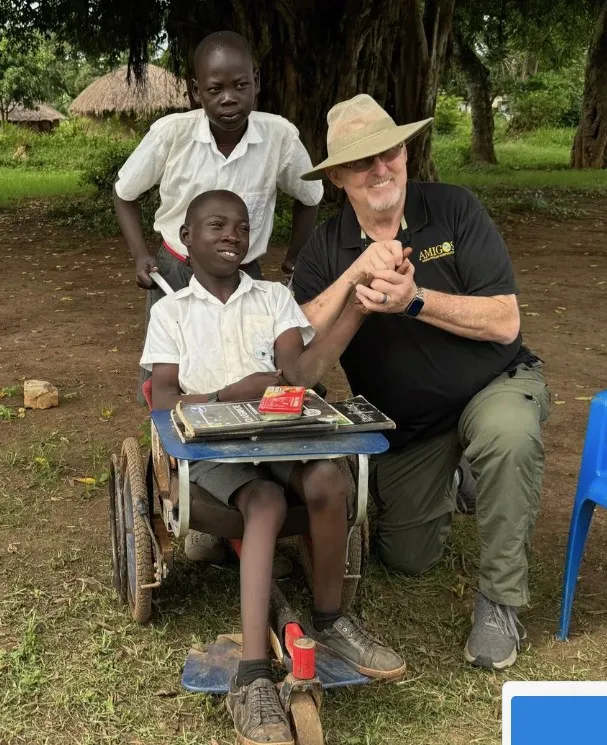
Two people beside a wheelchair outside, with a child seated at a small desk in a grassy outdoor area.
By Amigos Internacionales April 27, 2026
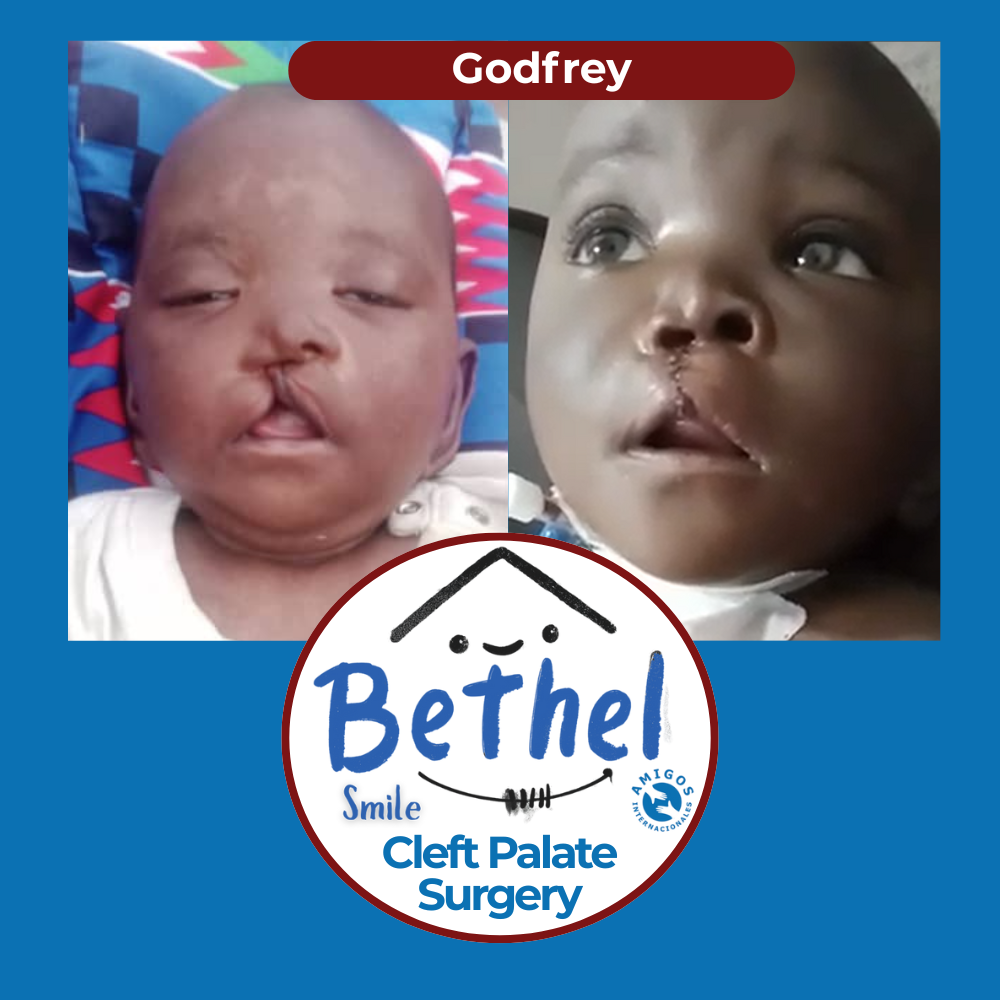
Texas nonprofit delivers $10M in medical care on $185K — 36 cleft palate surgeries in 3 days in Uganda. Featured in the Tyler Morning Telegraph, April 2026.
By Amigos Internacionales April 13, 2026
Learn how church missions in Africa, through partnerships with Amigos Internacionales, can bring lasting change to communities in need. Get involved in education, healthcare, and development projects.
By Amigos Internacionales April 9, 2026
Discover the resilience of refugees in Northern Uganda and how Amigos Internacionales is providing medical care, education, and empowerment to help rebuild lives.
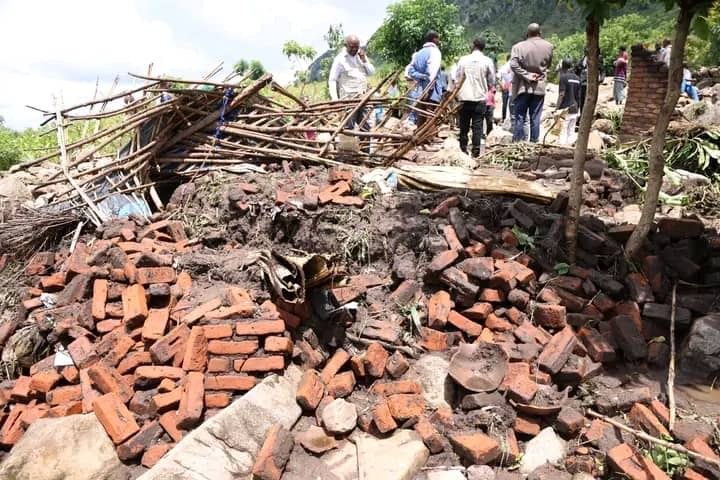
People stand near the ruins of a collapsed brick building in a grassy, mountainous area.
By Victor Phiri April 4, 2026
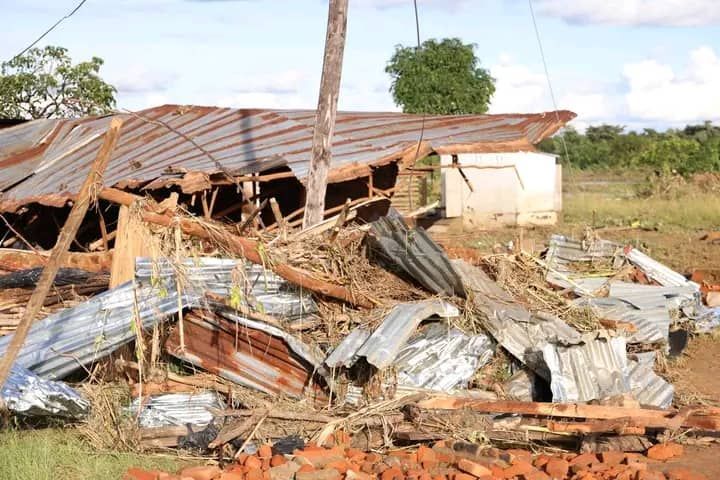
Deadly floods and landslides have displaced families in Malawi’s Mulanje and Phalombe districts, leaving them without shelter or food. Learn how emergency tents and food relief can bring hope—and how you can help today.
By Victor Phiri April 1, 2026
From 15–19 March 2026, relentless heavy rains triggered destructive flooding across southern Malawi, leaving a trail of shattered homes, damaged fields, and grieving families in districts like Mulanje and Phalombe. As a Christian medical and community ministry , Amigos Internacionales’ Missionpoint Malawi is on the ground, helping families survive this disaster and begin to rebuild their lives. A Disaster on a National Scale
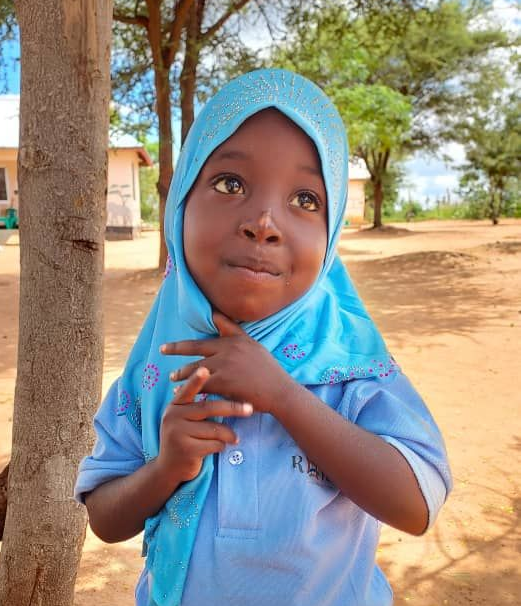
A child wearing a light blue hijab and shirt, smiling while touching their chin, standing outdoors in a sandy area.
By Amigos Internacionales March 28, 2026
Perpetua’s story in Tanzania reveals the daily reality of living with sickle cell and how compassionate medical care and faith bring hope to vulnerable children.
By Amigos Internacionales March 27, 2026
Learn about the water crisis in rural Uganda and how Amigos Internacionales is providing sustainable, clean water solutions to transform lives and communities.
By Amigos Internacionales March 26, 2026
Learn how child sponsorship in Africa transforms lives in Uganda through education, healthcare, and long-term community impact.
By Amigos Internacionales March 25, 2026
A Ground Prepared Together Loyobo, Uganda — March 2026 There is a quiet theology unfolding in Loyobo. Before any patient is seen, before medicines are distributed, before prayers are spoken over the sick—there is soil being turned. There are hands pressing into earth. There is a community preparing space. In these early days leading up to the medical camp on March 27–28, the people of Loyobo are not waiting for care—they are making room for it. Men and youth gather under open skies, clearing land that will soon receive both bodies and stories. The ground, once wild and overgrown, is becoming a place of welcome. This is not simply preparation; it is participation. It is dignity taking form in action.
By Amigos Internacionales March 24, 2026
Discover why children in rural Africa lack access to life-saving surgery and how Amigos Internacionales is providing hope through medical missions.
By Amigos Internacionales March 19, 2026
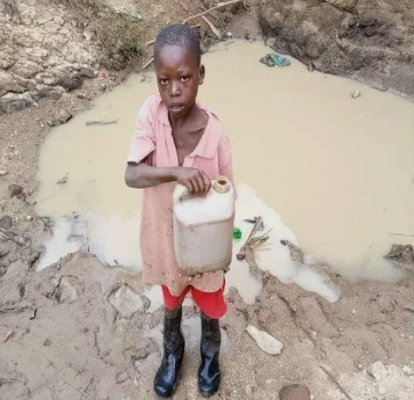
The most expensive decision is often the one that does nothing When people talk about the cost of a water well, they usually mean drilling, equipment, labor, and maintenance. Those costs are real. They matter. However, the bigger question is often ignored. What does it cost when a well is never drilled? In East Africa, that answer is measured in sickness, lost time, missed school, and stalled progress. It is also measured in futures that never fully open. A village without clean water does not simply lack convenience. It lacks a foundation. Unsafe water keeps families trapped in preventable illness The first cost is health. When families depend on ponds, surface runoff, or contaminated collection points, disease spreads fast. The World Health Organization warns that contaminated drinking water can transmit diarrhoea, cholera, dysentery, typhoid, and polio. WHO also estimates that unsafe drinking water causes about 505,000 diarrhoeal deaths each year. That number is global. Yet the daily reality feels painfully local. A child drinks unsafe water. That child gets sick. A mother stays home to care for him. A father loses work hours. A clinic visit costs money the family did not plan to spend. Then it happens again. This is what “no well” really costs.
More Posts

Social Media

MissionPoint Burundi free medical camp in Gisuru, doctors treating patients
By Amigos Internacionales April 28, 2026
In Gisuru, Burundi, 81% live in poverty and children walk miles for water. Amigos MissionPoint Burundi brings free medical care to those who've never seen a doctor. Give today.
Two people beside a wheelchair outside, with a child seated at a small desk in a grassy outdoor area.
By Amigos Internacionales April 27, 2026
Texas nonprofit delivers $10M in medical care on $185K — 36 cleft palate surgeries in 3 days in Uganda. Featured in the Tyler Morning Telegraph, April 2026.
By Amigos Internacionales April 13, 2026
Learn how church missions in Africa, through partnerships with Amigos Internacionales, can bring lasting change to communities in need. Get involved in education, healthcare, and development projects.
By Amigos Internacionales April 9, 2026
Discover the resilience of refugees in Northern Uganda and how Amigos Internacionales is providing medical care, education, and empowerment to help rebuild lives.
People stand near the ruins of a collapsed brick building in a grassy, mountainous area.
By Victor Phiri April 4, 2026
Deadly floods and landslides have displaced families in Malawi’s Mulanje and Phalombe districts, leaving them without shelter or food. Learn how emergency tents and food relief can bring hope—and how you can help today.
By Victor Phiri April 1, 2026
From 15–19 March 2026, relentless heavy rains triggered destructive flooding across southern Malawi, leaving a trail of shattered homes, damaged fields, and grieving families in districts like Mulanje and Phalombe. As a Christian medical and community ministry , Amigos Internacionales’ Missionpoint Malawi is on the ground, helping families survive this disaster and begin to rebuild their lives. A Disaster on a National Scale
A child wearing a light blue hijab and shirt, smiling while touching their chin, standing outdoors in a sandy area.
By Amigos Internacionales March 28, 2026
Perpetua’s story in Tanzania reveals the daily reality of living with sickle cell and how compassionate medical care and faith bring hope to vulnerable children.
By Amigos Internacionales March 27, 2026
Learn about the water crisis in rural Uganda and how Amigos Internacionales is providing sustainable, clean water solutions to transform lives and communities.
By Amigos Internacionales March 26, 2026
Learn how child sponsorship in Africa transforms lives in Uganda through education, healthcare, and long-term community impact.
By Amigos Internacionales March 25, 2026
A Ground Prepared Together Loyobo, Uganda — March 2026 There is a quiet theology unfolding in Loyobo. Before any patient is seen, before medicines are distributed, before prayers are spoken over the sick—there is soil being turned. There are hands pressing into earth. There is a community preparing space. In these early days leading up to the medical camp on March 27–28, the people of Loyobo are not waiting for care—they are making room for it. Men and youth gather under open skies, clearing land that will soon receive both bodies and stories. The ground, once wild and overgrown, is becoming a place of welcome. This is not simply preparation; it is participation. It is dignity taking form in action.
By Amigos Internacionales March 24, 2026
Discover why children in rural Africa lack access to life-saving surgery and how Amigos Internacionales is providing hope through medical missions.
By Amigos Internacionales March 19, 2026
The most expensive decision is often the one that does nothing When people talk about the cost of a water well, they usually mean drilling, equipment, labor, and maintenance. Those costs are real. They matter. However, the bigger question is often ignored. What does it cost when a well is never drilled? In East Africa, that answer is measured in sickness, lost time, missed school, and stalled progress. It is also measured in futures that never fully open. A village without clean water does not simply lack convenience. It lacks a foundation. Unsafe water keeps families trapped in preventable illness The first cost is health. When families depend on ponds, surface runoff, or contaminated collection points, disease spreads fast. The World Health Organization warns that contaminated drinking water can transmit diarrhoea, cholera, dysentery, typhoid, and polio. WHO also estimates that unsafe drinking water causes about 505,000 diarrhoeal deaths each year. That number is global. Yet the daily reality feels painfully local. A child drinks unsafe water. That child gets sick. A mother stays home to care for him. A father loses work hours. A clinic visit costs money the family did not plan to spend. Then it happens again. This is what “no well” really costs.
A person crouches near a muddy, polluted water source in a wooded area, filling a yellow plastic container.
By Amigos Internacionales March 19, 2026
Understanding the Real Cost of Clean Water Projects When people think about clean water, they often think about a simple well. However, the reality is far more complex. Bringing clean water to a rural village involves planning, logistics, and long-term sustainability. It is not just drilling a hole in the ground. Instead, it is building a system that will serve a community for years. On average, drilling a water well in Africa costs between $7,500 and $15,000. However, that number only tells part of the story.
A large group of people gathers on a dirt clearing in front of a long, thatched-roof building under a bright blue sky.
By Amigos Internacionales March 16, 2026
The Reality of Water in Northern Uganda In many parts of Northern Uganda, getting water is still a daily struggle. It is not just inconvenient. It is dangerous. Families often rely on shallow ponds or contaminated sources. During the dry season, these sources shrink. During the rainy season, they become even more polluted. As a result, waterborne diseases spread quickly. Children are especially vulnerable. According to the World Health Organization, unsafe water remains one of the leading causes of preventable illness worldwide. However, statistics only tell part of the story. The real impact shows up in missed school days, long walks, and constant uncertainty.
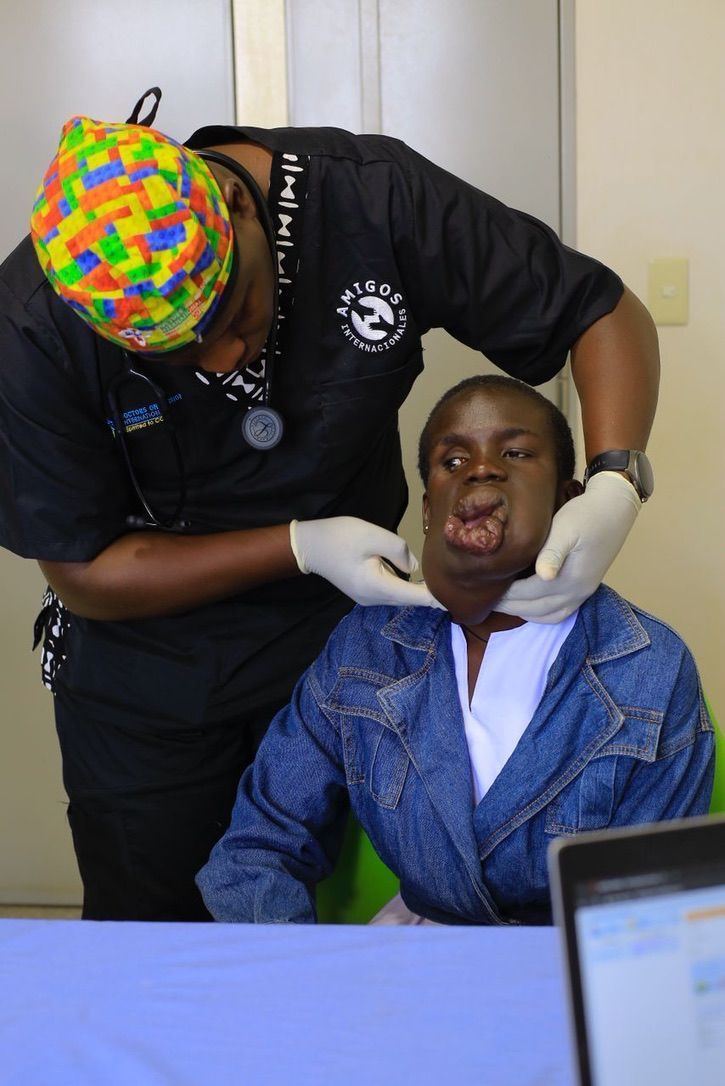
A healthcare provider wearing scrubs and gloves examines a patient with a visible facial growth on their lower jaw.
By Paul Mulyamboga March 13, 2026
“Discover how Amigos Internacionales brings life‑changing surgery to vulnerable children in rural Uganda, bridging the healthcare gap with compassionate care.”
Three children walking on a dirt road, one carrying a yellow jug, near green foliage.
By Victor Phiri February 26, 2026
In the rural communities of Mulanje District, there are children who wake up every morning ready to learn—but without the tools they need to understand the world around them. They are deaf. And in Malawi today, far too many of them are still waiting for a fair chance at education. At Missionpoint Malawi, in partnership with Amigos International, we are encountering a growing number of deaf children across Mulanje who are eager to learn, connect, and thrive. Yet their path to education is filled with barriers—systemic, social, and economic. This is a call not just for awareness—but for action. The Reality of Deaf Education in Malawi Since the early 2000s, Malawi shifted from a special education model to an inclusive education system. The vision was admirable: to integrate deaf children into mainstream classrooms alongside hearing peers. However, the implementation has revealed serious gaps. Across Malawi, more than 500,000 people are deaf or hard of hearing . Many of these children face: Limited access to quality education A severe shortage of trained teachers in Malawian Sign Language (MSL) Lack of learning materials tailored to deaf students Social isolation in mainstream schools Stigma and discrimination Extreme poverty that prevents access to boarding schools for the deaf While inclusive education is the national policy, many mainstream schools are not equipped to meet the educational needs of deaf learners. Teachers often lack training in sign language. Classrooms move at a pace that excludes deaf children from comprehension. Over time, many children withdraw—not because they lack intelligence, but because they lack access. Isolation Inside the Classroom Qualitative research conducted through Amigos International Mississippi–Malawi in three schools for the deaf and two mainstream schools revealed a troubling pattern. Deaf children in mainstream schools frequently reported: Feeling isolated and lonely Struggling to follow lessons Being unable to communicate effectively with teachers or peers Some children eventually leave mainstream schools and seek enrollment in special schools for the deaf—where they can communicate freely with deaf peers. But these schools are typically boarding institutions, and the costs are too high for many families living in poverty. As a result, some deaf children face an impossible choice: Attend a mainstream school where learning is limited, or Drop out because they cannot afford specialized education. No child should have to choose between belonging and learning. The Situation in Mulanje District In Mulanje alone, Missionpoint Malawi has already identified 60 deaf children in need of immediate support. And early outreach suggests the true number across the district is significantly higher. These children need: Access to Malawian Sign Language instruction Trained teachers or interpreters Specialized teaching materials Safe, inclusive learning environments Community support that reduces stigma Without intervention, many will remain excluded from meaningful education, limiting their future opportunities for employment, independence, and dignity. A Vision for Inclusive and Dignified Support At Missionpoint Malawi and Amigos International, we believe disability inclusion is not optional—it is essential to holistic community transformation. Our vision in Mulanje includes: Partnering with a local Deaf NGO to provide technical guidance Training teachers in Malawian Sign Language Providing learning materials tailored for deaf learners Creating community awareness to reduce stigma Supporting families facing extreme poverty Establishing structured programs that ensure deaf children are not left behind This initiative aligns with our broader commitments to: Education empowerment Child protection Community development Poverty alleviation Faith-based transformation rooted in dignity and compassion When we invest in a deaf child’s education, we are not offering charity—we are unlocking potential. Why This Matters for Malawi’s Future Education is not simply about literacy. It is about identity, opportunity, and voice. When deaf children are excluded: Communities lose future leaders Families remain trapped in poverty National development slows But when deaf children are included: They gain confidence and agency Families experience hope Communities grow stronger The question is not whether deaf children can learn. The question is whether we will provide the access they deserve. How You Can Help This is where compassionate partners and donors make the difference. Your support can help: Train a teacher in Malawian Sign Language Provide educational materials for a deaf child Support outreach to identify more deaf children in Mulanje Establish partnerships with disability-focused organizations Reduce stigma through community awareness programs Every gift becomes a bridge—connecting isolation to inclusion. We are preparing to expand our outreach and will soon document additional deaf children and families in Mulanje. As we meet disability communities across the district, we will share more stories and opportunities for partnership. Together, we can ensure that deaf children in Malawi are no longer invisible.
Surgeon in scrubs, headlight, smiling in operating room, blue drapes, medical equipment.
By Amigos Internacionales February 26, 2026
From 3-day medical camps and eye clinics to life skills training for women — discover how Amigos Internacionales brings holistic healing and empowerment to rural Uganda.
Students in uniform stand outside a building with teachers.
By Amigos Internacionales February 26, 2026
Over 700 children attend Amigos Internacionales schools in Uganda and Tanzania. Learn how building classrooms in rural Africa changes the trajectory of entire communities.
Large group of children posing in front of a partially constructed building. Outdoors, daylight.
By Amigos Internacionales February 26, 2026
Real Christian missions in Uganda go beyond short-term trips. Discover how Amigos Internacionales builds lasting faith, community, and change through the MissionPoint model.
Water flows from a metal spout into a concrete basin, a person's legs visible in the background.
February 26, 2026
Waterborne diseases kill thousands in Northern Uganda each year. Learn how Amigos Internacionales is drilling water wells in Gulu and rural Uganda — and how you can help.
Show More