Water Wells: A lifeline for Ugandan Refugee Settlements
Michael Ryer • January 4, 2024
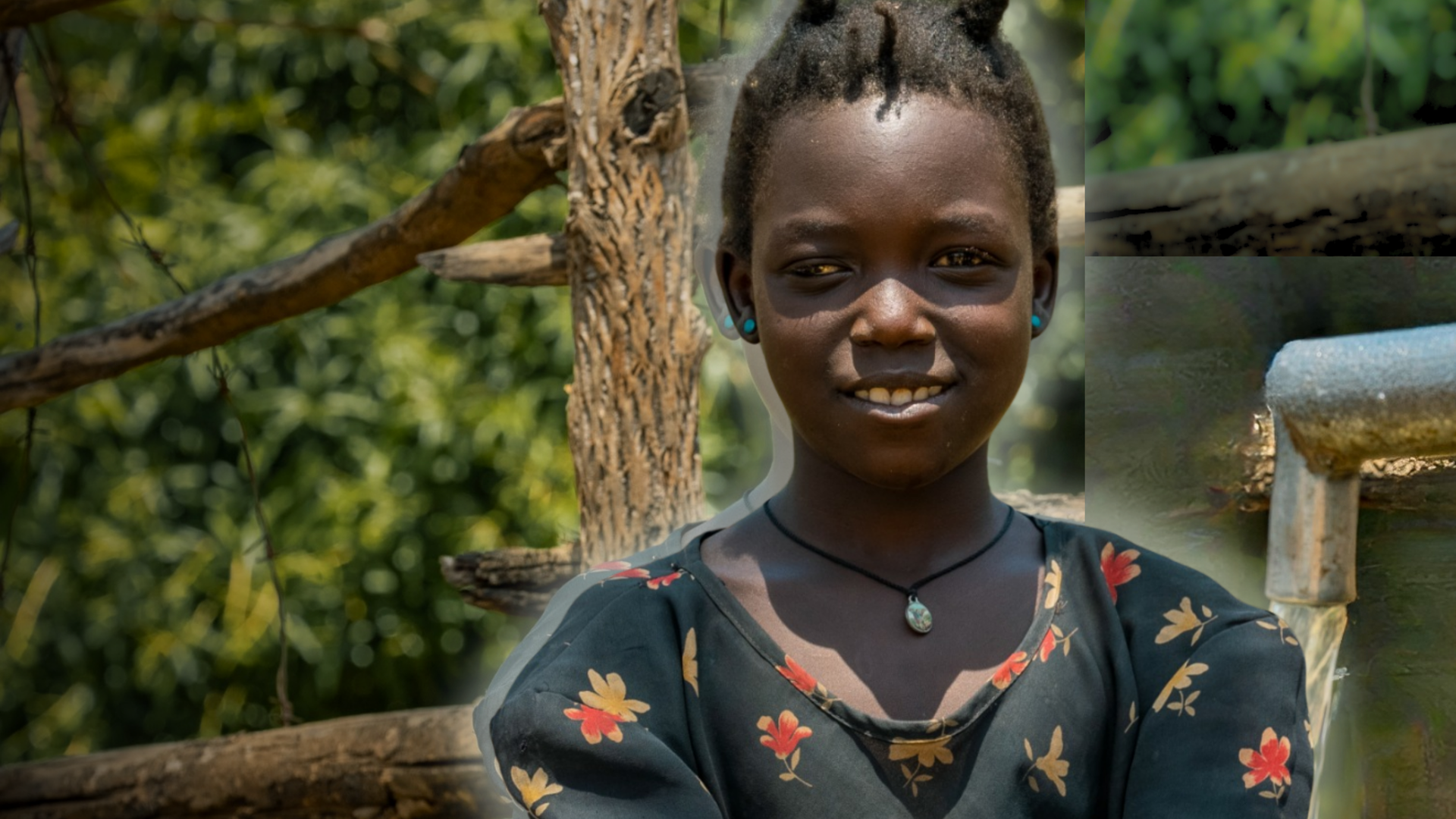
A poster for amigos mission in motion shows a girl holding a cup

In rural Uganda, where water access is a challenge, scarcity is even more pronounced in South Sudanese refugee settlements. This guide explores water well drilling, a crucial step in establishing sustainable and safe water access in these environments. Using these methods can greatly improve the lives of those affected, ensuring a better and safer future for communities in need.

Understanding the Context: Rural Uganda's Water Needs

The need for clean water in Uganda's rural areas, especially in refugee settlements, is critical. Here, planning for water well drilling must consider the unique geographical and social landscapes. It involves not just technical assessment but also understanding the community's needs and dynamics.

Site Selection: Catering to Community Needs

Choosing a Drilling Site in Rural Uganda

When it comes to choosing a drilling site in rural Uganda, there are several factors that need to be carefully considered in order to ensure the success and effectiveness of the project. One of the most important aspects to take into account is the local environment, as it plays a significant role in determining the feasibility of drilling a well in a particular area.


Additionally, it is crucial to consider the specific needs of South Sudanese refugees, who often rely on these water sources for their daily needs. In order to maximize the impact of the drilling site, it is essential to select a location that is easily accessible to the community. This means taking into consideration factors such as proximity to roads or other means of transportation, as well as the distance that people would need to travel in order to access the water source.


Choosing a site that is conveniently located, it becomes more likely that a larger number of people will be able to benefit from the well. Furthermore, the strategic positioning of the drilling site is of utmost importance.  A careful analysis of the demographics and distribution of the village population, it becomes possible to identify areas where the well can serve the greatest number of people. This involves taking into account factors such as population density, settlement patterns, and the presence of other water sources in the vicinity.


By strategically locating the drilling site, it becomes possible to maximize its impact and ensure that as many people as possible have access to clean and safe drinking water. Another crucial aspect to consider when selecting a drilling site in rural Uganda is the local terrain. The topography of the area can have a significant impact on the drilling process, as it can affect factors such as the stability of the ground and the ease of accessing the water table.


It is important to assess the geological characteristics of the site in order to determine the most suitable drilling techniques and equipment to be used. By understanding the local terrain, it becomes possible to minimize potential challenges and ensure the success of the drilling project.

Lastly, the depth of the water table is a key consideration when choosing a drilling site. The water table refers to the level at which groundwater is found in the ground. By understanding the depth of the water table, it becomes possible to determine the most appropriate drilling methods and equipment to be used.


Amigos Internacionales, is determined that every well drilled is at least 70 meters deep. This depth assures us of fresh, clean, water free from water borne pathogens. This information is crucial in order to ensure that the well can reach a sufficient depth to access clean and safe water.


Selecting a drilling site in rural Uganda requires careful consideration of various factors. By taking into account the local environment, the specific needs of South Sudanese refugees, the accessibility of the site, the strategic positioning, the local terrain, and the depth of the water table, it becomes possible to choose a location that will have a significant and positive impact on the community.


Drilling with Precision and Care
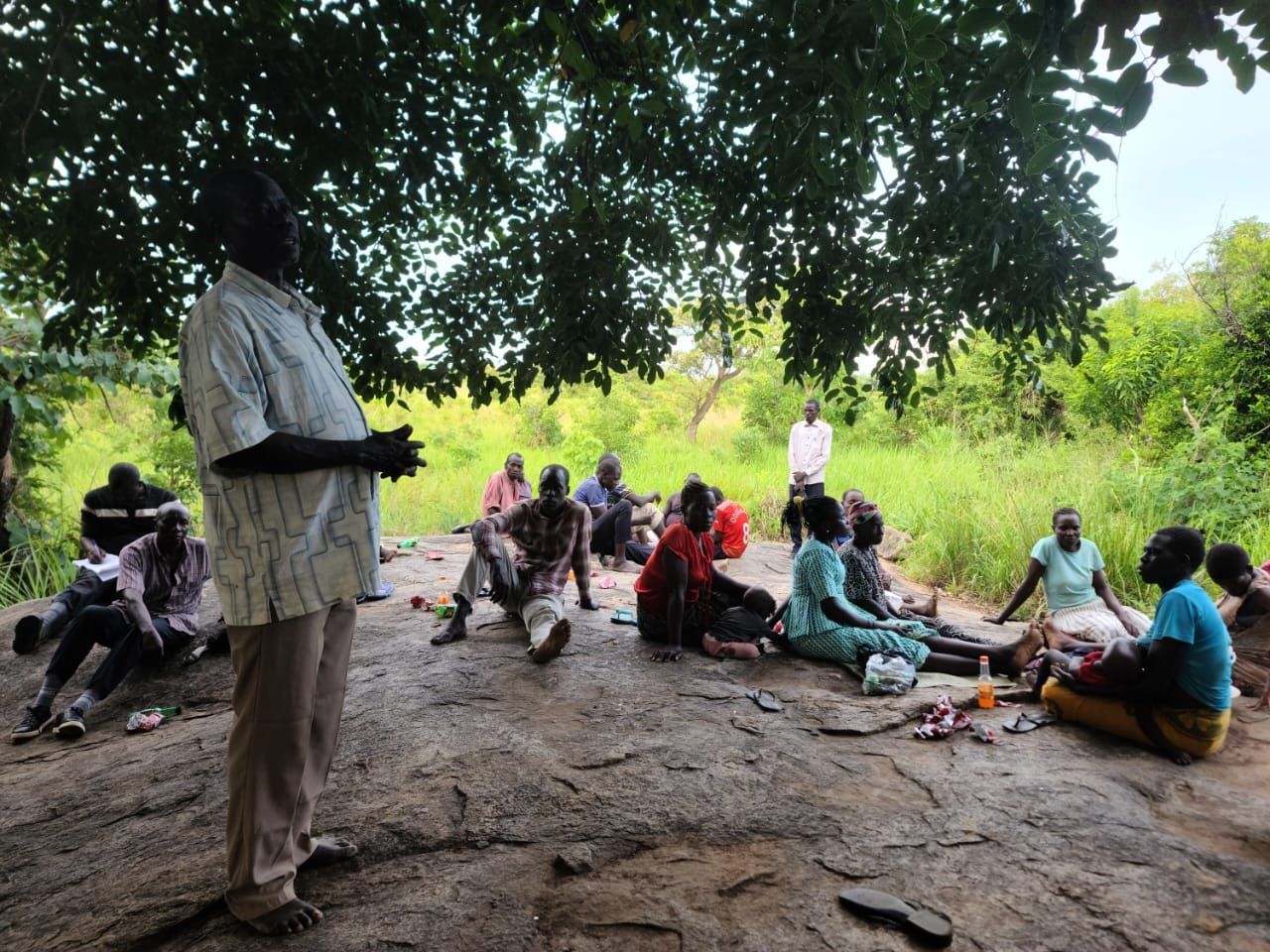
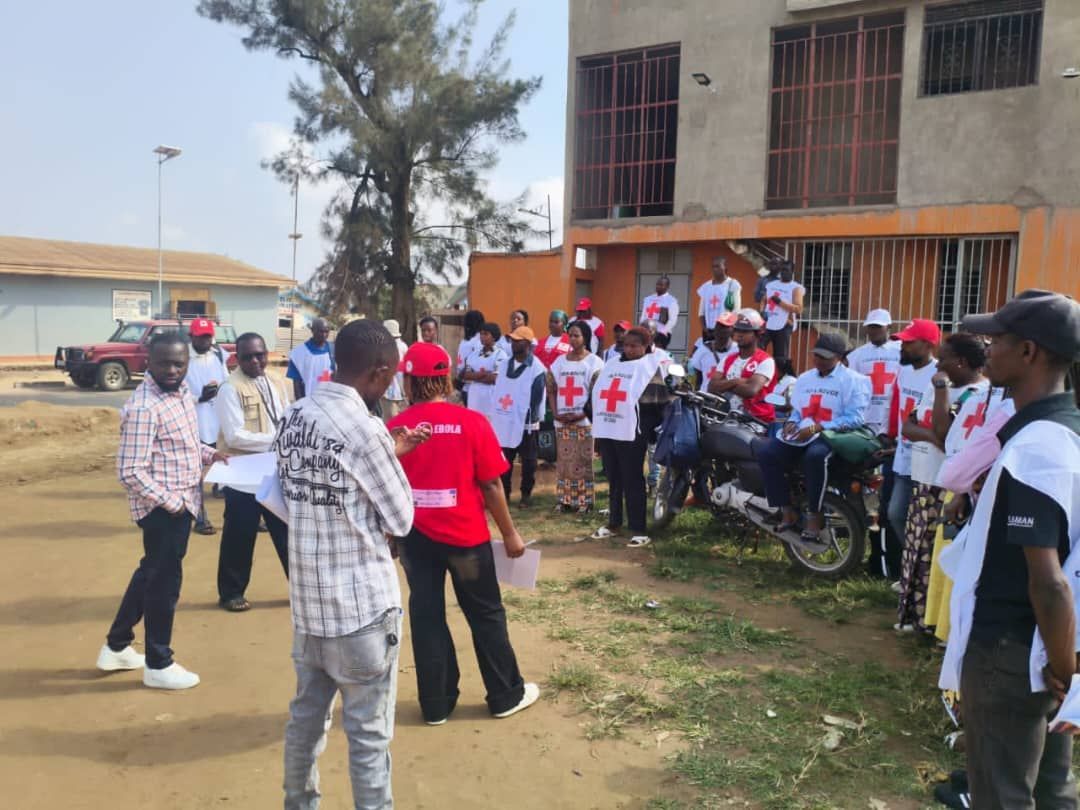
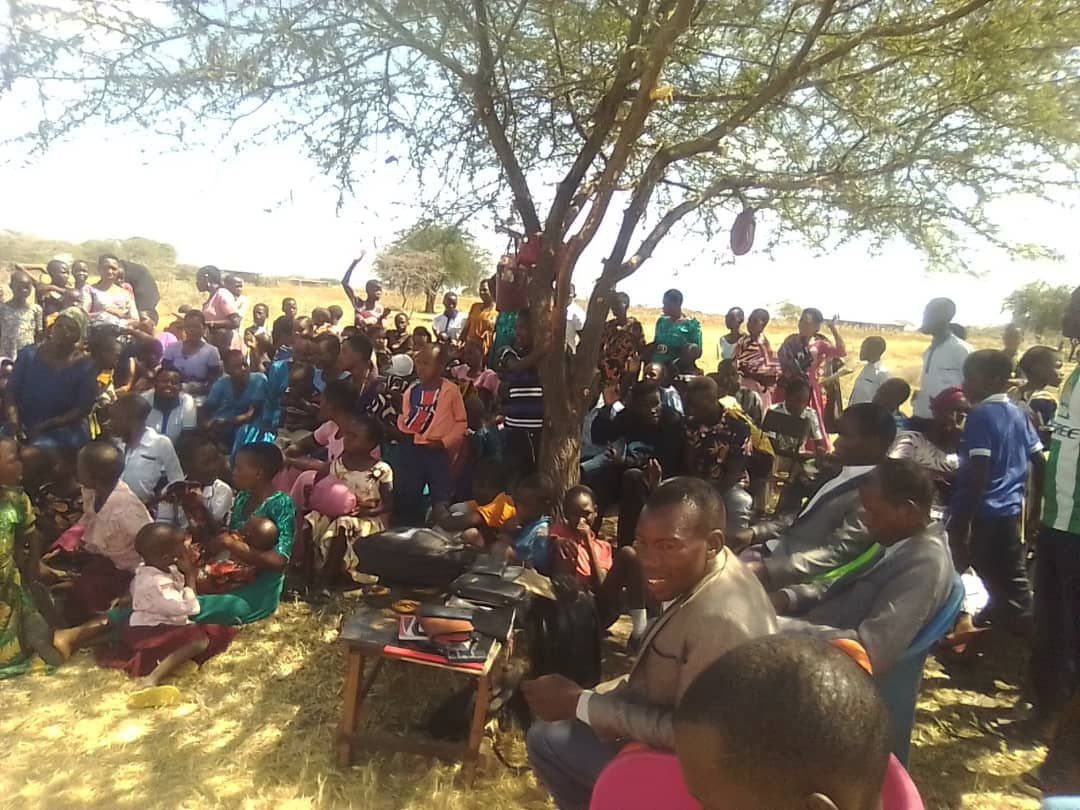
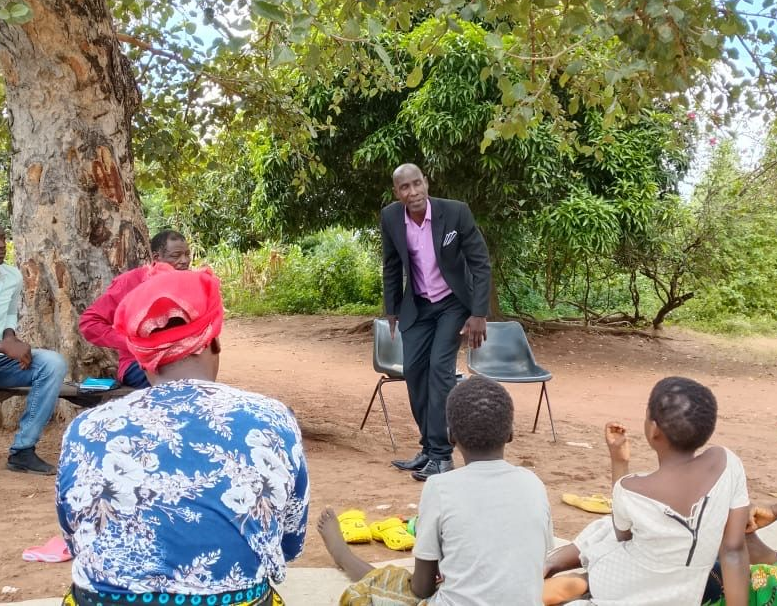
A man is standing in front of a group of people sitting under a tree
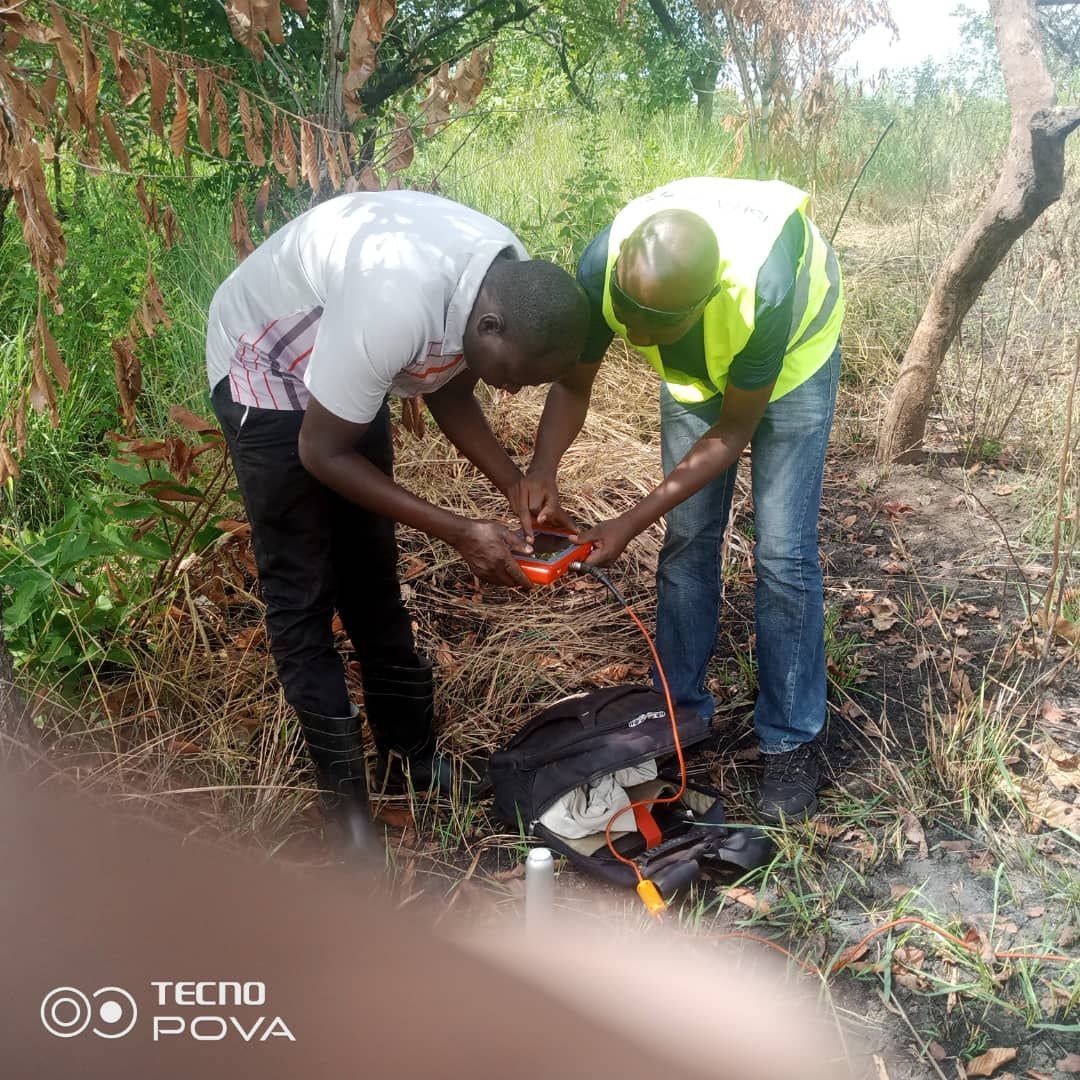
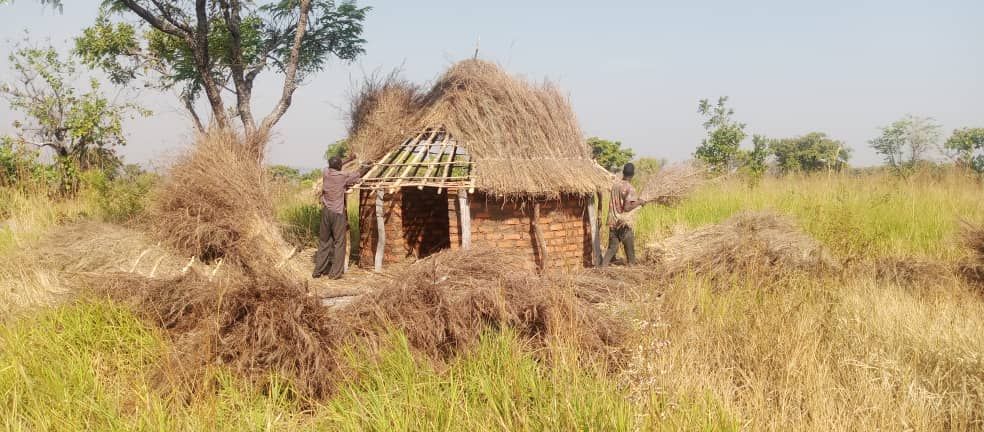
Two men are working on a piece of equipment in the woods.
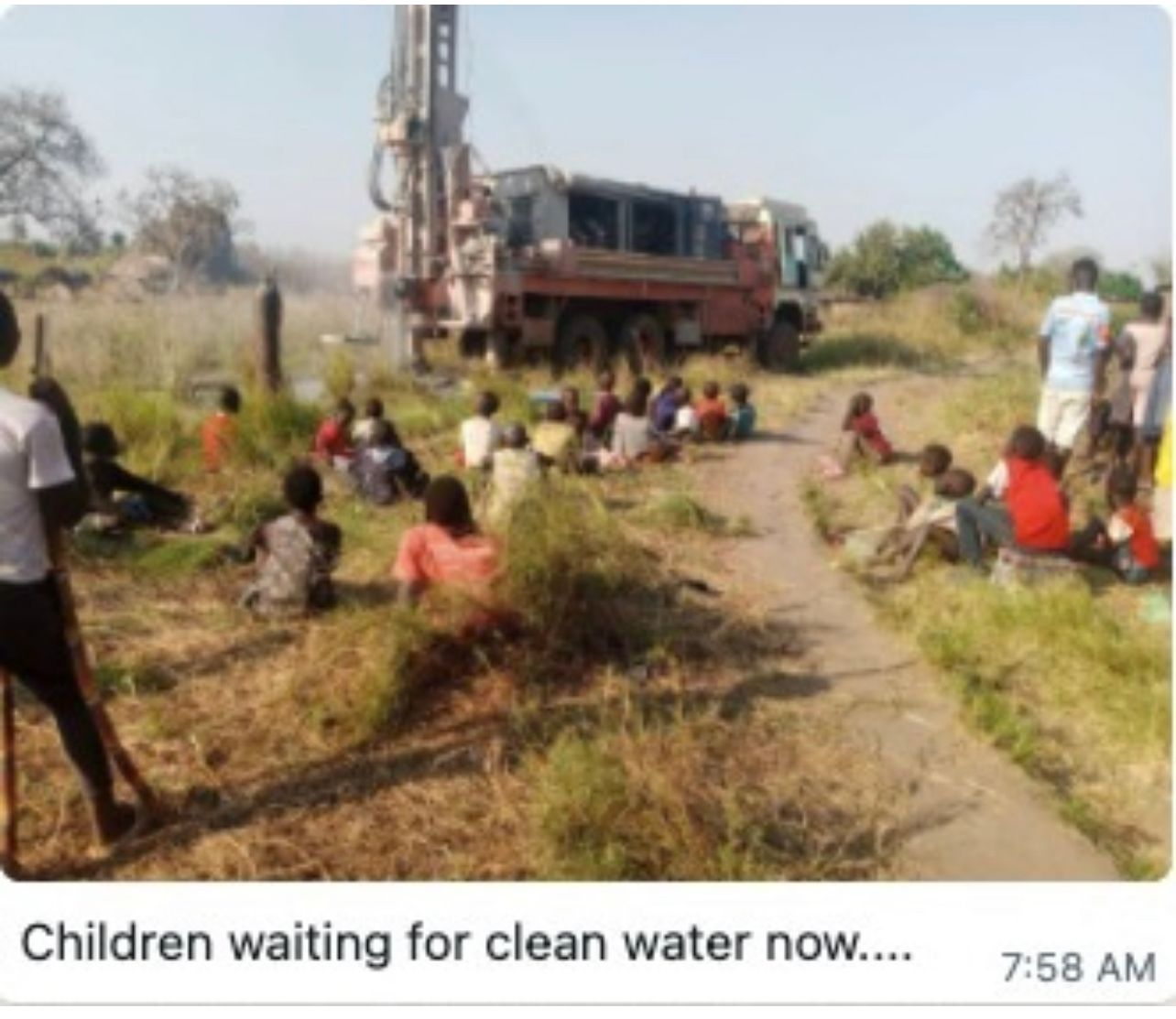
A group of children are waiting for clean water

In these settings, drilling is more than a technical task; it's a lifeline. Employing techniques suitable for the local geology, such as those outlined in Bryan Drilling's guide, is crucial. A professional approach ensures the well's longevity and reliability, critical in areas where maintenance resources may be limited.

Adapting Well Types to Local Conditions

The type of well - whether dug, drilled, or bored - must be chosen based on local conditions and the community's needs, as detailed in Bryan Drilling's resources. In the context of rural Uganda, drilled wells often provide the best balance of safety, depth, and water yield.

Determining Depth and Equipment

The depth and equipment for wells in Uganda must address the unique challenges of the region. Considering factors such as soil type, depth to the water table, and the intended use of the well is essential. The aim is to provide a consistent water supply, as highlighted in Bryan Drilling's insights.

Locating the Water Table in a Challenging Terrain

Finding the water table in the varied terrains of rural Uganda can be challenging. Techniques like using a piezometer, as described in Bryan Drilling's guide, are vital in these environments to accurately locate the water source.

Testing and Maintenance: Ensuring Water Quality

Regular water testing and maintenance are crucial, especially in refugee settlements where the risk of waterborne diseases is high. Routine checks for contaminants and structural integrity of the well, as recommended by Penn State Extension, are imperative for the health of the community.

Preventing Contamination

Protecting the well from contamination is of utmost importance in these settings. Effective strategies include actively managing the area, conducting regular inspections to identify and reduce risks, and educating the community about safe water practices.. By following this advice from Penn State Extension, we can ensure the safety and integrity of our water sources for generations to come.

In rural Uganda, particularly in South Sudanese refugee settlements, water well drilling is not just about accessing water; it's about building hope and resilience. By adhering to these guidelines, we can make a significant impact on the lives of those who have already endured so much.


Learn more about our water well drilling projects in Uganda and how you can support our mission at Amigos Internacionales. Together, we can bring sustainable water solutions to those who need them most.

Donate Now
By Michael Ryer June 9, 2026
A Pentecost outreach by Pastor Abogasti became the founding of Mwakalundi Baptist Church — 80 baptized believers, first worship under a tree, in Tanzania.
By Victor Phiri June 1, 2026
By Warren Olgado May 25, 2026
In a small rural village in Tanzania, a man sits quietly outside his home. His body is thin. His shoulders are tired. And rising from his back is a painful tumor that has slowly stolen nearly everything from him. His name is Zakaria. For years, Zakaria worked as a boda boda driver, carrying passengers from village to village on his motorcycle. In East Africa, a boda boda is more than transportation. For many families, it is survival. Every ride meant food. Every mile meant provision. Every long day on rough roads meant another opportunity to care for his wife and continue moving forward. But suffering often enters quietly. What began as a hitching pain in Zakaria’s back slowly became swelling. At first, it was manageable. Like many men trying to provide for their families, he pushed through the discomfort and kept working. But the pain continued. The swelling grew. And over time, the tumor became impossible to ignore. Today, Zakaria lives with constant pain and uncertainty. The disease has robbed him of strength, dignity, income, and peace. The motorcycle he once depended on has already been sold in a desperate attempt to find healing. And yet, in the middle of suffering, something unexpected happened. Hope arrived.
By Michael Ryer May 20, 2026
In many parts of the world, turning on a faucet is so ordinary that it barely deserves a second thought. A glass fills. A child drinks. A mother does the dishes. A shower runs before work or school. Clean water is simply there. In Northern Uganda, that reality still feels distant for thousands of families. In many villages scattered across rural East Africa, water is not found in a kitchen sink or flowing from pipes beneath the ground. It is carried in yellow jerrycans across dusty roads and narrow footpaths. It is gathered from muddy ponds, shallow holes carved into the earth, or stagnant pools shared with livestock. Sometimes it is brown. Sometimes it smells foul. Sometimes it makes children sick. For families with no other option, it is all they have. The water crisis in East Africa is not only about thirst. It affects health, education, safety, opportunity, and dignity. It shapes how children spend their mornings and how mothers spend their days. It determines whether girls attend school consistently or remain trapped in long daily walks carrying heavy containers of water under the scorching sun. At Amigos Internacionales, this reality is not theoretical. Staff and partners have sat beside families in remote villages. They have watched children scoop water from contaminated pits after rainfall. They have seen entire communities transformed when clean water finally arrived. That transformation is why water remains one of the most urgent and powerful parts of the MissionPoint model across Northern Uganda.
By Michael Ryer May 13, 2026
For seventeen years, Bridgette has carried a burden no child should ever bear. What started as a small red spot on her face when she was just a baby grew into a massive vascular tumor that doctors across Uganda refused to operate on. Too risky, they said. The tumor could bleed too much. She might not survive. Come back when she's older. Come back when it's smaller. Come back, come back, come back. Bridgette and her mother, Rose, heard "no" for seventeen years. But today, something has finally changed. Bridgette is now on medication that is actively shrinking her tumor. Dr. Paul Mulyamboga, Amigos Internacionales' Director of Medical Services and founder of Doctors on Mission, is monitoring her progress. When the tumor reaches an operable size, he will refer her to Mulago National Referral Hospital in Kampala for the vascular surgery that could change her life. There's just one problem: surgery can only happen if the funding is already in place . If we don't raise $12,000 before Bridgette's tumor is ready for surgery, she will have to wait again. And after seventeen years of waiting, we cannot let that happen. How It Started — A Small Red Spot
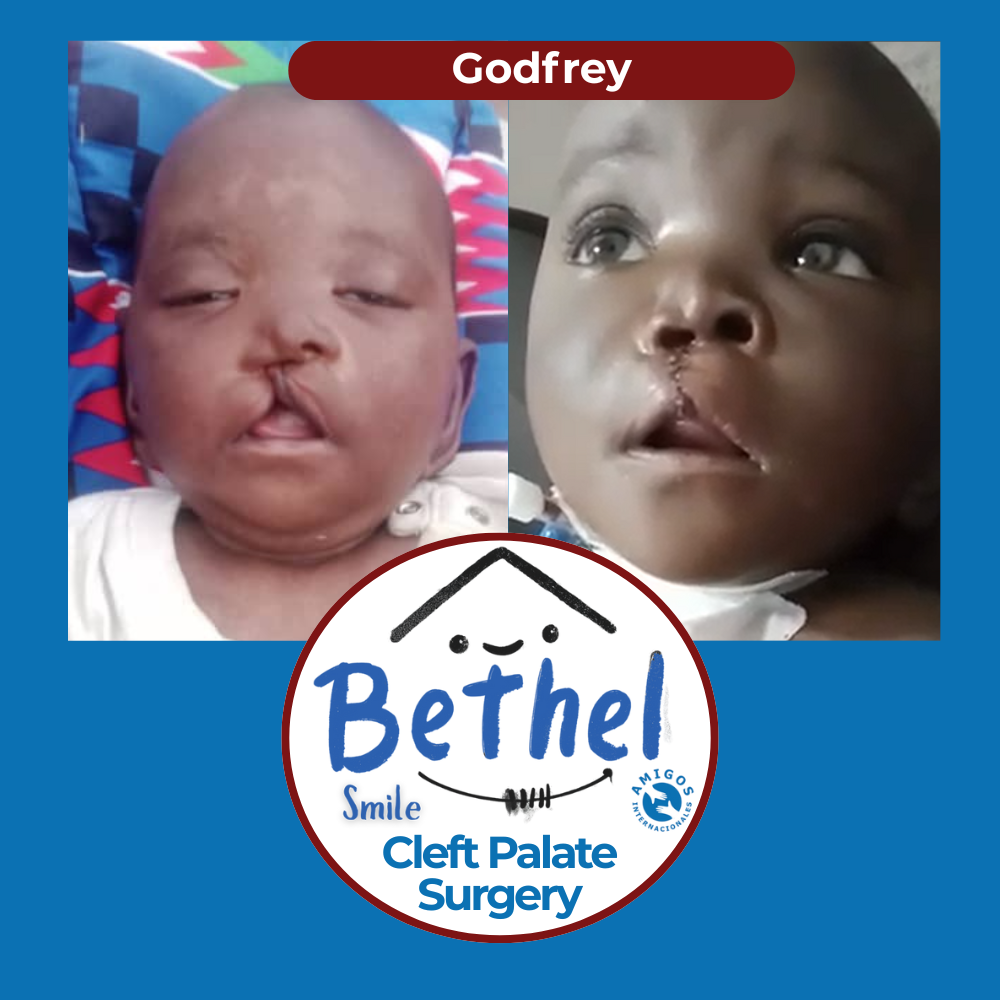
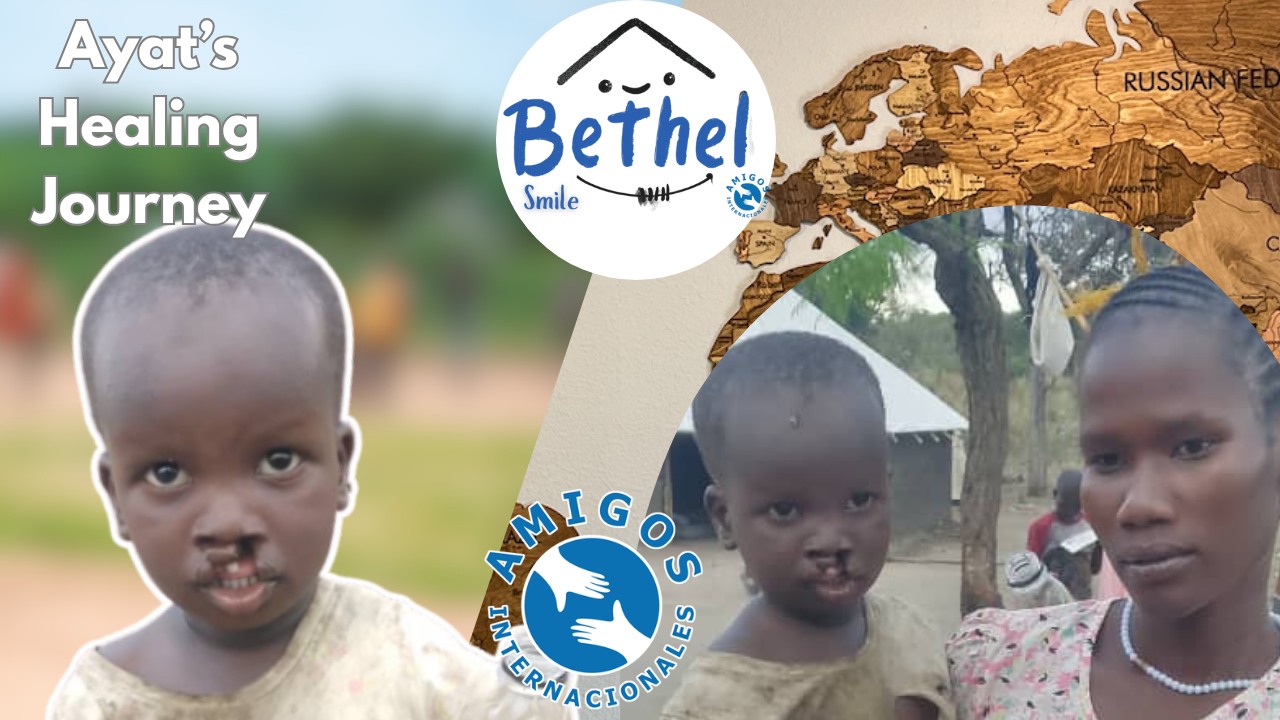
Rwottwero Godfrey before and after cleft lip surgery — Bethel Smile program, Amigos Internacionales
By Amigos Internacionales April 30, 2026
Baby Godfrey couldn't eat without pain. His family couldn't afford surgery. The Bethel Smile program gave him free cleft lip surgery at 4 months old.
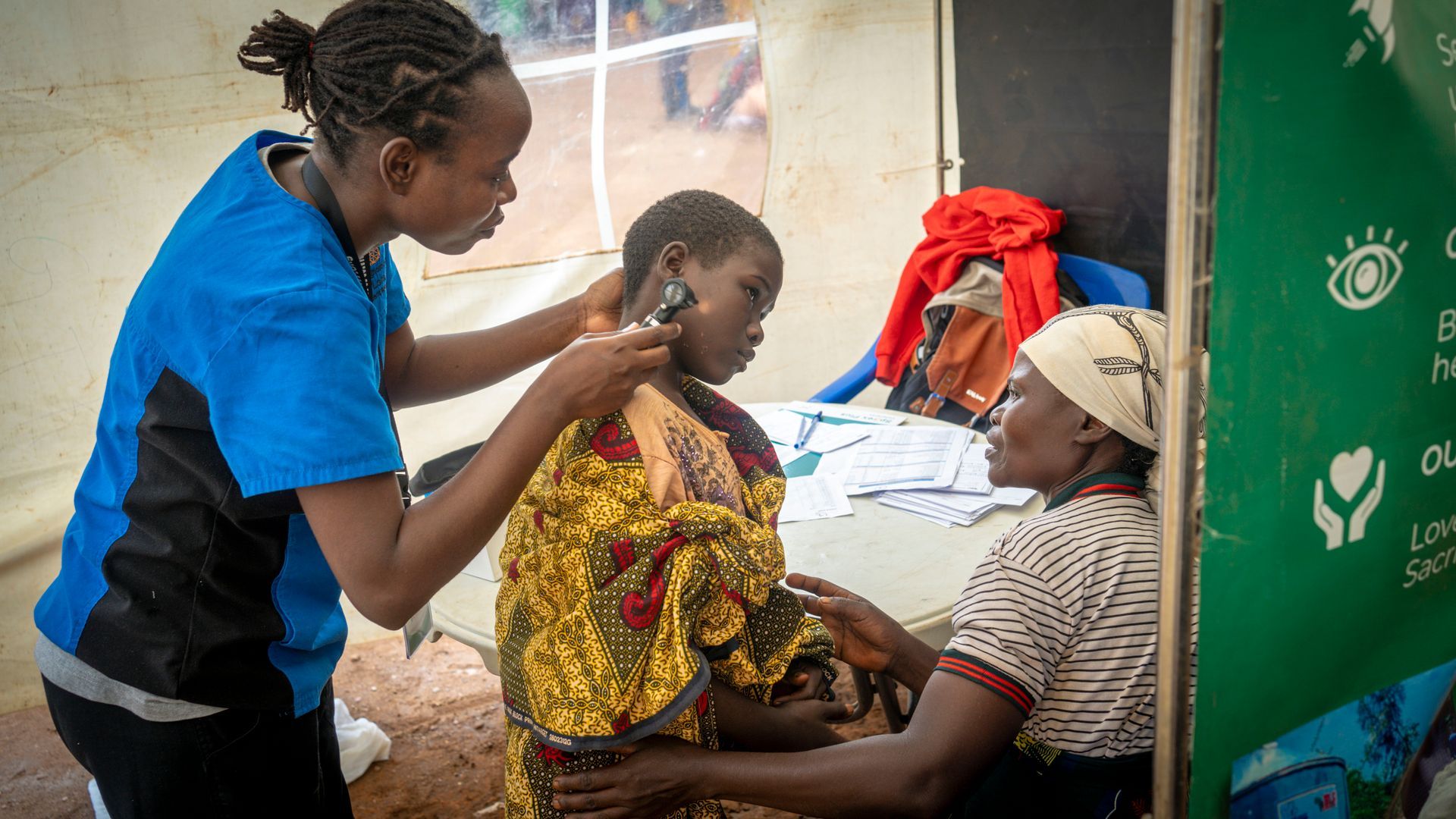
MissionPoint Burundi free medical camp in Gisuru, doctors treating patients
By Amigos Internacionales April 28, 2026
Inside the Gisuru medical camp in Burundi — surgeries, eye care, and spiritual ministry delivered by volunteer doctors. See the full impact report from 2025.
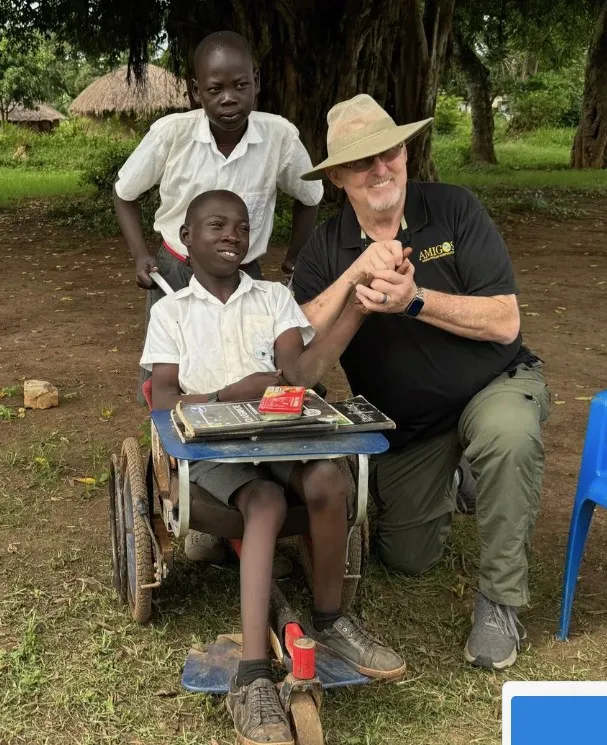
Two people beside a wheelchair outside, with a child seated at a small desk in a grassy outdoor area.
By Amigos Internacionales April 27, 2026
East Texas journalist Jennifer Scott traveled to East Africa to cover Amigos Internacionales. Read the full Tyler Morning Telegraph feature from April 2026.
By Amigos Internacionales April 13, 2026
Learn how church missions in Africa, through partnerships with Amigos Internacionales, can bring lasting change to communities in need. Get involved in education, healthcare, and development projects.
By Amigos Internacionales April 9, 2026
Discover the resilience of refugees in Northern Uganda and how Amigos Internacionales is providing medical care, education, and empowerment to help rebuild lives.
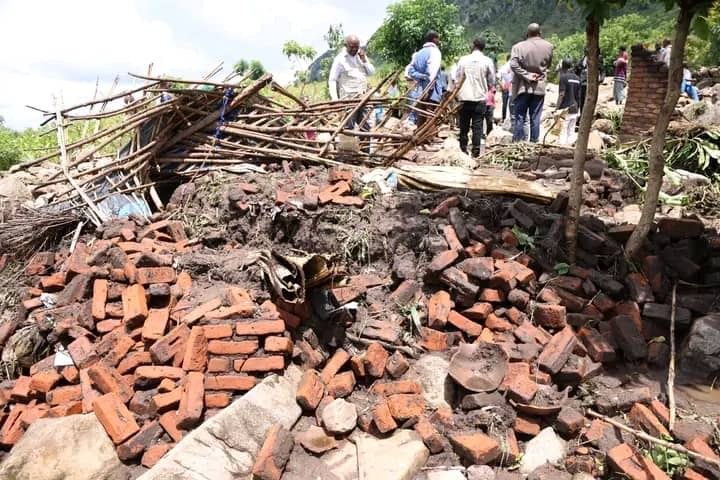
People stand near the ruins of a collapsed brick building in a grassy, mountainous area.
By Victor Phiri April 4, 2026
Deadly floods and landslides have displaced families in Malawi’s Mulanje and Phalombe districts, leaving them without shelter or food. Learn how emergency tents and food relief can bring hope—and how you can help today.
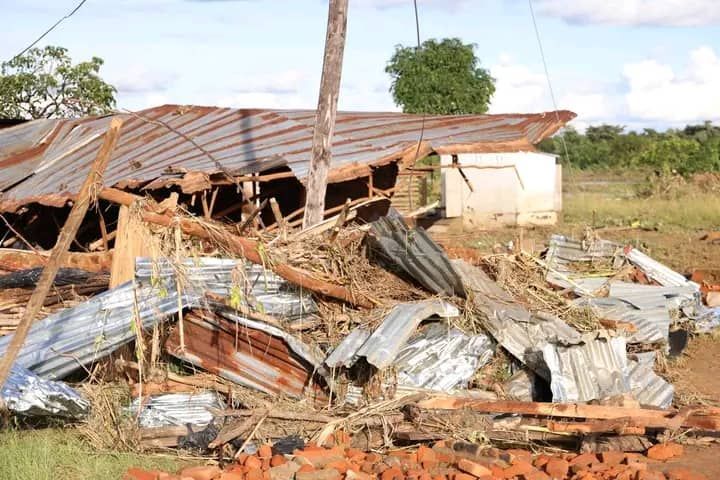
A collapsed building with twisted metal roofing, wooden debris, and scattered bricks in a rural, open-field setting.
By Victor Phiri April 1, 2026
Missionpoint Malawi aids flood victims in Mulanje & Phalombe. Help us provide food & support to families in need. Join our efforts today!
More Posts

Social Media

By Michael Ryer June 9, 2026
A Pentecost outreach by Pastor Abogasti became the founding of Mwakalundi Baptist Church — 80 baptized believers, first worship under a tree, in Tanzania.
By Victor Phiri June 1, 2026
By Warren Olgado May 25, 2026
In a small rural village in Tanzania, a man sits quietly outside his home. His body is thin. His shoulders are tired. And rising from his back is a painful tumor that has slowly stolen nearly everything from him. His name is Zakaria. For years, Zakaria worked as a boda boda driver, carrying passengers from village to village on his motorcycle. In East Africa, a boda boda is more than transportation. For many families, it is survival. Every ride meant food. Every mile meant provision. Every long day on rough roads meant another opportunity to care for his wife and continue moving forward. But suffering often enters quietly. What began as a hitching pain in Zakaria’s back slowly became swelling. At first, it was manageable. Like many men trying to provide for their families, he pushed through the discomfort and kept working. But the pain continued. The swelling grew. And over time, the tumor became impossible to ignore. Today, Zakaria lives with constant pain and uncertainty. The disease has robbed him of strength, dignity, income, and peace. The motorcycle he once depended on has already been sold in a desperate attempt to find healing. And yet, in the middle of suffering, something unexpected happened. Hope arrived.
By Michael Ryer May 20, 2026
In many parts of the world, turning on a faucet is so ordinary that it barely deserves a second thought. A glass fills. A child drinks. A mother does the dishes. A shower runs before work or school. Clean water is simply there. In Northern Uganda, that reality still feels distant for thousands of families. In many villages scattered across rural East Africa, water is not found in a kitchen sink or flowing from pipes beneath the ground. It is carried in yellow jerrycans across dusty roads and narrow footpaths. It is gathered from muddy ponds, shallow holes carved into the earth, or stagnant pools shared with livestock. Sometimes it is brown. Sometimes it smells foul. Sometimes it makes children sick. For families with no other option, it is all they have. The water crisis in East Africa is not only about thirst. It affects health, education, safety, opportunity, and dignity. It shapes how children spend their mornings and how mothers spend their days. It determines whether girls attend school consistently or remain trapped in long daily walks carrying heavy containers of water under the scorching sun. At Amigos Internacionales, this reality is not theoretical. Staff and partners have sat beside families in remote villages. They have watched children scoop water from contaminated pits after rainfall. They have seen entire communities transformed when clean water finally arrived. That transformation is why water remains one of the most urgent and powerful parts of the MissionPoint model across Northern Uganda.
By Michael Ryer May 13, 2026
For seventeen years, Bridgette has carried a burden no child should ever bear. What started as a small red spot on her face when she was just a baby grew into a massive vascular tumor that doctors across Uganda refused to operate on. Too risky, they said. The tumor could bleed too much. She might not survive. Come back when she's older. Come back when it's smaller. Come back, come back, come back. Bridgette and her mother, Rose, heard "no" for seventeen years. But today, something has finally changed. Bridgette is now on medication that is actively shrinking her tumor. Dr. Paul Mulyamboga, Amigos Internacionales' Director of Medical Services and founder of Doctors on Mission, is monitoring her progress. When the tumor reaches an operable size, he will refer her to Mulago National Referral Hospital in Kampala for the vascular surgery that could change her life. There's just one problem: surgery can only happen if the funding is already in place . If we don't raise $12,000 before Bridgette's tumor is ready for surgery, she will have to wait again. And after seventeen years of waiting, we cannot let that happen. How It Started — A Small Red Spot
Rwottwero Godfrey before and after cleft lip surgery — Bethel Smile program, Amigos Internacionales
By Amigos Internacionales April 30, 2026
Baby Godfrey couldn't eat without pain. His family couldn't afford surgery. The Bethel Smile program gave him free cleft lip surgery at 4 months old.
MissionPoint Burundi free medical camp in Gisuru, doctors treating patients
By Amigos Internacionales April 28, 2026
Inside the Gisuru medical camp in Burundi — surgeries, eye care, and spiritual ministry delivered by volunteer doctors. See the full impact report from 2025.
Two people beside a wheelchair outside, with a child seated at a small desk in a grassy outdoor area.
By Amigos Internacionales April 27, 2026
East Texas journalist Jennifer Scott traveled to East Africa to cover Amigos Internacionales. Read the full Tyler Morning Telegraph feature from April 2026.
By Amigos Internacionales April 13, 2026
Learn how church missions in Africa, through partnerships with Amigos Internacionales, can bring lasting change to communities in need. Get involved in education, healthcare, and development projects.
By Amigos Internacionales April 9, 2026
Discover the resilience of refugees in Northern Uganda and how Amigos Internacionales is providing medical care, education, and empowerment to help rebuild lives.
People stand near the ruins of a collapsed brick building in a grassy, mountainous area.
By Victor Phiri April 4, 2026
Deadly floods and landslides have displaced families in Malawi’s Mulanje and Phalombe districts, leaving them without shelter or food. Learn how emergency tents and food relief can bring hope—and how you can help today.
A collapsed building with twisted metal roofing, wooden debris, and scattered bricks in a rural, open-field setting.
By Victor Phiri April 1, 2026
Missionpoint Malawi aids flood victims in Mulanje & Phalombe. Help us provide food & support to families in need. Join our efforts today!
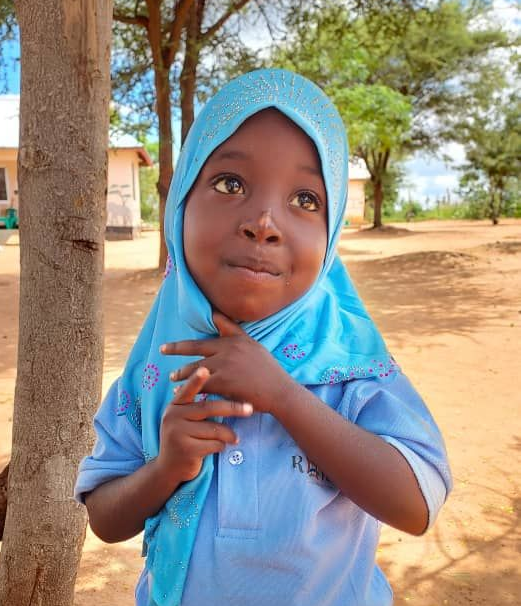
A child wearing a light blue hijab and shirt, smiling while touching their chin, standing outdoors in a sandy area.
By Amigos Internacionales March 28, 2026
Perpetua’s story in Tanzania reveals the daily reality of living with sickle cell and how compassionate medical care and faith bring hope to vulnerable children.
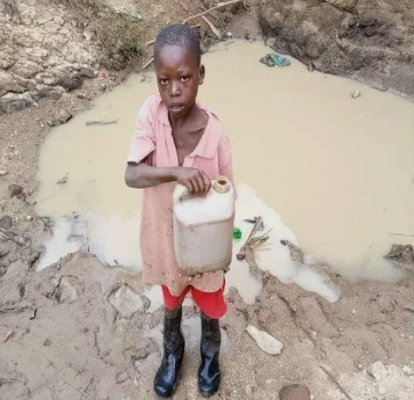
A person in a light shirt and dark boots holds a water container in front of a muddy, contaminated water source.
By Amigos Internacionales March 27, 2026
Learn about the water crisis in rural Uganda and how Amigos Internacionales is providing sustainable, clean water solutions to transform lives and communities.
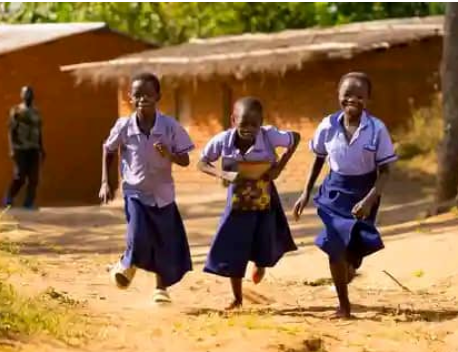
Three students in uniforms running along a dirt path in front of rural buildings.
By Amigos Internacionales March 26, 2026
Learn how child sponsorship in Africa transforms lives in Uganda through education, healthcare, and long-term community impact.
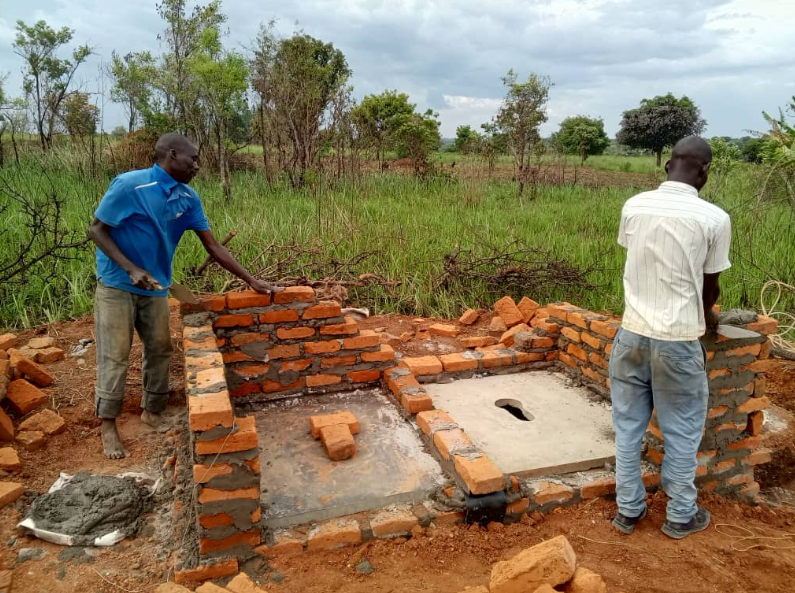
Two people laying bricks to construct an outdoor latrine in a grassy, rural area.
By Amigos Internacionales March 25, 2026
Support community efforts in Loyobo, Uganda, for a medical camp. Join us in fostering care, unity, & youth engagement.
By Amigos Internacionales March 24, 2026
Discover why children in rural Africa lack access to life-saving surgery and how Amigos Internacionales is providing hope through medical missions.
Three children walk along a red dirt path beside lush greenery, one carrying a yellow plastic container.
By Amigos Internacionales March 19, 2026
Learn the severe effects of not drilling water wells in East Africa. Act now to improve health, education, & economic stability.
A person crouches near a muddy, polluted water source in a wooded area, filling a yellow plastic container.
By Amigos Internacionales March 19, 2026
Understand the costs of clean water in rural Africa. Join us in making a difference for communities in need.
A large group of people gathers on a dirt clearing in front of a long, thatched-roof building under a bright blue sky.
By Amigos Internacionales March 16, 2026
Clean water transforms lives in Northern Uganda. Join us in supporting health, education, & economic growth. Get involved today!
Show More