7 Surprising Benefits of Donating to Charity You Didn’t Know
Amigos Internacionales • May 11, 2025
a blue sky with a few clouds in it
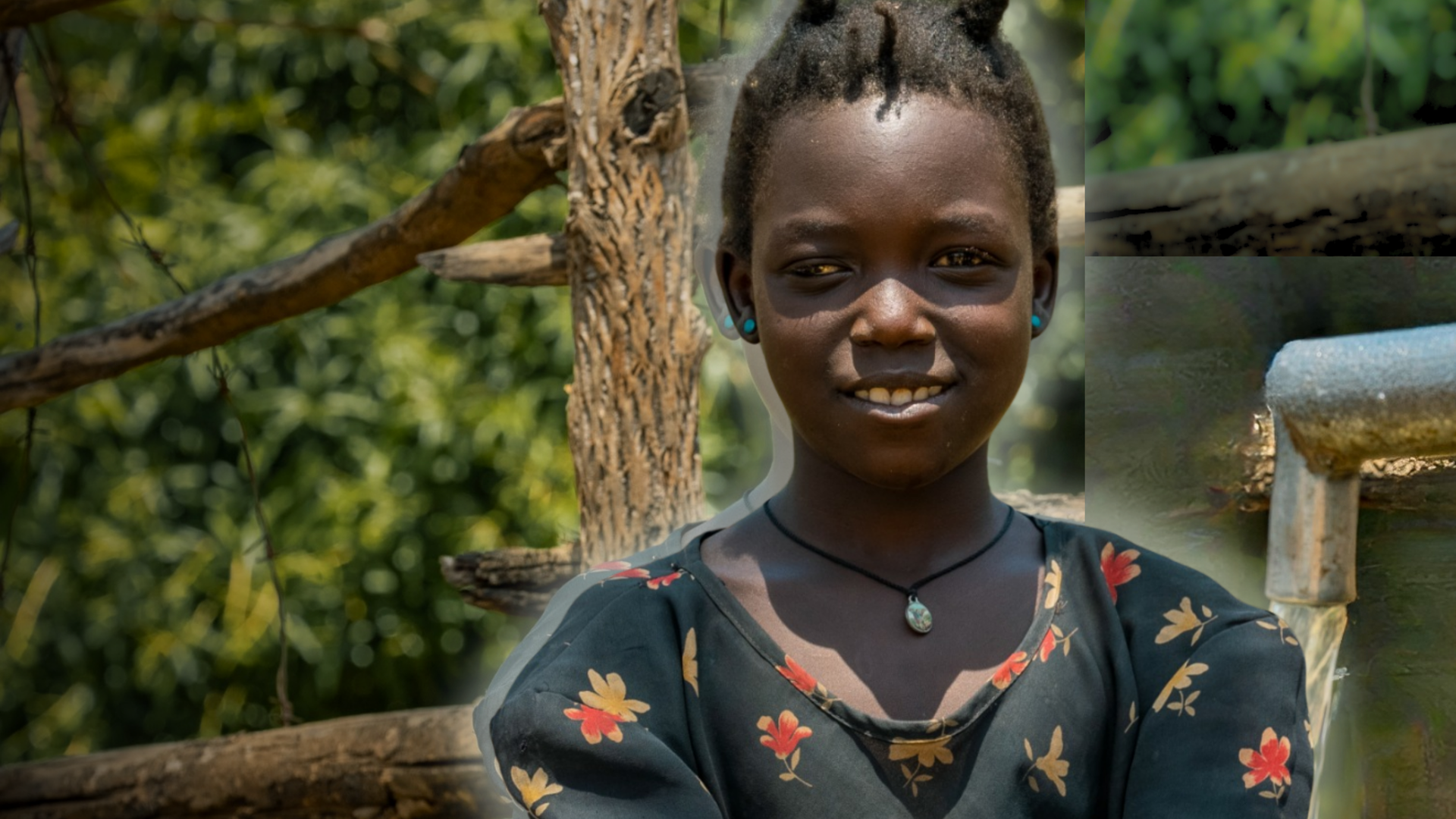
A poster for amigos mission in motion shows a girl holding a cup
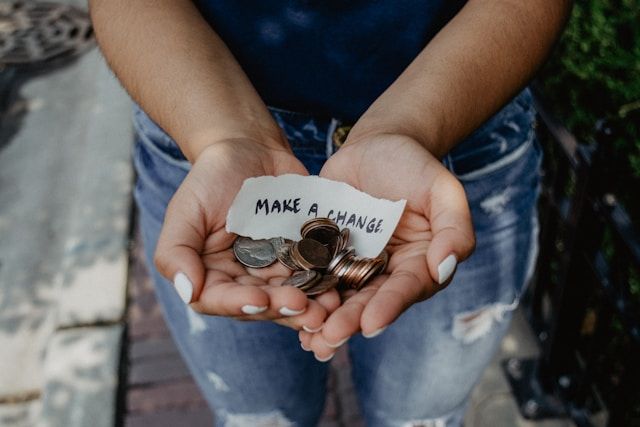
A woman is holding coins and a piece of paper that says `` make a change ''.

When you think of donating to charity, you might picture the direct impact on those in need: food on a table, a child in school, or clean water flowing. But did you know that giving also transforms you? Beyond the obvious good, donating to charity offers unexpected personal benefits that enrich your life in surprising ways. Here are seven lesser-known advantages of opening your heart and wallet to a cause.


>> Related Post:  Top 10 countries with highest poverty rate in the world


Why is It Important to Donate to Charity?


Have you ever felt a warm glow after helping someone? That’s not just your heart talking; it’s science. Donating to charity taps into the brain’s reward system, creating feelings of joy and connection. But the benefits go far beyond a fleeting moment of happiness. From strengthening your sense of purpose to improving your health, giving has a ripple effect that enhances your life in unexpected ways. Let’s dive into the surprising benefits of charitable giving.


>> Related Post:  Top 10 poorest African countries in 2025 


DONATE NOW


7 Surprising Benefits of Donating to Charity


1. Boosts Your Mental Health


Giving isn’t just good for the soul; it’s good for your brain. When you donate to a charity, your brain releases dopamine, serotonin, and oxytocin, the “feel-good” chemicals that create a sense of joy and satisfaction. A 2008 study from Harvard University found that people who give to others report higher levels of happiness than those who don’t. Whether it’s a small monthly contribution or a one-time gift, the act of generosity can act like a natural antidepressant, lifting your mood and reducing stress.


2. Strengthens Social Connections


Donating to charity often brings people together, fostering a sense of community. Whether you’re participating in a fundraising event, volunteering, or simply sharing your favorite cause with friends, giving creates opportunities to connect with like-minded individuals. These interactions can strengthen existing relationships or spark new ones, building a network of people united by a shared commitment to making a difference. 


3. Enhances Your Sense of Purpose


In a world full of noise, donating to a cause you care about can anchor you to something meaningful. Contributing to a charity aligns your actions with your values, giving you a sense of purpose that’s hard to find elsewhere. Knowing that your donation has helped someone, whether by providing a meal, funding education, or supporting healthcare, creates a deep sense of fulfillment. It’s a reminder that even small actions can ripple outward, changing lives and reinforcing your role in a larger story of hope.


4. Improves Physical Health


Believe it or not, giving can be good for your body. Research from the University of California, Berkeley, suggests that altruistic behaviors, like donating to charity, can lower stress levels, which in turn reduces blood pressure and strengthens the immune system. A 2021 study even linked regular giving to a lower risk of early mortality. The act of helping others shifts your focus away from personal worries, creating a calming effect that benefits both mind and body. It’s a win-win: you help others while helping yourself stay healthier.


5. Inspires Others to Give


Your generosity can start a chain reaction. When you donate to a charity, you’re not just impacting the cause, you’re setting an example for others. Imagine a friend noticing your monthly donation to a cause and deciding to contribute too, or a family member joining a fundraising event because of your enthusiasm. This ripple effect can amplify the impact of your gift, inspiring a community of givers. Your single act of kindness could motivate others to join the movement, creating exponential change.


6. Offers Tax Benefits


Donating to a registered 501(c)(3) charity can come with financial perks. In many countries, including the United States, contributions to qualifying nonprofits are tax-deductible, potentially lowering your taxable income. This means you can support a cause you love while reducing your tax bill, a practical benefit that makes giving even more rewarding. Be sure to keep records of your donations and consult a tax professional to maximize this advantage, as rules vary by region and situation.


7. Builds Financial Discipline


Regular giving can transform your relationship with money. Setting aside a portion of your income for charity encourages you to budget wisely and prioritize meaningful spending. Whether it’s $10 a month or a larger sum, committing to consistent donations fosters financial discipline, helping you plan better and avoid impulsive purchases. Over time, this habit not only supports worthy causes but also builds a sense of control and responsibility, making you a more mindful steward of your resources.


>> Related Post:
  5 Causes of Food Insecurity in 2025: Effects & How to Solve Them


Amigos Internacionales: Transforming Lives in Africa


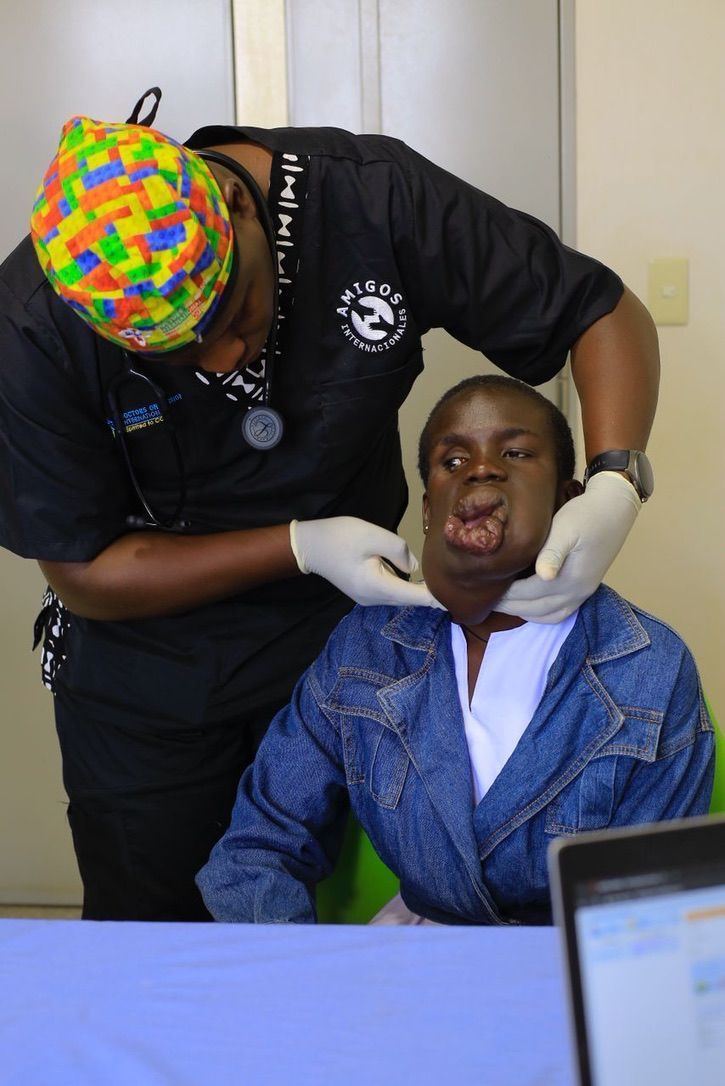
One powerful example of charity in action is Amigos Internacionales, a nonprofit dedicated to building sustainable communities in rural Africa, particularly in Uganda. Amigos has created schools for over 850 children, drilled clean water wells to combat disease, and provided medical care through camps that treated 4,500 patients. By donating to Amigos, you’re not just giving money, you’re empowering entire communities with education, health, and faith, creating lasting change that you can feel proud to support.


  • $25 ensures meals for a Family for a Week.
  • $50 Equips a Child with Essential Education Supplies for a year.
  • $100 Empowers mothers to learn skills and support their families.


DONATE NOW


>> Related Post:
  How does food insecurity affect children: Effects of child hunger


Conclusion


Donating to charity does more than help those in need; it transforms you in ways you might not expect. From boosting your mental and physical health to strengthening connections and inspiring others, the benefits of giving are as diverse as they are profound. As you consider where to direct your generosity, explore organizations that resonate with your values, like Amigos Internacionales, whose work in Uganda is changing lives every day.  Take the first step today. Your donation could unlock a world of impact for both you and others.


FAQs


1. How do I choose a reputable charity to donate to?
Look for organizations with transparent financials and a strong track record. Check ratings on platforms like Charity Navigator or GuideStar, and ensure the charity is a registered 501(c)(3) if you’re seeking tax benefits. Research their mission to confirm it aligns with your values.

2. Is it safe to donate online?
Yes, but stick to secure websites. Reputable charities use trusted payment processors, and you should receive a confirmation of your donation.

3. Do I need to donate large amounts to make a difference?
Not at all! Even small donations add up. For example, $10 a month can provide meals or school supplies for a child. Consistency often matters more than the amount.

4. How often should I donate?
It depends on your budget and goals. Monthly donations provide steady support for charities, while one-time gifts are great for specific campaigns. Choose what feels sustainable for you.

MissionPoint Burundi free medical camp in Gisuru, doctors treating patients
By Amigos Internacionales April 28, 2026
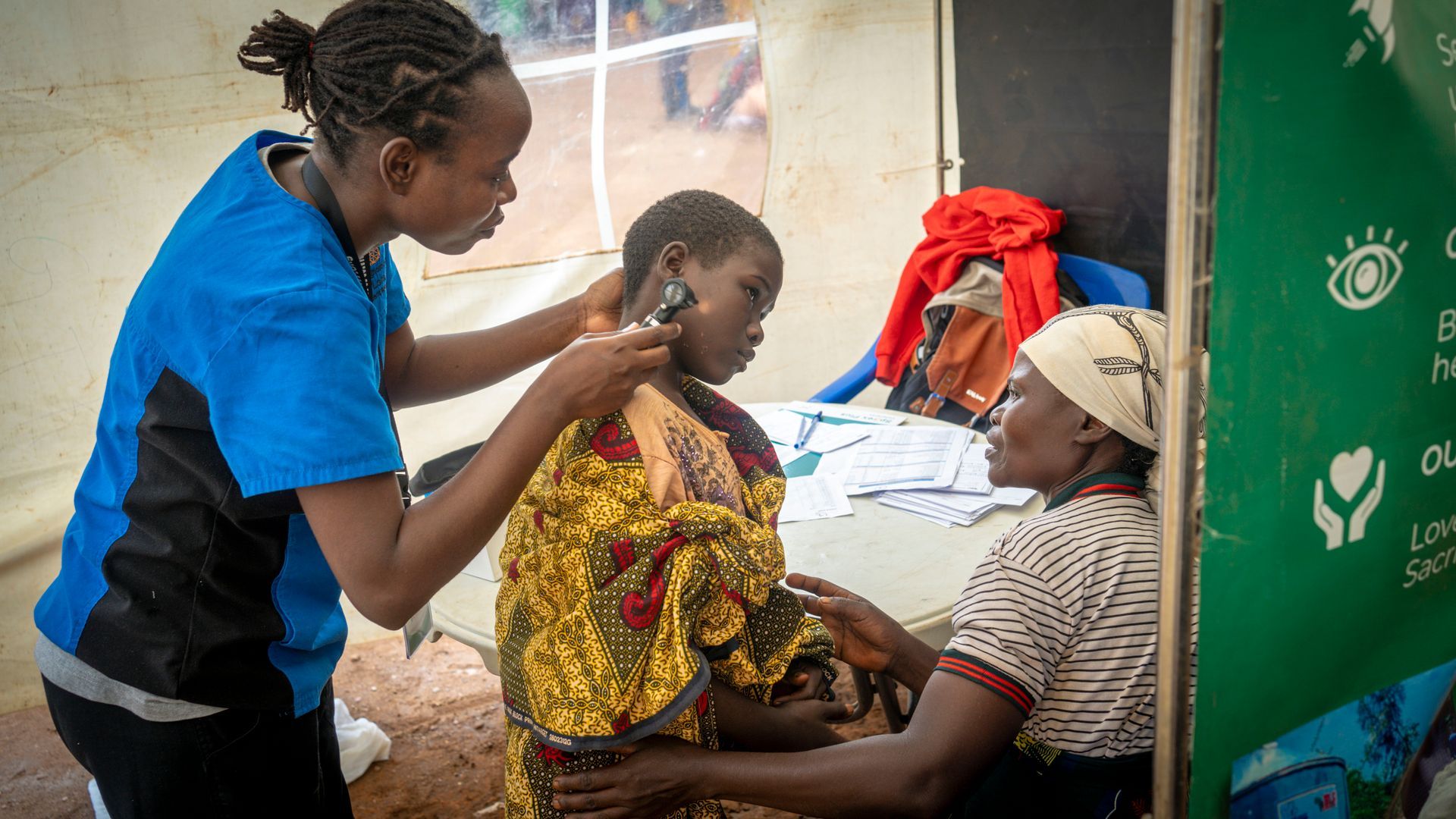
In Gisuru, Burundi, 81% live in poverty and children walk miles for water. Amigos MissionPoint Burundi brings free medical care to those who've never seen a doctor. Give today.
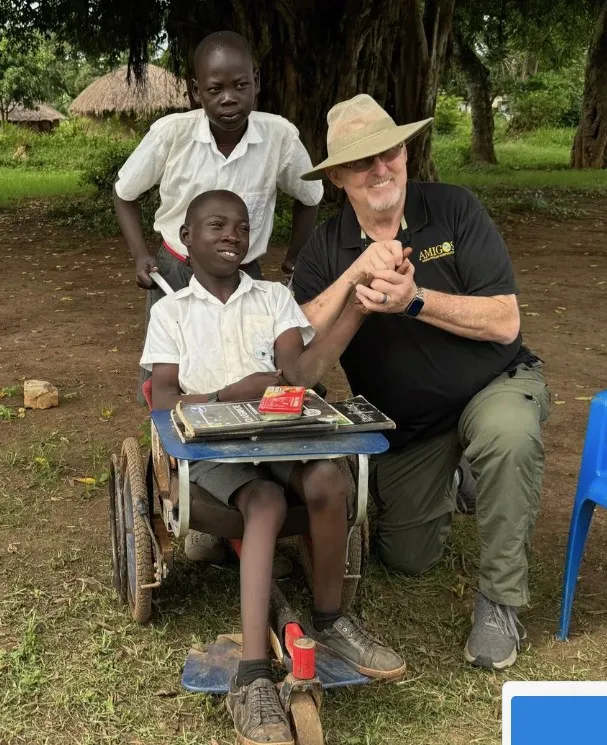
Two people beside a wheelchair outside, with a child seated at a small desk in a grassy outdoor area.
By Amigos Internacionales April 27, 2026
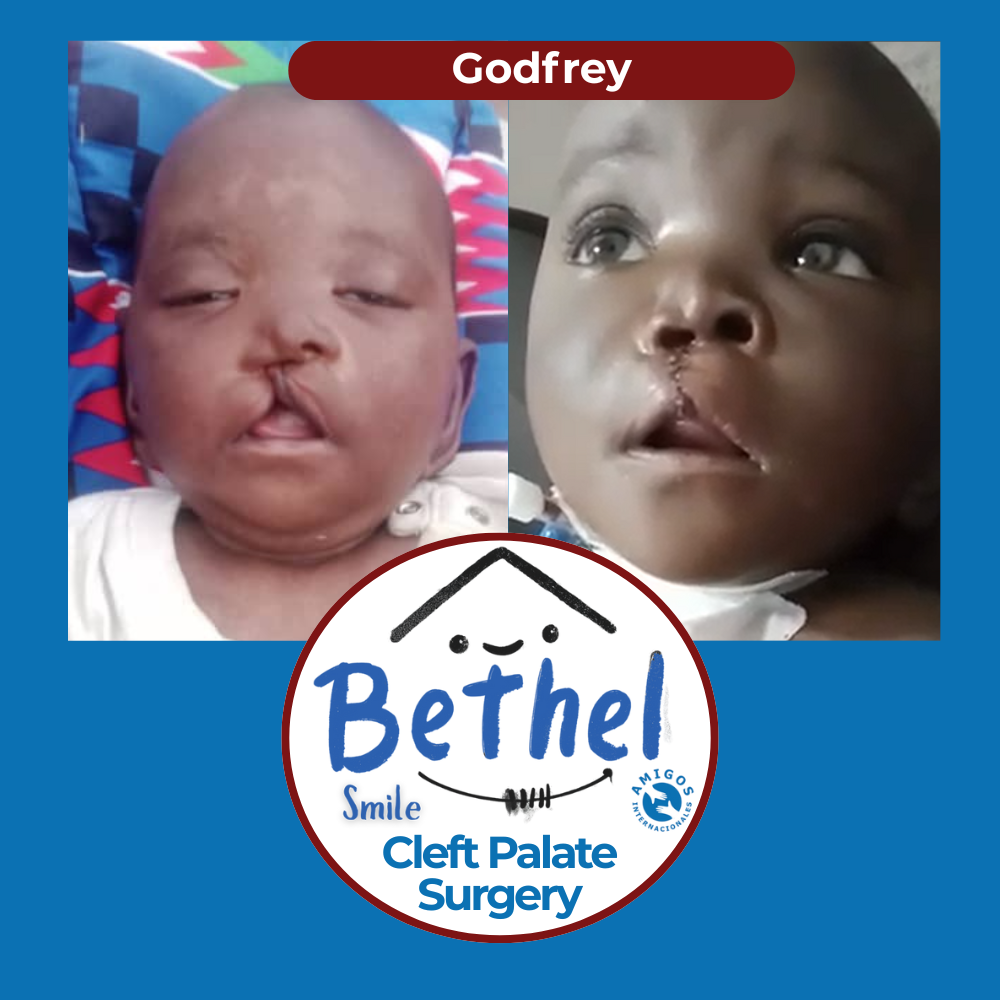
Texas nonprofit delivers $10M in medical care on $185K — 36 cleft palate surgeries in 3 days in Uganda. Featured in the Tyler Morning Telegraph, April 2026.
By Amigos Internacionales April 13, 2026
Learn how church missions in Africa, through partnerships with Amigos Internacionales, can bring lasting change to communities in need. Get involved in education, healthcare, and development projects.
By Amigos Internacionales April 9, 2026
Discover the resilience of refugees in Northern Uganda and how Amigos Internacionales is providing medical care, education, and empowerment to help rebuild lives.
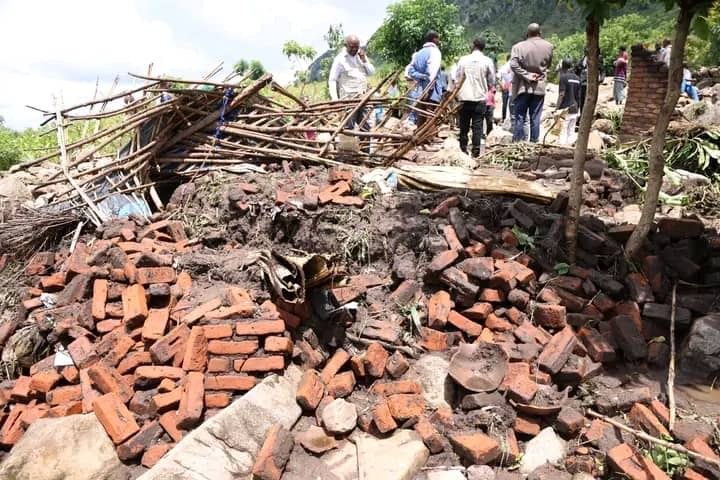
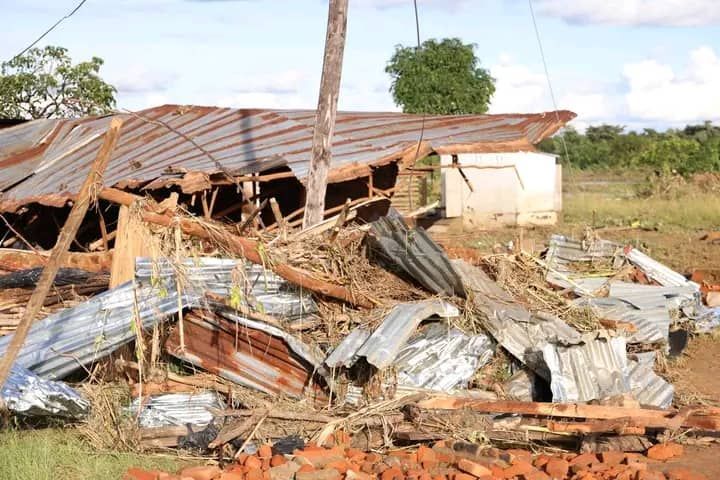
People stand near the ruins of a collapsed brick building in a grassy, mountainous area.
By Victor Phiri April 4, 2026
Deadly floods and landslides have displaced families in Malawi’s Mulanje and Phalombe districts, leaving them without shelter or food. Learn how emergency tents and food relief can bring hope—and how you can help today.
By Victor Phiri April 1, 2026
From 15–19 March 2026, relentless heavy rains triggered destructive flooding across southern Malawi, leaving a trail of shattered homes, damaged fields, and grieving families in districts like Mulanje and Phalombe. As a Christian medical and community ministry , Amigos Internacionales’ Missionpoint Malawi is on the ground, helping families survive this disaster and begin to rebuild their lives. A Disaster on a National Scale
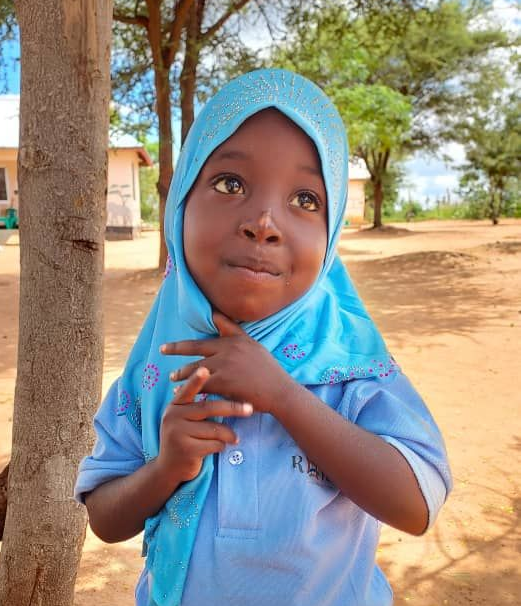
A child wearing a light blue hijab and shirt, smiling while touching their chin, standing outdoors in a sandy area.
By Amigos Internacionales March 28, 2026
Perpetua’s story in Tanzania reveals the daily reality of living with sickle cell and how compassionate medical care and faith bring hope to vulnerable children.
By Amigos Internacionales March 27, 2026
Learn about the water crisis in rural Uganda and how Amigos Internacionales is providing sustainable, clean water solutions to transform lives and communities.
By Amigos Internacionales March 26, 2026
Learn how child sponsorship in Africa transforms lives in Uganda through education, healthcare, and long-term community impact.
By Amigos Internacionales March 25, 2026
A Ground Prepared Together Loyobo, Uganda — March 2026 There is a quiet theology unfolding in Loyobo. Before any patient is seen, before medicines are distributed, before prayers are spoken over the sick—there is soil being turned. There are hands pressing into earth. There is a community preparing space. In these early days leading up to the medical camp on March 27–28, the people of Loyobo are not waiting for care—they are making room for it. Men and youth gather under open skies, clearing land that will soon receive both bodies and stories. The ground, once wild and overgrown, is becoming a place of welcome. This is not simply preparation; it is participation. It is dignity taking form in action.
By Amigos Internacionales March 24, 2026
Discover why children in rural Africa lack access to life-saving surgery and how Amigos Internacionales is providing hope through medical missions.
By Amigos Internacionales March 19, 2026
The most expensive decision is often the one that does nothing When people talk about the cost of a water well, they usually mean drilling, equipment, labor, and maintenance. Those costs are real. They matter. However, the bigger question is often ignored. What does it cost when a well is never drilled? In East Africa, that answer is measured in sickness, lost time, missed school, and stalled progress. It is also measured in futures that never fully open. A village without clean water does not simply lack convenience. It lacks a foundation. Unsafe water keeps families trapped in preventable illness The first cost is health. When families depend on ponds, surface runoff, or contaminated collection points, disease spreads fast. The World Health Organization warns that contaminated drinking water can transmit diarrhoea, cholera, dysentery, typhoid, and polio. WHO also estimates that unsafe drinking water causes about 505,000 diarrhoeal deaths each year. That number is global. Yet the daily reality feels painfully local. A child drinks unsafe water. That child gets sick. A mother stays home to care for him. A father loses work hours. A clinic visit costs money the family did not plan to spend. Then it happens again. This is what “no well” really costs.
More Posts

Social Media

MissionPoint Burundi free medical camp in Gisuru, doctors treating patients
By Amigos Internacionales April 28, 2026
In Gisuru, Burundi, 81% live in poverty and children walk miles for water. Amigos MissionPoint Burundi brings free medical care to those who've never seen a doctor. Give today.
Two people beside a wheelchair outside, with a child seated at a small desk in a grassy outdoor area.
By Amigos Internacionales April 27, 2026
Texas nonprofit delivers $10M in medical care on $185K — 36 cleft palate surgeries in 3 days in Uganda. Featured in the Tyler Morning Telegraph, April 2026.
By Amigos Internacionales April 13, 2026
Learn how church missions in Africa, through partnerships with Amigos Internacionales, can bring lasting change to communities in need. Get involved in education, healthcare, and development projects.
By Amigos Internacionales April 9, 2026
Discover the resilience of refugees in Northern Uganda and how Amigos Internacionales is providing medical care, education, and empowerment to help rebuild lives.
People stand near the ruins of a collapsed brick building in a grassy, mountainous area.
By Victor Phiri April 4, 2026
Deadly floods and landslides have displaced families in Malawi’s Mulanje and Phalombe districts, leaving them without shelter or food. Learn how emergency tents and food relief can bring hope—and how you can help today.
By Victor Phiri April 1, 2026
From 15–19 March 2026, relentless heavy rains triggered destructive flooding across southern Malawi, leaving a trail of shattered homes, damaged fields, and grieving families in districts like Mulanje and Phalombe. As a Christian medical and community ministry , Amigos Internacionales’ Missionpoint Malawi is on the ground, helping families survive this disaster and begin to rebuild their lives. A Disaster on a National Scale
A child wearing a light blue hijab and shirt, smiling while touching their chin, standing outdoors in a sandy area.
By Amigos Internacionales March 28, 2026
Perpetua’s story in Tanzania reveals the daily reality of living with sickle cell and how compassionate medical care and faith bring hope to vulnerable children.
By Amigos Internacionales March 27, 2026
Learn about the water crisis in rural Uganda and how Amigos Internacionales is providing sustainable, clean water solutions to transform lives and communities.
By Amigos Internacionales March 26, 2026
Learn how child sponsorship in Africa transforms lives in Uganda through education, healthcare, and long-term community impact.
By Amigos Internacionales March 25, 2026
A Ground Prepared Together Loyobo, Uganda — March 2026 There is a quiet theology unfolding in Loyobo. Before any patient is seen, before medicines are distributed, before prayers are spoken over the sick—there is soil being turned. There are hands pressing into earth. There is a community preparing space. In these early days leading up to the medical camp on March 27–28, the people of Loyobo are not waiting for care—they are making room for it. Men and youth gather under open skies, clearing land that will soon receive both bodies and stories. The ground, once wild and overgrown, is becoming a place of welcome. This is not simply preparation; it is participation. It is dignity taking form in action.
By Amigos Internacionales March 24, 2026
Discover why children in rural Africa lack access to life-saving surgery and how Amigos Internacionales is providing hope through medical missions.
By Amigos Internacionales March 19, 2026
The most expensive decision is often the one that does nothing When people talk about the cost of a water well, they usually mean drilling, equipment, labor, and maintenance. Those costs are real. They matter. However, the bigger question is often ignored. What does it cost when a well is never drilled? In East Africa, that answer is measured in sickness, lost time, missed school, and stalled progress. It is also measured in futures that never fully open. A village without clean water does not simply lack convenience. It lacks a foundation. Unsafe water keeps families trapped in preventable illness The first cost is health. When families depend on ponds, surface runoff, or contaminated collection points, disease spreads fast. The World Health Organization warns that contaminated drinking water can transmit diarrhoea, cholera, dysentery, typhoid, and polio. WHO also estimates that unsafe drinking water causes about 505,000 diarrhoeal deaths each year. That number is global. Yet the daily reality feels painfully local. A child drinks unsafe water. That child gets sick. A mother stays home to care for him. A father loses work hours. A clinic visit costs money the family did not plan to spend. Then it happens again. This is what “no well” really costs.
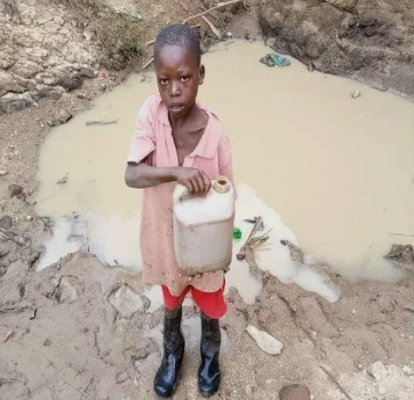
A person crouches near a muddy, polluted water source in a wooded area, filling a yellow plastic container.
By Amigos Internacionales March 19, 2026
Understanding the Real Cost of Clean Water Projects When people think about clean water, they often think about a simple well. However, the reality is far more complex. Bringing clean water to a rural village involves planning, logistics, and long-term sustainability. It is not just drilling a hole in the ground. Instead, it is building a system that will serve a community for years. On average, drilling a water well in Africa costs between $7,500 and $15,000. However, that number only tells part of the story.
A large group of people gathers on a dirt clearing in front of a long, thatched-roof building under a bright blue sky.
By Amigos Internacionales March 16, 2026
The Reality of Water in Northern Uganda In many parts of Northern Uganda, getting water is still a daily struggle. It is not just inconvenient. It is dangerous. Families often rely on shallow ponds or contaminated sources. During the dry season, these sources shrink. During the rainy season, they become even more polluted. As a result, waterborne diseases spread quickly. Children are especially vulnerable. According to the World Health Organization, unsafe water remains one of the leading causes of preventable illness worldwide. However, statistics only tell part of the story. The real impact shows up in missed school days, long walks, and constant uncertainty.
A healthcare provider wearing scrubs and gloves examines a patient with a visible facial growth on their lower jaw.
By Paul Mulyamboga March 13, 2026
“Discover how Amigos Internacionales brings life‑changing surgery to vulnerable children in rural Uganda, bridging the healthcare gap with compassionate care.”
Three children walking on a dirt road, one carrying a yellow jug, near green foliage.
By Victor Phiri February 26, 2026
In the rural communities of Mulanje District, there are children who wake up every morning ready to learn—but without the tools they need to understand the world around them. They are deaf. And in Malawi today, far too many of them are still waiting for a fair chance at education. At Missionpoint Malawi, in partnership with Amigos International, we are encountering a growing number of deaf children across Mulanje who are eager to learn, connect, and thrive. Yet their path to education is filled with barriers—systemic, social, and economic. This is a call not just for awareness—but for action. The Reality of Deaf Education in Malawi Since the early 2000s, Malawi shifted from a special education model to an inclusive education system. The vision was admirable: to integrate deaf children into mainstream classrooms alongside hearing peers. However, the implementation has revealed serious gaps. Across Malawi, more than 500,000 people are deaf or hard of hearing . Many of these children face: Limited access to quality education A severe shortage of trained teachers in Malawian Sign Language (MSL) Lack of learning materials tailored to deaf students Social isolation in mainstream schools Stigma and discrimination Extreme poverty that prevents access to boarding schools for the deaf While inclusive education is the national policy, many mainstream schools are not equipped to meet the educational needs of deaf learners. Teachers often lack training in sign language. Classrooms move at a pace that excludes deaf children from comprehension. Over time, many children withdraw—not because they lack intelligence, but because they lack access. Isolation Inside the Classroom Qualitative research conducted through Amigos International Mississippi–Malawi in three schools for the deaf and two mainstream schools revealed a troubling pattern. Deaf children in mainstream schools frequently reported: Feeling isolated and lonely Struggling to follow lessons Being unable to communicate effectively with teachers or peers Some children eventually leave mainstream schools and seek enrollment in special schools for the deaf—where they can communicate freely with deaf peers. But these schools are typically boarding institutions, and the costs are too high for many families living in poverty. As a result, some deaf children face an impossible choice: Attend a mainstream school where learning is limited, or Drop out because they cannot afford specialized education. No child should have to choose between belonging and learning. The Situation in Mulanje District In Mulanje alone, Missionpoint Malawi has already identified 60 deaf children in need of immediate support. And early outreach suggests the true number across the district is significantly higher. These children need: Access to Malawian Sign Language instruction Trained teachers or interpreters Specialized teaching materials Safe, inclusive learning environments Community support that reduces stigma Without intervention, many will remain excluded from meaningful education, limiting their future opportunities for employment, independence, and dignity. A Vision for Inclusive and Dignified Support At Missionpoint Malawi and Amigos International, we believe disability inclusion is not optional—it is essential to holistic community transformation. Our vision in Mulanje includes: Partnering with a local Deaf NGO to provide technical guidance Training teachers in Malawian Sign Language Providing learning materials tailored for deaf learners Creating community awareness to reduce stigma Supporting families facing extreme poverty Establishing structured programs that ensure deaf children are not left behind This initiative aligns with our broader commitments to: Education empowerment Child protection Community development Poverty alleviation Faith-based transformation rooted in dignity and compassion When we invest in a deaf child’s education, we are not offering charity—we are unlocking potential. Why This Matters for Malawi’s Future Education is not simply about literacy. It is about identity, opportunity, and voice. When deaf children are excluded: Communities lose future leaders Families remain trapped in poverty National development slows But when deaf children are included: They gain confidence and agency Families experience hope Communities grow stronger The question is not whether deaf children can learn. The question is whether we will provide the access they deserve. How You Can Help This is where compassionate partners and donors make the difference. Your support can help: Train a teacher in Malawian Sign Language Provide educational materials for a deaf child Support outreach to identify more deaf children in Mulanje Establish partnerships with disability-focused organizations Reduce stigma through community awareness programs Every gift becomes a bridge—connecting isolation to inclusion. We are preparing to expand our outreach and will soon document additional deaf children and families in Mulanje. As we meet disability communities across the district, we will share more stories and opportunities for partnership. Together, we can ensure that deaf children in Malawi are no longer invisible.
Surgeon in scrubs, headlight, smiling in operating room, blue drapes, medical equipment.
By Amigos Internacionales February 26, 2026
From 3-day medical camps and eye clinics to life skills training for women — discover how Amigos Internacionales brings holistic healing and empowerment to rural Uganda.
Students in uniform stand outside a building with teachers.
By Amigos Internacionales February 26, 2026
Over 700 children attend Amigos Internacionales schools in Uganda and Tanzania. Learn how building classrooms in rural Africa changes the trajectory of entire communities.
Large group of children posing in front of a partially constructed building. Outdoors, daylight.
By Amigos Internacionales February 26, 2026
Real Christian missions in Uganda go beyond short-term trips. Discover how Amigos Internacionales builds lasting faith, community, and change through the MissionPoint model.
Water flows from a metal spout into a concrete basin, a person's legs visible in the background.
February 26, 2026
Waterborne diseases kill thousands in Northern Uganda each year. Learn how Amigos Internacionales is drilling water wells in Gulu and rural Uganda — and how you can help.
Show More