
Part 2: A Generation Displaced: How the LRA War Disrupted Childhood, Education, and Family Life in Northern Uganda
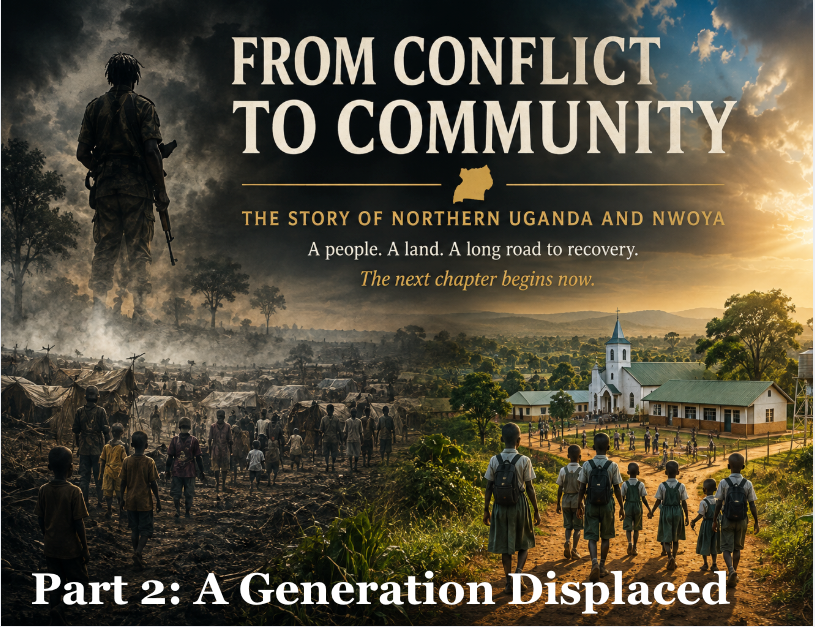
Ask someone who grew up in Gulu District in the early 2000s what they remember most, and you won't always hear about an attack. You'll often hear about a walk.
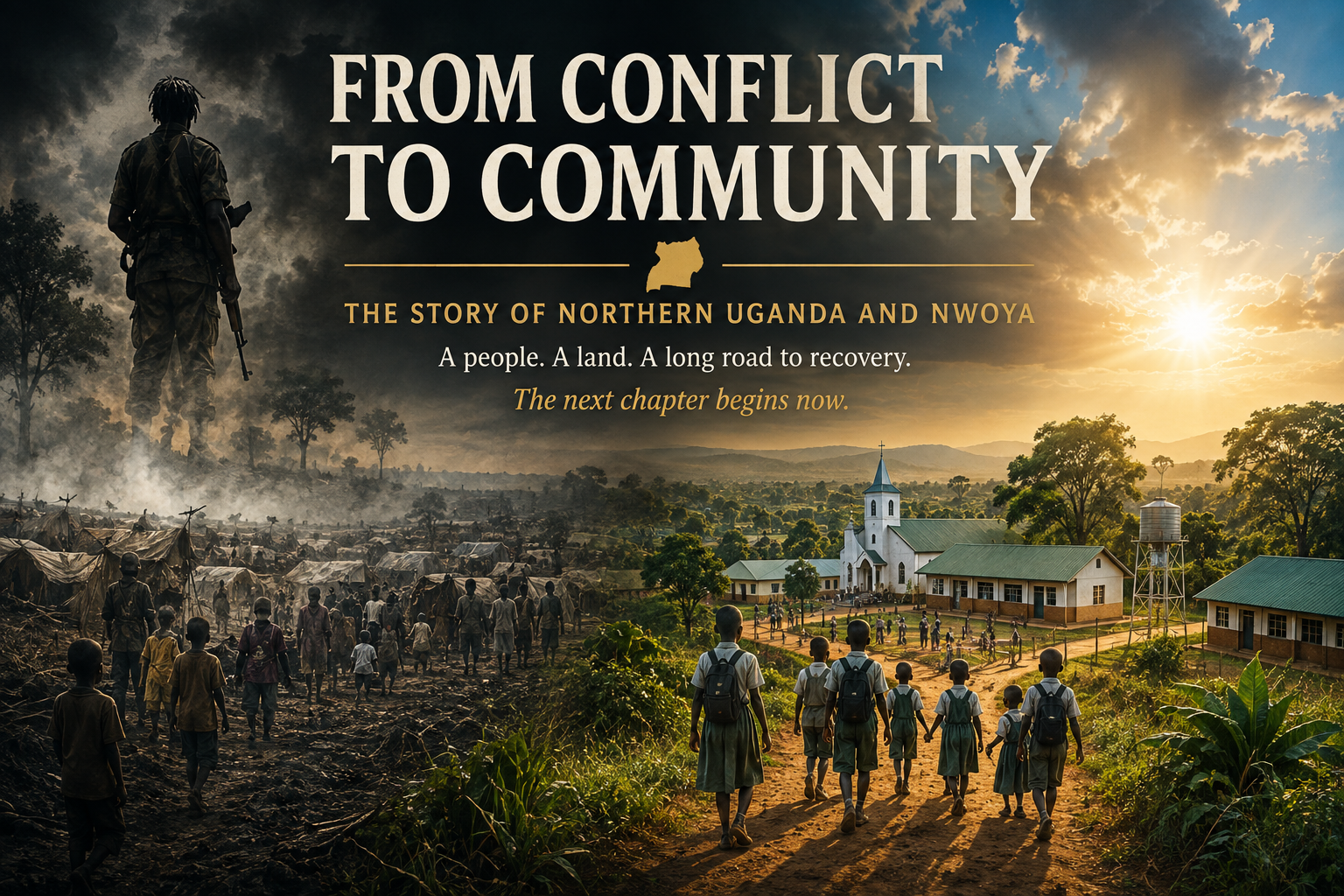
Every evening, as the light started to go, children left their homes — or their family's space inside a displacement camp — and walked toward the nearest town center. Not to visit anyone. To sleep somewhere the Lord's Resistance Army was less likely to find them. In the morning, they walked home again, went to whatever school was still functioning, and did it all again the next evening. Aid workers and journalists came to call them "night commuters," and for a few years in the middle of the war, they were one of the most visible symptoms of what the conflict was actually doing to an entire generation.
Part 1 of this series explained the LRA's origins, the scale of displacement and abduction, and the slow work of accountability that followed. This part asks a narrower, harder question: what did all of that actually mean for the children living through it, and for the families trying to hold on to them?
A phenomenon nobody planned for
The night commuting phenomenon wasn't part of any government or humanitarian program.

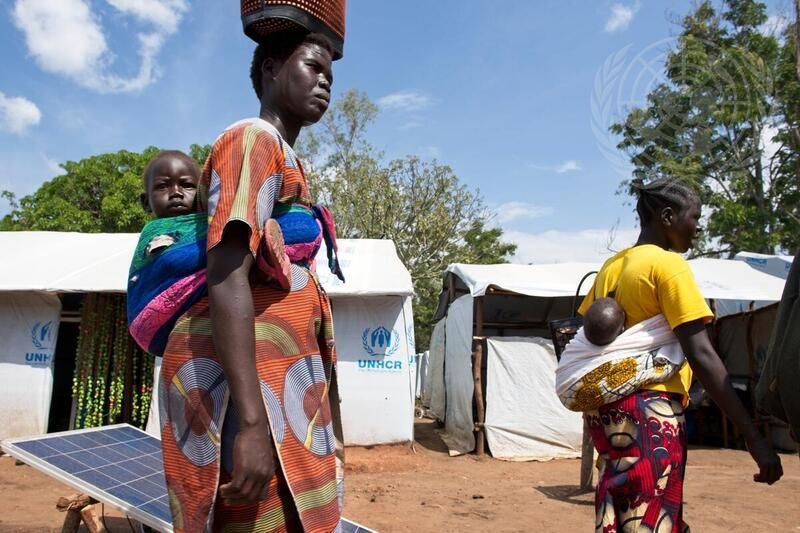
It began around 2003, after a Ugandan military offensive intensified LRA attacks on rural areas, and it grew faster than anyone expected. Estimates from that period vary — around 21,000 children walked into Gulu town nightly in late 2003, according to reporting at the time, while a combined count across Gulu, Kitgum, and Pader districts reached roughly 44,000 by 2004. Some photographic archives from the same years describe more than 40,000 young people seeking shelter nightly across the region. The range itself tells you something: nobody, including the aid agencies scrambling to respond, had a precise count, because the scale of it kept changing.
"Nobody planned for tens of thousands of children to become their own nightly commuters. The system built to respond to it was improvised, and it stayed improvised for years."
What they walked toward wasn't shelter in any formal sense. Churches, hospital courtyards, bus parks, and NGO-run night shelters filled with children carrying straw sleeping mats, arriving in numbers too large for the space available. The phenomenon eased after the 2006 ceasefire that preceded the Juba peace talks, but it didn't stop immediately — some children kept commuting for years afterward, partly out of habit, partly because home no longer felt like where they belonged, and partly because, as one Gulu outreach worker put it in a 2007 NPR interview, some had lost both parents and no longer knew who to trust enough to sleep near.
What abduction actually meant
Abduction rarely meant a single violent moment and nothing more. For the children the LRA took — whether for days or for years — it meant forced marches, forced violence, and in many documented cases, being made to participate in attacks on their own communities as a way of severing any path back home.
A Word About the Numbers
Different organizations reported different totals for both abductions and night commuters during this period, and this article reports the range rather than picking whichever number sounds most dramatic. Part of the reason: the two figures often measured different things. A UNICEF-funded 2006 study found that at least 66,000 children and youth had been abducted by the LRA at some point between 1986 and 2005 — a figure that includes children held only briefly before escaping or being released. Other organizations, including Amnesty International, have cited a lower figure of roughly 20,000 to 25,000, generally referring more specifically to children forced into sustained combat roles. Both figures are credible. They're measuring different slices of the same catastrophe.
Girls abducted by the LRA faced a further, well-documented risk: forced "marriage" to commanders and sexual slavery, a pattern researchers and human rights organizations have separately and consistently confirmed across multiple studies of the conflict.
What happened to children after they escaped, were released, or were rescued is where the more complicated, less headline-friendly research lives. Beginning in 2005, a research initiative called the Survey of War-Affected Youth — a UNICEF-commissioned study led by researchers Jeannie Annan and Christopher Blattman — set out to measure, rigorously and at scale, what the war had actually done to northern Uganda's young people. Its finding cuts against the simplest version of this story: most of the youth surveyed, including many who had experienced serious violence, showed high levels of social functioning and only low-to-moderate emotional distress. The researchers didn't conclude that the war caused no harm — the opposite is well documented throughout their work — but they argued that humanitarian programming had over-invested in psychosocial counseling for every returning child, when what many needed more urgently was a path back into school or a way to earn a living.
That finding matters for how this story gets told, including by an organization like Amigos Internacionales. It's tempting, in fundraising writing especially, to describe every child who lived through this war as permanently and visibly broken. The research says something more precise, and in some ways more hopeful: trauma was real and widespread, but so was resilience — and the two coexisted in the same young people, often in the same year. Reducing northern Uganda's children to either "damaged" or "triumphant" flattens something the actual research took years to document carefully.
Recovery Didn't Begin When the War Ended
When international headlines moved on, northern Uganda's families were still rebuilding.
Children became parents.
Parents became grandparents.
The classrooms they never had became the classrooms they hoped to build for their own children.
Recovery wasn't measured in months.
It would be measured in generations.
That is where the MissionPoint story begins.
School, interrupted
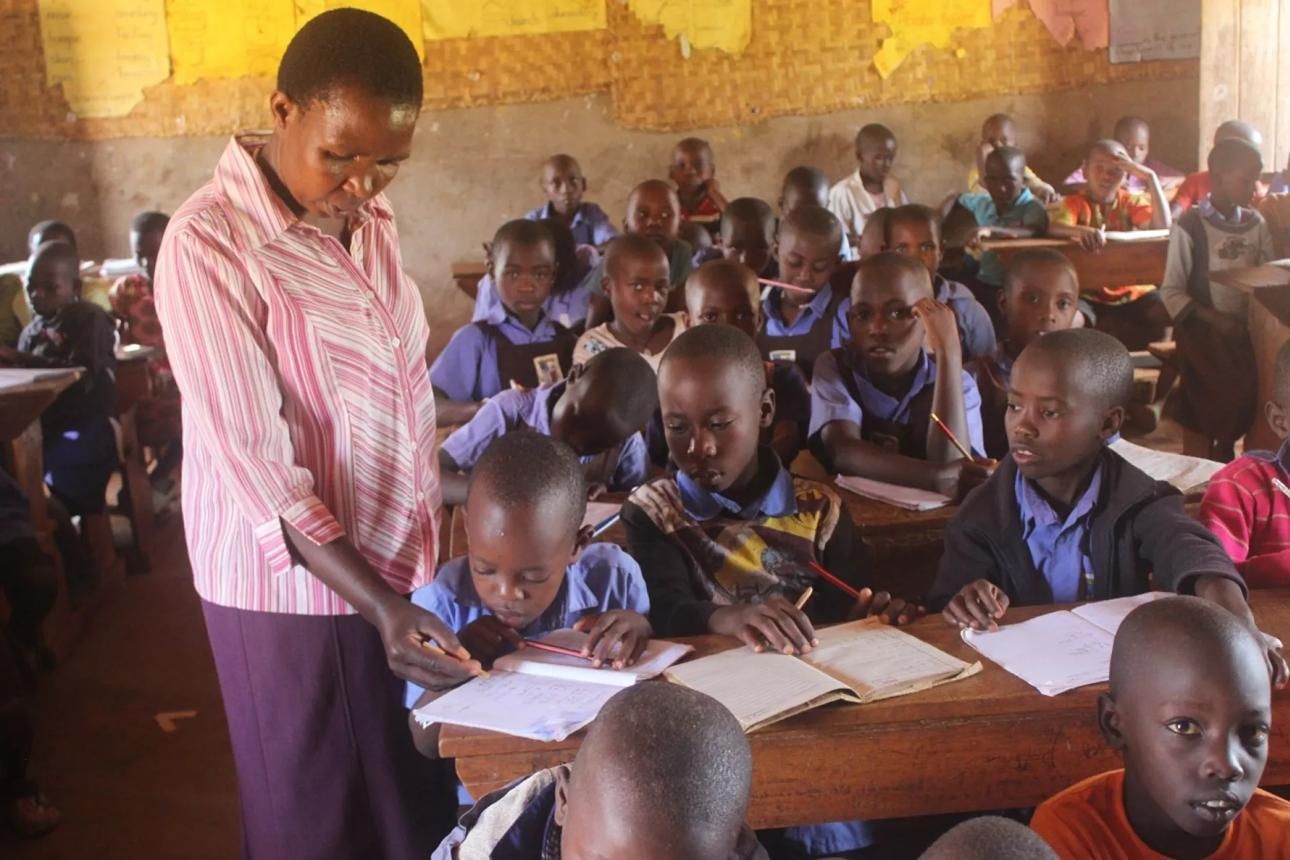
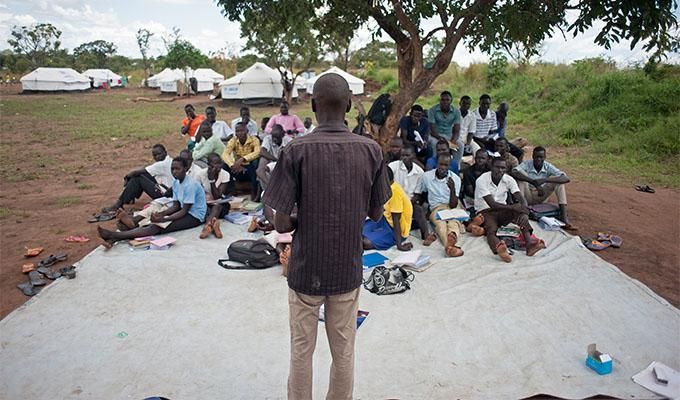
Uganda had, on paper, one of the more ambitious primary education policies in East Africa during these same years. The government introduced Universal Primary Education in 1997, abolishing school fees nationwide — a policy credited with dramatically increasing enrollment across the country. For families in the Acholi sub-region, that national promise collided directly with local reality. A school that exists on a district education office's list isn't the same as a school children can safely and consistently reach — not when travel outside a displacement camp carried real risk, not when teachers themselves had been displaced, and not when a child's day was already structured around where it was safe to sleep that night.
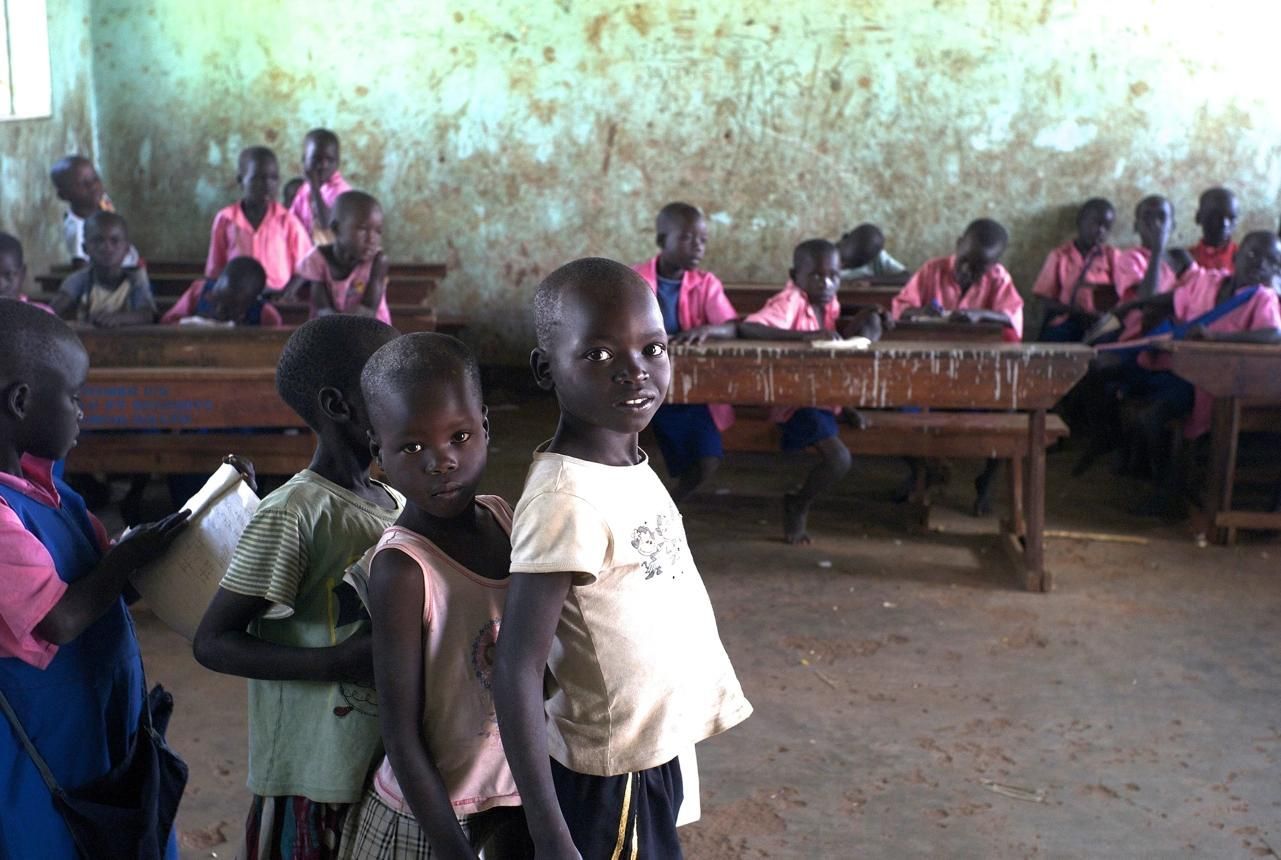
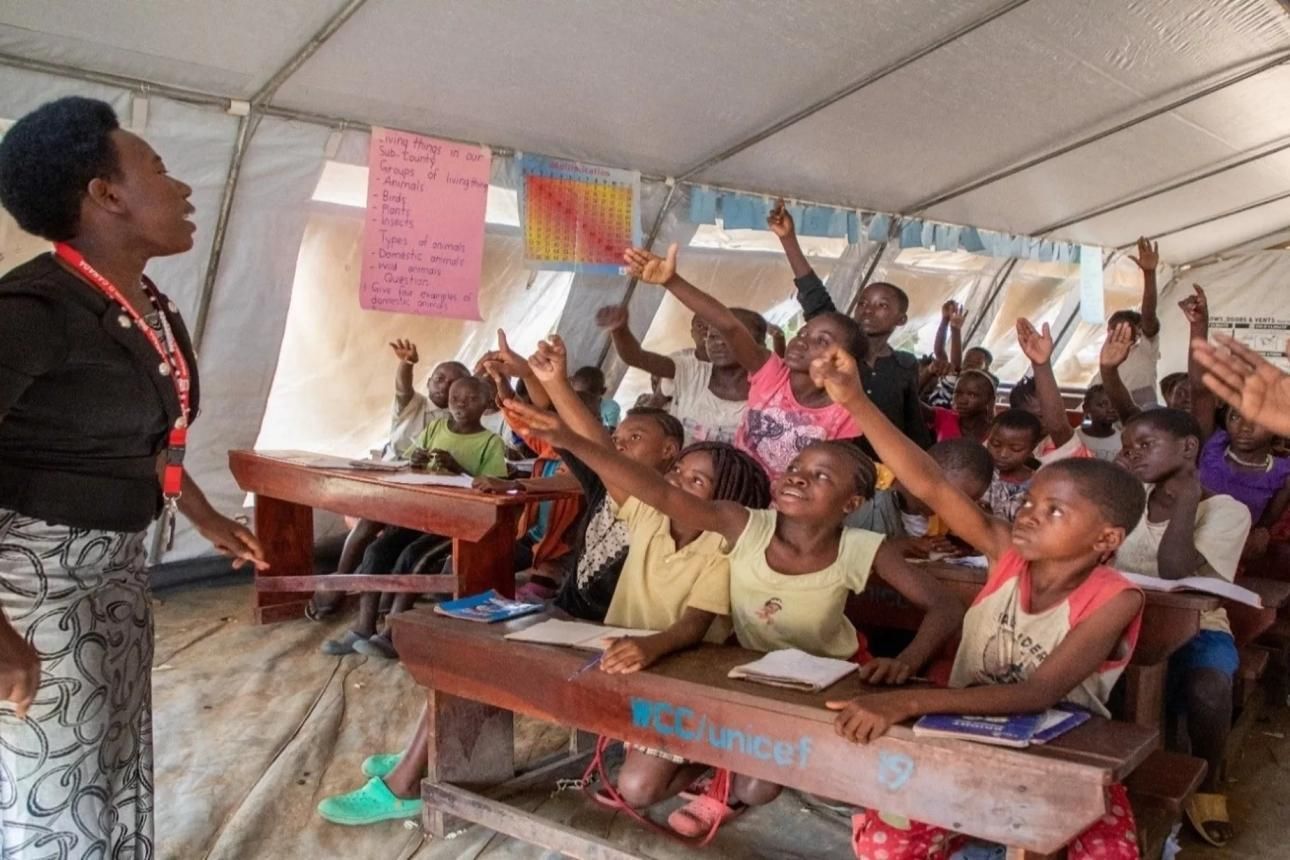
We don't have a precise, sourced dropout or attendance figure specific to Acholi children during the peak war years — reporting from the period documents disruption broadly (Amnesty International's summary of the conflict notes that the LRA "attacked schools and hospitals" as part of its wider campaign against civilian life) without breaking that impact down by district or by year in a way this article can respectably cite as a specific number. What can be said with confidence, and what Part 1 already documented with hard data: two decades later, secondary school enrollment in the Acholi sub-region sits at just 7 percent, against 52 percent in Kampala — the widest such gap in the country.
That gap didn't appear on its own. It's the compounded result of years like the ones described in this article: children who spent their evenings walking instead of studying, teachers who were themselves displaced, and school buildings that either didn't exist yet in the camps or existed without the staff, materials, or safety to function normally.
Families, pulled apart and put back together imperfectly
amilies from each other, sometimes for the length of the war. Camp life, as Part 1 described, meant food rationing and unemployment in a population accustomed to farming its own land. It also meant something less quantifiable:
"There was no single story of return. Some children came home to open arms. Some came home to a camp that had moved. Some came home changed in ways their own families didn't yet have language for."
Displacement didn't only separate children from schools. It separated fhouseholds that had organized themselves for generations around agricultural rhythms, extended-family compounds, and clear roles for elders were compressed into crowded camp settlements where those structures didn't transfer cleanly.
Children who escaped or were released from LRA captivity often returned to families that had themselves been displaced, sometimes to a camp their family no longer lived in, sometimes to relatives who didn't know how to relate to a child who had been made to do or witness violence. Reintegration research from the same SWAY project found that formerly abducted youth, especially young women who had also survived forced "marriage" within the LRA, often faced complicated returns — stigma in some cases, genuine welcome in others, and frequently both from different corners of the same community. There was no single story of return, which is itself worth stating plainly: this history resists tidy endings, then and now.
What this means for understanding recovery today
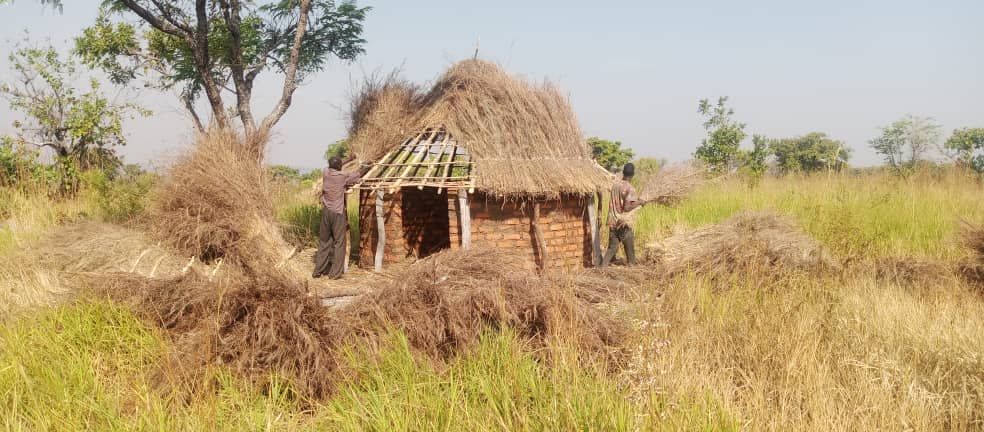
None of this is offered as backstory for its own sake. It's the reason Part 1's closing statistic — that gap between Kampala's 52 percent secondary enrollment and the Acholi sub-region's 7 percent — isn't simply a funding gap or an infrastructure gap. It's a generational one. The parents raising school-age children in Nwoya District today largely grew up inside some version of the story told here: a childhood shaped by displacement, interrupted schooling, and in many households, direct experience of abduction or its aftermath. They are not building recovery from a neutral starting point. They're building it while still carrying what happened to them as children.
That's the context that matters most going into the next part of this series, which turns from the region's broader wartime experience to Nwoya District specifically — how one community moved from displacement camps back to its own land, and what it chose to rebuild first.
FAQ SECTION
How many children were affected by the Lord's Resistance Army conflict? Estimates vary depending on what's being measured. A UNICEF-funded 2006 study found that at least 66,000 children and youth were abducted by the LRA at some point between 1986 and 2005, a figure that includes brief abductions. Other organizations, including Amnesty International, have cited a narrower estimate of roughly 20,000 to 25,000, generally referring to children forced into sustained combat roles.
What were "night commuters"? Night commuters were children, adolescents, and some women who left their homes or displacement camps every evening to sleep in the relative safety of nearby town centers, then returned home each morning, in order to avoid LRA night attacks and abduction. The phenomenon began around 2003 and involved tens of thousands of people nightly at its peak in Gulu, Kitgum, and Pader districts, easing after the 2006 ceasefire.
Did all children abducted by the LRA become child soldiers? No. Documented research shows many abducted children were held only briefly before escaping or being released, while others were forced into extended roles as soldiers, porters, or — particularly for girls — sexual slavery. The range in abduction statistics partly reflects this difference in duration and role.
Are formerly war-affected youth in northern Uganda permanently traumatized? Research doesn't support a simple answer either way. The Survey of War-Affected Youth, a rigorous UNICEF-commissioned academic study, found that most surveyed youth displayed meaningful psychosocial resilience despite widespread trauma exposure, while also documenting real and lasting harm for many. Both findings are part of the same body of research.
How did the war affect education in northern Uganda specifically? Uganda introduced fee-free Universal Primary Education nationally in 1997, but displacement, insecurity, and disrupted teaching staff meant that promise landed unevenly in the Acholi sub-region during the war years. The long-term result is measurable: the Acholi sub-region's current secondary school enrollment rate of 7 percent is the lowest of any region in Uganda, far below Kampala's 52 percent.
Is this history still relevant to families in Nwoya today? Yes, directly. Many adults now raising school-age children in Nwoya District grew up during the years described in this article — displacement, interrupted schooling, and in many households, abduction or its aftermath. Understanding that history is part of understanding why recovery in districts like Nwoya has taken decades rather than years.
Part 3
Nwoya's Long Road Home
When peace finally came, families left the camps and returned to land that had changed
—and that had to be rebuilt almost from the beginning.
The next article follows one community's journey home and explains why
Amigos Internacionales chose Nwoya as the site of one of its newest MissionPoints.
Categories

Free Medical Camps in Burundi: What Happens When a Doctor Walks Into Gisuru | Amigos Internacionales
Social Media
Free Medical Camps in Burundi: What Happens When a Doctor Walks Into Gisuru | Amigos Internacionales