Sponsorachild Programs: Success Stories from Uganda and Tanzania
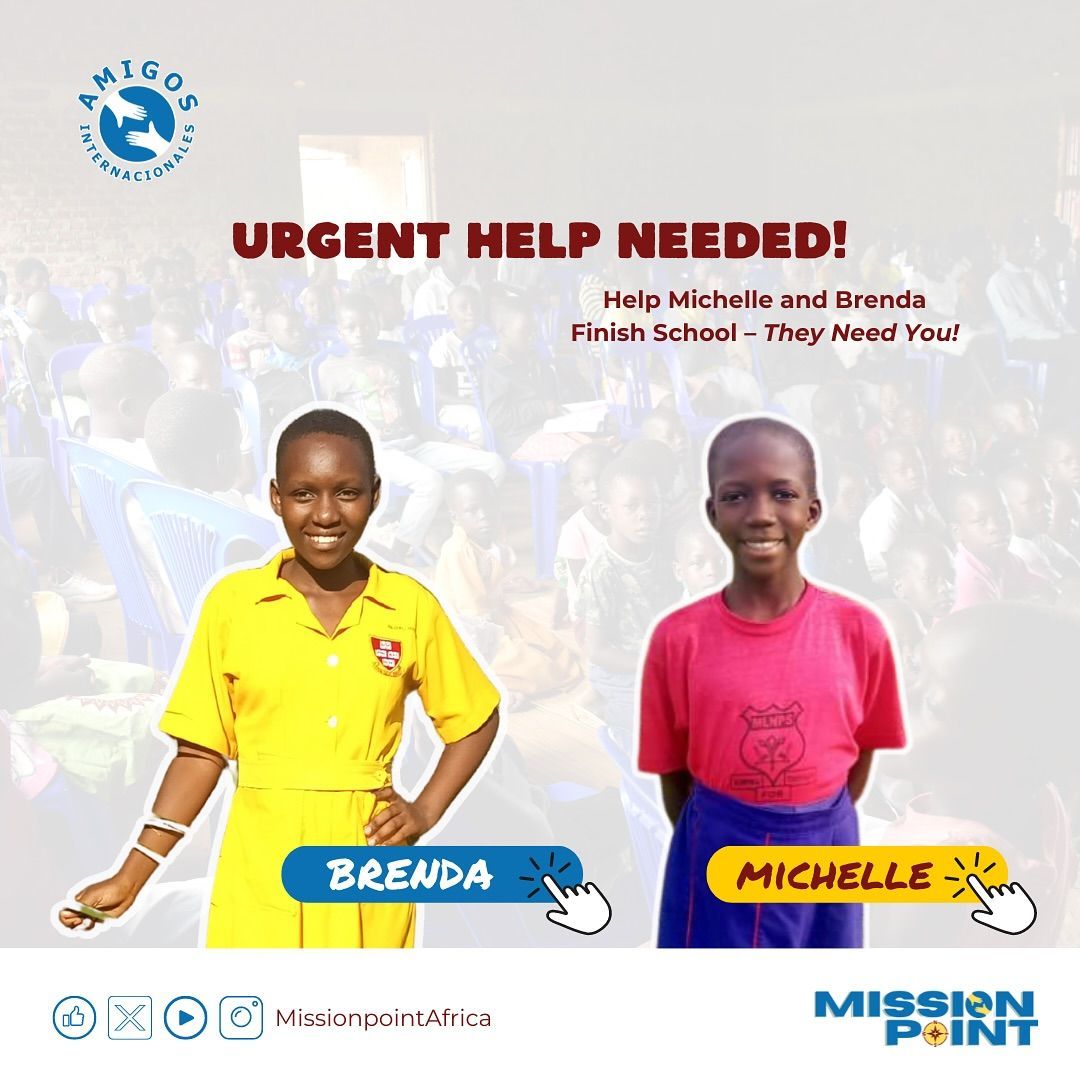
Michael Ryer • December 19, 2024
a blue sky with a few clouds in it
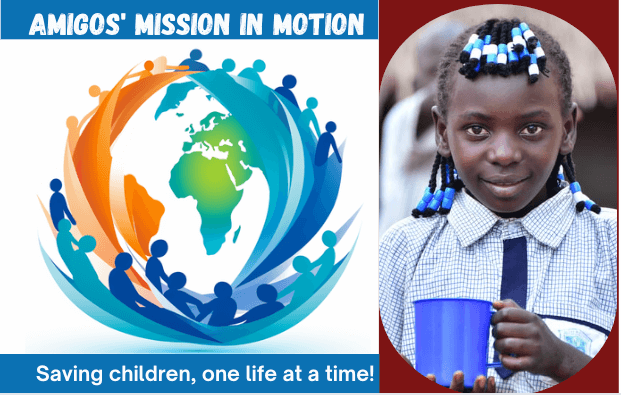
A poster for amigos mission in motion shows a girl holding a cup

In the heart of Africa, two countries—Uganda and Tanzania—are home to transformative initiatives that change the lives of children through the Sponsorachild program. This blog explores the remarkable success stories that have emerged from these programs, illustrating the profound impact that compassionate support can have on young lives. Join us as we delve into inspiring tales from local communities, highlighting the positive outcomes enabled by sponsorship.

Understanding the Sponsorachild Initiative

The Sponsorachild initiative was established to provide educational and social support to children in need. This section will explore the program's inception, objectives, and the vital role of community engagement.

Launched with a vision of empowerment, the Sponsorachild program aims to bridge the gap for children who might otherwise miss out on education due to socio-economic challenges. From its early days, the initiative has centered on creating sustainable pathways for educational attainment, ensuring that children not only attend school but thrive within it. The emphasis on community involvement has been a cornerstone of its success.

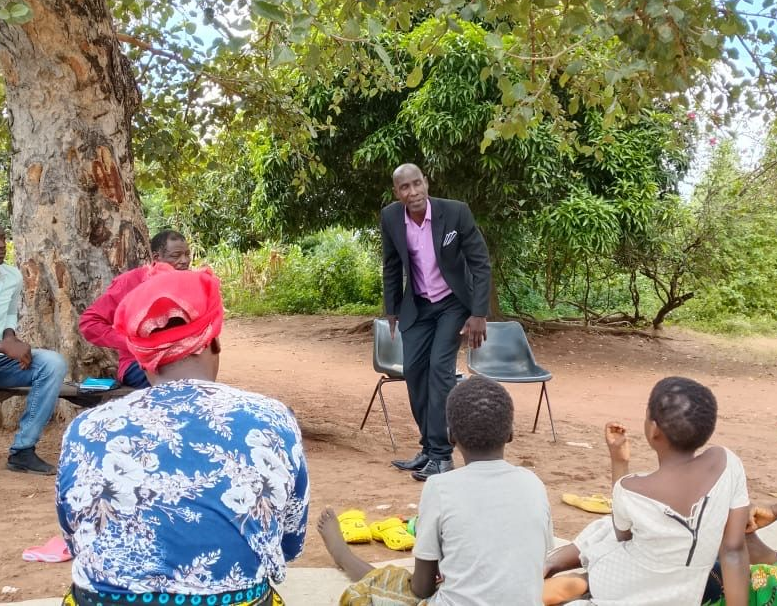
Community participation is crucial for the program's longevity. Parents, educators, and local leaders come together to support the children, creating an ecosystem that fosters learning and growth. Workshops, training, and regular meetings are conducted to ensure that the community remains invested in the educational journeys of their youth. Through these efforts, the Sponsorachild initiative has become more than just a program; it is a community movement.


Success Stories from Uganda

In Uganda, the Sponsorachild program has led to numerous success stories. Here, we will share inspiring accounts of children who have benefitted from sponsorship, highlighting their achievements and aspirations.

Meet Samira, a bright-eyed girl from Kampala who, just a few years ago, faced insurmountable barriers to her education. With the intervention of the Sponsorachild initiative, Samira not only received school fees but also access to educational materials and mentorship. Today, she excels in science and dreams of becoming a doctor, determined to give back to her community. Her story is just one among many that illustrate the program’s impact.

Through the voices of many sponsors, we hear stories of hope. For instance, the tale of a boy named Juma resonates deeply. Orphaned at a young age, he struggled to find a stable environment until he was linked to a sponsor. The support he received not only provided him with an education but also a sense of belonging, influencing his confidence and participation in community activities. Juma is now an advocate for education, encouraging others to pursue their dreams regardless of their backgrounds.

In rural areas, the stories take on a different, yet equally powerful rhythm. Like many children in remote regions, Amina faced skipping school due to the burden of household responsibilities. However, thanks to the Sponsorachild initiative, she now finds time to study and even participates in after-school programs that enhance her learning experience. Her academic achievements stand testament to her hard work and the positive influence of sponsorship.
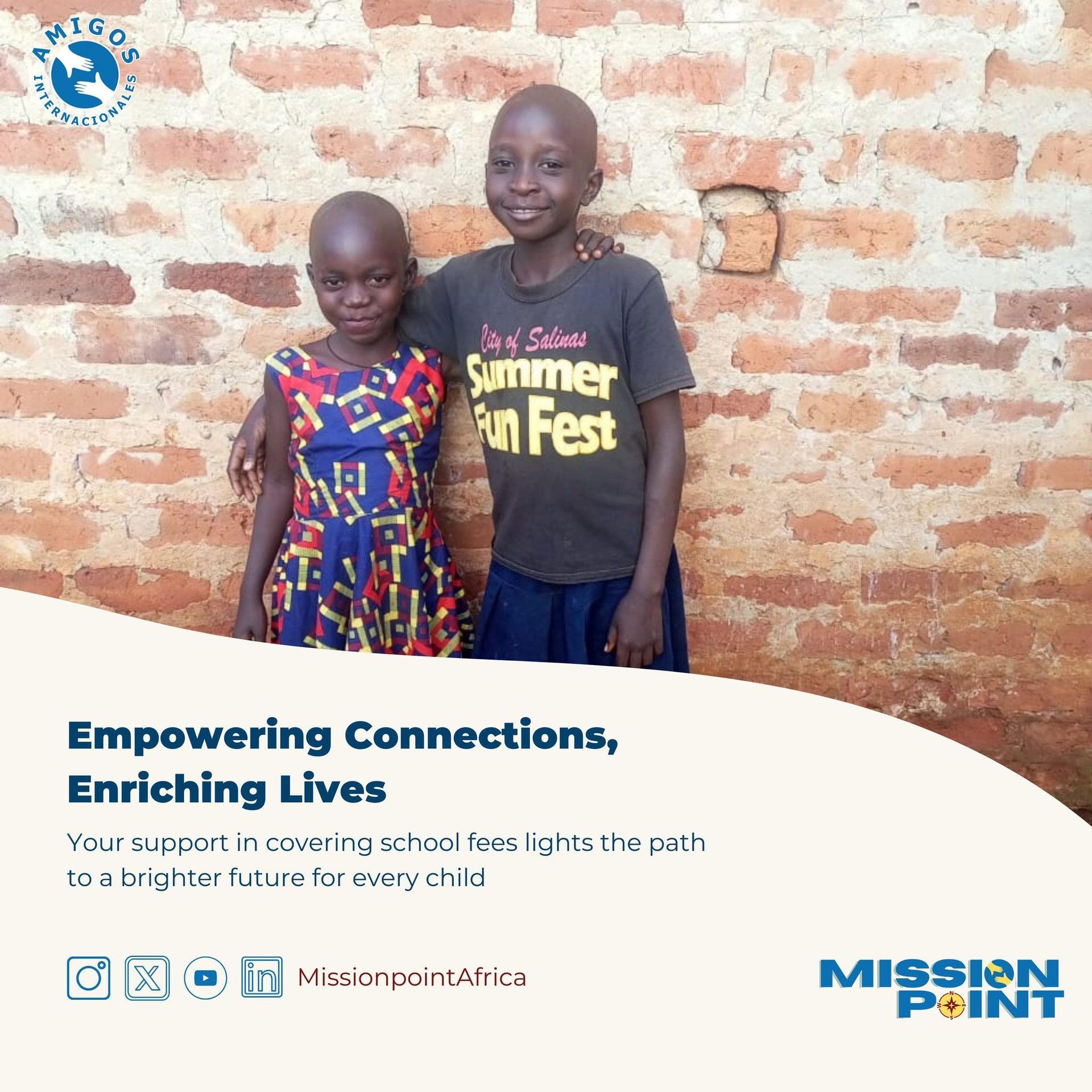
A boy and a girl are standing next to each other in front of a brick wall.
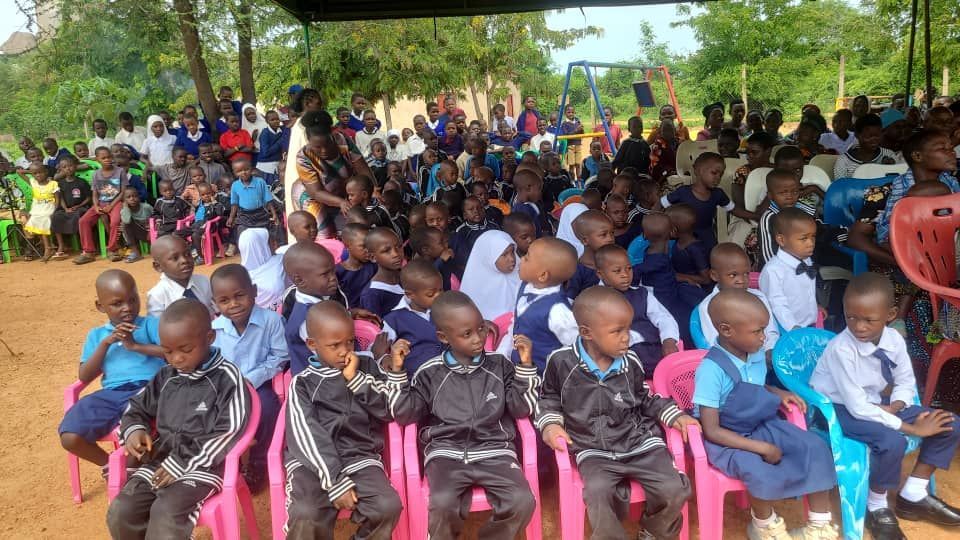
A large group of children are sitting in pink chairs.


Transformative Impact in Tanzania

Tanzania has also witnessed the power of the Sponsorachild program. This section will feature success stories from Tanzanian children who have overcome challenges, showcasing the transformative impact of sponsored education.

Consider the inspiring journey of Malik, a young boy from Dar es Salaam. Once plagued by doubts about his future due to poverty, he found new purpose through the support of a caring sponsor. With access to quality education and health care, Malik not only excelled academically but also engaged with sports, discovering his talents and passions in newfound ways. This holistic development illustrates the program's commitment to nurturing all facets of a child's potential.

The power of education is demonstrated through Fatima’s story, too. Living in a small village, Fatima was initially discouraged by the lack of resources and educational facilities. However, the Sponsorachild initiative helped her gain admission to a local school where she could thrive in an enriched environment, participate in leadership programs, and ultimately become a role model for other girls. Her drive and determination shine as a beacon for others, showing that dreams can be achieved when they are nurtured.

Moreover, community efforts in Tanzania are also noteworthy. Families come together to support children in their learning pursuits. For many children like Peter, the experience is not just about financial aid; it’s about community upliftment and social commitment. Peter’s story reflects the essence of transformation—academic excellence combined with community pride.


How to Get Involved with Sponsorachild

For those inspired by these success stories, this section will provide information on how to get involved with the Sponsorachild program, including sponsorship opportunities and volunteering.

Getting involved with the Sponsorachild program is a fulfilling journey that can start with a few simple steps. You can choose to sponsor a child, which directly impacts their educational journey and overall well-being. Every contribution counts—whether it's monthly sponsorship or one-time donations that can help provide essential supplies or support community initiatives. Your commitment can transform lives.

Moreover, volunteering offers another avenue to make a significant impact. Whether you choose to assist in local initiatives, organize awareness events, or lend expertise to educational programs, your skills can be vital to the community. Engaging with the program on a personal level allows you to witness the incredible transformations firsthand, fostering deeper connections and shared wisdom.

Joining the movement also involves sharing the message. Spread the word about the Sponsorachild program through social media, community gatherings, or events. By raising awareness, you become part of a collective effort that encourages more people to step forward and support vulnerable children. Together, we can build a network of compassion that evokes lasting change.

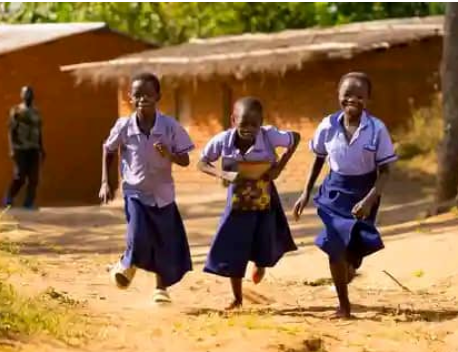
Three children are posing for a picture together in a field.
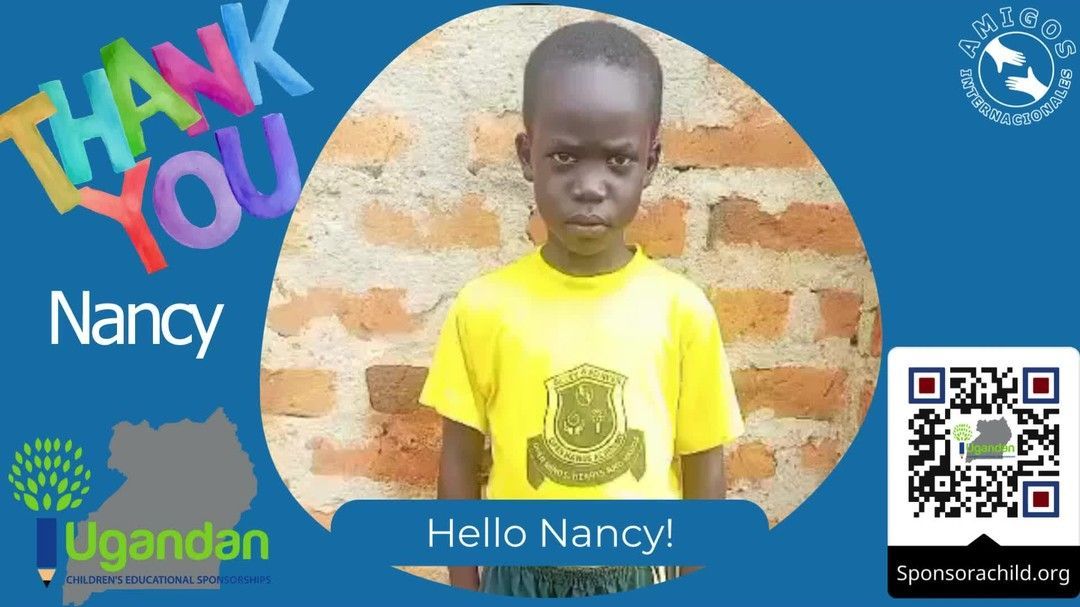
A young boy in a yellow shirt is standing in front of a brick wall .\


Community Involvement: A Key to Success

The success of the Sponsorachild programs is deeply tied to community involvement. This part will discuss how local communities collaborate with sponsors to create lasting change.

Community members play multifaceted roles, acting as mentors, advocates, and partners in the educational journey of their children. They attend meetings, offer local insights into children’s needs, and actively participate in tracking progress, ensuring that children receive holistic support. Their engagement exemplifies the interconnectedness required to foster educational success.

In myriad ways, community meetings act as platforms for sharing experiences and best practices. Families discuss challenges and celebrate successes, fostering a collective resilience. This collaborative spirit accelerates growth and promotes accountability, thereby reinforcing the fabric of the community. Empowered communities are the bedrock on which the Sponsorachild initiatives thrive.

The shared stories among families often ignite a collective passion for education, transforming mindsets about the potential of every child. Through workshops, awareness campaigns, and grassroots initiatives, they pave the way for a future where education is valued, leading to generational change. The community’s role is not just supplementary; it is essential.

Continuing the Journey of Change

The Sponsorachild programs in Uganda and Tanzania not only change the lives of individual children but also uplift entire communities. Each story shared demonstrates the power of connection and generosity, reminding us that our efforts can foster hope, education, and a brighter future for those in need. By continuing to support these initiatives, we contribute to a ripple effect of positive change that reaches far beyond what we can see.


MissionPoint Burundi free medical camp in Gisuru, doctors treating patients
By Amigos Internacionales April 28, 2026
In Gisuru, Burundi, 81% live in poverty and children walk miles for water. Amigos MissionPoint Burundi brings free medical care to those who've never seen a doctor. Give today.
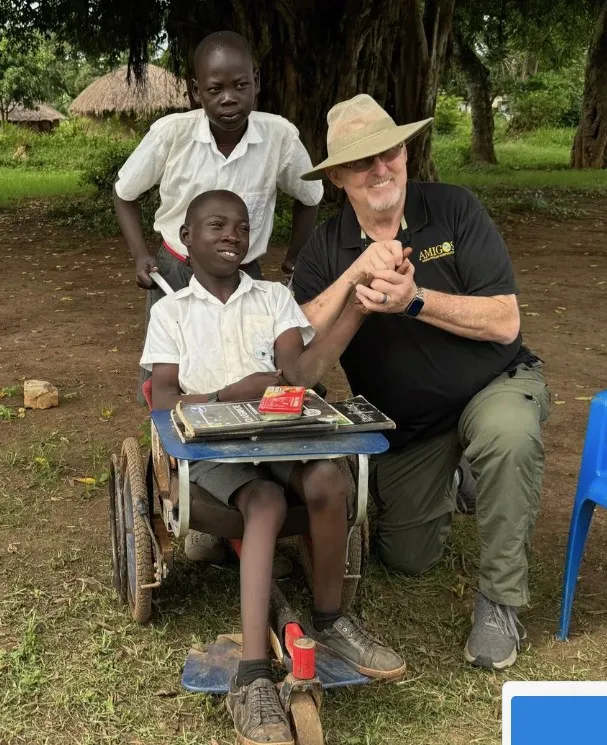
Two people beside a wheelchair outside, with a child seated at a small desk in a grassy outdoor area.
By Amigos Internacionales April 27, 2026
Texas nonprofit delivers $10M in medical care on $185K — 36 cleft palate surgeries in 3 days in Uganda. Featured in the Tyler Morning Telegraph, April 2026.
By Amigos Internacionales April 13, 2026
Learn how church missions in Africa, through partnerships with Amigos Internacionales, can bring lasting change to communities in need. Get involved in education, healthcare, and development projects.
By Amigos Internacionales April 9, 2026
Discover the resilience of refugees in Northern Uganda and how Amigos Internacionales is providing medical care, education, and empowerment to help rebuild lives.
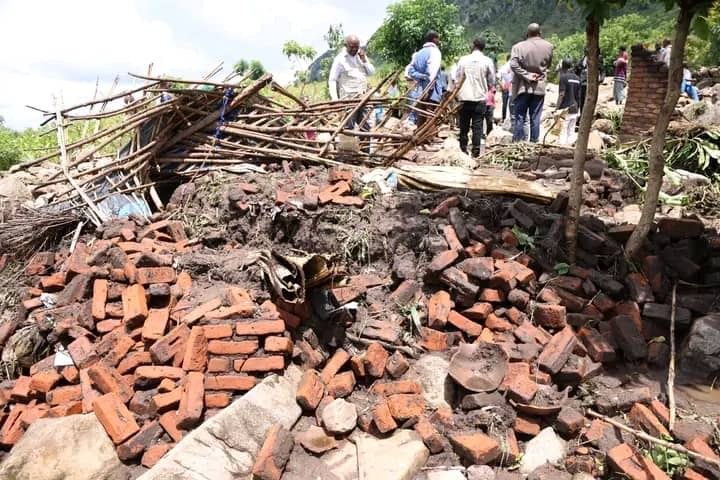
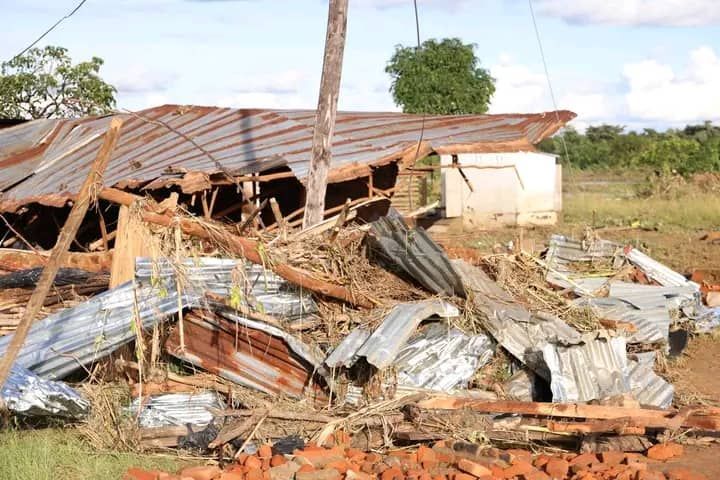
People stand near the ruins of a collapsed brick building in a grassy, mountainous area.
By Victor Phiri April 4, 2026
Deadly floods and landslides have displaced families in Malawi’s Mulanje and Phalombe districts, leaving them without shelter or food. Learn how emergency tents and food relief can bring hope—and how you can help today.
By Victor Phiri April 1, 2026
From 15–19 March 2026, relentless heavy rains triggered destructive flooding across southern Malawi, leaving a trail of shattered homes, damaged fields, and grieving families in districts like Mulanje and Phalombe. As a Christian medical and community ministry , Amigos Internacionales’ Missionpoint Malawi is on the ground, helping families survive this disaster and begin to rebuild their lives. A Disaster on a National Scale
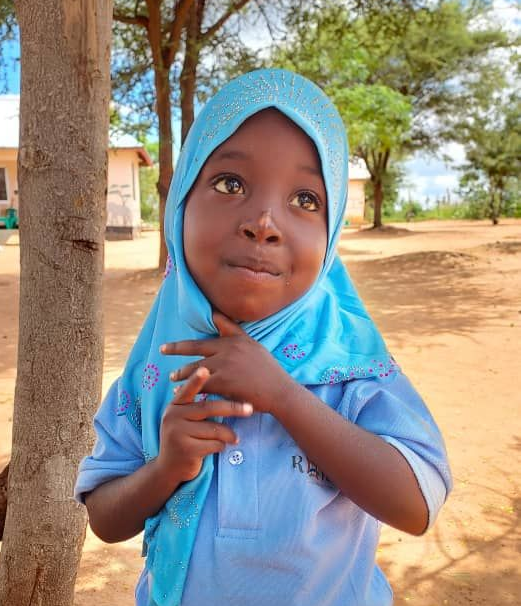
A child wearing a light blue hijab and shirt, smiling while touching their chin, standing outdoors in a sandy area.
By Amigos Internacionales March 28, 2026
Perpetua’s story in Tanzania reveals the daily reality of living with sickle cell and how compassionate medical care and faith bring hope to vulnerable children.
By Amigos Internacionales March 27, 2026
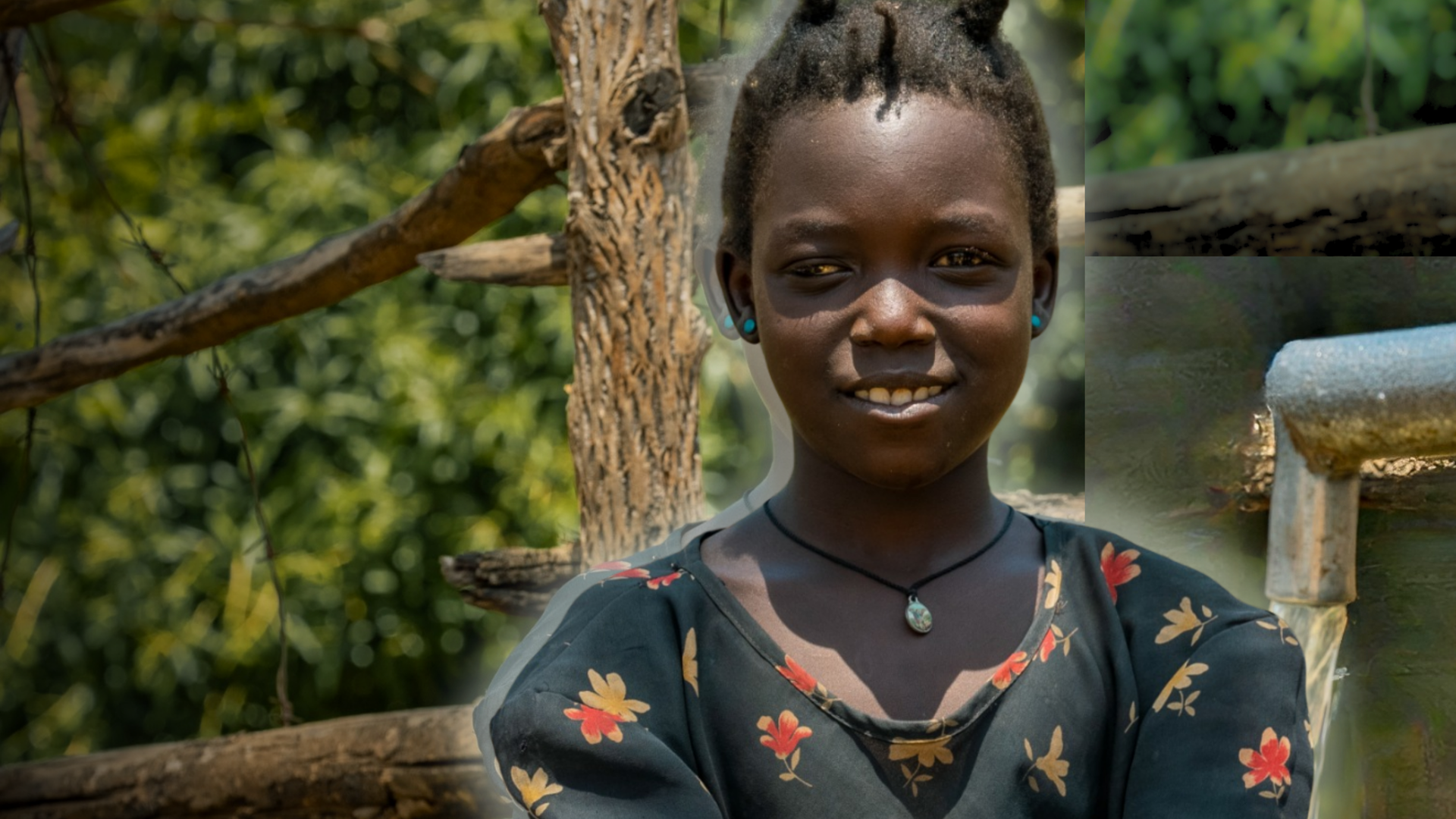
Learn about the water crisis in rural Uganda and how Amigos Internacionales is providing sustainable, clean water solutions to transform lives and communities.
By Amigos Internacionales March 26, 2026
Learn how child sponsorship in Africa transforms lives in Uganda through education, healthcare, and long-term community impact.
By Amigos Internacionales March 25, 2026
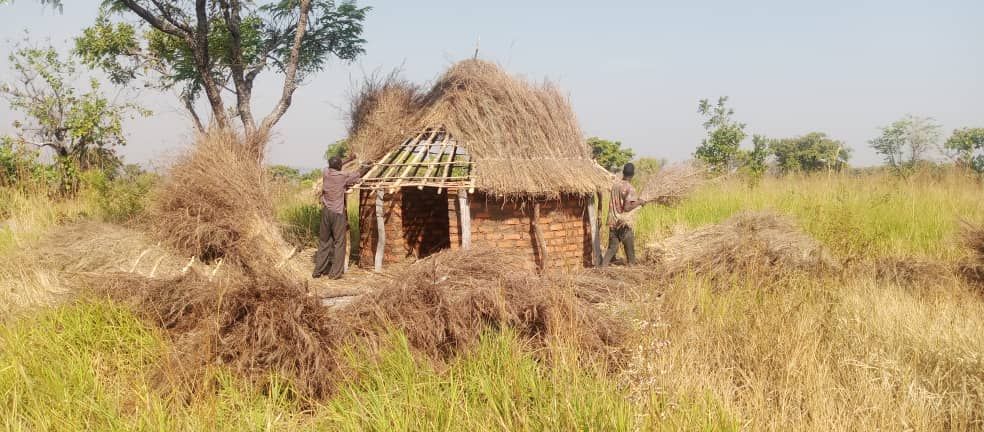
A Ground Prepared Together Loyobo, Uganda — March 2026 There is a quiet theology unfolding in Loyobo. Before any patient is seen, before medicines are distributed, before prayers are spoken over the sick—there is soil being turned. There are hands pressing into earth. There is a community preparing space. In these early days leading up to the medical camp on March 27–28, the people of Loyobo are not waiting for care—they are making room for it. Men and youth gather under open skies, clearing land that will soon receive both bodies and stories. The ground, once wild and overgrown, is becoming a place of welcome. This is not simply preparation; it is participation. It is dignity taking form in action.
By Amigos Internacionales March 24, 2026
Discover why children in rural Africa lack access to life-saving surgery and how Amigos Internacionales is providing hope through medical missions.
By Amigos Internacionales March 19, 2026
The most expensive decision is often the one that does nothing When people talk about the cost of a water well, they usually mean drilling, equipment, labor, and maintenance. Those costs are real. They matter. However, the bigger question is often ignored. What does it cost when a well is never drilled? In East Africa, that answer is measured in sickness, lost time, missed school, and stalled progress. It is also measured in futures that never fully open. A village without clean water does not simply lack convenience. It lacks a foundation. Unsafe water keeps families trapped in preventable illness The first cost is health. When families depend on ponds, surface runoff, or contaminated collection points, disease spreads fast. The World Health Organization warns that contaminated drinking water can transmit diarrhoea, cholera, dysentery, typhoid, and polio. WHO also estimates that unsafe drinking water causes about 505,000 diarrhoeal deaths each year. That number is global. Yet the daily reality feels painfully local. A child drinks unsafe water. That child gets sick. A mother stays home to care for him. A father loses work hours. A clinic visit costs money the family did not plan to spend. Then it happens again. This is what “no well” really costs.
More Posts

Social Media

MissionPoint Burundi free medical camp in Gisuru, doctors treating patients
By Amigos Internacionales April 28, 2026
In Gisuru, Burundi, 81% live in poverty and children walk miles for water. Amigos MissionPoint Burundi brings free medical care to those who've never seen a doctor. Give today.
Two people beside a wheelchair outside, with a child seated at a small desk in a grassy outdoor area.
By Amigos Internacionales April 27, 2026
Texas nonprofit delivers $10M in medical care on $185K — 36 cleft palate surgeries in 3 days in Uganda. Featured in the Tyler Morning Telegraph, April 2026.
By Amigos Internacionales April 13, 2026
Learn how church missions in Africa, through partnerships with Amigos Internacionales, can bring lasting change to communities in need. Get involved in education, healthcare, and development projects.
By Amigos Internacionales April 9, 2026
Discover the resilience of refugees in Northern Uganda and how Amigos Internacionales is providing medical care, education, and empowerment to help rebuild lives.
People stand near the ruins of a collapsed brick building in a grassy, mountainous area.
By Victor Phiri April 4, 2026
Deadly floods and landslides have displaced families in Malawi’s Mulanje and Phalombe districts, leaving them without shelter or food. Learn how emergency tents and food relief can bring hope—and how you can help today.
By Victor Phiri April 1, 2026
From 15–19 March 2026, relentless heavy rains triggered destructive flooding across southern Malawi, leaving a trail of shattered homes, damaged fields, and grieving families in districts like Mulanje and Phalombe. As a Christian medical and community ministry , Amigos Internacionales’ Missionpoint Malawi is on the ground, helping families survive this disaster and begin to rebuild their lives. A Disaster on a National Scale
A child wearing a light blue hijab and shirt, smiling while touching their chin, standing outdoors in a sandy area.
By Amigos Internacionales March 28, 2026
Perpetua’s story in Tanzania reveals the daily reality of living with sickle cell and how compassionate medical care and faith bring hope to vulnerable children.
By Amigos Internacionales March 27, 2026
Learn about the water crisis in rural Uganda and how Amigos Internacionales is providing sustainable, clean water solutions to transform lives and communities.
By Amigos Internacionales March 26, 2026
Learn how child sponsorship in Africa transforms lives in Uganda through education, healthcare, and long-term community impact.
By Amigos Internacionales March 25, 2026
A Ground Prepared Together Loyobo, Uganda — March 2026 There is a quiet theology unfolding in Loyobo. Before any patient is seen, before medicines are distributed, before prayers are spoken over the sick—there is soil being turned. There are hands pressing into earth. There is a community preparing space. In these early days leading up to the medical camp on March 27–28, the people of Loyobo are not waiting for care—they are making room for it. Men and youth gather under open skies, clearing land that will soon receive both bodies and stories. The ground, once wild and overgrown, is becoming a place of welcome. This is not simply preparation; it is participation. It is dignity taking form in action.
By Amigos Internacionales March 24, 2026
Discover why children in rural Africa lack access to life-saving surgery and how Amigos Internacionales is providing hope through medical missions.
By Amigos Internacionales March 19, 2026
The most expensive decision is often the one that does nothing When people talk about the cost of a water well, they usually mean drilling, equipment, labor, and maintenance. Those costs are real. They matter. However, the bigger question is often ignored. What does it cost when a well is never drilled? In East Africa, that answer is measured in sickness, lost time, missed school, and stalled progress. It is also measured in futures that never fully open. A village without clean water does not simply lack convenience. It lacks a foundation. Unsafe water keeps families trapped in preventable illness The first cost is health. When families depend on ponds, surface runoff, or contaminated collection points, disease spreads fast. The World Health Organization warns that contaminated drinking water can transmit diarrhoea, cholera, dysentery, typhoid, and polio. WHO also estimates that unsafe drinking water causes about 505,000 diarrhoeal deaths each year. That number is global. Yet the daily reality feels painfully local. A child drinks unsafe water. That child gets sick. A mother stays home to care for him. A father loses work hours. A clinic visit costs money the family did not plan to spend. Then it happens again. This is what “no well” really costs.
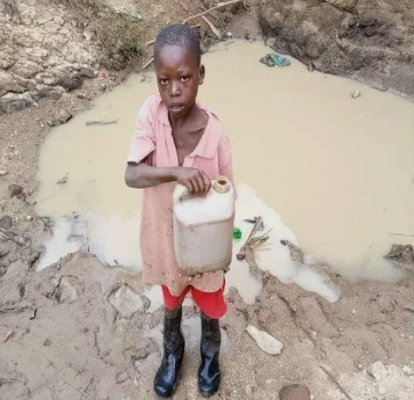
A person crouches near a muddy, polluted water source in a wooded area, filling a yellow plastic container.
By Amigos Internacionales March 19, 2026
Understanding the Real Cost of Clean Water Projects When people think about clean water, they often think about a simple well. However, the reality is far more complex. Bringing clean water to a rural village involves planning, logistics, and long-term sustainability. It is not just drilling a hole in the ground. Instead, it is building a system that will serve a community for years. On average, drilling a water well in Africa costs between $7,500 and $15,000. However, that number only tells part of the story.
A large group of people gathers on a dirt clearing in front of a long, thatched-roof building under a bright blue sky.
By Amigos Internacionales March 16, 2026
The Reality of Water in Northern Uganda In many parts of Northern Uganda, getting water is still a daily struggle. It is not just inconvenient. It is dangerous. Families often rely on shallow ponds or contaminated sources. During the dry season, these sources shrink. During the rainy season, they become even more polluted. As a result, waterborne diseases spread quickly. Children are especially vulnerable. According to the World Health Organization, unsafe water remains one of the leading causes of preventable illness worldwide. However, statistics only tell part of the story. The real impact shows up in missed school days, long walks, and constant uncertainty.
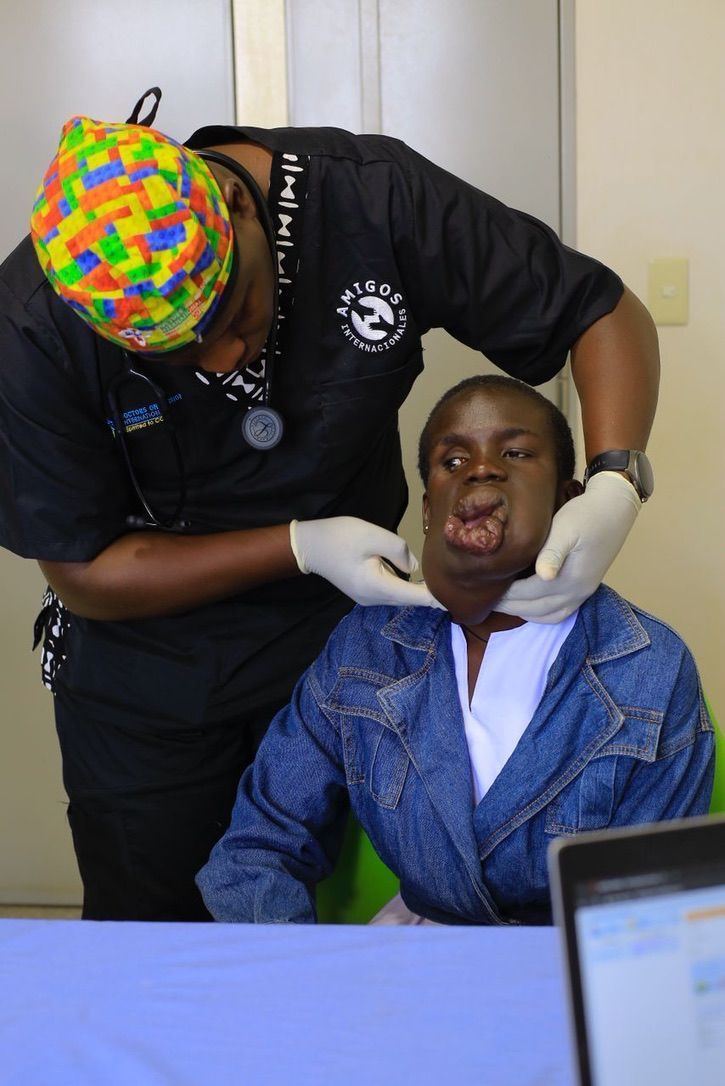
A healthcare provider wearing scrubs and gloves examines a patient with a visible facial growth on their lower jaw.
By Paul Mulyamboga March 13, 2026
“Discover how Amigos Internacionales brings life‑changing surgery to vulnerable children in rural Uganda, bridging the healthcare gap with compassionate care.”
Three children walking on a dirt road, one carrying a yellow jug, near green foliage.
By Victor Phiri February 26, 2026
In the rural communities of Mulanje District, there are children who wake up every morning ready to learn—but without the tools they need to understand the world around them. They are deaf. And in Malawi today, far too many of them are still waiting for a fair chance at education. At Missionpoint Malawi, in partnership with Amigos International, we are encountering a growing number of deaf children across Mulanje who are eager to learn, connect, and thrive. Yet their path to education is filled with barriers—systemic, social, and economic. This is a call not just for awareness—but for action. The Reality of Deaf Education in Malawi Since the early 2000s, Malawi shifted from a special education model to an inclusive education system. The vision was admirable: to integrate deaf children into mainstream classrooms alongside hearing peers. However, the implementation has revealed serious gaps. Across Malawi, more than 500,000 people are deaf or hard of hearing . Many of these children face: Limited access to quality education A severe shortage of trained teachers in Malawian Sign Language (MSL) Lack of learning materials tailored to deaf students Social isolation in mainstream schools Stigma and discrimination Extreme poverty that prevents access to boarding schools for the deaf While inclusive education is the national policy, many mainstream schools are not equipped to meet the educational needs of deaf learners. Teachers often lack training in sign language. Classrooms move at a pace that excludes deaf children from comprehension. Over time, many children withdraw—not because they lack intelligence, but because they lack access. Isolation Inside the Classroom Qualitative research conducted through Amigos International Mississippi–Malawi in three schools for the deaf and two mainstream schools revealed a troubling pattern. Deaf children in mainstream schools frequently reported: Feeling isolated and lonely Struggling to follow lessons Being unable to communicate effectively with teachers or peers Some children eventually leave mainstream schools and seek enrollment in special schools for the deaf—where they can communicate freely with deaf peers. But these schools are typically boarding institutions, and the costs are too high for many families living in poverty. As a result, some deaf children face an impossible choice: Attend a mainstream school where learning is limited, or Drop out because they cannot afford specialized education. No child should have to choose between belonging and learning. The Situation in Mulanje District In Mulanje alone, Missionpoint Malawi has already identified 60 deaf children in need of immediate support. And early outreach suggests the true number across the district is significantly higher. These children need: Access to Malawian Sign Language instruction Trained teachers or interpreters Specialized teaching materials Safe, inclusive learning environments Community support that reduces stigma Without intervention, many will remain excluded from meaningful education, limiting their future opportunities for employment, independence, and dignity. A Vision for Inclusive and Dignified Support At Missionpoint Malawi and Amigos International, we believe disability inclusion is not optional—it is essential to holistic community transformation. Our vision in Mulanje includes: Partnering with a local Deaf NGO to provide technical guidance Training teachers in Malawian Sign Language Providing learning materials tailored for deaf learners Creating community awareness to reduce stigma Supporting families facing extreme poverty Establishing structured programs that ensure deaf children are not left behind This initiative aligns with our broader commitments to: Education empowerment Child protection Community development Poverty alleviation Faith-based transformation rooted in dignity and compassion When we invest in a deaf child’s education, we are not offering charity—we are unlocking potential. Why This Matters for Malawi’s Future Education is not simply about literacy. It is about identity, opportunity, and voice. When deaf children are excluded: Communities lose future leaders Families remain trapped in poverty National development slows But when deaf children are included: They gain confidence and agency Families experience hope Communities grow stronger The question is not whether deaf children can learn. The question is whether we will provide the access they deserve. How You Can Help This is where compassionate partners and donors make the difference. Your support can help: Train a teacher in Malawian Sign Language Provide educational materials for a deaf child Support outreach to identify more deaf children in Mulanje Establish partnerships with disability-focused organizations Reduce stigma through community awareness programs Every gift becomes a bridge—connecting isolation to inclusion. We are preparing to expand our outreach and will soon document additional deaf children and families in Mulanje. As we meet disability communities across the district, we will share more stories and opportunities for partnership. Together, we can ensure that deaf children in Malawi are no longer invisible.
Surgeon in scrubs, headlight, smiling in operating room, blue drapes, medical equipment.
By Amigos Internacionales February 26, 2026
From 3-day medical camps and eye clinics to life skills training for women — discover how Amigos Internacionales brings holistic healing and empowerment to rural Uganda.
Students in uniform stand outside a building with teachers.
By Amigos Internacionales February 26, 2026
Over 700 children attend Amigos Internacionales schools in Uganda and Tanzania. Learn how building classrooms in rural Africa changes the trajectory of entire communities.
Large group of children posing in front of a partially constructed building. Outdoors, daylight.
By Amigos Internacionales February 26, 2026
Real Christian missions in Uganda go beyond short-term trips. Discover how Amigos Internacionales builds lasting faith, community, and change through the MissionPoint model.
Water flows from a metal spout into a concrete basin, a person's legs visible in the background.
February 26, 2026
Waterborne diseases kill thousands in Northern Uganda each year. Learn how Amigos Internacionales is drilling water wells in Gulu and rural Uganda — and how you can help.
Show More