Transforming Lives Through Water Projects in Uganda
Michael Ryer • December 19, 2024
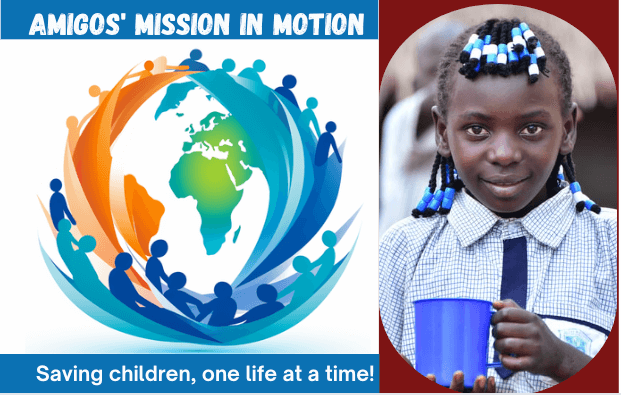
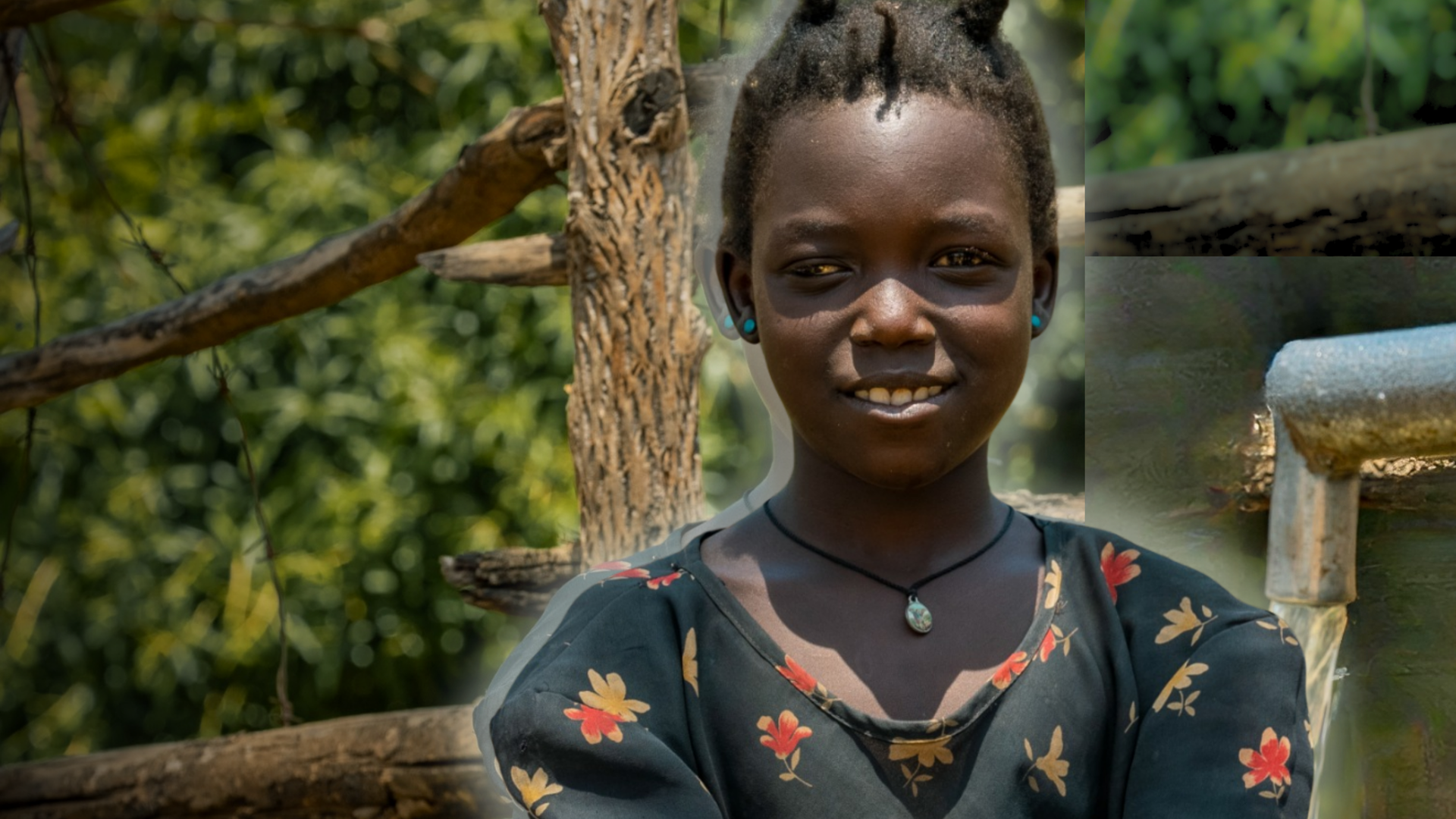
A poster for amigos mission in motion shows a girl holding a cup

Water is essential for life, yet millions in developing countries lack access to clean and safe drinking water. This blog explores the significance of water projects in transforming lives, the challenges faced in implementing these projects, and the profound impact that access to water has on communities.


The Importance of Clean Water Access

Clean water is fundamental for health, sanitation, and economic stability. This section will discuss the direct benefits of clean water access and its crucial role in reducing disease and improving quality of life.

Access to clean water significantly reduces the prevalence of waterborne diseases, which disproportionately affect vulnerable populations. When communities can rely on safe drinking water, children are less likely to suffer from illnesses such as cholera and dysentery, which can be fatal. Improved health translates into better school attendance and productivity in work, fostering a cycle of positive growth.

Moreover, water projects empower women and girls, who often bear the burden of water collection. By alleviating this responsibility with localized water sources, women can engage in education and employment opportunities, thus breaking the cycle of poverty and promoting gender equality. The transformation is not solely physical; it systematically uplifts entire communities.

In essence, investing in clean water access is investing in human potential. When basic human needs are met, it provides a foundation for dignity, resilience, and the pursuit of a better future. Communities thrive, economies grow, and the social fabric becomes more robust—all of which hinge on the most fundamental element of life: water.

Challenges in Water Project Implementation

Despite the critical need, numerous challenges can hinder water project implementation in developing countries. This section will address the logistical, financial, and social barriers that organizations face.

One significant challenge is the lack of infrastructure. In many rural areas, the absence of roads or transportation facilities can impede the delivery of necessary materials and technology. Organizations often find themselves navigating complicated terrains, which can delay projects and inflate costs beyond initial budgets.

Financial constraints also pose a significant hurdle. Many developing nations face economic difficulties that limit governmental and donor funding for essential water projects. Without adequate financial resources, projects may stall or be implemented poorly, ultimately leading to failure and disillusionment among the communities they aim to serve.

Additionally, social barriers, including cultural norms and community mistrust, further complicate the landscape. While outsiders may have the best intentions, engaging with communities in a meaningful way requires patience, understanding, and a respect for local traditions. Failing to involve the community in decision-making processes can lead to resistance, resulting in underutilized and neglected water resources.
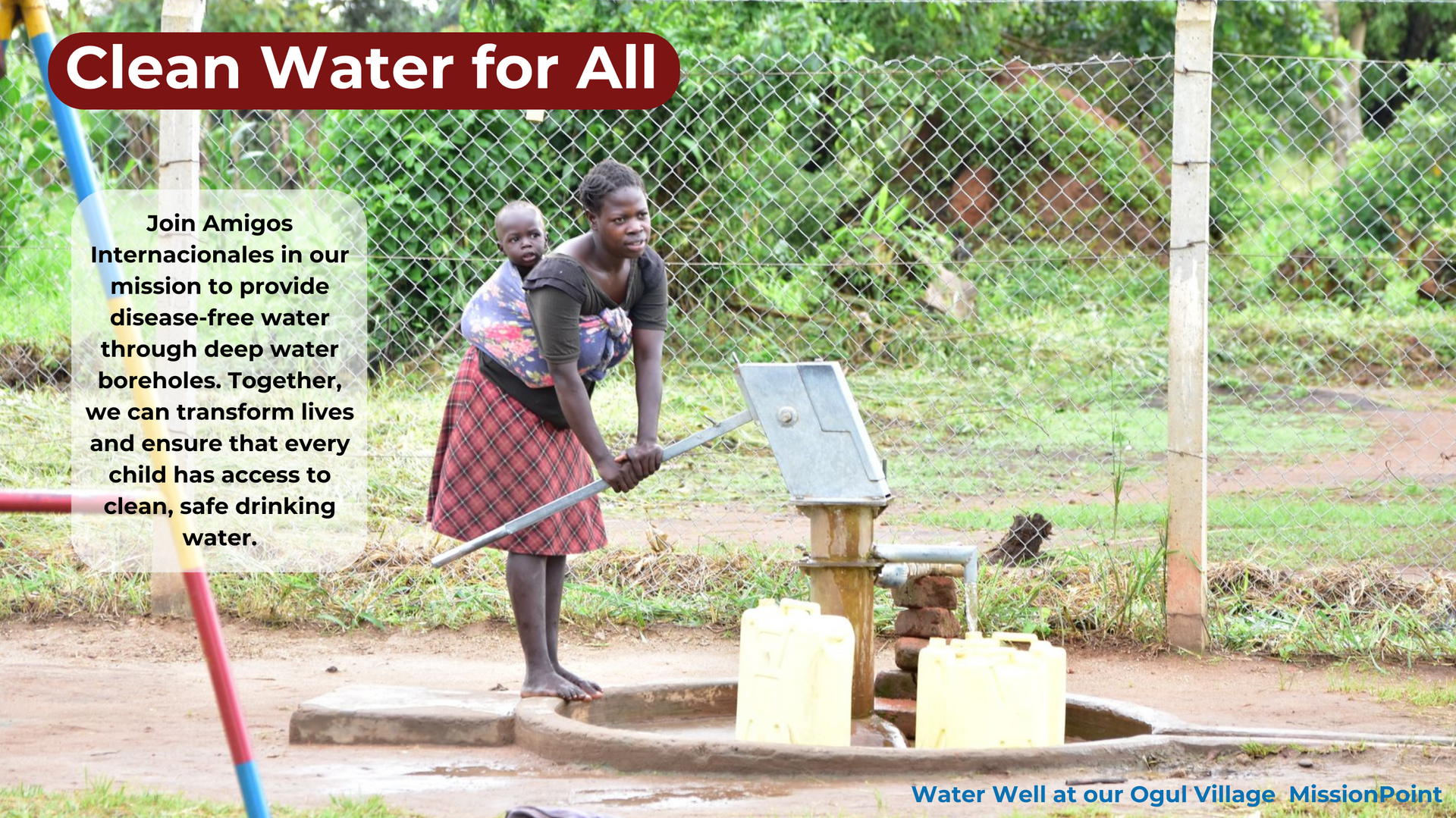
A woman is standing next to a water pump with a sign that says clean water for all.

Innovative Solutions for Sustainable Water Access

Innovative technologies and approaches can enhance the effectiveness of water projects. This section will highlight successful case studies that demonstrate sustainable solutions for water access.

One groundbreaking innovation is the use of rainwater harvesting systems, which capture and store rainwater for future use. In regions prone to drought, these systems provide a critical supplement to water supplies, ensuring communities have access even during dry spells. In addition, these solutions are often low-cost and can be maintained by local residents, thereby promoting sustainability.

Another promising approach involves using solar energy to power water purification systems. In areas where access to electricity is limited, solar-powered solutions offer a renewable and cost-effective means to ensure clean drinking water. This technology not only addresses immediate needs but also empowers communities by reducing dependency on external power sources.

Case studies from across the globe illustrate the transformative power of these innovations. For instance, in parts of sub-Saharan Africa, organizations implementing solar-powered wells report not only increased water access but also improvements in local economies as farmers can irrigate their crops consistently. Such advancements showcase how merging technology with community needs can create sustainable, long-term benefits.
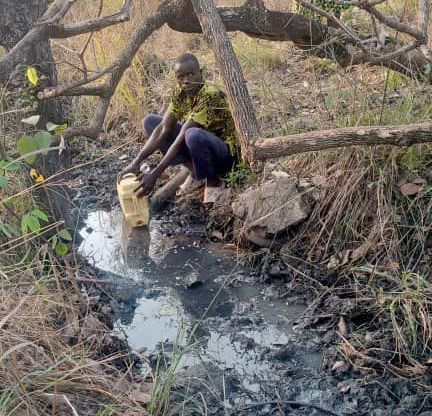
A man is kneeling down in the dirt holding a bottle of water.

Community Engagement and Empowerment

Involving local communities in water projects is essential for their success. This section will explore methods for engaging communities, ensuring they have a stake in the development and maintenance of water sources.

Community engagement begins with understanding local needs and perspectives. Conducting surveys and community meetings allows project coordinators to gather essential information and build trust. This process not only informs project design but also fosters a sense of ownership among community members, resulting in higher levels of participation and commitment to the project's success.

Moreover, capacity-building initiatives are vital. Training local individuals on water management practices equips them with the skills necessary to maintain water infrastructure and respond to challenges. This empowerment goes beyond technical skills; it instills confidence and agency, allowing individuals to advocate for their community's needs in broader developmental conversations.

When communities are actively engaged, the likelihood of project sustainability increases dramatically. A sense of belonging and responsibility towards their water sources translates into better maintenance and fewer resources wasted. Ultimately, this commitment strengthens social cohesion as communities work together for a shared cause.


Measuring Impact: Health, Education, and Economic Growth

Water projects have a ripple effect across various sectors. This section will analyze how access to clean water contributes to improved health outcomes, educational opportunities, and economic growth.

The relationship between clean water access and health is undeniable. Communities benefiting from water projects typically see decreased rates of preventable diseases, leading to healthier populations. This improvement contributes to reduced healthcare costs, allowing families to allocate resources towards education and economic activities instead of medical expenses.

Education, especially for girls, dramatically improves when water sources are easily accessible. With less time spent retrieving water, children, particularly girls, can focus on schoolwork, participate in extracurricular activities, and engage in their communities. This shift results in higher graduation rates and, ultimately, a more educated workforce that can drive economic growth.


Economic growth also receives a boost from improved water access. Farmers can produce more significant yields with reliable irrigation, leading to increased food security and higher income levels. Small businesses benefit as well; better health among workers and increased productivity translate into a stronger economy at the community level, creating a cycle of prosperity.


The Future of Water Projects and Community Development

Water projects are not merely about providing a resource; they represent a pathway to building healthier, more resilient communities. By empowering individuals with access to clean water, we invest in the future of these communities, fostering growth, education, and economic development. The collective efforts to implement sustainable water solutions can truly transform lives in developing countries.


Give the Gift of Water today!
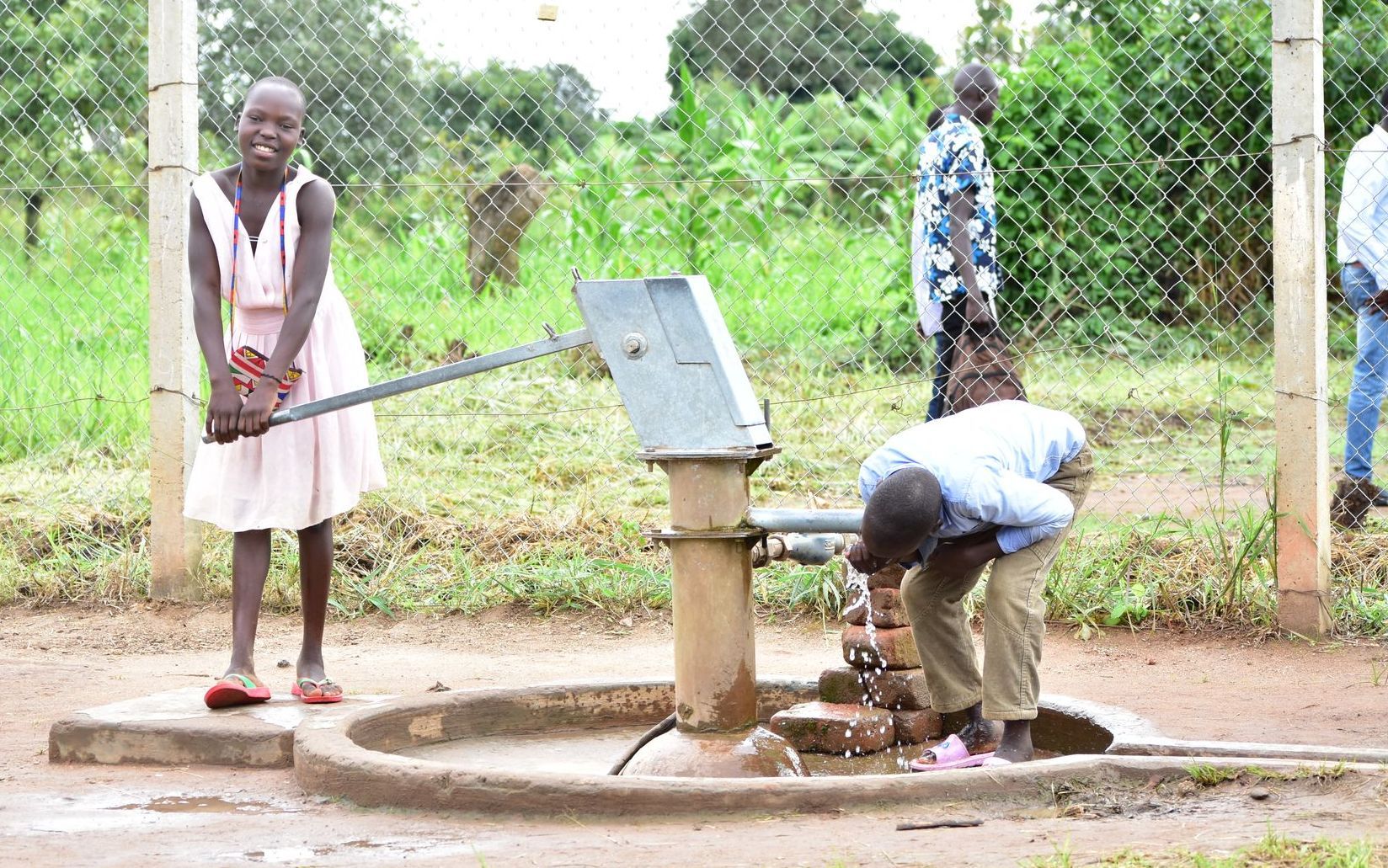
A group of people are standing around a water pump.

New Paragraph

By Michael Ryer June 9, 2026
A Pentecost outreach by Pastor Abogasti became the founding of Mwakalundi Baptist Church — 80 baptized believers, first worship under a tree, in Tanzania.
By Victor Phiri June 1, 2026
By Warren Olgado May 25, 2026
In a small rural village in Tanzania, a man sits quietly outside his home. His body is thin. His shoulders are tired. And rising from his back is a painful tumor that has slowly stolen nearly everything from him. His name is Zakaria. For years, Zakaria worked as a boda boda driver, carrying passengers from village to village on his motorcycle. In East Africa, a boda boda is more than transportation. For many families, it is survival. Every ride meant food. Every mile meant provision. Every long day on rough roads meant another opportunity to care for his wife and continue moving forward. But suffering often enters quietly. What began as a hitching pain in Zakaria’s back slowly became swelling. At first, it was manageable. Like many men trying to provide for their families, he pushed through the discomfort and kept working. But the pain continued. The swelling grew. And over time, the tumor became impossible to ignore. Today, Zakaria lives with constant pain and uncertainty. The disease has robbed him of strength, dignity, income, and peace. The motorcycle he once depended on has already been sold in a desperate attempt to find healing. And yet, in the middle of suffering, something unexpected happened. Hope arrived.
By Michael Ryer May 20, 2026
In many parts of the world, turning on a faucet is so ordinary that it barely deserves a second thought. A glass fills. A child drinks. A mother does the dishes. A shower runs before work or school. Clean water is simply there. In Northern Uganda, that reality still feels distant for thousands of families. In many villages scattered across rural East Africa, water is not found in a kitchen sink or flowing from pipes beneath the ground. It is carried in yellow jerrycans across dusty roads and narrow footpaths. It is gathered from muddy ponds, shallow holes carved into the earth, or stagnant pools shared with livestock. Sometimes it is brown. Sometimes it smells foul. Sometimes it makes children sick. For families with no other option, it is all they have. The water crisis in East Africa is not only about thirst. It affects health, education, safety, opportunity, and dignity. It shapes how children spend their mornings and how mothers spend their days. It determines whether girls attend school consistently or remain trapped in long daily walks carrying heavy containers of water under the scorching sun. At Amigos Internacionales, this reality is not theoretical. Staff and partners have sat beside families in remote villages. They have watched children scoop water from contaminated pits after rainfall. They have seen entire communities transformed when clean water finally arrived. That transformation is why water remains one of the most urgent and powerful parts of the MissionPoint model across Northern Uganda.
By Michael Ryer May 13, 2026
For seventeen years, Bridgette has carried a burden no child should ever bear. What started as a small red spot on her face when she was just a baby grew into a massive vascular tumor that doctors across Uganda refused to operate on. Too risky, they said. The tumor could bleed too much. She might not survive. Come back when she's older. Come back when it's smaller. Come back, come back, come back. Bridgette and her mother, Rose, heard "no" for seventeen years. But today, something has finally changed. Bridgette is now on medication that is actively shrinking her tumor. Dr. Paul Mulyamboga, Amigos Internacionales' Director of Medical Services and founder of Doctors on Mission, is monitoring her progress. When the tumor reaches an operable size, he will refer her to Mulago National Referral Hospital in Kampala for the vascular surgery that could change her life. There's just one problem: surgery can only happen if the funding is already in place . If we don't raise $12,000 before Bridgette's tumor is ready for surgery, she will have to wait again. And after seventeen years of waiting, we cannot let that happen. How It Started — A Small Red Spot
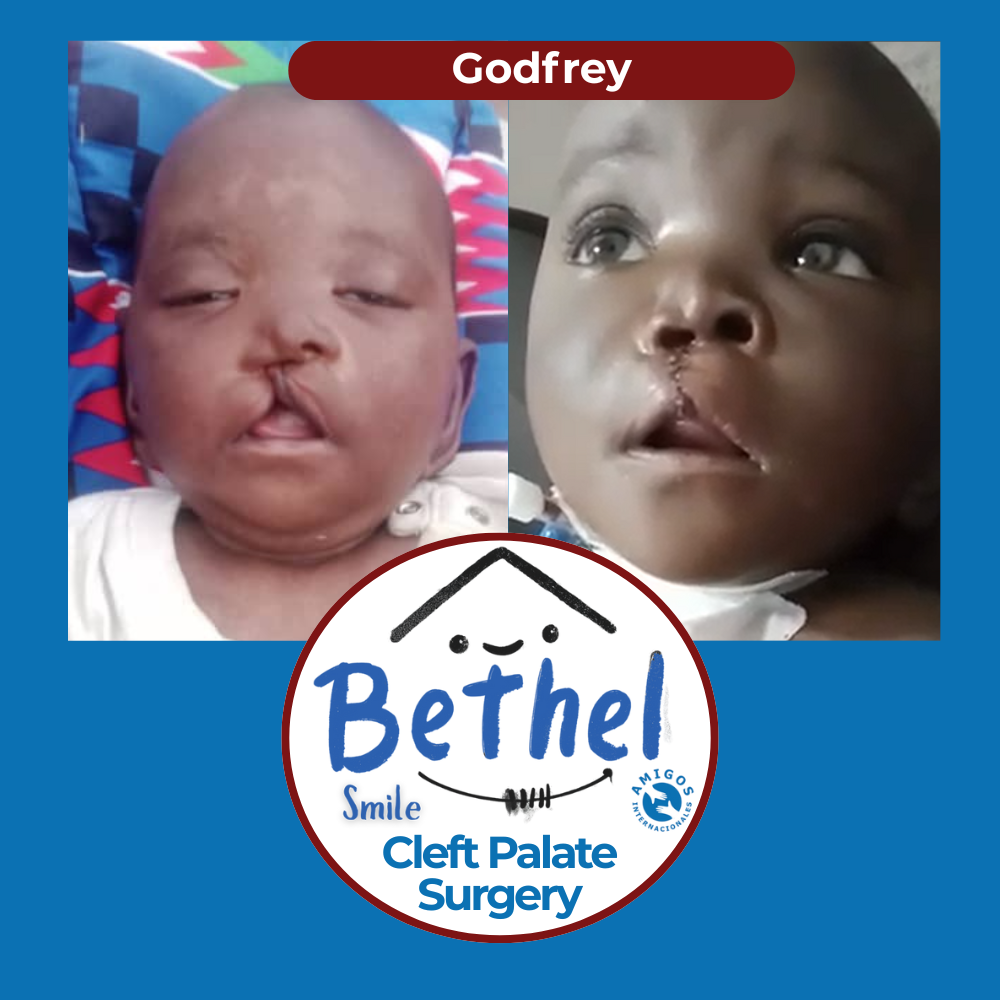
Rwottwero Godfrey before and after cleft lip surgery — Bethel Smile program, Amigos Internacionales
By Amigos Internacionales April 30, 2026
Baby Godfrey couldn't eat without pain. His family couldn't afford surgery. The Bethel Smile program gave him free cleft lip surgery at 4 months old.
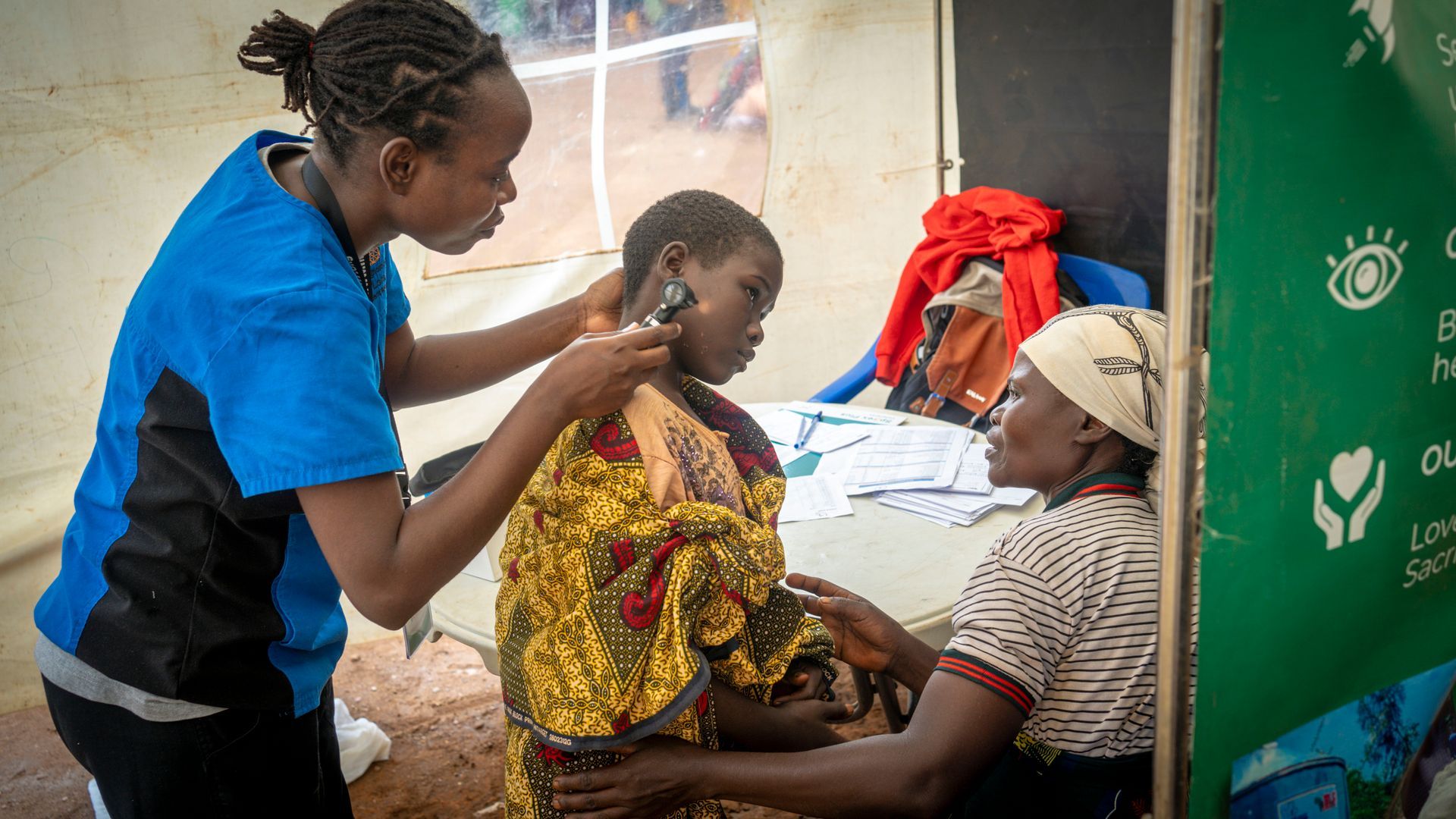
MissionPoint Burundi free medical camp in Gisuru, doctors treating patients
By Amigos Internacionales April 28, 2026
Inside the Gisuru medical camp in Burundi — surgeries, eye care, and spiritual ministry delivered by volunteer doctors. See the full impact report from 2025.
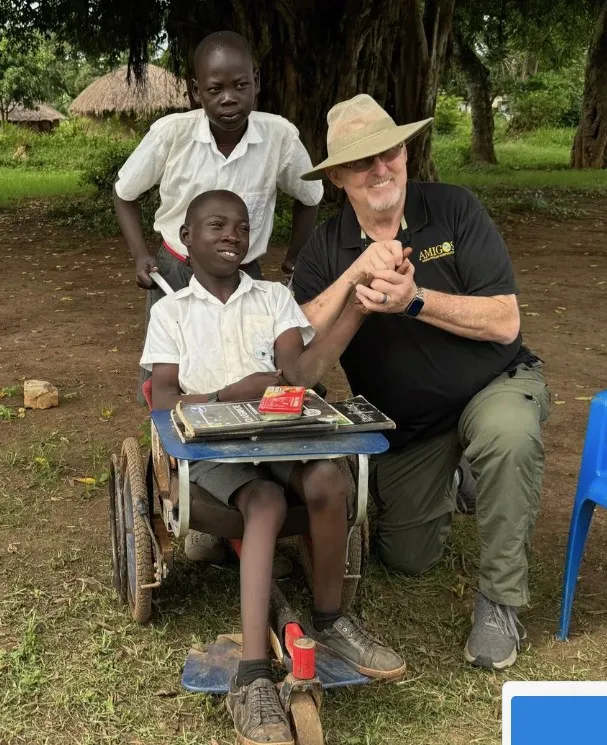
Two people beside a wheelchair outside, with a child seated at a small desk in a grassy outdoor area.
By Amigos Internacionales April 27, 2026
East Texas journalist Jennifer Scott traveled to East Africa to cover Amigos Internacionales. Read the full Tyler Morning Telegraph feature from April 2026.
By Amigos Internacionales April 13, 2026
Learn how church missions in Africa, through partnerships with Amigos Internacionales, can bring lasting change to communities in need. Get involved in education, healthcare, and development projects.
By Amigos Internacionales April 9, 2026
Discover the resilience of refugees in Northern Uganda and how Amigos Internacionales is providing medical care, education, and empowerment to help rebuild lives.
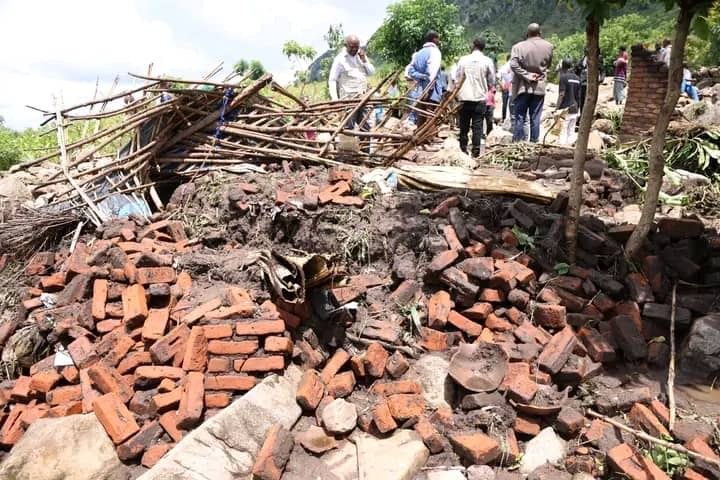
People stand near the ruins of a collapsed brick building in a grassy, mountainous area.
By Victor Phiri April 4, 2026
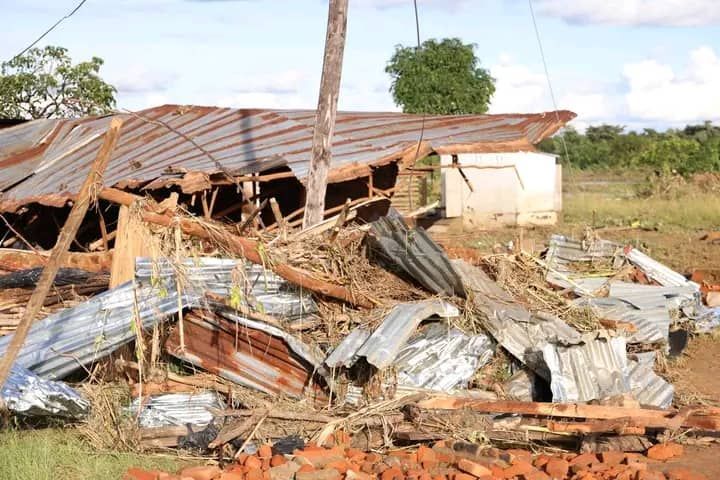
Deadly floods and landslides have displaced families in Malawi’s Mulanje and Phalombe districts, leaving them without shelter or food. Learn how emergency tents and food relief can bring hope—and how you can help today.
A collapsed building with twisted metal roofing, wooden debris, and scattered bricks in a rural, open-field setting.
By Victor Phiri April 1, 2026
Missionpoint Malawi aids flood victims in Mulanje & Phalombe. Help us provide food & support to families in need. Join our efforts today!
More Posts

Social Media

By Michael Ryer June 9, 2026
A Pentecost outreach by Pastor Abogasti became the founding of Mwakalundi Baptist Church — 80 baptized believers, first worship under a tree, in Tanzania.
By Victor Phiri June 1, 2026
By Warren Olgado May 25, 2026
In a small rural village in Tanzania, a man sits quietly outside his home. His body is thin. His shoulders are tired. And rising from his back is a painful tumor that has slowly stolen nearly everything from him. His name is Zakaria. For years, Zakaria worked as a boda boda driver, carrying passengers from village to village on his motorcycle. In East Africa, a boda boda is more than transportation. For many families, it is survival. Every ride meant food. Every mile meant provision. Every long day on rough roads meant another opportunity to care for his wife and continue moving forward. But suffering often enters quietly. What began as a hitching pain in Zakaria’s back slowly became swelling. At first, it was manageable. Like many men trying to provide for their families, he pushed through the discomfort and kept working. But the pain continued. The swelling grew. And over time, the tumor became impossible to ignore. Today, Zakaria lives with constant pain and uncertainty. The disease has robbed him of strength, dignity, income, and peace. The motorcycle he once depended on has already been sold in a desperate attempt to find healing. And yet, in the middle of suffering, something unexpected happened. Hope arrived.
By Michael Ryer May 20, 2026
In many parts of the world, turning on a faucet is so ordinary that it barely deserves a second thought. A glass fills. A child drinks. A mother does the dishes. A shower runs before work or school. Clean water is simply there. In Northern Uganda, that reality still feels distant for thousands of families. In many villages scattered across rural East Africa, water is not found in a kitchen sink or flowing from pipes beneath the ground. It is carried in yellow jerrycans across dusty roads and narrow footpaths. It is gathered from muddy ponds, shallow holes carved into the earth, or stagnant pools shared with livestock. Sometimes it is brown. Sometimes it smells foul. Sometimes it makes children sick. For families with no other option, it is all they have. The water crisis in East Africa is not only about thirst. It affects health, education, safety, opportunity, and dignity. It shapes how children spend their mornings and how mothers spend their days. It determines whether girls attend school consistently or remain trapped in long daily walks carrying heavy containers of water under the scorching sun. At Amigos Internacionales, this reality is not theoretical. Staff and partners have sat beside families in remote villages. They have watched children scoop water from contaminated pits after rainfall. They have seen entire communities transformed when clean water finally arrived. That transformation is why water remains one of the most urgent and powerful parts of the MissionPoint model across Northern Uganda.
By Michael Ryer May 13, 2026
For seventeen years, Bridgette has carried a burden no child should ever bear. What started as a small red spot on her face when she was just a baby grew into a massive vascular tumor that doctors across Uganda refused to operate on. Too risky, they said. The tumor could bleed too much. She might not survive. Come back when she's older. Come back when it's smaller. Come back, come back, come back. Bridgette and her mother, Rose, heard "no" for seventeen years. But today, something has finally changed. Bridgette is now on medication that is actively shrinking her tumor. Dr. Paul Mulyamboga, Amigos Internacionales' Director of Medical Services and founder of Doctors on Mission, is monitoring her progress. When the tumor reaches an operable size, he will refer her to Mulago National Referral Hospital in Kampala for the vascular surgery that could change her life. There's just one problem: surgery can only happen if the funding is already in place . If we don't raise $12,000 before Bridgette's tumor is ready for surgery, she will have to wait again. And after seventeen years of waiting, we cannot let that happen. How It Started — A Small Red Spot
Rwottwero Godfrey before and after cleft lip surgery — Bethel Smile program, Amigos Internacionales
By Amigos Internacionales April 30, 2026
Baby Godfrey couldn't eat without pain. His family couldn't afford surgery. The Bethel Smile program gave him free cleft lip surgery at 4 months old.
MissionPoint Burundi free medical camp in Gisuru, doctors treating patients
By Amigos Internacionales April 28, 2026
Inside the Gisuru medical camp in Burundi — surgeries, eye care, and spiritual ministry delivered by volunteer doctors. See the full impact report from 2025.
Two people beside a wheelchair outside, with a child seated at a small desk in a grassy outdoor area.
By Amigos Internacionales April 27, 2026
East Texas journalist Jennifer Scott traveled to East Africa to cover Amigos Internacionales. Read the full Tyler Morning Telegraph feature from April 2026.
By Amigos Internacionales April 13, 2026
Learn how church missions in Africa, through partnerships with Amigos Internacionales, can bring lasting change to communities in need. Get involved in education, healthcare, and development projects.
By Amigos Internacionales April 9, 2026
Discover the resilience of refugees in Northern Uganda and how Amigos Internacionales is providing medical care, education, and empowerment to help rebuild lives.
People stand near the ruins of a collapsed brick building in a grassy, mountainous area.
By Victor Phiri April 4, 2026
Deadly floods and landslides have displaced families in Malawi’s Mulanje and Phalombe districts, leaving them without shelter or food. Learn how emergency tents and food relief can bring hope—and how you can help today.
A collapsed building with twisted metal roofing, wooden debris, and scattered bricks in a rural, open-field setting.
By Victor Phiri April 1, 2026
Missionpoint Malawi aids flood victims in Mulanje & Phalombe. Help us provide food & support to families in need. Join our efforts today!
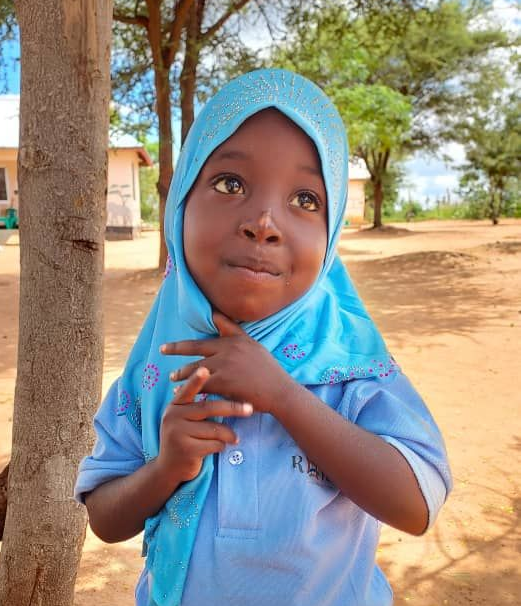
A child wearing a light blue hijab and shirt, smiling while touching their chin, standing outdoors in a sandy area.
By Amigos Internacionales March 28, 2026
Perpetua’s story in Tanzania reveals the daily reality of living with sickle cell and how compassionate medical care and faith bring hope to vulnerable children.
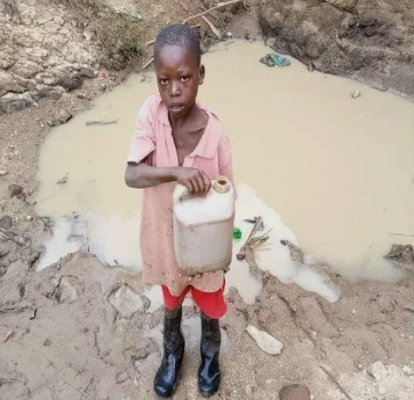
A person in a light shirt and dark boots holds a water container in front of a muddy, contaminated water source.
By Amigos Internacionales March 27, 2026
Learn about the water crisis in rural Uganda and how Amigos Internacionales is providing sustainable, clean water solutions to transform lives and communities.
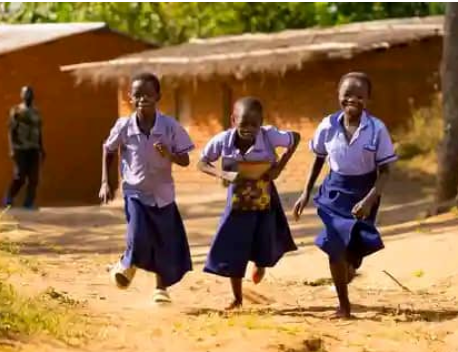
Three students in uniforms running along a dirt path in front of rural buildings.
By Amigos Internacionales March 26, 2026
Learn how child sponsorship in Africa transforms lives in Uganda through education, healthcare, and long-term community impact.
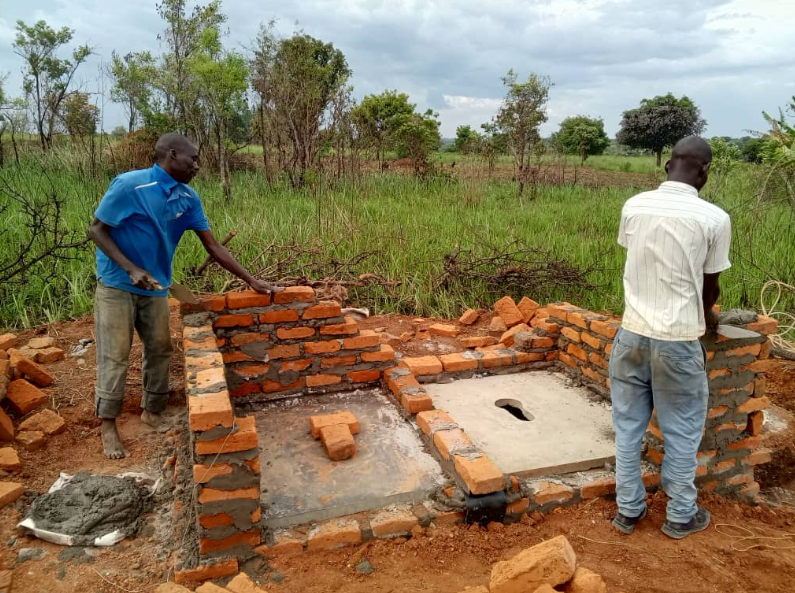
Two people laying bricks to construct an outdoor latrine in a grassy, rural area.
By Amigos Internacionales March 25, 2026
Support community efforts in Loyobo, Uganda, for a medical camp. Join us in fostering care, unity, & youth engagement.
By Amigos Internacionales March 24, 2026
Discover why children in rural Africa lack access to life-saving surgery and how Amigos Internacionales is providing hope through medical missions.
Three children walk along a red dirt path beside lush greenery, one carrying a yellow plastic container.
By Amigos Internacionales March 19, 2026
Learn the severe effects of not drilling water wells in East Africa. Act now to improve health, education, & economic stability.
A person crouches near a muddy, polluted water source in a wooded area, filling a yellow plastic container.
By Amigos Internacionales March 19, 2026
Understand the costs of clean water in rural Africa. Join us in making a difference for communities in need.
A large group of people gathers on a dirt clearing in front of a long, thatched-roof building under a bright blue sky.
By Amigos Internacionales March 16, 2026
Clean water transforms lives in Northern Uganda. Join us in supporting health, education, & economic growth. Get involved today!
Show More