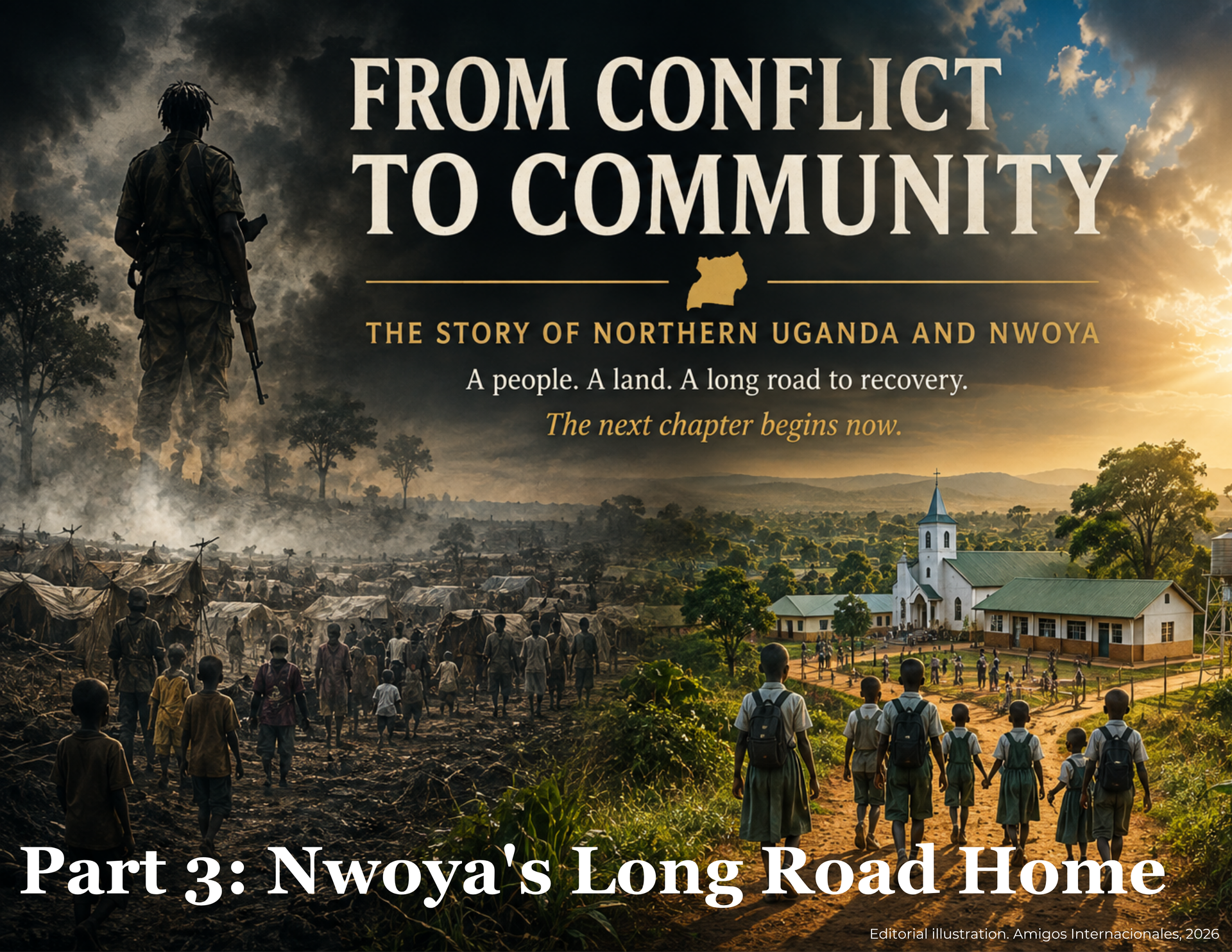
Part 3: Nwoya's Long Road Home — From Displacement Camps to Community Recovery
Michael Ryer • August 10, 2026
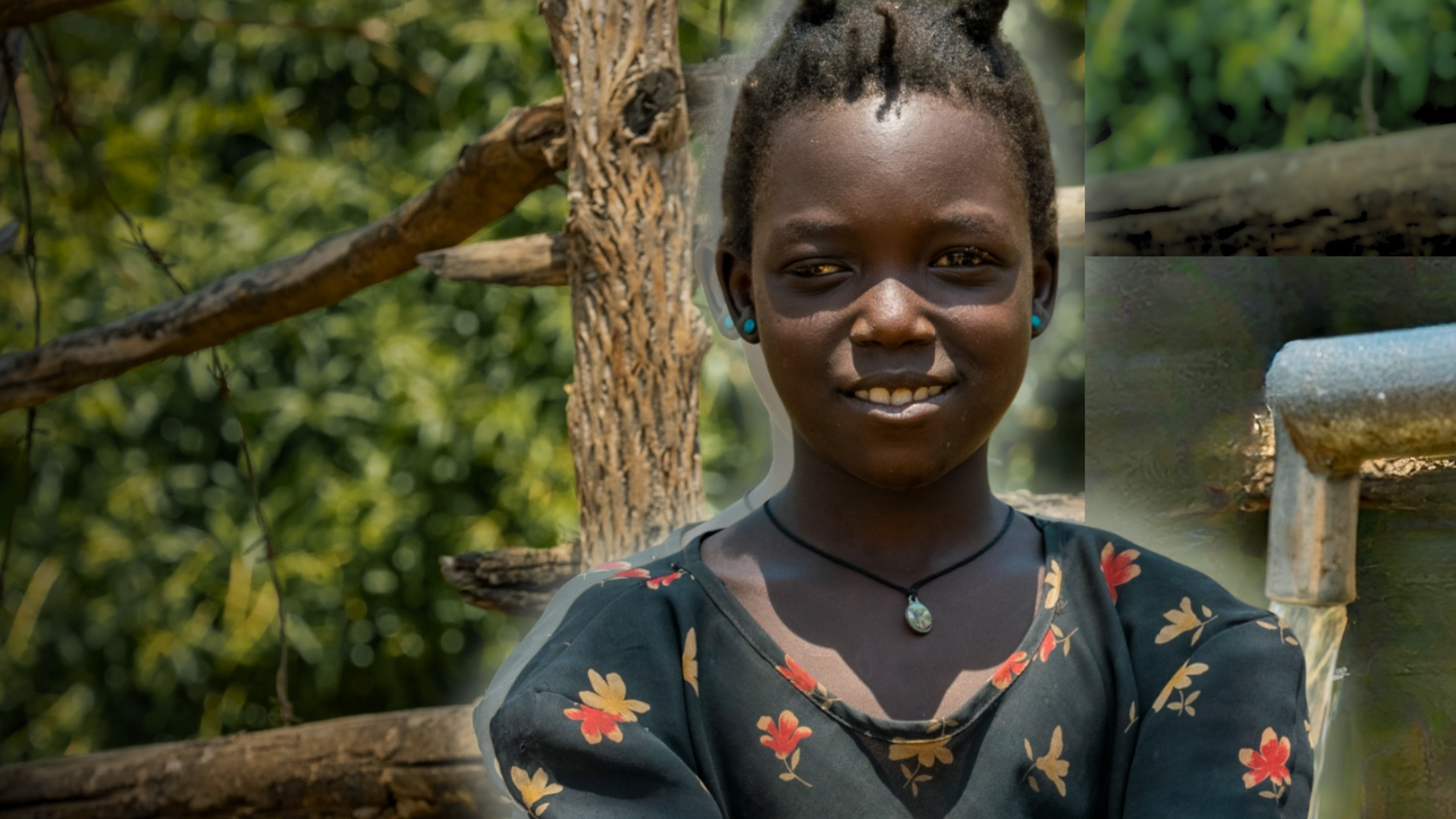
A poster for amigos mission in motion shows a girl holding a cup

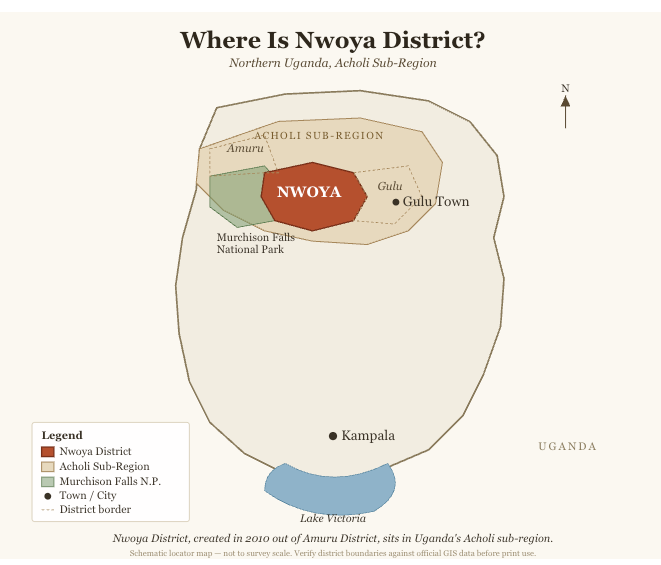
Nwoya District is young enough that some of the people governing it remember a time when it wasn't a district at all. It became one on July 1, 2010, carved out of neighboring Amuru District by an act of Uganda's Parliament — not because a border needed redrawing for its own sake, but because a population that had spent years scattered across displacement camps was, by then, coming home in numbers large enough to need its own local government.

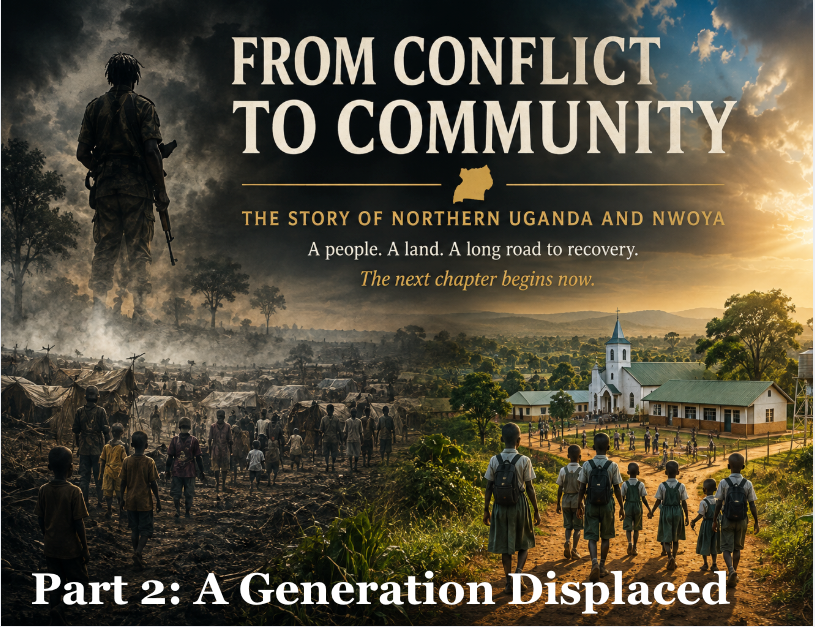
Part 1 told the history of the war that emptied this land. Part 2 told what that emptying did to the children who lived through it. This part asks the more practical question: what did it actually take to come back?

A place, before it was a district

Nwoya sits in Uganda's Acholi sub-region, on the Gulu–Arua road roughly 44 kilometers southwest of Gulu town, and about 330 kilometers by road from Kampala. Its western edge borders Murchison Falls National Park — Uganda's largest protected area, and, as it turns out, not just a neighbor but an active participant in Nwoya's post-war story, in ways that had nothing to do with tourism.

The district's population has grown considerably since its formation: from roughly 41,000 people at the 2002 national census, to about 54,000 by 2012, to 220,593 recorded in Uganda's 2024 National Housing and Population Census. That's not simply natural population growth. It reflects families returning — some to land they'd left years earlier, some to a district that, administratively, didn't yet exist when they were forced off it.
"Peace on a map is not the same as peace in a household, a field, or a family's sense of where they belong."
Coming home to occupied ground

Return, when it happened, wasn't simply a matter of walking back. Camps across the Acholi sub-region began closing in the years following the 2006–2008 Juba peace talks, and Uganda's government, with UN support, launched the Peace, Recovery and Development Plan to help fund resettlement — sources differ on whether this effectively began in 2007 or in a later, more fully resourced 2009 multi-donor phase, and this article reports that discrepancy rather than picking a date to sound more precise than the record supports.

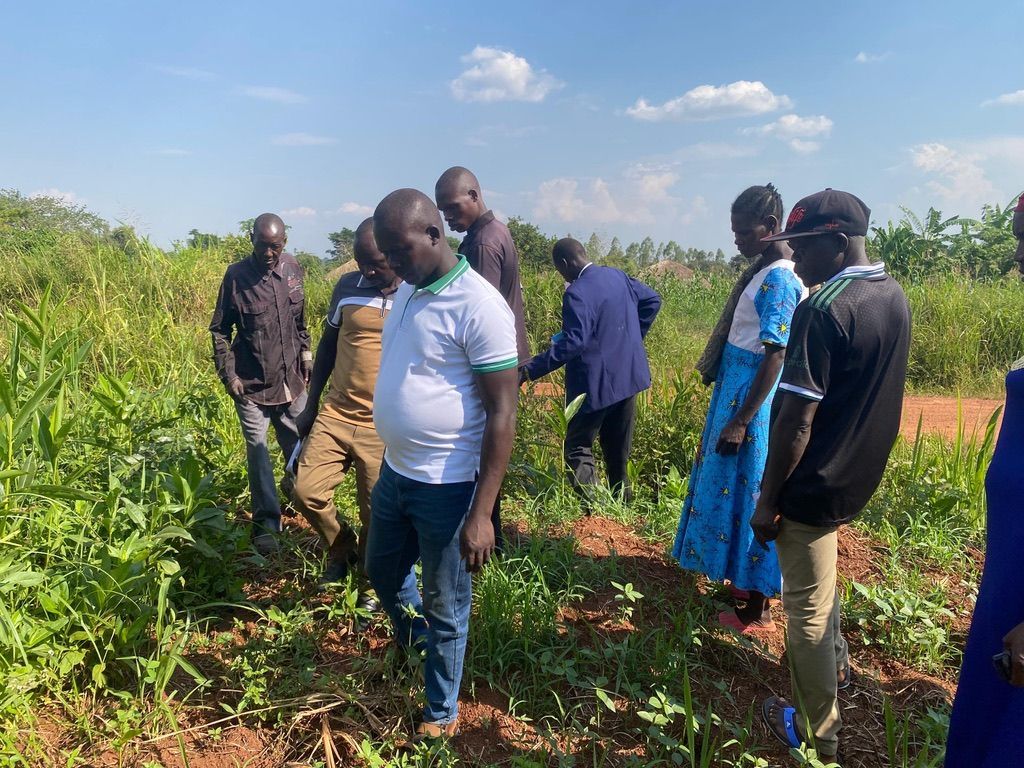
What families found when they returned wasn't always their own land, waiting empty. Years of displacement meant some plots had been resettled by other returnees who arrived earlier, or claimed by people who had never left. Disputes over boundaries — some rooted in genuine confusion after a decade or more of absence, some in more deliberate opportunism — became a defining feature of the early return years, and in some cases, remain unresolved today.

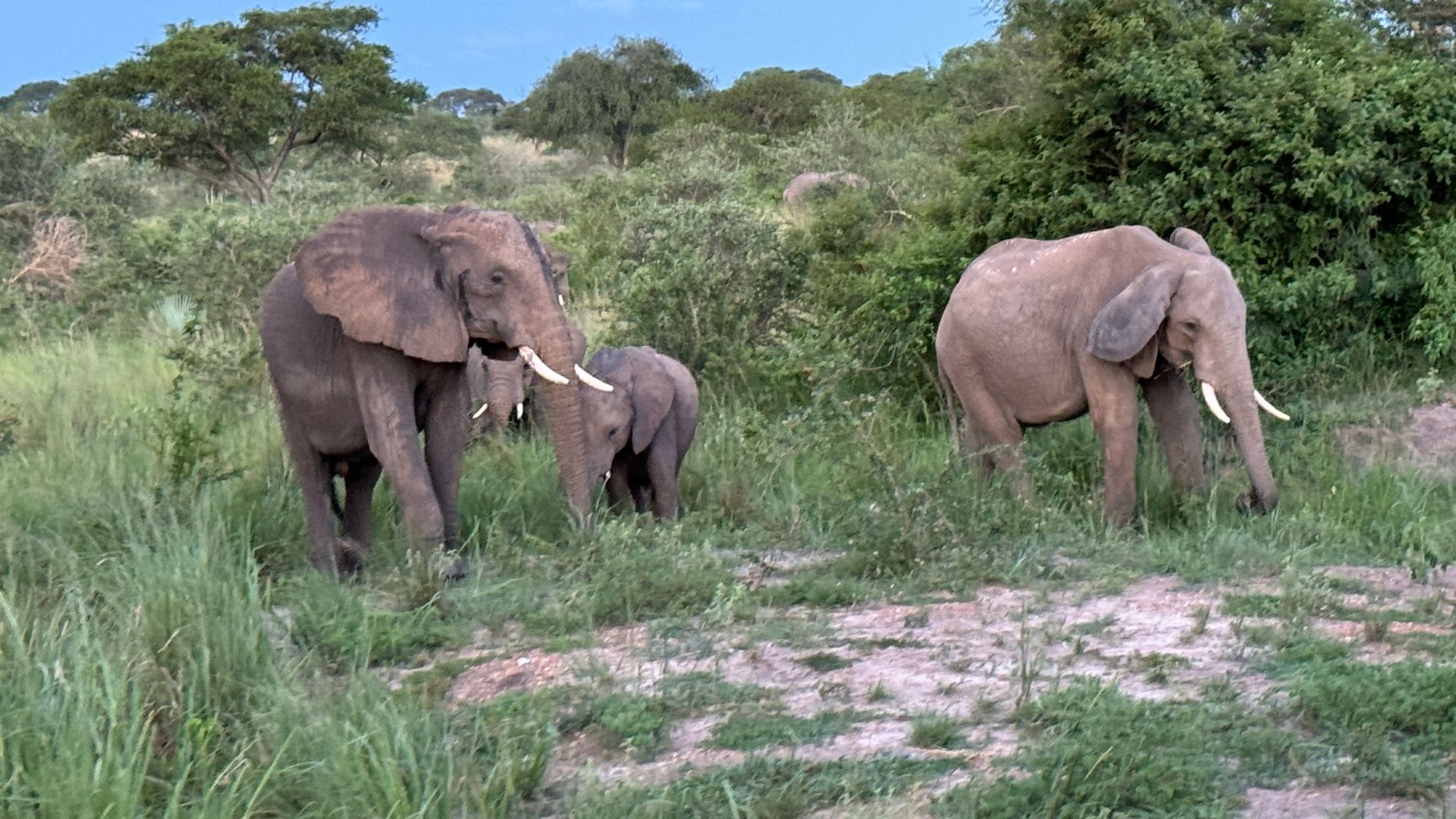
And then there was the wildlife. Families returning to farmland along Nwoya's western edge, near Murchison Falls National Park, found something waiting in fields left fallow for a generation: elephants, which had, in the years of human absence, come to treat abandoned farmland as their own range. Residents in villages near the park have described chasing elephants out of gardens with nothing more than an empty jerry can banged like a drum, watching a season's millet or rice disappear to animals nobody living had any practiced way of deterring. It's a strange, specific kind of hardship — not the war itself, but one of its stranger inheritances, showing up years after the fighting ended, in a form nobody had planned for.
What recovery actually built

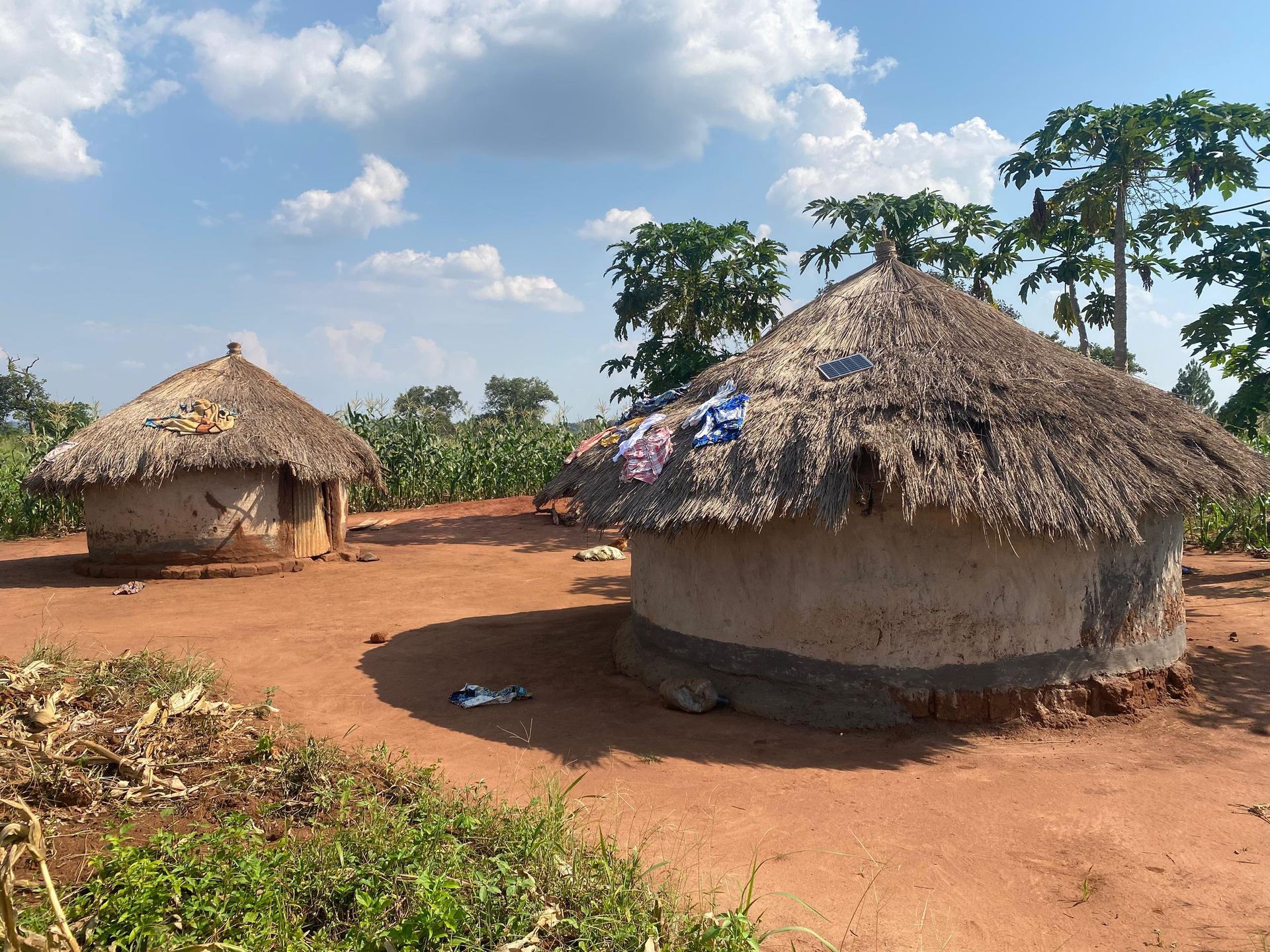
Recovery in Nwoya wasn't only about who owned which plot of land. It required physical infrastructure that the war years had either destroyed or never allowed to exist in the first place. Between 2009 and 2015, Japan's international development agency (JICA) funded projects across Gulu, Amuru, Nwoya, Agago, and Lamwo districts to rebuild classrooms, teacher housing, latrines, water access, health facilities, and rural roads for returning families — the kind of unglamorous, load-bearing work that rarely makes headlines but determines whether a returning family can actually stay.

The results of that work, and of nearly two decades of continued effort since, are real but incomplete — a pattern this series has tried to describe honestly rather than resolve into either triumph or failure.

Part 2 of this series already documented the sharpest evidence of that incompleteness: secondary school net enrollment across the Acholi sub-region, which includes Nwoya, sits at just 7 percent, against 52 percent in Kampala — the widest such gap of any region in Uganda. That statistic isn't a verdict on Nwoya's effort. It's a measure of how much ground two decades of displacement created, and how long ground like that takes to close.

A Land of Clans

Acholi communities, including those in what is now Nwoya District, have historically organized land ownership and dispute resolution through customary tenure — communal land held and allocated through clan structures and elder authority, rather than individual title in the way land is held in much of urban Uganda. This system predates the war by generations and shaped how displacement disputes played out during the return years: many land conflicts weren't fought in courts, but negotiated, with varying success, through the same clan and elder structures that had governed land in Acholi communities long before the LRA existed. A fuller academic treatment of this system is beyond the scope of this article, but it's essential context for understanding why "who owns this land" was rarely a simple legal question in postwar Nwoya.

Not a district waiting to be rescued

It would be easy, and inaccurate, to describe Nwoya today as a place defined purely by what the war took from it. That's not what the record shows. Long before Amigos Internacionales or any outside organization arrived, families in Nwoya organized their own return: rebuilding homes on contested land, negotiating boundaries with neighbors and, in some cases, with wildlife, and — as later parts of this series will describe directly — starting a school themselves, out of parent initiative, because the nearest alternative was too far for young children to reach safely. Local church leadership has played a consistent role in that same period, offering both spiritual continuity and, often, the closest thing to functioning civic infrastructure during the years when formal district government was still finding its footing.
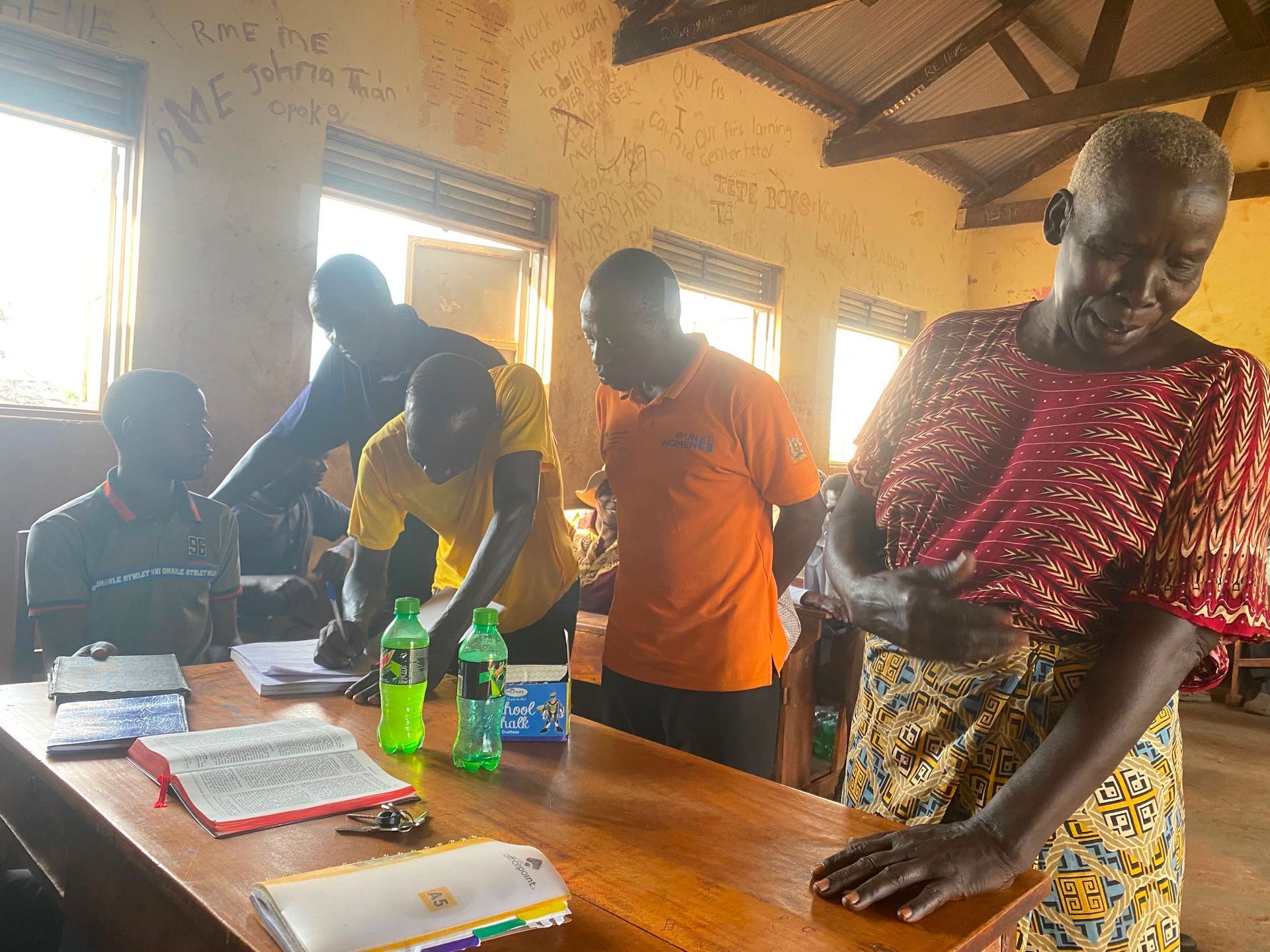
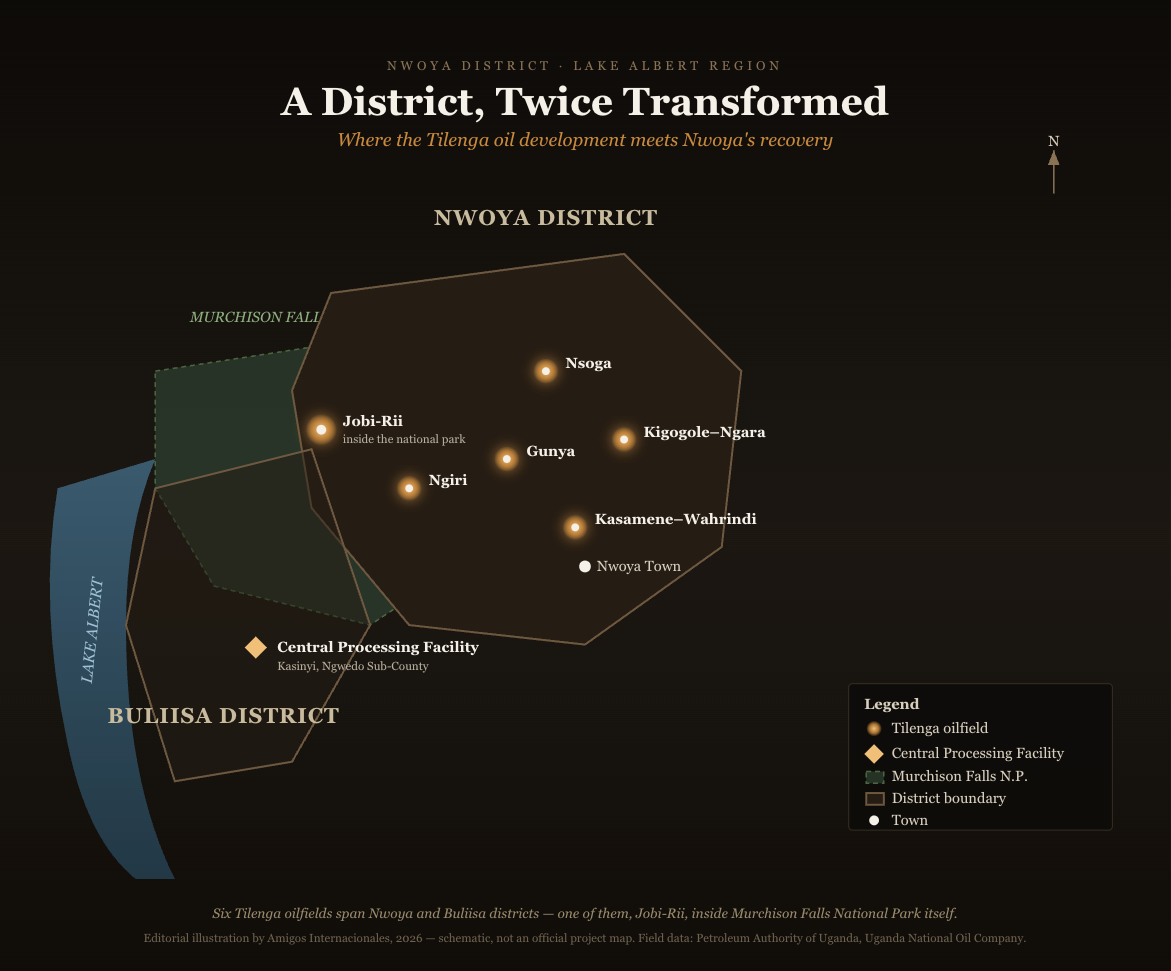
And Nwoya's economic story isn't only about subsistence recovery. Since the early 2010s, the district has become one of two in Uganda hosting the Tilenga oil development — a major upstream petroleum project operated by TotalEnergies alongside Uganda's national oil company and a Chinese state partner, spanning six oilfields across Nwoya and neighboring Buliisa District, with one field located inside Murchison Falls National Park itself. It's a complicated addition to Nwoya's story, not a simple one: TotalEnergies' own public materials acknowledge that developing Tilenga has required land acquisition processes affecting local communities, and the project has drawn legal challenges from activist groups over exactly those land practices. This article isn't the place to adjudicate that dispute — it's genuinely contested, and reasonable people, including affected Nwoya residents themselves, hold different views on it. But it belongs in any honest account of what "recovery" looks like in Nwoya today: not a quiet, finished return to a simple agricultural past, but a district navigating a second, entirely different kind of change layered on top of the first.

"This isn't a story about a district with no history, waiting to be given one. It's a story about a community that organized its own return — and is now navigating a second kind of change altogether."

What this means going into the next chapter

None of this — the land disputes, the elephants, the JICA-funded classrooms, the oil development — is background noise to the story this series is actually telling. It's the ground Amigos Internacionales was invited onto, not an empty ground it's filling.

That's where this series turns next: to a specific school, in a specific village, that a specific group of Nwoya parents refused to let disappear.

Help write Nwoya's next chapter.
This community rebuilt itself after displacement, reclaimed its land, and started its own school — without waiting for outside help. Now it's asking for a partner. Your gift helps stabilize the school, restore teacher pay, and support the wider Nwoya MissionPoint.

  • $50 — classroom and sanitation supplies
  • $250 — repairs and learning materials
  • $1,215 — one month of payroll and supervision
  • $12,500 — full working target to repair, equip, and stabilize the school

Give Now →

By Michael Ryer August 5, 2026
Ask someone who grew up in Gulu District in the early 2000s what they remember most, and you won't always hear about an attack. You'll often hear about a walk. Every evening, as the light started to go, children left their homes — or their family's space inside a displacement camp — and walked toward the nearest town center. Not to visit anyone. To sleep somewhere the Lord's Resistance Army was less likely to find them. In the morning, they walked home again, went to whatever school was still functioning, and did it all again the next evening. Aid workers and journalists came to call them "night commuters," and for a few years in the middle of the war, they were one of the most visible symptoms of what the conflict was actually doing to an entire generation.
By Michael Ryer August 4, 2026
How the Lord's Resistance Army shaped Nwoya, Uganda — and how communities are rebuilding schools and futures nearly 20 years after the war ended.
By Michael Ryer July 19, 2026
Learn how Amigos Internacionales and local health leaders are strengthening Ebola community surveillance, risk communication, and early detection across eastern Democratic Republic of Congo.
Ebola response reports
By Paul Mulyamboga July 16, 2026
Read real-time field notes from Dr. Paul Mulyamboga, Director of Medical Services for Amigos Internacionales, serving on the front lines of the Ebola outbreak in eastern Democratic Republic of Congo.
Medical teams respond to the Ebola outbreak in eastern Democratic Republic of the Congo through surv
By Michael Ryer July 3, 2026
Learn how Ebola spreads, why eastern Congo faces repeated outbreaks, and how Amigos Internacionales and Doctors on Mission International are strengthening healthcare systems.
By Michael Ryer June 9, 2026
A Pentecost outreach by Pastor Abogasti became the founding of Mwakalundi Baptist Church — 80 baptized believers, first worship under a tree, in Tanzania.
By Victor Phiri June 1, 2026
By Warren Olgado May 25, 2026
In a small rural village in Tanzania, a man sits quietly outside his home. His body is thin. His shoulders are tired. And rising from his back is a painful tumor that has slowly stolen nearly everything from him. His name is Zakaria. For years, Zakaria worked as a boda boda driver, carrying passengers from village to village on his motorcycle. In East Africa, a boda boda is more than transportation. For many families, it is survival. Every ride meant food. Every mile meant provision. Every long day on rough roads meant another opportunity to care for his wife and continue moving forward. But suffering often enters quietly. What began as a hitching pain in Zakaria’s back slowly became swelling. At first, it was manageable. Like many men trying to provide for their families, he pushed through the discomfort and kept working. But the pain continued. The swelling grew. And over time, the tumor became impossible to ignore. Today, Zakaria lives with constant pain and uncertainty. The disease has robbed him of strength, dignity, income, and peace. The motorcycle he once depended on has already been sold in a desperate attempt to find healing. And yet, in the middle of suffering, something unexpected happened. Hope arrived.
By Michael Ryer May 20, 2026
In many parts of the world, turning on a faucet is so ordinary that it barely deserves a second thought. A glass fills. A child drinks. A mother does the dishes. A shower runs before work or school. Clean water is simply there. In Northern Uganda, that reality still feels distant for thousands of families. In many villages scattered across rural East Africa, water is not found in a kitchen sink or flowing from pipes beneath the ground. It is carried in yellow jerrycans across dusty roads and narrow footpaths. It is gathered from muddy ponds, shallow holes carved into the earth, or stagnant pools shared with livestock. Sometimes it is brown. Sometimes it smells foul. Sometimes it makes children sick. For families with no other option, it is all they have. The water crisis in East Africa is not only about thirst. It affects health, education, safety, opportunity, and dignity. It shapes how children spend their mornings and how mothers spend their days. It determines whether girls attend school consistently or remain trapped in long daily walks carrying heavy containers of water under the scorching sun. At Amigos Internacionales, this reality is not theoretical. Staff and partners have sat beside families in remote villages. They have watched children scoop water from contaminated pits after rainfall. They have seen entire communities transformed when clean water finally arrived. That transformation is why water remains one of the most urgent and powerful parts of the MissionPoint model across Northern Uganda.
By Michael Ryer May 13, 2026
For seventeen years, Bridgette has carried a burden no child should ever bear. What started as a small red spot on her face when she was just a baby grew into a massive vascular tumor that doctors across Uganda refused to operate on. Too risky, they said. The tumor could bleed too much. She might not survive. Come back when she's older. Come back when it's smaller. Come back, come back, come back. Bridgette and her mother, Rose, heard "no" for seventeen years. But today, something has finally changed. Bridgette is now on medication that is actively shrinking her tumor. Dr. Paul Mulyamboga, Amigos Internacionales' Director of Medical Services and founder of Doctors on Mission, is monitoring her progress. When the tumor reaches an operable size, he will refer her to Mulago National Referral Hospital in Kampala for the vascular surgery that could change her life. There's just one problem: surgery can only happen if the funding is already in place . If we don't raise $12,000 before Bridgette's tumor is ready for surgery, she will have to wait again. And after seventeen years of waiting, we cannot let that happen. How It Started — A Small Red Spot
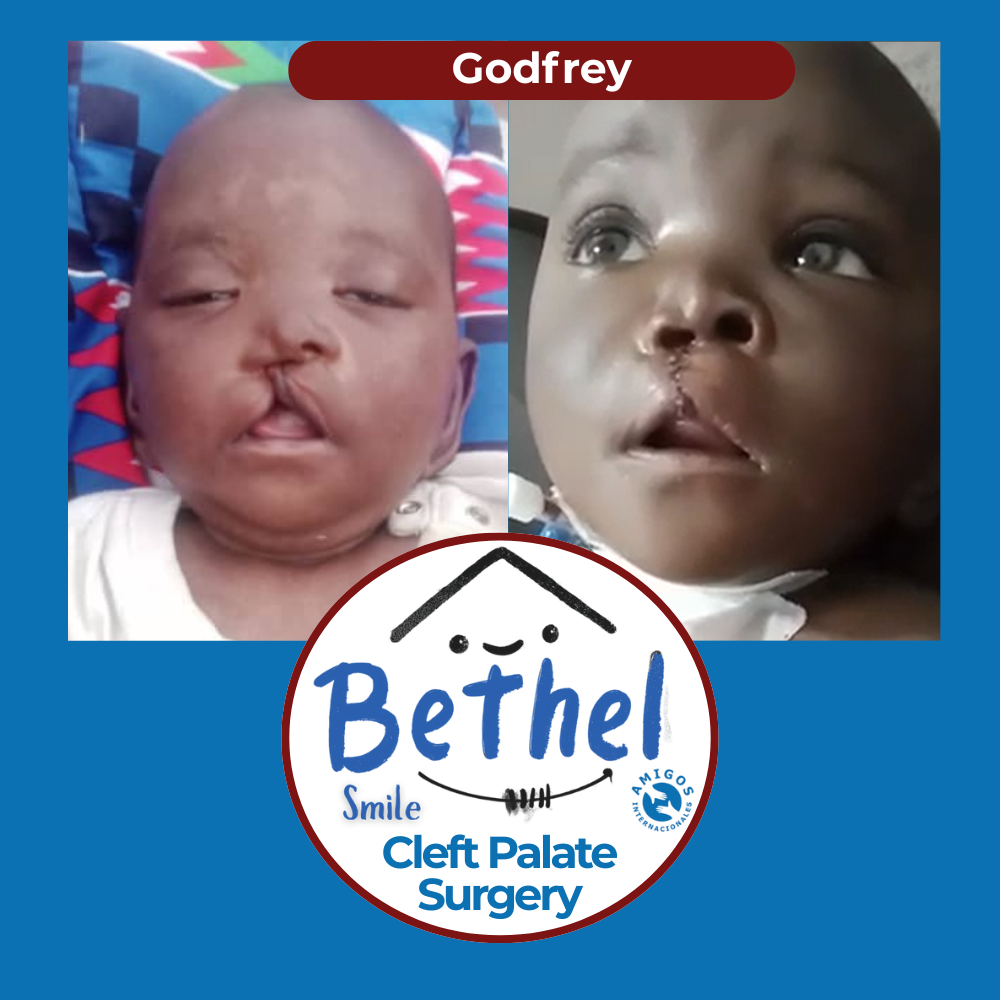
Rwottwero Godfrey before and after cleft lip surgery — Bethel Smile program, Amigos Internacionales
By Amigos Internacionales April 30, 2026
Baby Godfrey couldn't eat without pain. His family couldn't afford surgery. The Bethel Smile program gave him free cleft lip surgery at 4 months old.
MissionPoint Burundi free medical camp in Gisuru, doctors treating patients
By Amigos Internacionales April 28, 2026
Inside the Gisuru medical camp in Burundi — surgeries, eye care, and spiritual ministry delivered by volunteer doctors. See the full impact report from 2025.
More Posts

Social Media

By Michael Ryer August 5, 2026
Ask someone who grew up in Gulu District in the early 2000s what they remember most, and you won't always hear about an attack. You'll often hear about a walk. Every evening, as the light started to go, children left their homes — or their family's space inside a displacement camp — and walked toward the nearest town center. Not to visit anyone. To sleep somewhere the Lord's Resistance Army was less likely to find them. In the morning, they walked home again, went to whatever school was still functioning, and did it all again the next evening. Aid workers and journalists came to call them "night commuters," and for a few years in the middle of the war, they were one of the most visible symptoms of what the conflict was actually doing to an entire generation.
By Michael Ryer August 4, 2026
How the Lord's Resistance Army shaped Nwoya, Uganda — and how communities are rebuilding schools and futures nearly 20 years after the war ended.
By Michael Ryer July 19, 2026
Learn how Amigos Internacionales and local health leaders are strengthening Ebola community surveillance, risk communication, and early detection across eastern Democratic Republic of Congo.
Ebola response reports
By Paul Mulyamboga July 16, 2026
Read real-time field notes from Dr. Paul Mulyamboga, Director of Medical Services for Amigos Internacionales, serving on the front lines of the Ebola outbreak in eastern Democratic Republic of Congo.
Medical teams respond to the Ebola outbreak in eastern Democratic Republic of the Congo through surv
By Michael Ryer July 3, 2026
Learn how Ebola spreads, why eastern Congo faces repeated outbreaks, and how Amigos Internacionales and Doctors on Mission International are strengthening healthcare systems.
By Michael Ryer June 9, 2026
A Pentecost outreach by Pastor Abogasti became the founding of Mwakalundi Baptist Church — 80 baptized believers, first worship under a tree, in Tanzania.
By Victor Phiri June 1, 2026
By Warren Olgado May 25, 2026
In a small rural village in Tanzania, a man sits quietly outside his home. His body is thin. His shoulders are tired. And rising from his back is a painful tumor that has slowly stolen nearly everything from him. His name is Zakaria. For years, Zakaria worked as a boda boda driver, carrying passengers from village to village on his motorcycle. In East Africa, a boda boda is more than transportation. For many families, it is survival. Every ride meant food. Every mile meant provision. Every long day on rough roads meant another opportunity to care for his wife and continue moving forward. But suffering often enters quietly. What began as a hitching pain in Zakaria’s back slowly became swelling. At first, it was manageable. Like many men trying to provide for their families, he pushed through the discomfort and kept working. But the pain continued. The swelling grew. And over time, the tumor became impossible to ignore. Today, Zakaria lives with constant pain and uncertainty. The disease has robbed him of strength, dignity, income, and peace. The motorcycle he once depended on has already been sold in a desperate attempt to find healing. And yet, in the middle of suffering, something unexpected happened. Hope arrived.
By Michael Ryer May 20, 2026
In many parts of the world, turning on a faucet is so ordinary that it barely deserves a second thought. A glass fills. A child drinks. A mother does the dishes. A shower runs before work or school. Clean water is simply there. In Northern Uganda, that reality still feels distant for thousands of families. In many villages scattered across rural East Africa, water is not found in a kitchen sink or flowing from pipes beneath the ground. It is carried in yellow jerrycans across dusty roads and narrow footpaths. It is gathered from muddy ponds, shallow holes carved into the earth, or stagnant pools shared with livestock. Sometimes it is brown. Sometimes it smells foul. Sometimes it makes children sick. For families with no other option, it is all they have. The water crisis in East Africa is not only about thirst. It affects health, education, safety, opportunity, and dignity. It shapes how children spend their mornings and how mothers spend their days. It determines whether girls attend school consistently or remain trapped in long daily walks carrying heavy containers of water under the scorching sun. At Amigos Internacionales, this reality is not theoretical. Staff and partners have sat beside families in remote villages. They have watched children scoop water from contaminated pits after rainfall. They have seen entire communities transformed when clean water finally arrived. That transformation is why water remains one of the most urgent and powerful parts of the MissionPoint model across Northern Uganda.
By Michael Ryer May 13, 2026
For seventeen years, Bridgette has carried a burden no child should ever bear. What started as a small red spot on her face when she was just a baby grew into a massive vascular tumor that doctors across Uganda refused to operate on. Too risky, they said. The tumor could bleed too much. She might not survive. Come back when she's older. Come back when it's smaller. Come back, come back, come back. Bridgette and her mother, Rose, heard "no" for seventeen years. But today, something has finally changed. Bridgette is now on medication that is actively shrinking her tumor. Dr. Paul Mulyamboga, Amigos Internacionales' Director of Medical Services and founder of Doctors on Mission, is monitoring her progress. When the tumor reaches an operable size, he will refer her to Mulago National Referral Hospital in Kampala for the vascular surgery that could change her life. There's just one problem: surgery can only happen if the funding is already in place . If we don't raise $12,000 before Bridgette's tumor is ready for surgery, she will have to wait again. And after seventeen years of waiting, we cannot let that happen. How It Started — A Small Red Spot
Rwottwero Godfrey before and after cleft lip surgery — Bethel Smile program, Amigos Internacionales
By Amigos Internacionales April 30, 2026
Baby Godfrey couldn't eat without pain. His family couldn't afford surgery. The Bethel Smile program gave him free cleft lip surgery at 4 months old.
MissionPoint Burundi free medical camp in Gisuru, doctors treating patients
By Amigos Internacionales April 28, 2026
Inside the Gisuru medical camp in Burundi — surgeries, eye care, and spiritual ministry delivered by volunteer doctors. See the full impact report from 2025.
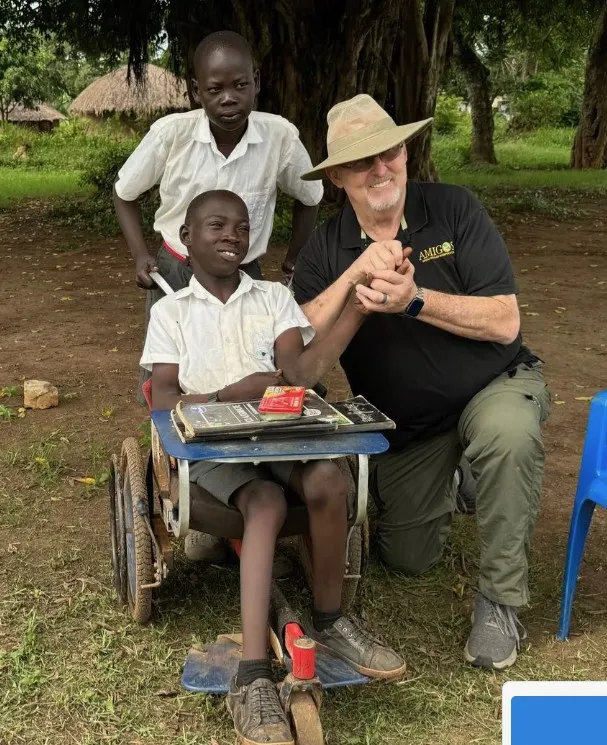
Two people beside a wheelchair outside, with a child seated at a small desk in a grassy outdoor area.
By Amigos Internacionales April 27, 2026
East Texas journalist Jennifer Scott traveled to East Africa to cover Amigos Internacionales. Read the full Tyler Morning Telegraph feature from April 2026.
By Amigos Internacionales April 13, 2026
Learn how church missions in Africa, through partnerships with Amigos Internacionales, can bring lasting change to communities in need. Get involved in education, healthcare, and development projects.
By Amigos Internacionales April 9, 2026
Discover the resilience of refugees in Northern Uganda and how Amigos Internacionales is providing medical care, education, and empowerment to help rebuild lives.
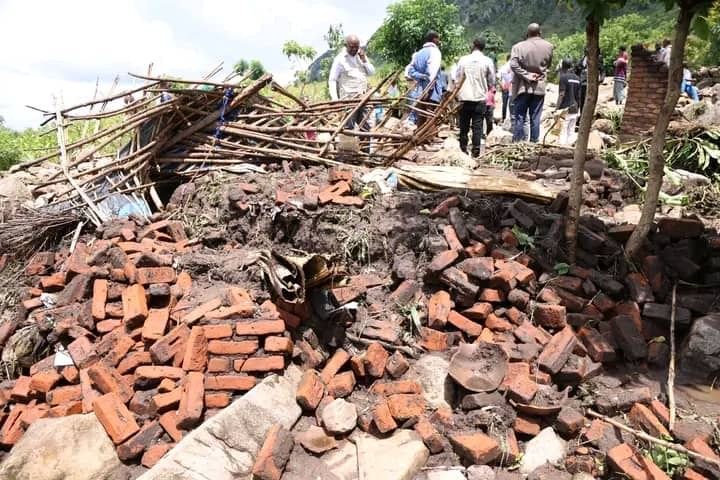
People stand near the ruins of a collapsed brick building in a grassy, mountainous area.
By Victor Phiri April 4, 2026
Deadly floods and landslides have displaced families in Malawi’s Mulanje and Phalombe districts, leaving them without shelter or food. Learn how emergency tents and food relief can bring hope—and how you can help today.
A collapsed building with twisted metal roofing, wooden debris, and scattered bricks in a rural, open-field setting.
By Victor Phiri April 1, 2026
Missionpoint Malawi aids flood victims in Mulanje & Phalombe. Help us provide food & support to families in need. Join our efforts today!
A child wearing a light blue hijab and shirt, smiling while touching their chin, standing outdoors in a sandy area.
By Amigos Internacionales March 28, 2026
Perpetua’s story in Tanzania reveals the daily reality of living with sickle cell and how compassionate medical care and faith bring hope to vulnerable children.
A person in a light shirt and dark boots holds a water container in front of a muddy, contaminated water source.
By Amigos Internacionales March 27, 2026
Learn about the water crisis in rural Uganda and how Amigos Internacionales is providing sustainable, clean water solutions to transform lives and communities.
Three students in uniforms running along a dirt path in front of rural buildings.
By Amigos Internacionales March 26, 2026
Learn how child sponsorship in Africa transforms lives in Uganda through education, healthcare, and long-term community impact.
Show More