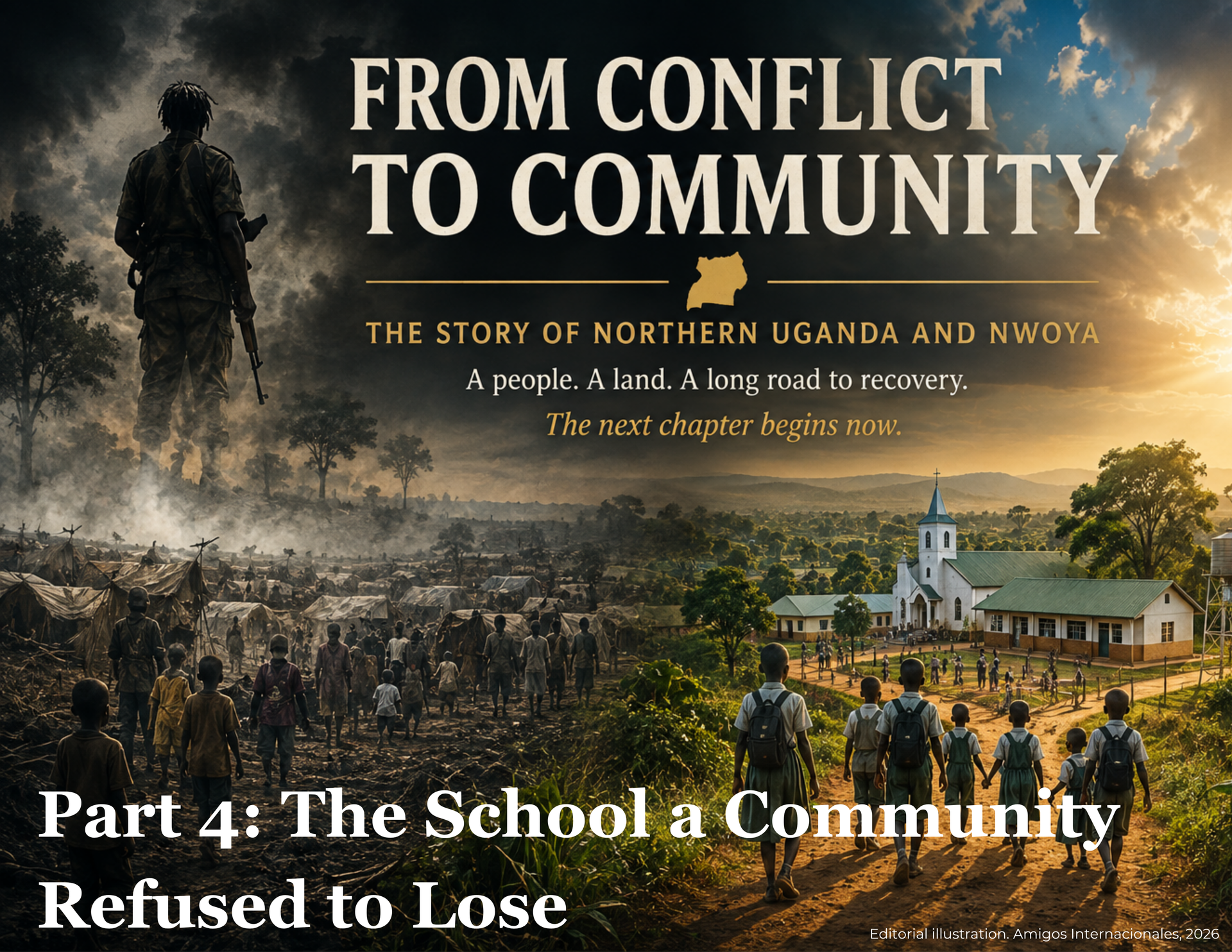
Part 4: The School a Community Refused to Lose: The Story of Orua Community Nursery and Primary School
Before there was a MissionPoint, before Amigos Internacionales had a name anyone in this village would have recognized, there was a decision parents made on their own: the nearest government school was too far for young children to walk safely, so they would build one closer. Not someday. Now.
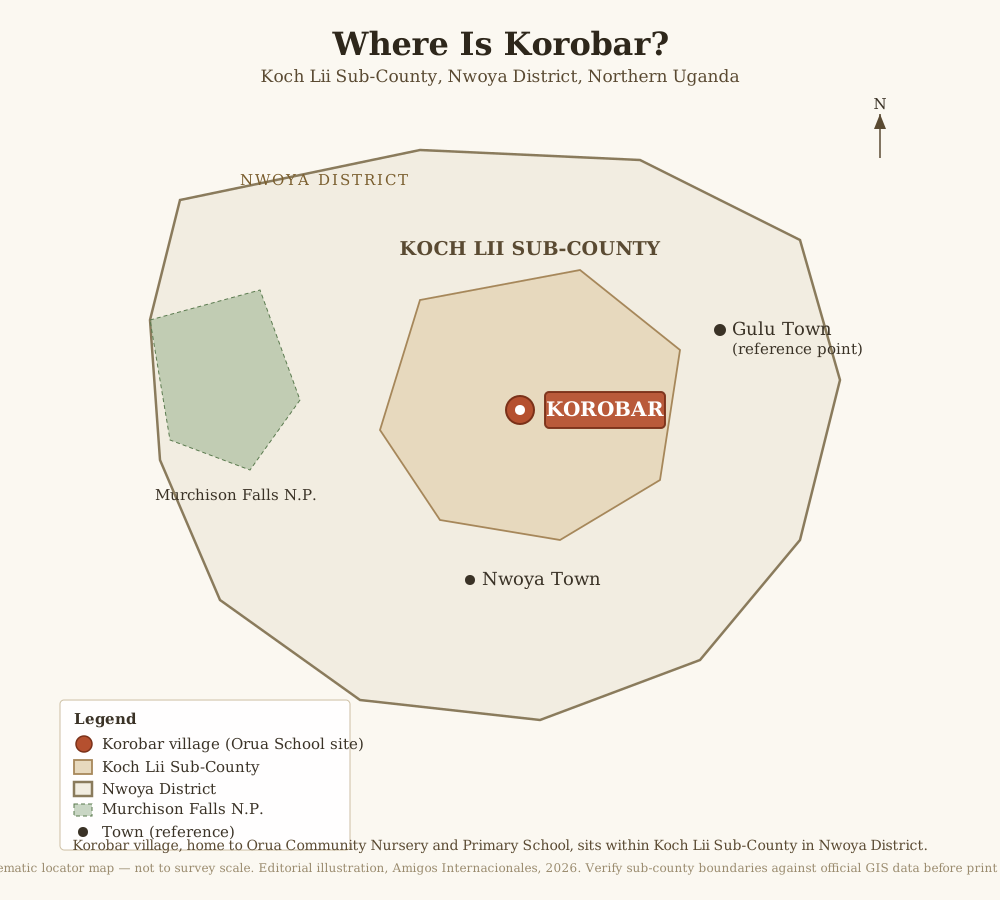
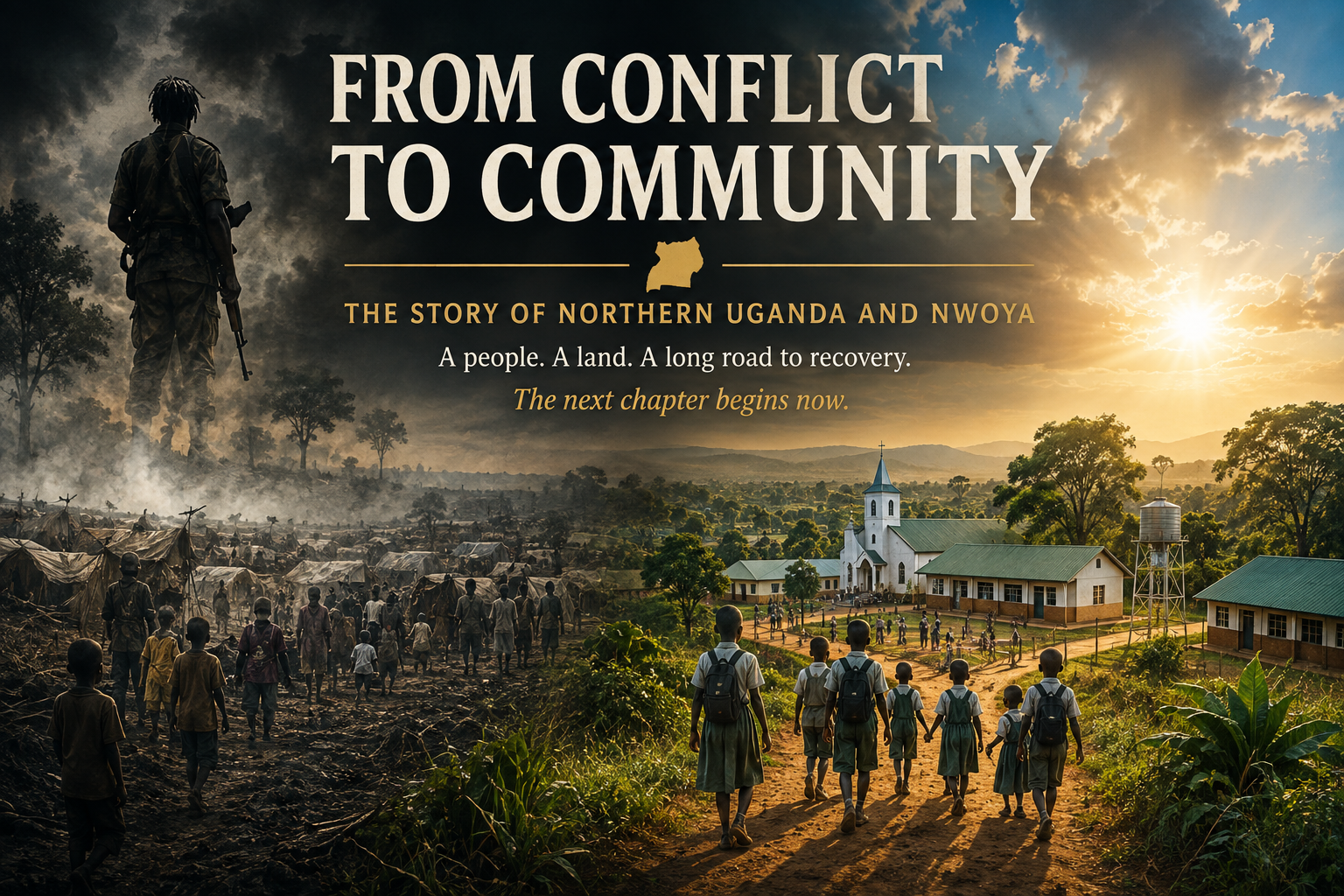
That decision produced Orua Community Nursery and Primary School, in a village called Korobar, in Nwoya District's Koch Lii Sub-County. Part 3 of this series told the story of how Nwoya District rebuilt itself after displacement — the land disputes, the returning families, the new district government. This part narrows the lens further, to one village and one school, because that's where the district's larger recovery becomes something you can actually walk through and touch.
You should know upfront: this is the project Amigos Internacionales has been invited into, and this series is going to keep telling its story in the parts that follow. But this article isn't about Amigos yet. It's about what was already here.
A school built by parents, not by request
Rural Uganda's Universal Primary Education policy, in place nationally since 1997, promises fee-free primary schooling. That promise, as Part 2 of this series explained, has landed unevenly in the Acholi sub-region, where displacement-era disruption left long-term gaps in school access. In Korobar specifically, the practical problem wasn't policy — it was distance. The nearest alternative school was too far for the village's youngest children to reach consistently and safely, particularly on foot, particularly during the rainy season, particularly for a five- or six-year-old.
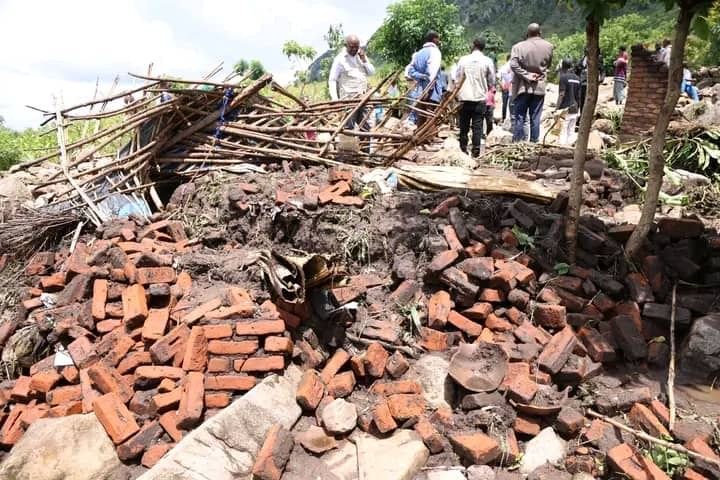
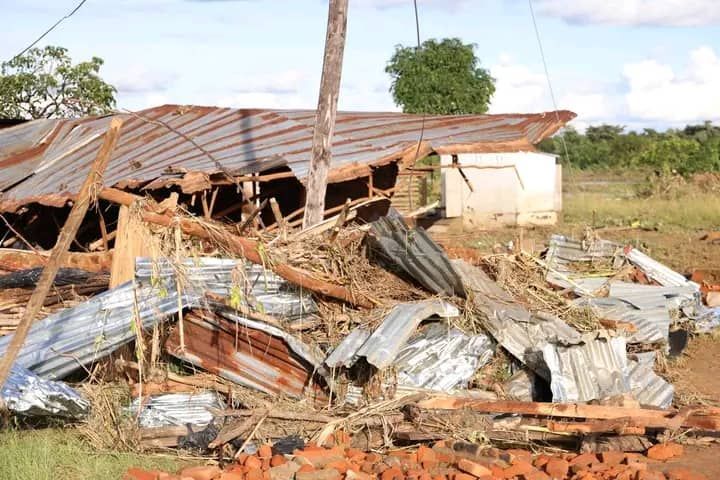
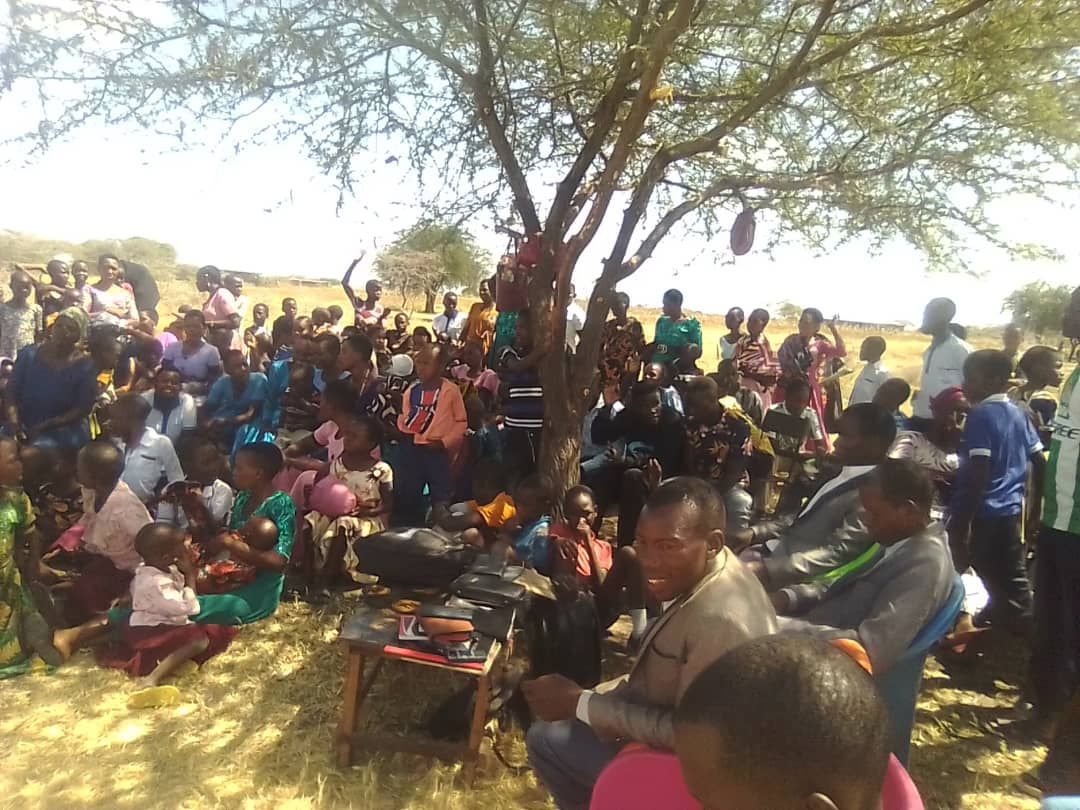
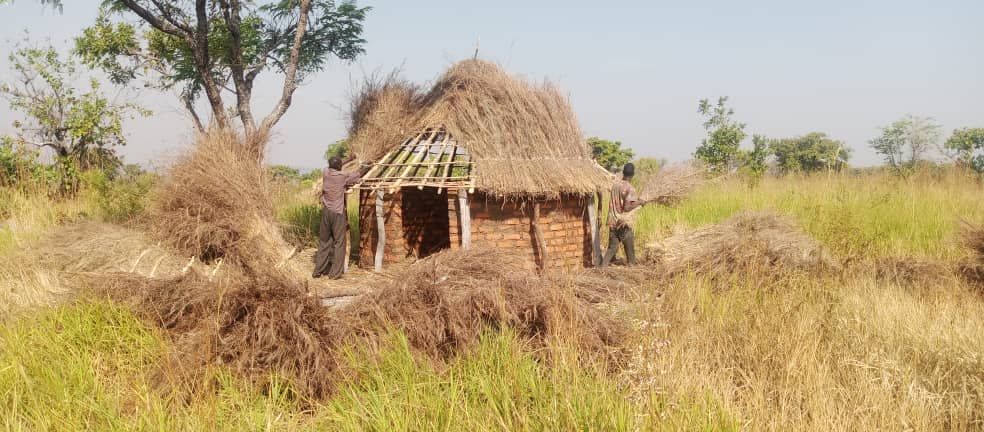
So the community built its own. By the time Amigos Internacionales' field team visited in June 2026, the school already had real, working infrastructure: classroom buildings, a thatched classroom structure, teacher housing, a kitchen, latrines, a soccer field, and a borehole for water — imperfect and, as it turned out, in need of repair, but already there. A head teacher was already in place, willing to stay through whatever came next. Local leadership was already functioning.
"This wasn't a community waiting for someone to build them a school. This was a community that had already built one — and was now asking for help keeping it standing."
None of this happened because an outside organization asked for it. It happened because parents in Korobar decided their children's education couldn't wait for anyone else's timeline.
What broke, and how fast
At its strongest point, Orua Community Nursery and Primary School enrolled 247 children. Then payroll failed.
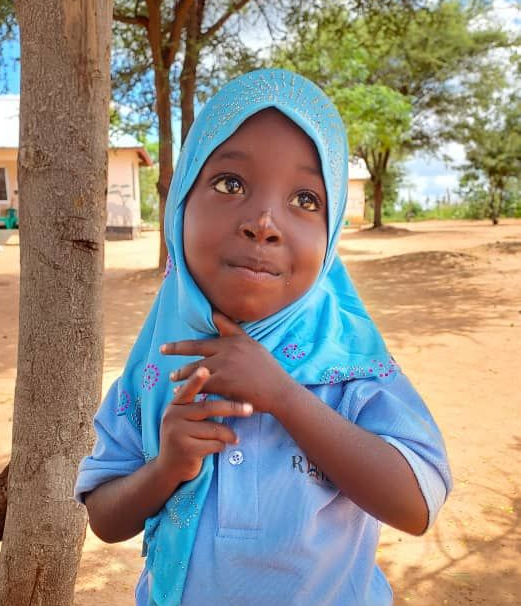
It's a small phrase for what it actually meant. Teachers who go unpaid don't stop caring about their students, but they do, eventually, stop being able to afford to keep showing up — most were themselves supporting families on income the school could no longer reliably provide. As teaching staff thinned, classrooms that had been full started to empty. Enrollment fell from 247 to roughly 32. More than seventy preschool-age children were sent home entirely, not because their families had given up on their education, but because the youngest classrooms were often the first casualties when a school's finances collapse. This is the moment that matters most in this whole story, and it's worth being precise about what it does and doesn't mean.
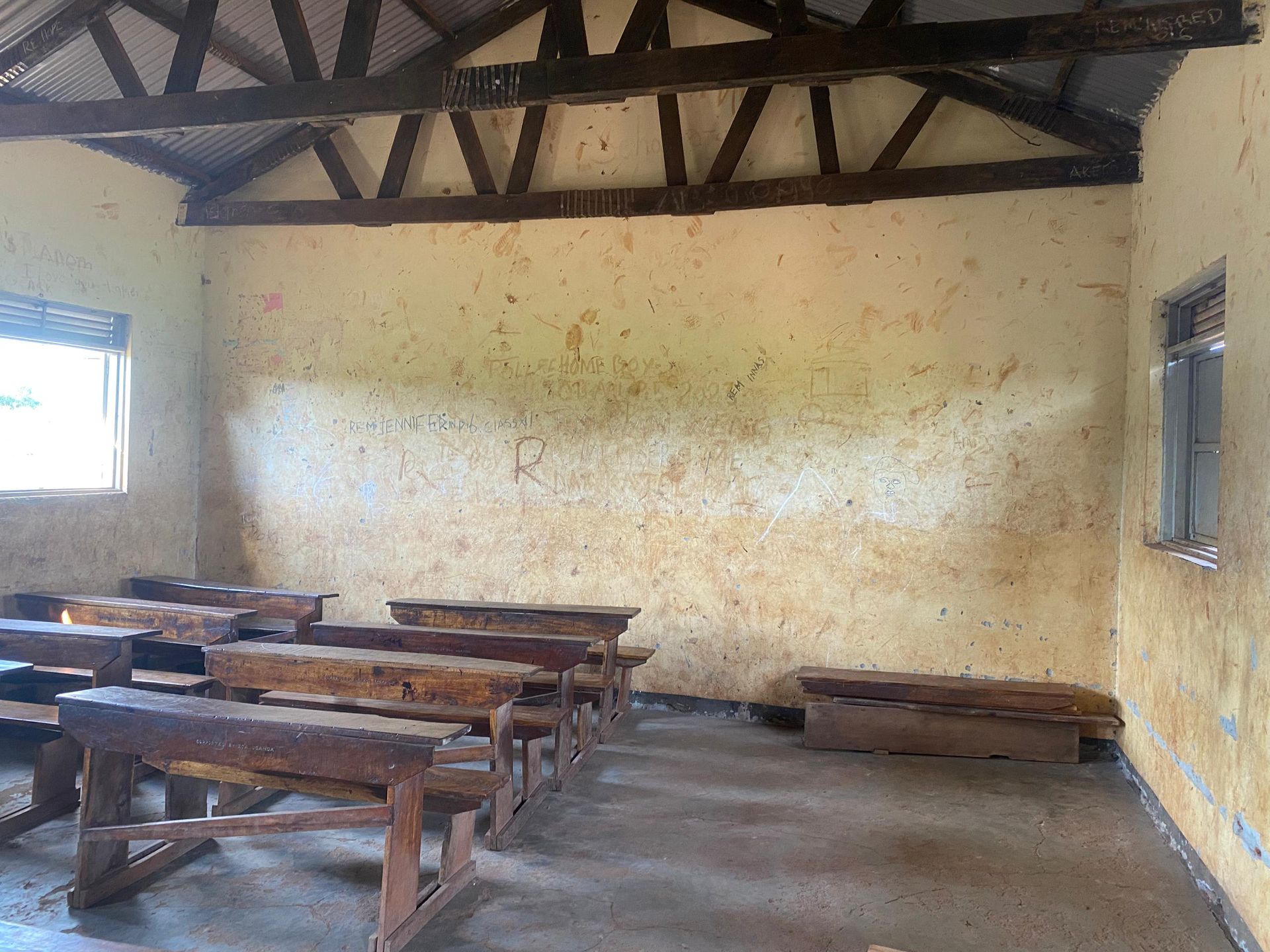
Help protect what this community has already built.
Orua Community Nursery and Primary School went from 247 students to roughly 32 after payroll collapsed — not from a lack of community will, but from a lack of the financial backing that keeps a school standing. Your gift helps restore what families in Korobar already built.
It doesn't mean the community failed. A parent-built school running almost entirely on local resources and goodwill, with no outside financial backstop, was always going to be fragile in exactly this way — one bad season, one funding gap, one unpaid month too many. What it means is that the same community that built this school in the first place now needed a partner to keep it standing, not a rescuer to start it over.
What the community asked for — and what it didn't

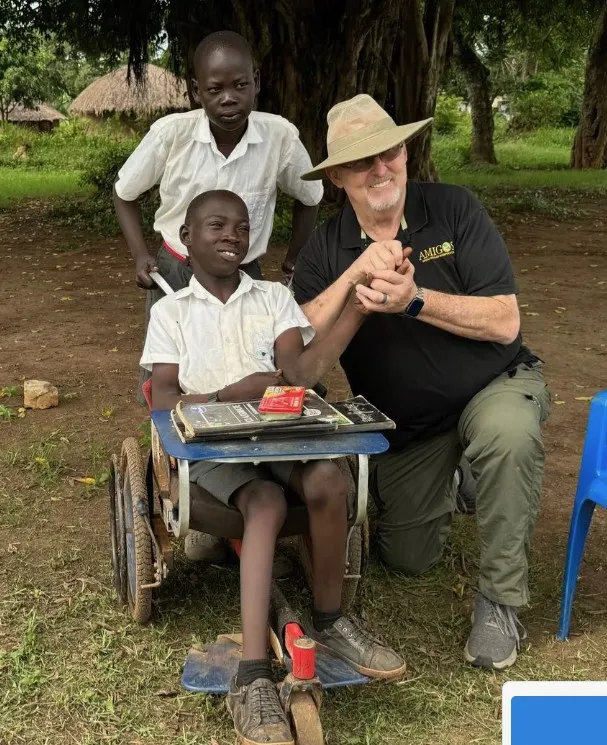
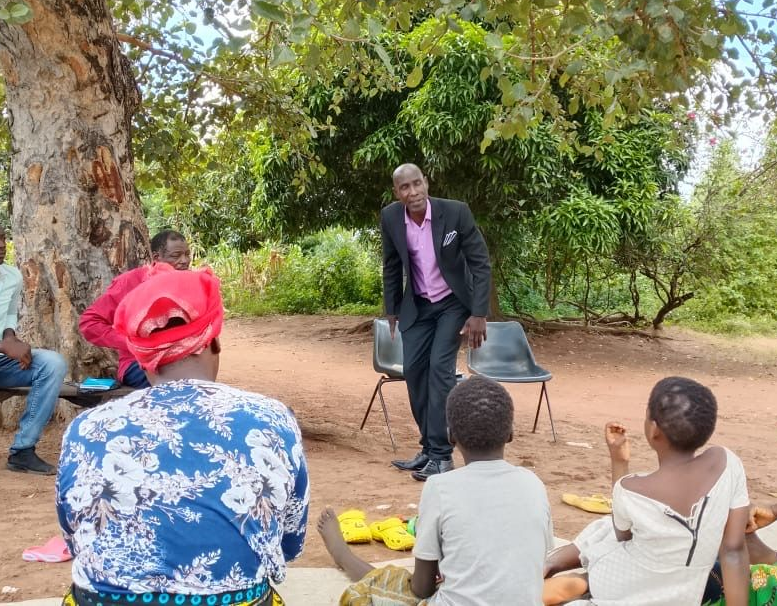
In June 2026, Patrick Kibwota, Amigos Internacionales' African Director of Operations, visited Korobar at the community's invitation. His site assessment is the foundation for most of what this series can now report with confidence about the project: the existing buildings, the 10.396 acres of land the community offered as a MissionPoint site, the working (if imperfect) infrastructure already in place.
The land transfer from the community to Amigos — 10.396 acres — was completed on July 9, 2026. That's a real, dated, finished fact. What's still in progress, and what this article won't pretend is further along than it is, is theschool's actual operational transition: repairs, restored payroll, a reopened preschool section, and a full return to functioning ahead of Uganda's January 2027 academic term. Those two things — the land handover and the school's reopening — are related but separate, and this series will keep reporting them as such rather than letting one borrowed certainty stand in for the other.
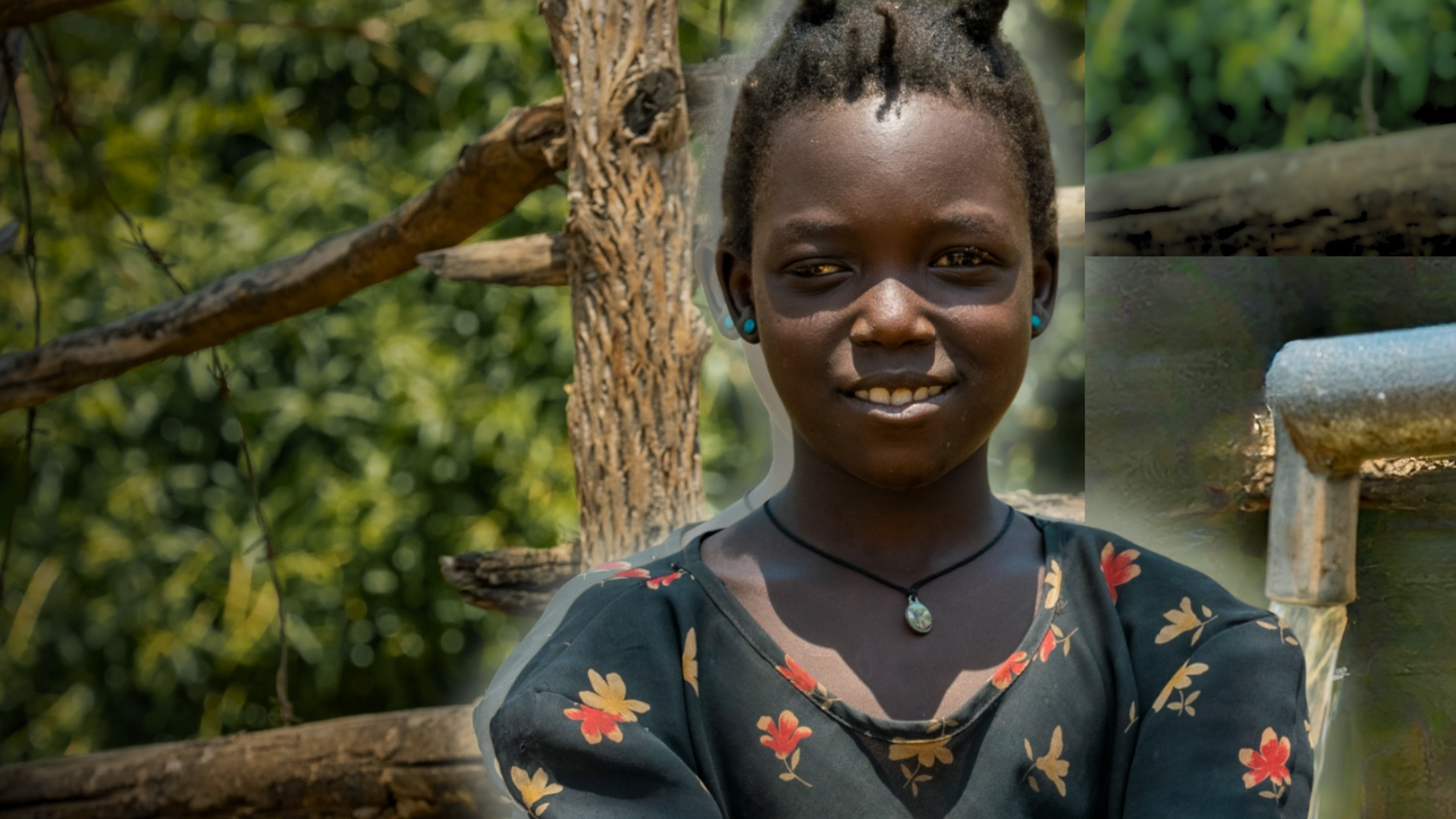
alongside the school itself, Amigos' field assessment identified a fuller picture of what a completed MissionPoint here would include: Agape Baptist Church – Korobar, a congregation already meeting, though the status of a permanent church building is still unverified; and the community's existing deep well, which provides water but currently needs rehabilitation — a real, acknowledged need that Amigos has not yet attached a cost estimate to, because no field quote exists for it yet. We're stating that plainly rather than folding an invented number into a tidier-sounding total. Part 5 of this series (coming soon) will lay out the full working budget in detail, including exactly what's costed and what isn't yet.
Two names, one project
You may notice this series has, up to now, called this project's setting "Nwoya" — accurately, since it sits within Nwoya District, and the district's own story is what Parts 1 through 3 were about. As the MissionPoint here has moved from a proposal into an actual, dated, executed land transfer, it's taken on its own specific name: Korobar MissionPoint, centered on Orua Community Nursery and Primary School, in Korobar village.
Both names are correct. Nwoya is the district — the broader history this whole series has been telling. Korobar is the village — the specific place where that history is now becoming a specific school, a specific well, and a specific congregation. From here forward, this series will use Korobar and Orua when talking about the project itself, and Nwoya when talking about the district's wider story, the way Part 3 already did.
Why this matters before the budget conversation
It would be easy for the next article in this series — the one about costs, dollars, and what a gift actually funds — to read like the real story, with everything before it as mere setup. That's backwards. The real story is what's in this article: a community that built a school on its own, kept it running as long as it could, and when it faltered, didn't wait for outside rescue. It asked for a partner, on its own terms, with its own land, its own leadership, and its own head teacher staying on through the transition.
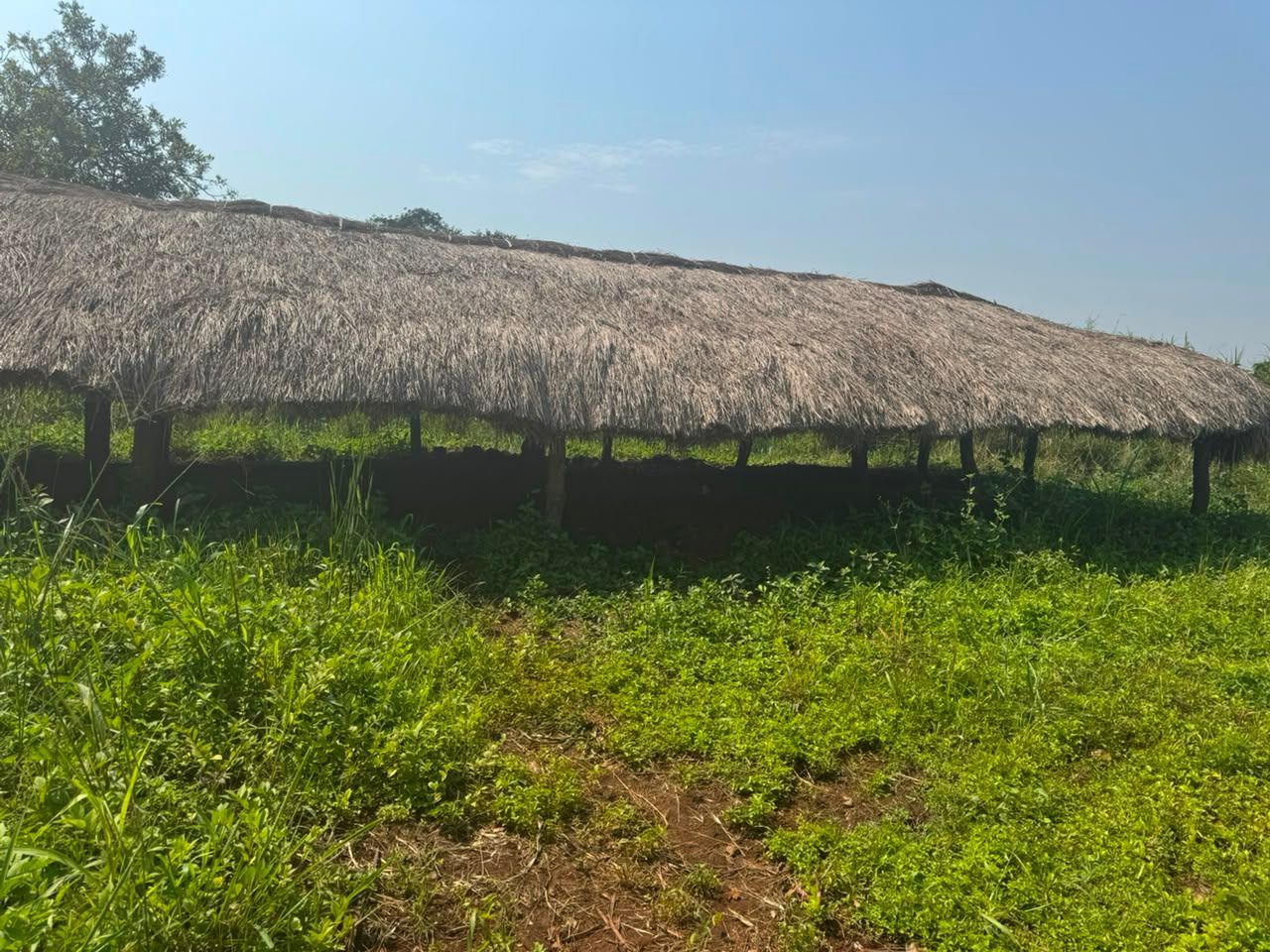
Agape Baptist Church – Korobar is an active, meeting congregation with an as-yet-unbuilt permanent home — learn about becoming a Missionpoint church partner.
"The people of Korobar are not the subjects of this story's ending. They're its authors — the same way this whole series has tried to say about Nwoya from the start."
What comes next — the repairs, the restored payroll, the reopened preschool classrooms — is real, necessary work. But it's work in service of something the community already built. That's the distinction this whole series has tried to hold onto since Part 1, and nowhere does it matter more than here.
Continue to Part 5: What Does It Cost to Restore a Rural School and Launch a MissionPoint in Uganda? — the full, transparent budget behind Korobar MissionPoint.
Categories
Social Media
Free Medical Camps in Burundi: What Happens When a Doctor Walks Into Gisuru | Amigos Internacionales