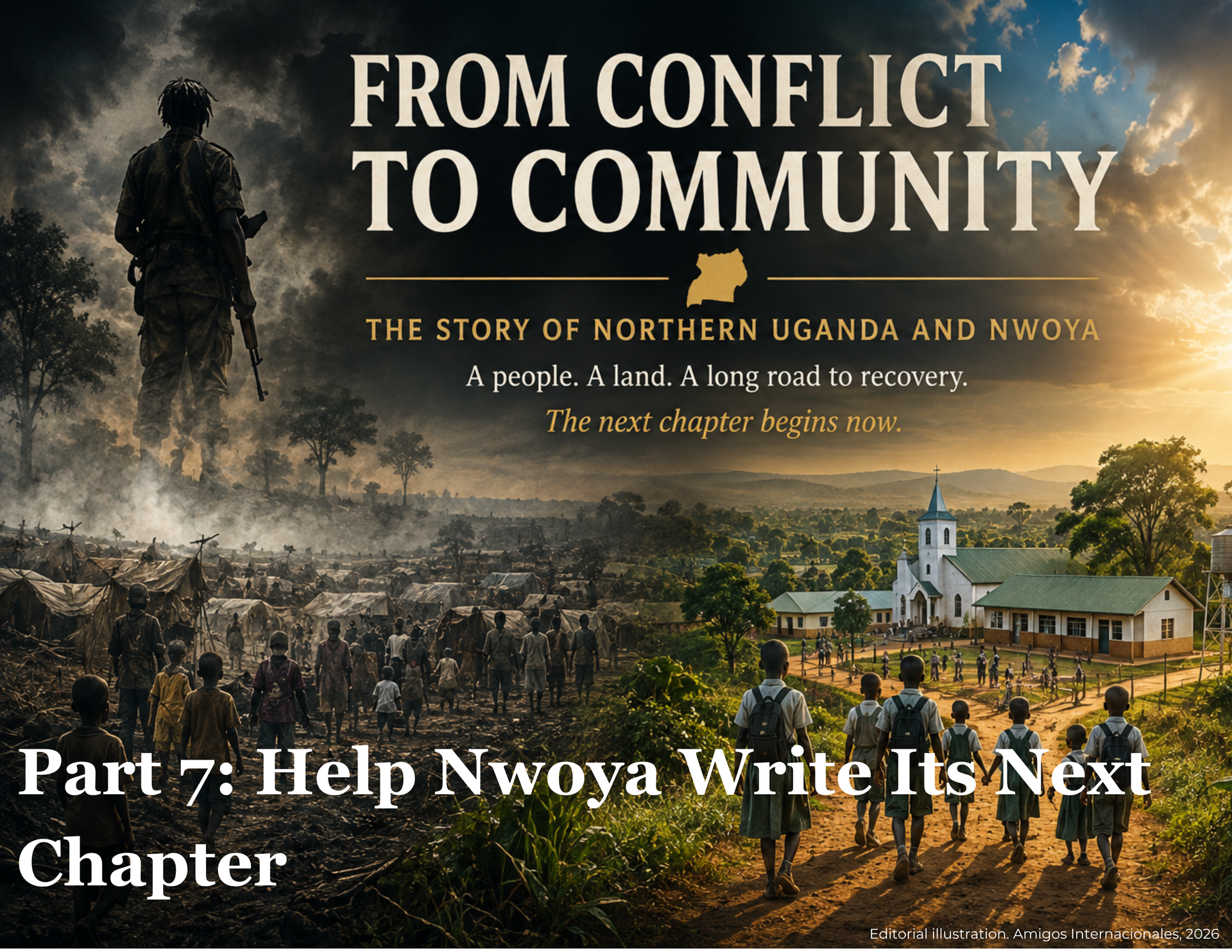
Part 7: From Conflict to Community: Help Nwoya Write Its Next Chapter
Quick answer: You can help rebuild a school and community in Nwoya District, northern Uganda, by giving to Korobar MissionPoint at amigosii.org/?give=PYEVM6DX. A gift of any size helps; $12,500 is the working target to fully repair, equip, and stabilize Orua Community Nursery and Primary School, and $1,215/month sustains it going forward. Every figure below is itemized and sourced in Part 5 of this series.
Everything else in this article explains why that gift matters and to whom.
What happened in northern Uganda, in three sentences
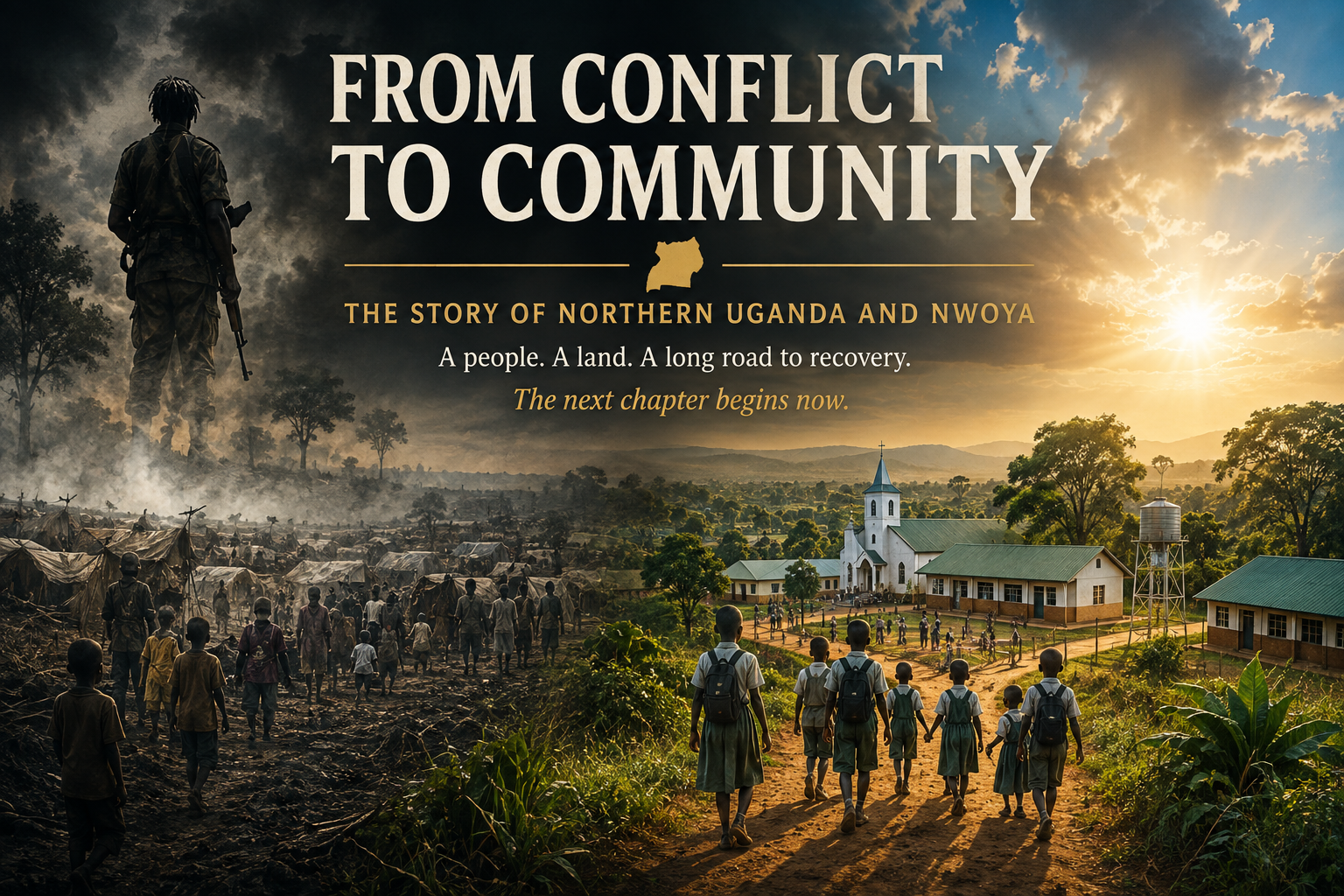
For nearly two decades, the Lord's Resistance Army displaced, abducted, and terrorized communities across northern Uganda's Acholi sub-region, forcing roughly 90 percent of the local population into displacement camps beginning in 1996. The war's active phase ended after the 2006–2008 Juba peace talks, but its consequences — interrupted schooling, disrupted families, and a generational education gap that persists today — did not end with it. Nwoya District, formed in 2010 as displaced families returned home, is still, in real and measurable ways, completing that recovery nearly twenty years later.
The full history is in Part 1.
For nearly two decades, the Lord's Resistance Army displaced, abducted, and terrorized communities across northern Uganda's Acholi sub-region, forcing roughly 90 percent of the local population into displacement camps beginning in 1996. The war's active phase ended after the 2006–2008 Juba peace talks, but its consequences — interrupted schooling, disrupted families, and a generational education gap that persists today — did not end with it.
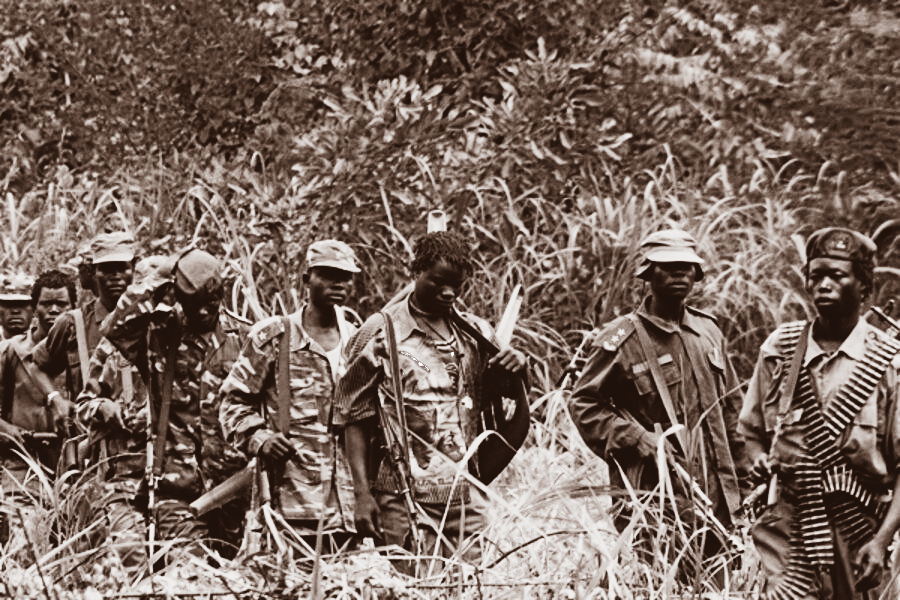
Nwoya District, formed in 2010 as displaced families returned home, is still, in real and measurable ways, completing that recovery nearly twenty years later. The full history is in Part 1.
The conflict is history. The rebuilding isn't finished.
That's the central fact this entire series has tried to document honestly, without either minimizing the war's severity or reducing Nwoya's people to passive victims. The record shows something more specific and more admirable: this is a community that has already done the hardest parts of recovery on its own.
Before Amigos Internacionales was ever involved, the community in Korobar village had already:
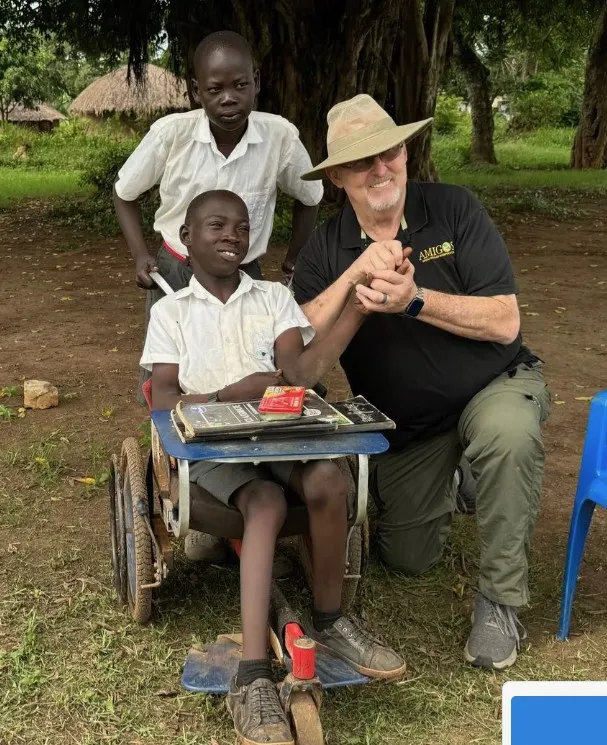
- Established a school — Orua Community Nursery and Primary School, built by parents because the nearest alternative was too far for young children to reach safely.
- Provided the land — 10.396 acres, donated by the community, not purchased by Amigos, with the transfer formally completed on July 9, 2026.
- Maintained local leadership — a head teacher who stayed through a payroll collapse, and Pastor Okulu Santo, already serving as the community's local Missionpoint leader.
- Continued teaching as long as resources allowed, even as enrollment fell from 247 children to roughly 32 after the school's payroll system failed.
- Invited partnership — specifically, deliberately, on their own terms, not in response to unsolicited outside intervention.
- Articulated their own needs — the specific, itemized budget in Part 5 exists because the community and Amigos' field team assessed it together, not because Amigos guessed.
Amigos Internacionales is being invited to help strengthen what local people already began. That framing isn't a marketing choice — it's the most accurate description of what's actually happening in Korobar, and this series has held to it since Part 1.
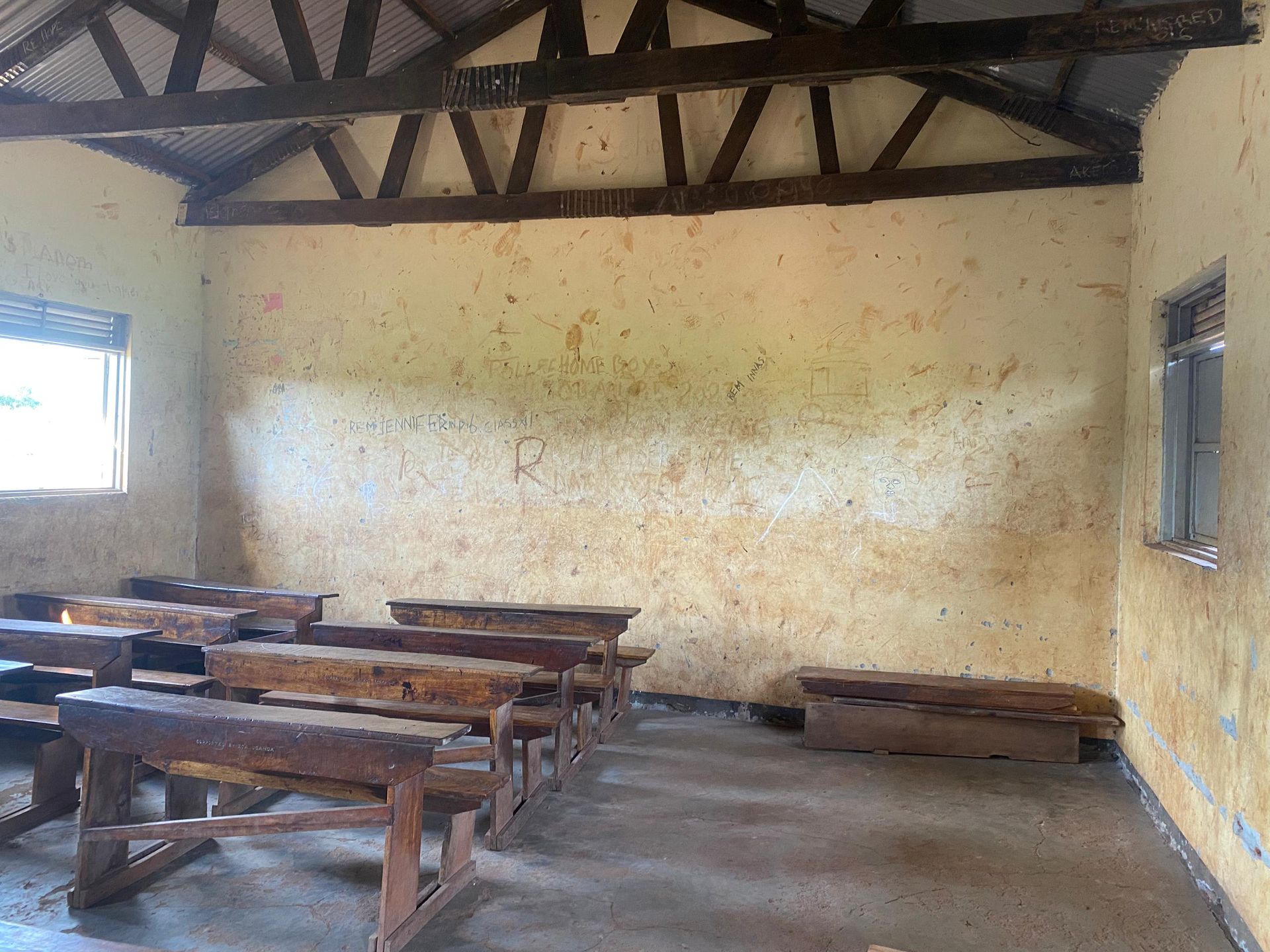
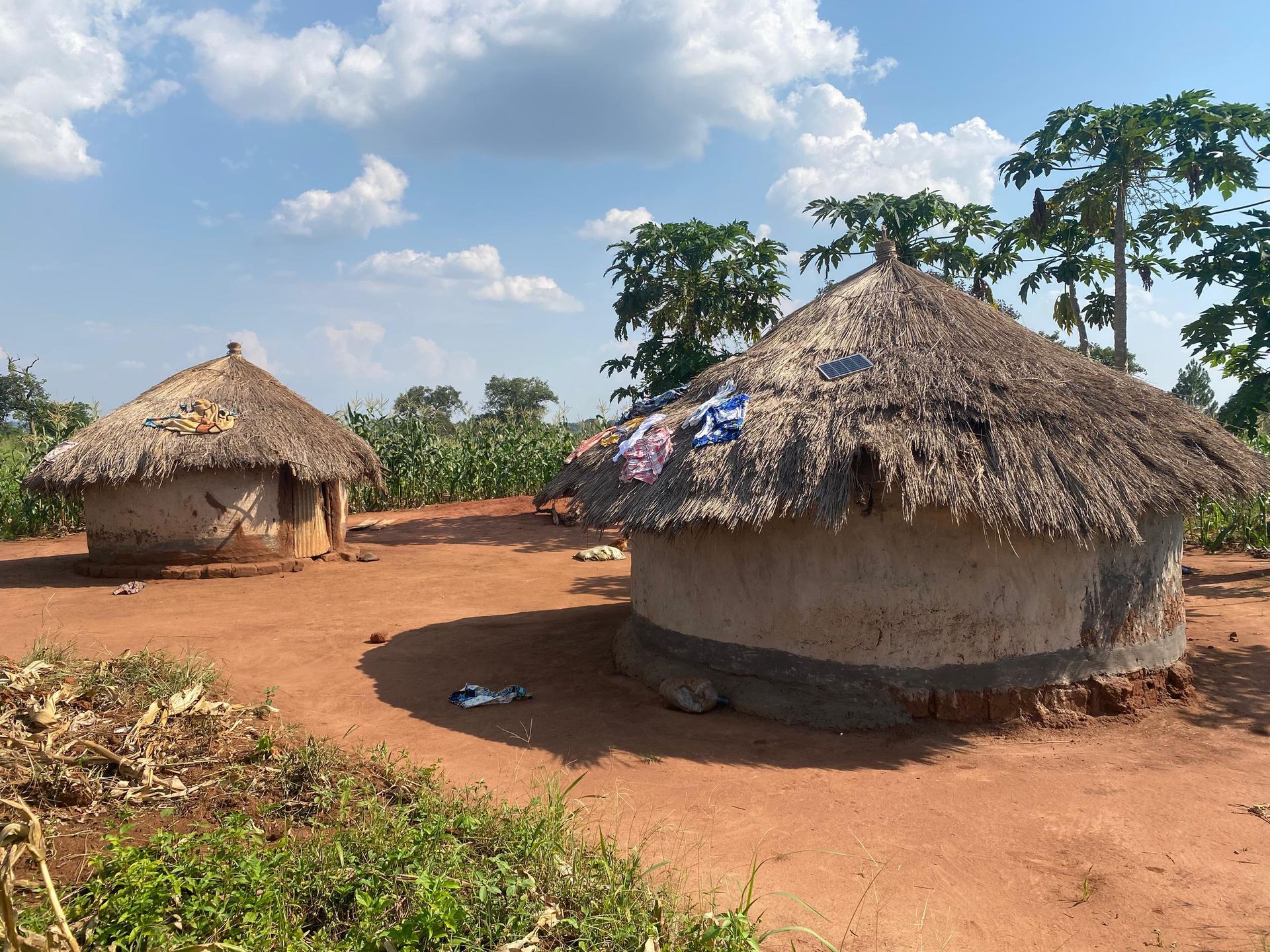
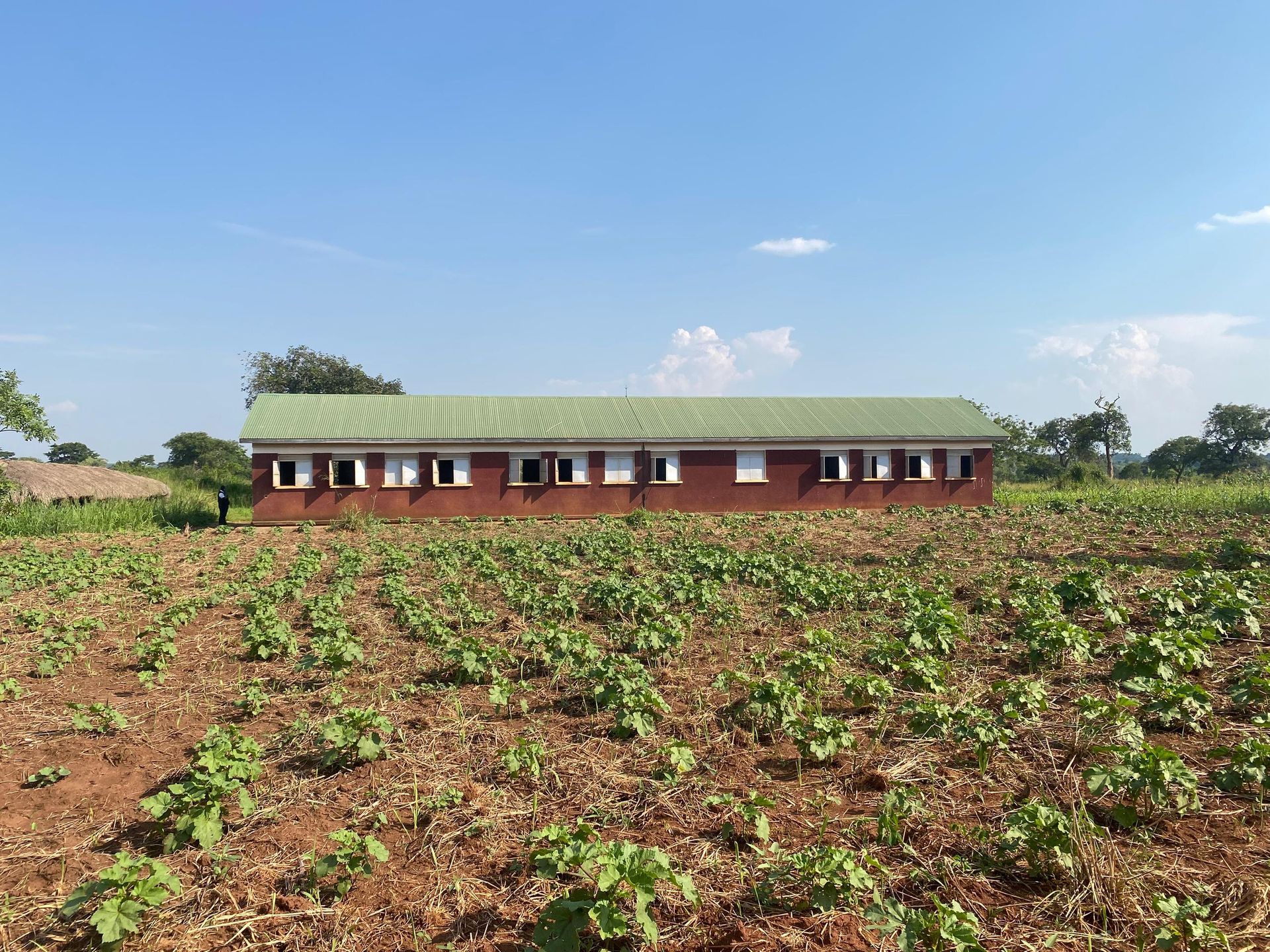
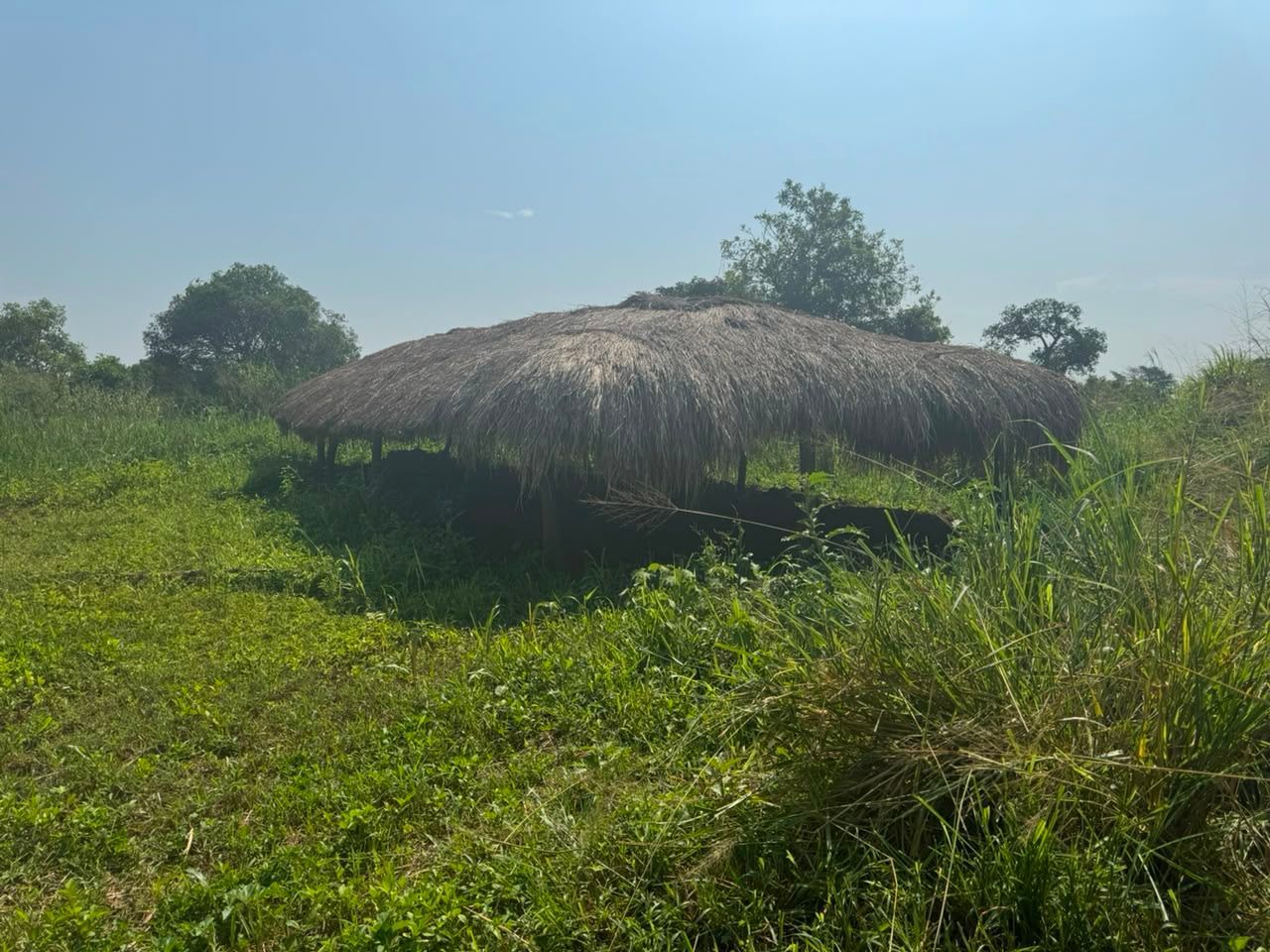
Amigos Internacionales is being invited to help strengthen what local people already began. That framing isn't a marketing choice — it's the most accurate description of what's actually happening in Korobar, and this series has held to it since Part 1.
How do I donate to help children in northern Uganda?
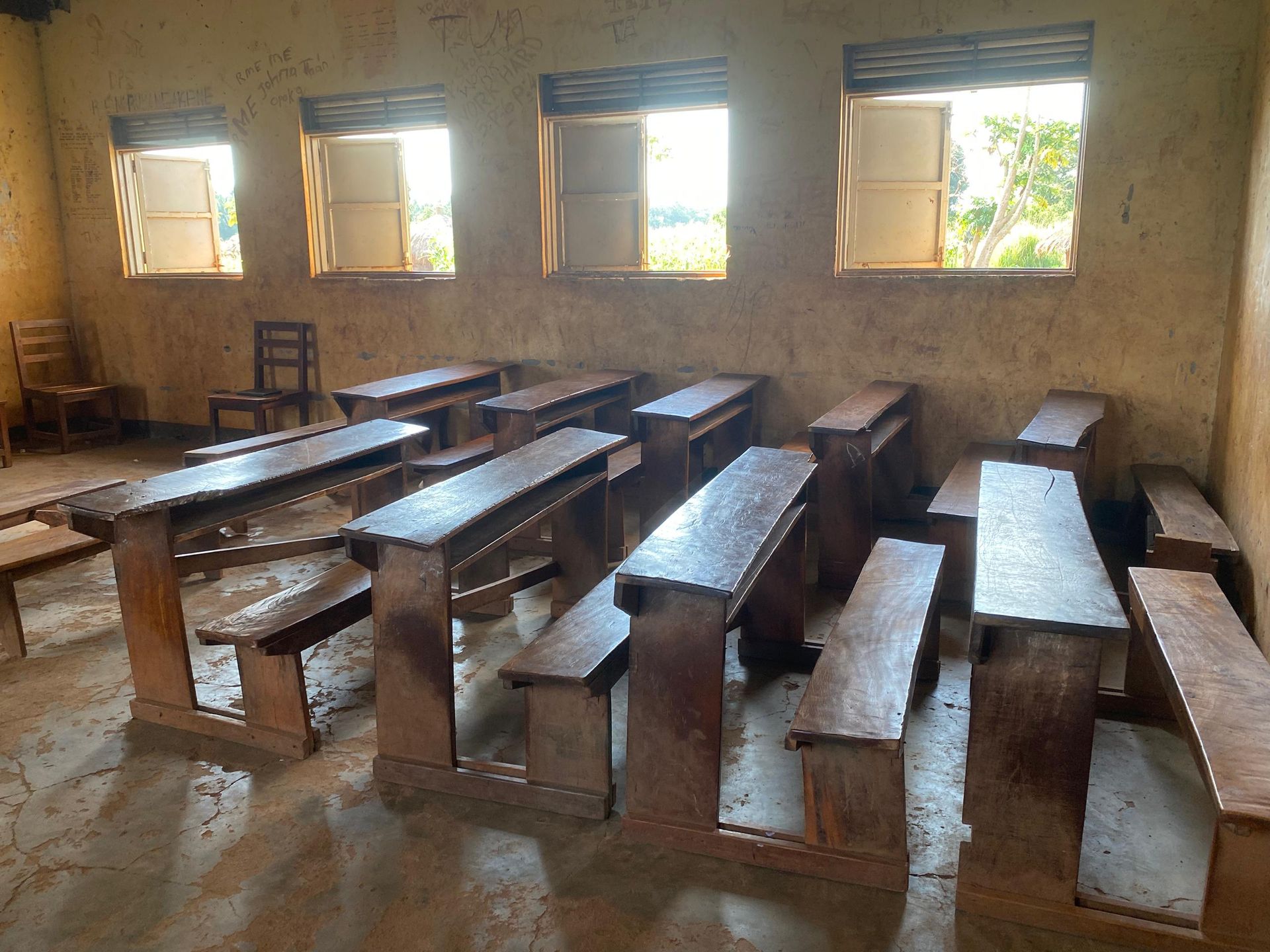
Give directly to Korobar MissionPoint at amigosii.org/?give=PYEVM6DX. Gifts of any size help. Here's specifically what different amounts fund, based on the itemized budget from Part 5:
Immediate working goal: $12,500 — repairs, equips, and stabilizes Orua Community Nursery and Primary School. Six-month responsible launch range: $17,500–$20,000 — adds several months of operations, supervision, and contingency on top of the immediate goal. Known recurring operating base: approximately $1,215 per month — payroll and supervision once the school is fully reopened.
These figures remain subject to final verification and quotation as work proceeds — this series has been consistent about that distinction throughout, and this final installment isn't the place to stop being.
Every dollar has a job. $50 covers classroom supplies. $1,215 covers a month of restored payroll. $12,500 gets the school fully repaired, equipped, and stabilized. Give now →
What is the MissionPoint model?
MissionPoint is Amigos Internacionales' integrated community development model, combining seven components: secured land, clean water, a local church, a school, life-skills and livelihood training, trained local leadership, and a path toward sustainability the community can carry forward without permanent outside support. Part 6 of this series explains the full model in detail, including an honest accounting of where Korobar currently stands on each component — not every piece is finished, and this series has said so plainly throughout.
Why give to this community specifically?
Their parents' generation was displaced from this same land, often by force, and often for years. This generation has the chance their parents didn't: to learn, worship, and build a future without first having to walk home from a war. That's true for many families in Korobar, though not a claim this series makes about every individual student's specific family history — displacement in the Acholi sub-region was near-universal at the district level, but each family's story is its own, and this series has tried throughout not to flatten that into a single narrative.
What's true without qualification: this community rebuilt what it could on its own, asked for a partner rather than a rescuer, and has been honest — through Amigos' own reporting in this series — about what's finished and what isn't. That's the partnership being asked of you.
Ways to Give
- One-time gift: Give to Korobar MissionPoint →
- Monthly partnership: A recurring gift of any amount helps move Korobar from stabilization to sustainability — the same link supports recurring giving.
- Church partnership: If your church is considering a partnership with a specific MissionPoint community, learn more here →
- Major gift or foundation partnership: For gifts at a scale that could fund a substantial portion of Korobar's transition, or for foundation program officers evaluating this project, contact Amigos directly at michael@amigosii.org.
Is your church considering a long-term MissionPoint partnership?
Learn what that looks like →
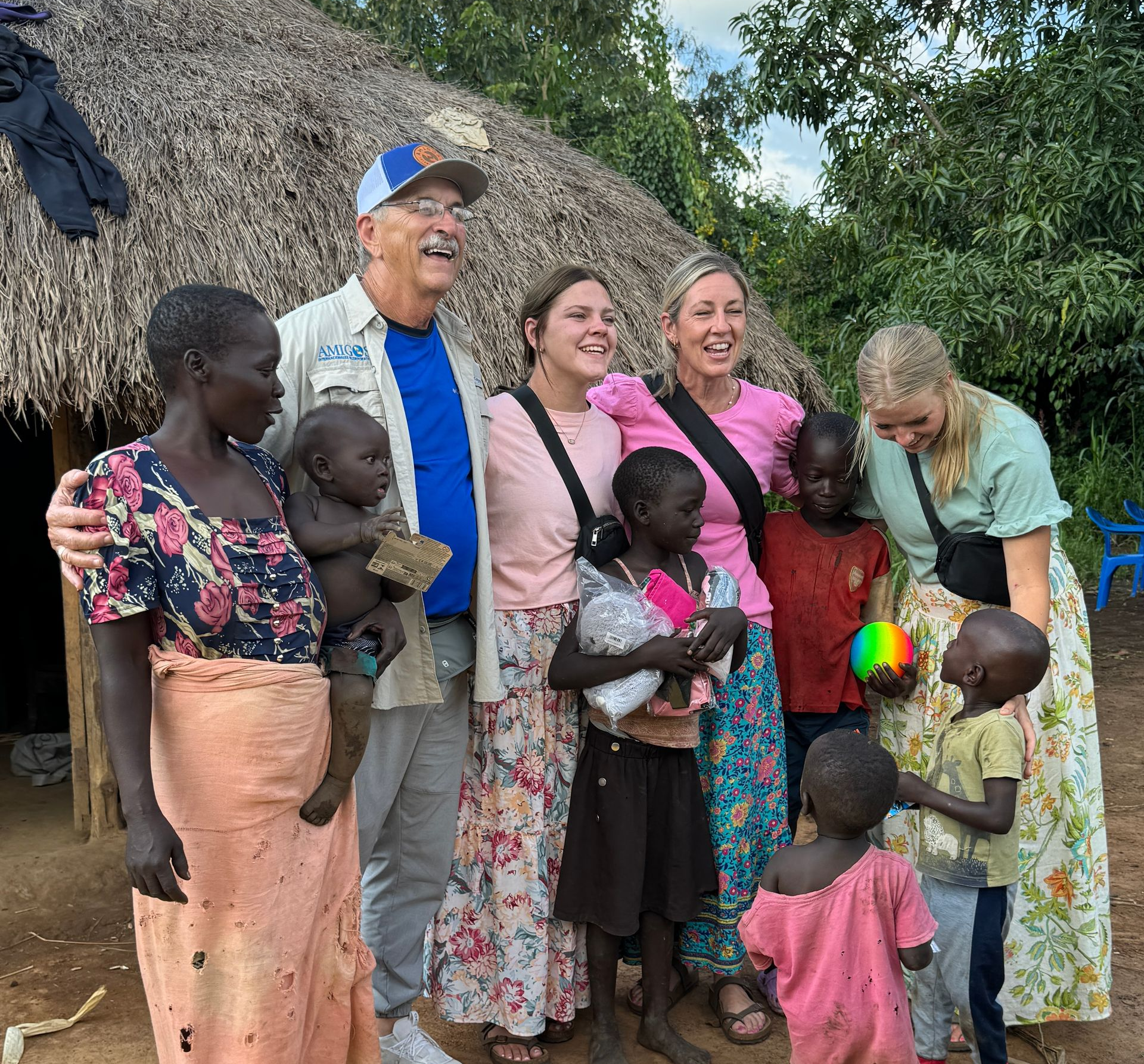
The Series, in Full
This article is the conclusion of a six-part historical and project series. If you're arriving here first, here's the complete record:
- What Happened in Northern Uganda? — The Lord's Resistance Army, the ICC cases, and the history behind everything that follows.
- A Generation Displaced — What the war did to childhood, family, and education.
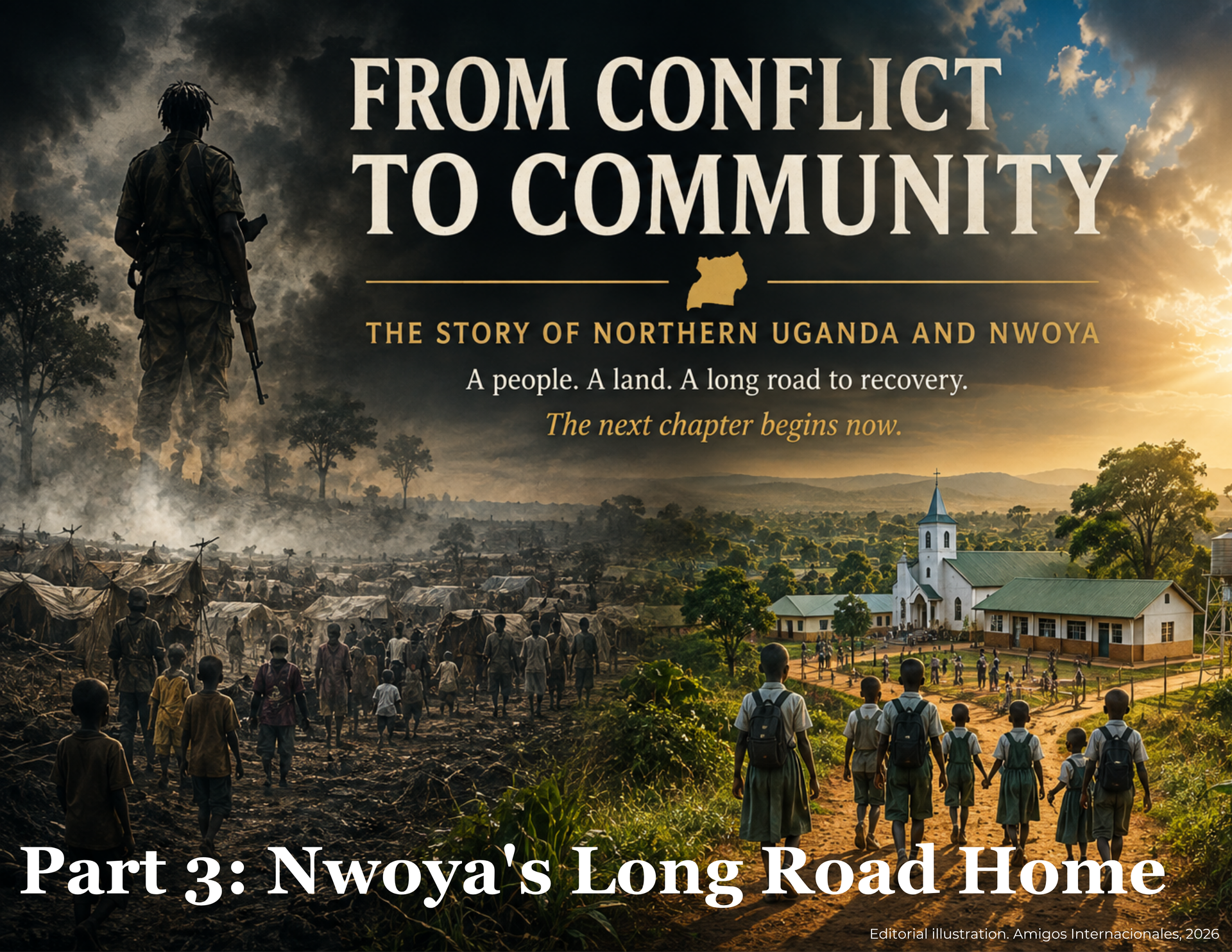
- Nwoya's Long Road Home — How one district rebuilt itself after displacement.
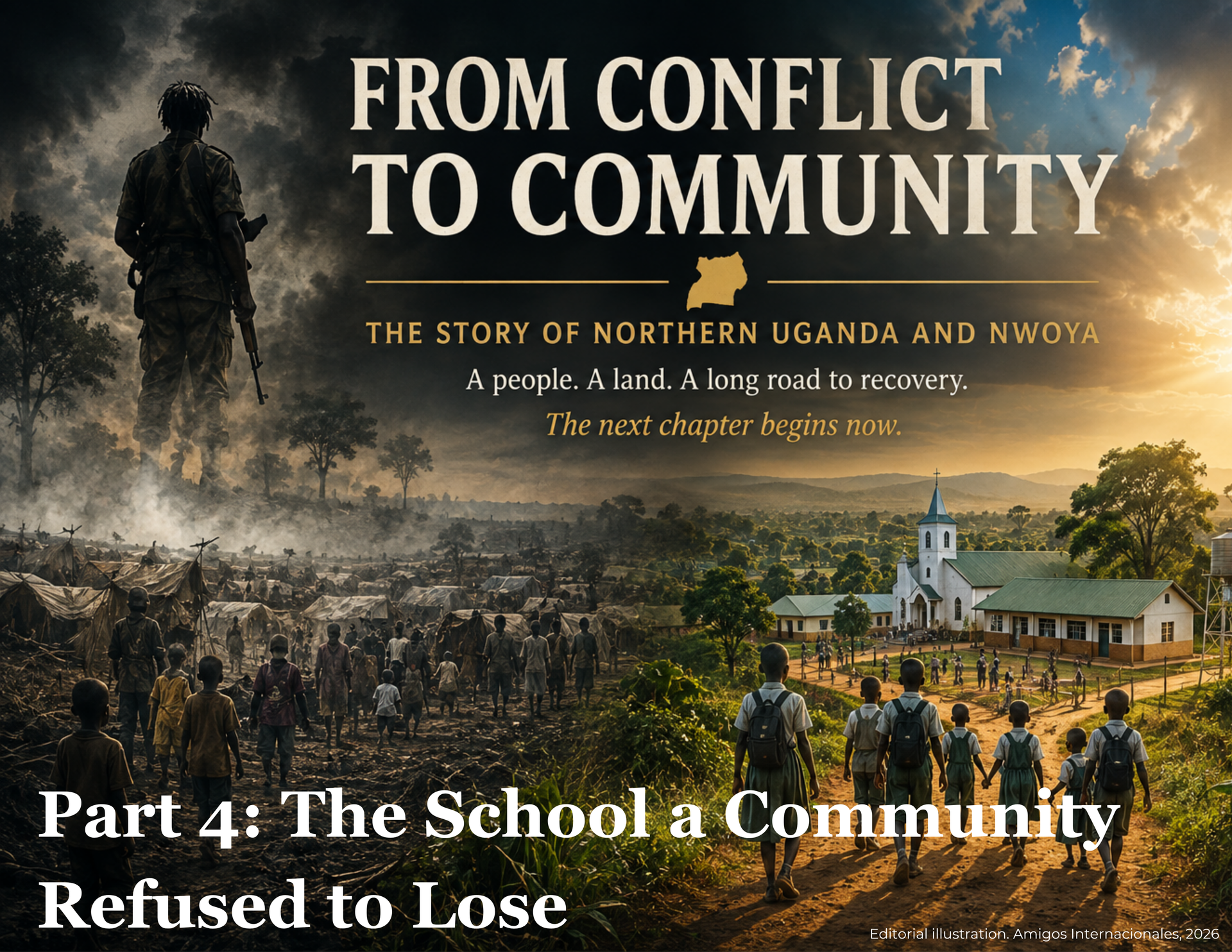
- The School a Community Refused to Lose — The story of Orua Community Nursery and Primary School.
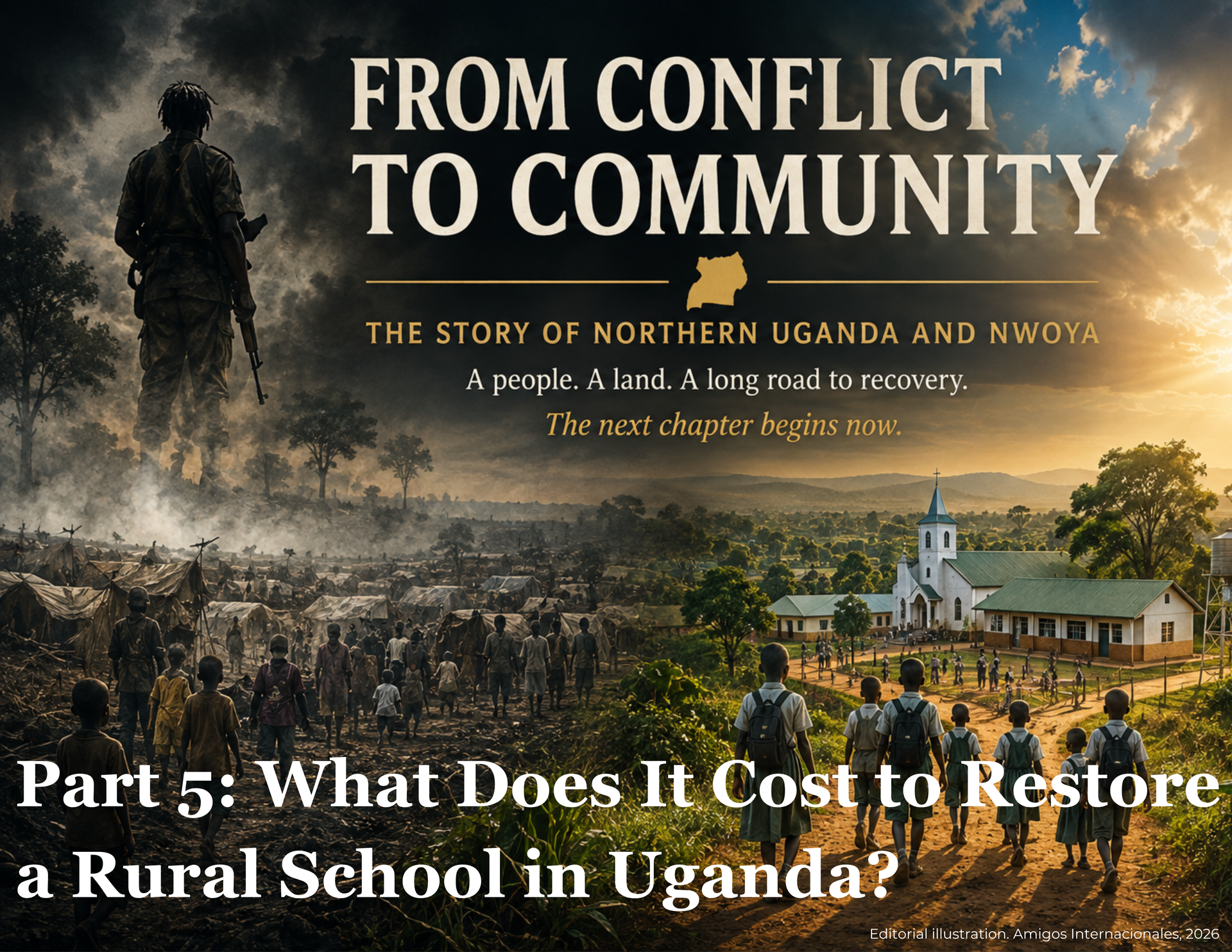
- What Does It Cost? — The full, itemized, transparent budget.
- More Than a School — The complete MissionPoint model, explained honestly.
- From Conflict to Community: Help Nwoya Write Its Next Chapter — this article.
The community wrote most of this story before Amigos arrived. This is the chapter where you can help!
Categories
Social Media
Free Medical Camps in Burundi: What Happens When a Doctor Walks Into Gisuru | Amigos Internacionales