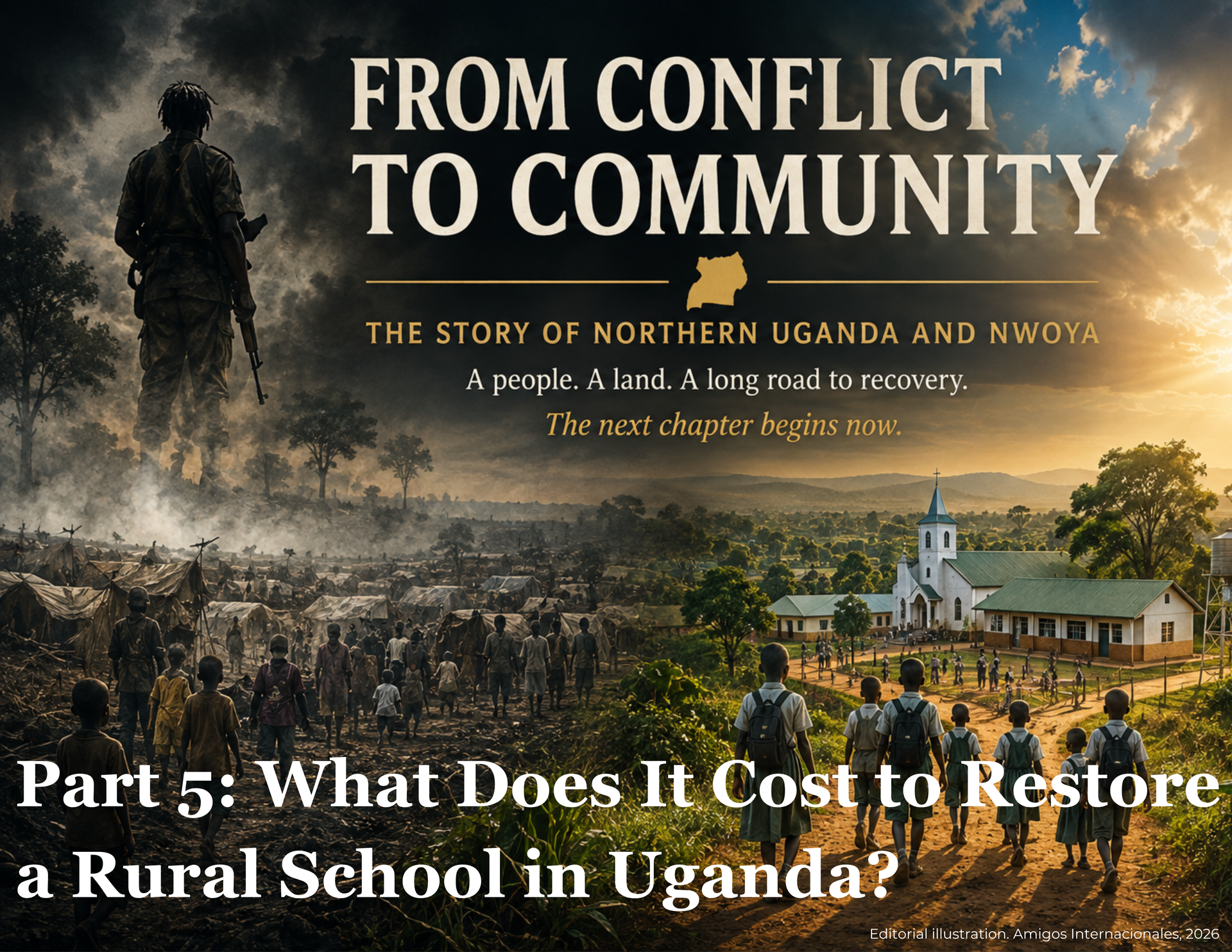
Part 5: What Does It Cost to Restore a Rural School and Launch a MissionPoint in Uganda?
Michael Ryer • August 12, 2026
A poster for amigos mission in motion shows a girl holding a cup

There's a number a lot of nonprofit fundraising pages love: a big, round figure — "$50,000 builds a school!" — that's easy to print on a banner and hard to actually verify. This article is the opposite of that. Part 4 of this series told the story of Orua Community Nursery and Primary School — a school parents built themselves, that nearly collapsed when payroll failed. This part answers the question every serious donor eventually asks: what does it actually cost to fix, and how do we know? The figures below come from one source: Patrick Kibwota's June 2026 site assessment, conducted after Amigos Internacionales was invited into Korobar. They are working estimates, not final audited numbers, and this article says so at every point where that distinction matters — because a transparent budget that admits its own limits is more trustworthy than a tidy one that doesn't.

New to this story? Part 4 tells how Orua Community Nursery and Primary School got here.

Repair, not rebuild — and why that matters financially

It's worth starting here, because it's the single biggest reason this budget looks the way it does. Amigos isn't proposing to build a new school in Korobar. The community already built one. What's being funded is repair, stabilization, and restored operations — a fundamentally different, and far less expensive, category of project than new construction.

The difference isn't small. According to Uganda's Business Times, citing the government's own 2025 Baseline Education Census, a single Ministry-of-Education-compliant classroom typically costs between UGX 30 million and 50 million to build new in Uganda — roughly $8,100 to $13,500 at recent exchange rates, for one classroom alone, before administration buildings, sanitation, fencing, or furnishing. A separate U.S.-based nonprofit's own published figures for a comparable new-construction primary school project in western Uganda — six classrooms, an administration building, a kitchen, a recreation field, latrines, and required faculty housing — came to $250,000 for the first construction phase alone.
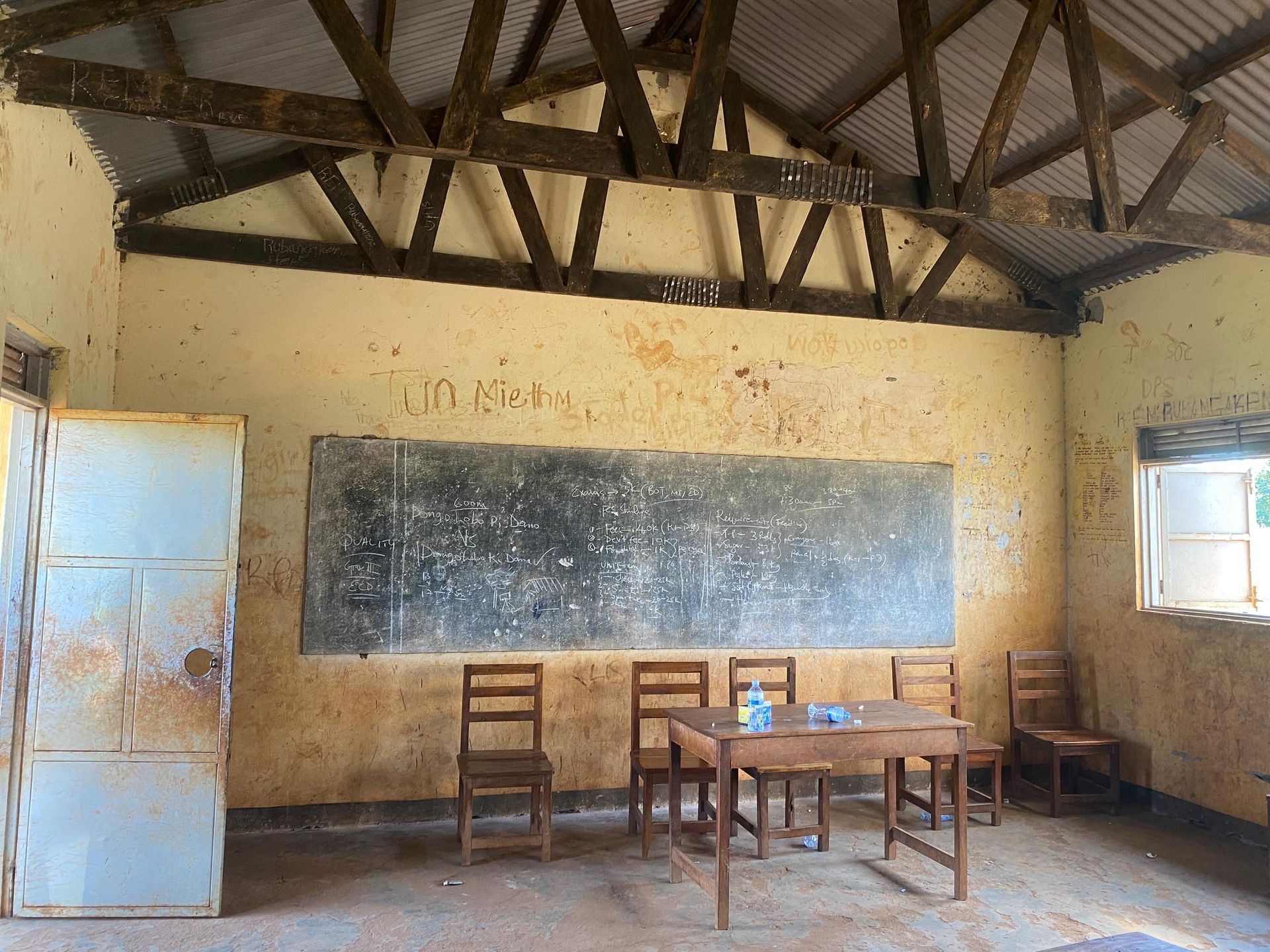
Orua's entire facility-repair estimate — covering existing buildings, not new ones — is less than the cost of building a single new classroom from scratch.

Set against those national benchmarks, Orua's entire facility-repair estimate is $6,330 — for restoring existing buildings across the whole campus, not constructing a single new one. That's the financial case, in plain numbers, for why this series has been careful throughout to describe this project as restoration of something the community already built, not construction of something new.

The itemized budget

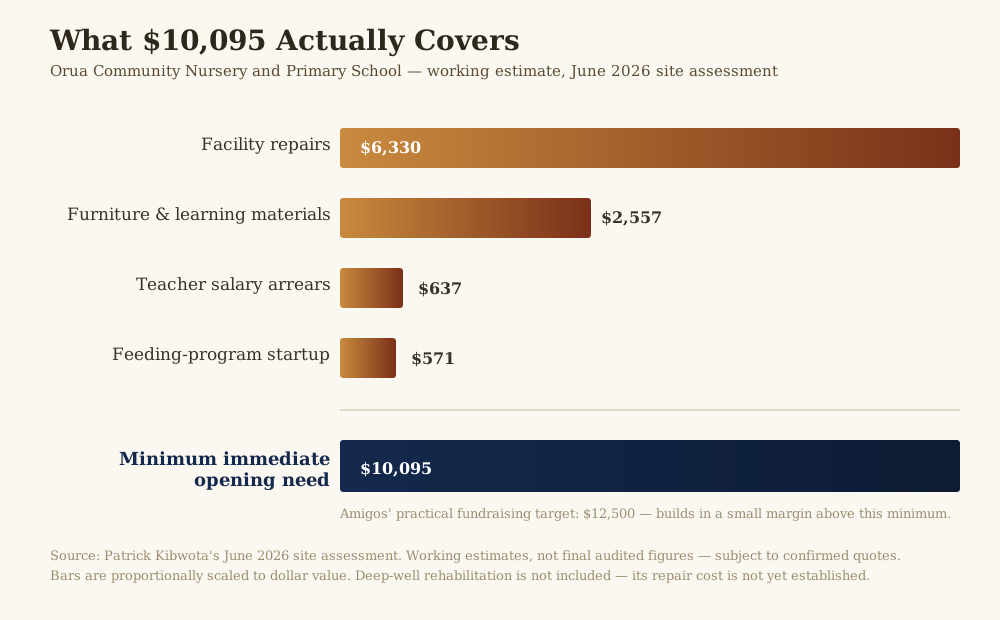
Here's exactly what Patrick Kibwota's June 2026 assessment identified, broken into the categories that actually determine whether this school reopens on schedule.

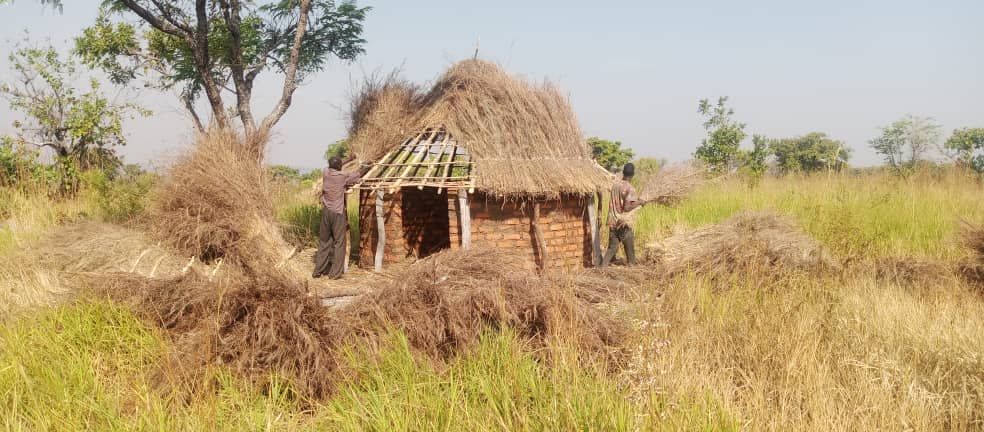
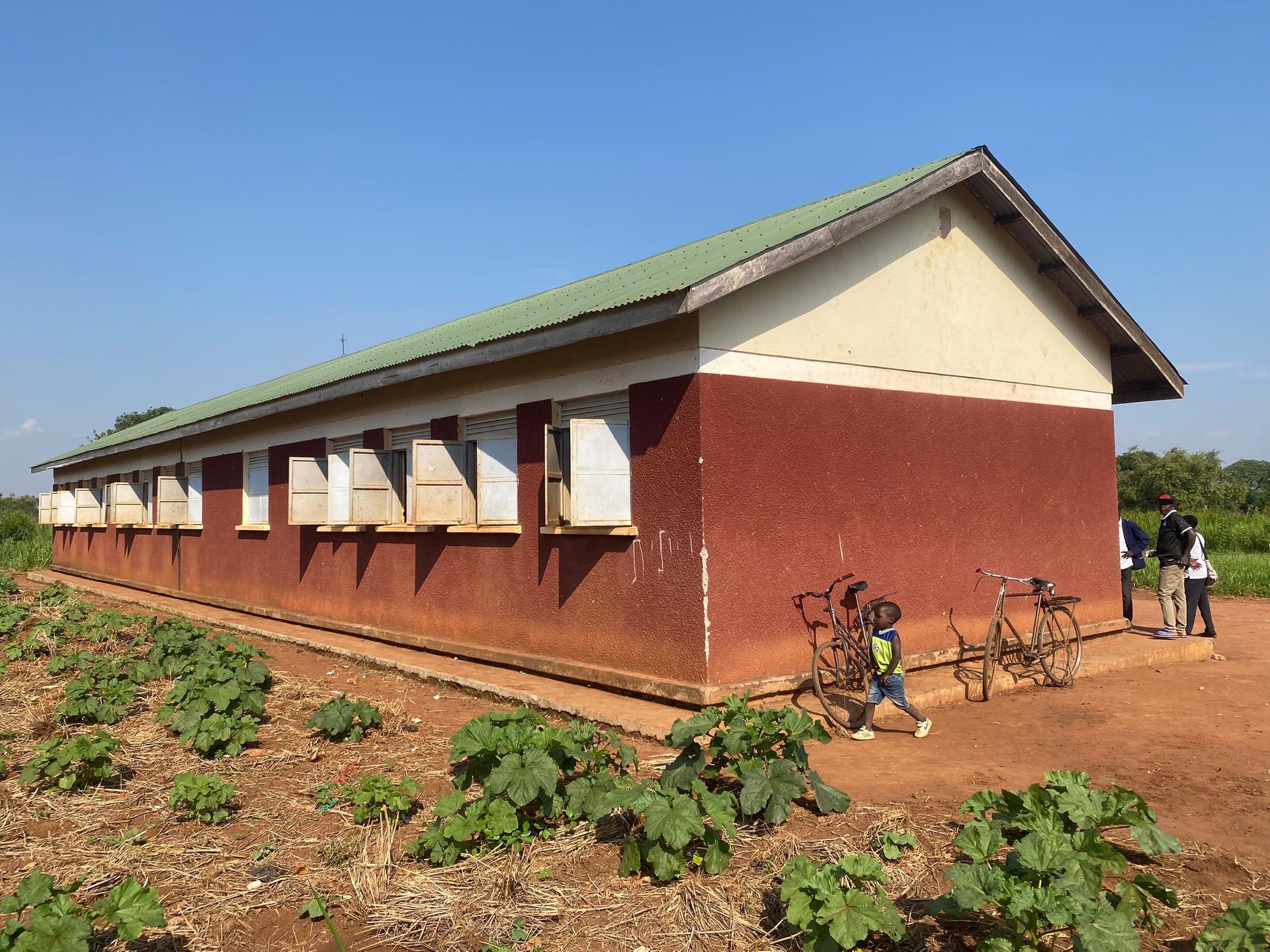
  • Immediate facility repairs — approximately $6,330 Structural and finishing repairs to the existing four-room masonry classroom block and the two thatched classrooms — the kind of unglamorous work (roofing, flooring, walls, window fittings) that determines whether a building is usable in the rainy season, not just standing.
  • Furniture and learning materials — approximately $2,557 Desks, benches, and basic teaching materials for classrooms currently under-equipped for the students expected to return once the preschool section reopens.
  • Feeding-program startup — approximately $571 The smallest line item on this budget, and arguably one of the highest-leverage — in rural Ugandan schools, a feeding program is frequently the difference between a family sending a young child to school consistently or not at all.
  • Teacher salary arrears — approximately $637 Back pay owed to teachers who kept showing up as long as they could before payroll collapsed. This is a debt, not a projection — it's owed regardless of what happens next.

Every number above is real. So is what your gift changes. $50 covers classroom supplies. $1,215 covers a month of restored payroll. $12,500 gets Orua Community Nursery and Primary School fully repaired, equipped, and stabilized.

Give to Korobar MissionPoint →

Add those four together and you get the minimum immediate opening need: approximately $10,095. Amigos' practical fundraising target rounds that up to $12,500, building in a small, explicitly-labeled margin rather than fundraising to the exact minimum and hoping nothing goes over.

Beyond opening day: the six-month picture

A school that reopens and then runs out of operating money in October isn't actually restored — it's postponed. That's the thinking behind Amigos' six-month responsible launch range: $17,500 to $20,000, which adds several additional months of payroll, supervision, supplies, and contingency on top of the immediate opening need.

The ongoing, known recurring costs behind that range:

Monthly payroll — approximately $1,129 Monthly supervision and transportation — approximately $86 Known recurring monthly base — approximately $1,215

That last figure — $1,215 a month — is the number this series keeps coming back to, because it's the one that determines whether this school still exists a year from now, not just whether it reopens in January.

What isn't costed — and why that's disclosed, not hidden
Every serious nonprofit budget has a boundary between what's known and what isn't. Here's Orua's, stated plainly rather than glossed over:

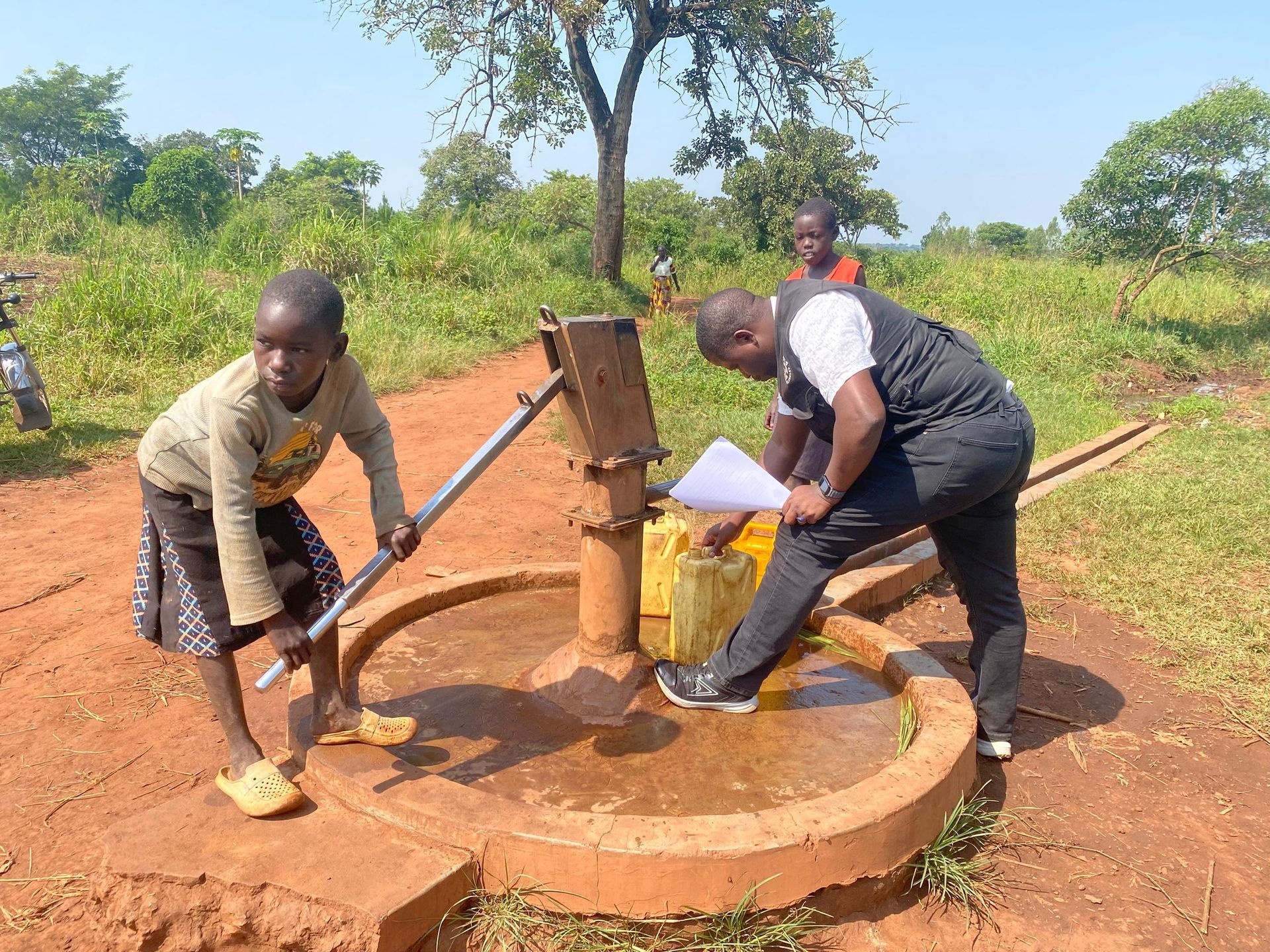
The deep well. The existing borehole on campus provides water, though not efficiently. Repairing it would meaningfully improve output, but it is not a blocking requirement for the school's reopening — which is exactly why it isn't folded into the $12,500 target above. No field quote for the repair exists yet. When one does, this article's numbers will be the ones to update, not the ones to quietly work around.

Final legal-transfer costs. The 10.396-acre land transfer itself was completed on July 9, 2026, but any residual administrative or legal costs tied to that process are not separately itemized here.

Exchange-rate movement. Every dollar figure above is a snapshot. Uganda's shilling moves against the dollar like any currency; a budget built in June 2026 will drift, in either direction, by the time funds are actually spent.

Final food and staffing costs. The feeding-program and payroll figures reflect June 2026 planning assumptions. Actual costs at the point of full reopening may differ.

None of this is a reason to distrust the numbers above it. It's the reason to trust them — a budget with no acknowledged uncertainty is usually one that hasn't been examined closely enough to find any.
How Amigos will report spending

This is the section every transparency-minded donor should be able to hold an organization to later. Amigos Internacionales' commitment for Korobar MissionPoint: funds raised against the $12,500 immediate target and the $17,500–$20,000 six-month range will be tracked against these same line items, with updates reflected in this series and on the Orua Community Nursery and Primary School project page as work is completed — not folded silently into general operating funds.

Ways to Give

  • $50 — classroom and sanitation supplies
  • $250 — contributes to repairs or learning materials
  • $500 — helps equip a classroom $1,215 — approximately one month of known payroll and supervision
  • $5,000 — funds a substantial portion of the transition
  • $12,500 — the working target to repair, equip, and stabilize the school
  • $17,500–$20,000 — the working range for a responsible six-month launch

Give to Korobar MissionPoint →

That's the transparent case, in full. What it can't fully convey — what a budget line never can — is what this school means to the people whose children walk onto that campus every morning it's open. Part 6 of this series explains how this single school fits into something larger: the full MissionPoint model Amigos is building around it.

FAQ SECTION

  • How much does it cost to restore Orua Community Nursery and Primary School? The minimum immediate opening need is approximately $10,095, with a practical fundraising target of $12,500. A responsible six-month launch, including several months of ongoing operations, is estimated at $17,500 to $20,000. These are working estimates from a June 2026 site assessment, not final audited figures.
  • Is this cheaper than building a new school? Significantly. A single new classroom in Uganda typically costs between UGX 30 million and 50 million (roughly $8,100–$13,500) to build to Ministry of Education standards, according to Uganda's Business Times, citing the government's 2025 Baseline Education Census. Orua's entire facility-repair budget — covering multiple existing buildings — is $6,330.
  • What isn't included in this budget? The existing deep well's repair cost isn't included, since it's functional (though inefficient) and not a blocking need, and no field quote for the repair yet exists. Final legal-transfer administrative costs, exchange-rate movement, and final food/staffing costs at full reopening are also not locked in.
  • How much does it cost to keep the school running each month? Known recurring monthly costs — payroll plus supervision and transportation — total approximately $1,215.
  • How will Amigos report how donations are spent? Funds will be tracked against the specific line items in this article, with updates reflected in this series and on the Orua Community Nursery and Primary School project page as work is completed.
  • Can I give toward a specific part of the budget? Yes, in the sense that giving levels ($50, $250, $500, etc.) are tied to categories described in this article. Confirm with Amigos directly whether your gift can be formally restricted/coded to a specific line item if that matters to you.


Coming Soon Part 6: More Than a School — how this budget fits into the full Korobar MissionPoint model.
By Michael Ryer August 12, 2026
If Part 5 left you with one number, it was probably $12,500 — the working target to repair, equip, and stabilize Orua Community Nursery and Primary School. That number is real, and it matters. It's also, on its own, an incomplete picture of what Amigos Internacionales is actually trying to build in Korobar. A school, by itself, can only do so much. Children who are sick miss class. Families without clean water spend hours a day on a chore that could be minutes. A community without local pastoral leadership eventually finds its momentum depends entirely on outsiders showing up, rather than on people who live there. Amigos calls its answer to that problem a MissionPoint — and it's worth explaining plainly what that actually means, rather than letting the word do vague, inspirational work on its own.
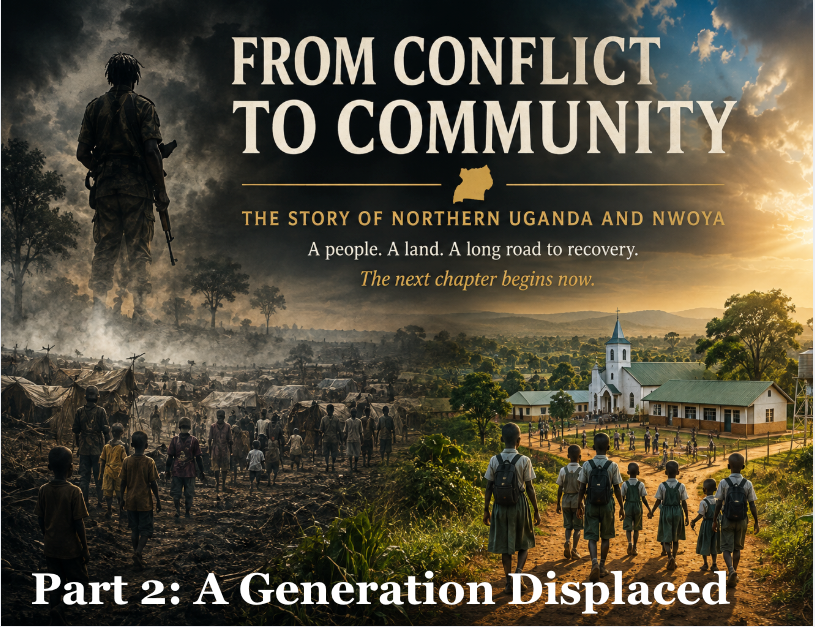
From Conflict to Community series illustration — Part 4: The School a Community Refused to Lose
By Michael Ryer August 10, 2026
Before Amigos arrived, this community already built its own school. Here's the story of Orua Community Nursery and Primary School in Nwoya, Uganda.
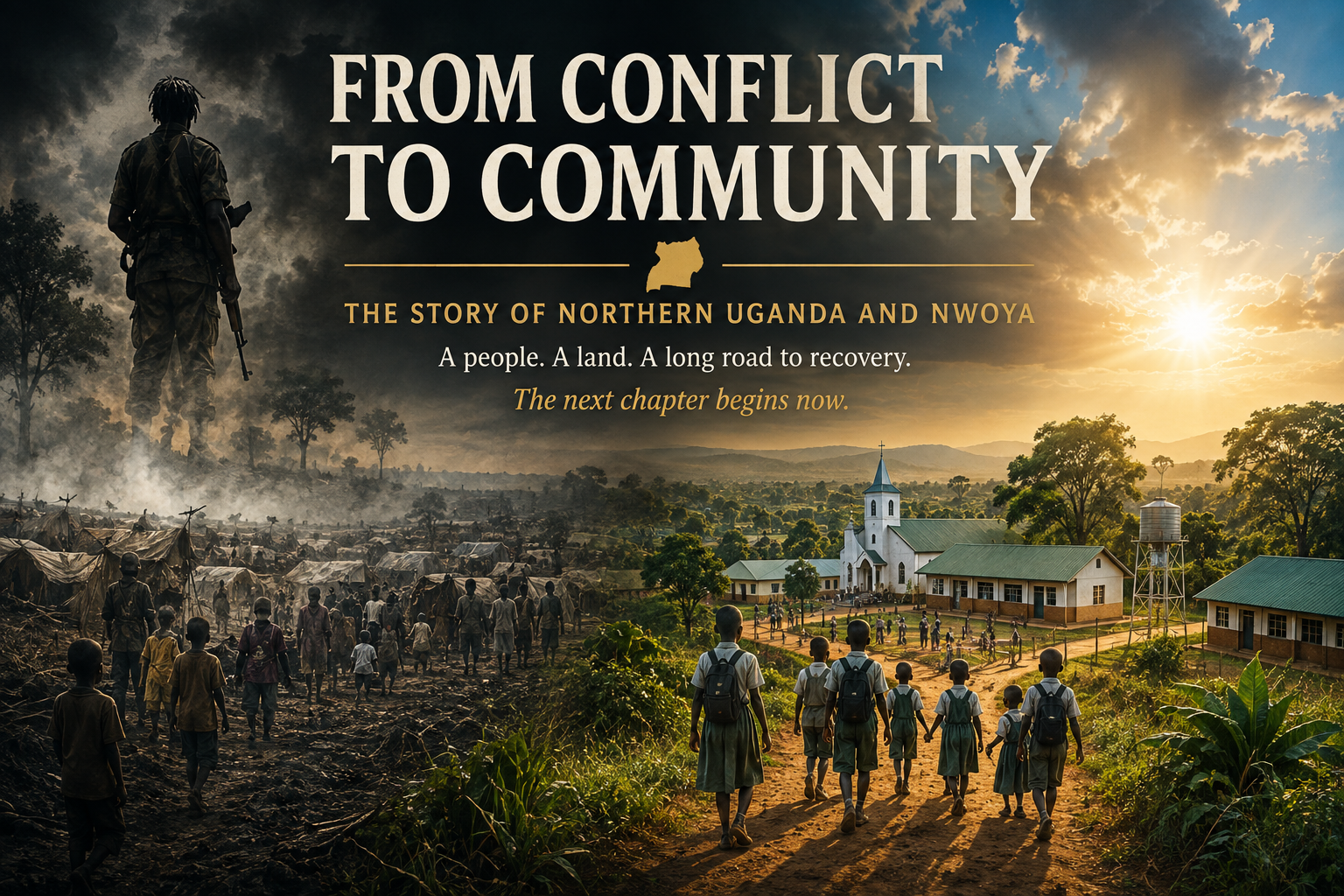
From Conflict to Community series illustration — Part 3: Nwoya's Long Road Home
By Michael Ryer August 10, 2026
From displacement camps to a growing district with its own economy — the story of how Nwoya, Uganda came home, and what it's still building.
By Michael Ryer August 5, 2026
Ask someone who grew up in Gulu District in the early 2000s what they remember most, and you won't always hear about an attack. You'll often hear about a walk. Every evening, as the light started to go, children left their homes — or their family's space inside a displacement camp — and walked toward the nearest town center. Not to visit anyone. To sleep somewhere the Lord's Resistance Army was less likely to find them. In the morning, they walked home again, went to whatever school was still functioning, and did it all again the next evening. Aid workers and journalists came to call them "night commuters," and for a few years in the middle of the war, they were one of the most visible symptoms of what the conflict was actually doing to an entire generation.
By Michael Ryer August 4, 2026
How the Lord's Resistance Army shaped Nwoya, Uganda — and how communities are rebuilding schools and futures nearly 20 years after the war ended.
By Michael Ryer July 19, 2026
Learn how Amigos Internacionales and local health leaders are strengthening Ebola community surveillance, risk communication, and early detection across eastern Democratic Republic of Congo.
Ebola response reports
By Paul Mulyamboga July 16, 2026
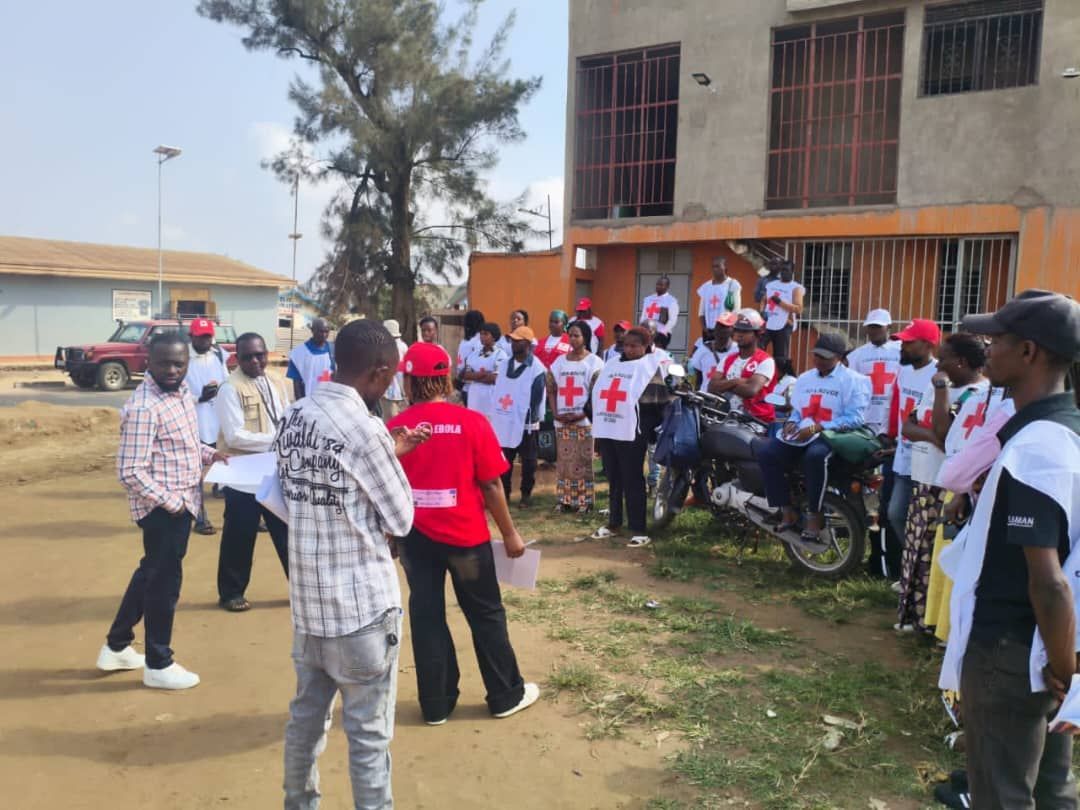
Read real-time field notes from Dr. Paul Mulyamboga, Director of Medical Services for Amigos Internacionales, serving on the front lines of the Ebola outbreak in eastern Democratic Republic of Congo.
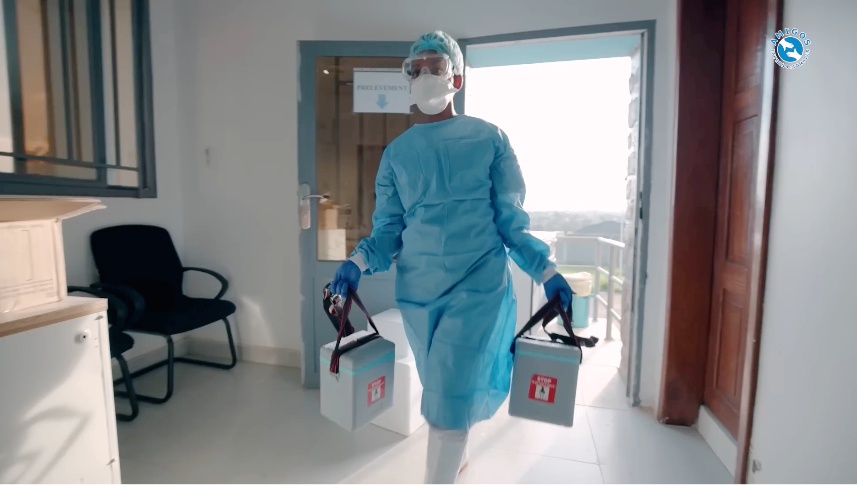
Medical teams respond to the Ebola outbreak in eastern Democratic Republic of the Congo through surv
By Michael Ryer July 3, 2026
Learn how Ebola spreads, why eastern Congo faces repeated outbreaks, and how Amigos Internacionales and Doctors on Mission International are strengthening healthcare systems.
By Michael Ryer June 9, 2026
A Pentecost outreach by Pastor Abogasti became the founding of Mwakalundi Baptist Church — 80 baptized believers, first worship under a tree, in Tanzania.
By Victor Phiri June 1, 2026
By Warren Olgado May 25, 2026
In a small rural village in Tanzania, a man sits quietly outside his home. His body is thin. His shoulders are tired. And rising from his back is a painful tumor that has slowly stolen nearly everything from him. His name is Zakaria. For years, Zakaria worked as a boda boda driver, carrying passengers from village to village on his motorcycle. In East Africa, a boda boda is more than transportation. For many families, it is survival. Every ride meant food. Every mile meant provision. Every long day on rough roads meant another opportunity to care for his wife and continue moving forward. But suffering often enters quietly. What began as a hitching pain in Zakaria’s back slowly became swelling. At first, it was manageable. Like many men trying to provide for their families, he pushed through the discomfort and kept working. But the pain continued. The swelling grew. And over time, the tumor became impossible to ignore. Today, Zakaria lives with constant pain and uncertainty. The disease has robbed him of strength, dignity, income, and peace. The motorcycle he once depended on has already been sold in a desperate attempt to find healing. And yet, in the middle of suffering, something unexpected happened. Hope arrived.
By Michael Ryer May 20, 2026
In many parts of the world, turning on a faucet is so ordinary that it barely deserves a second thought. A glass fills. A child drinks. A mother does the dishes. A shower runs before work or school. Clean water is simply there. In Northern Uganda, that reality still feels distant for thousands of families. In many villages scattered across rural East Africa, water is not found in a kitchen sink or flowing from pipes beneath the ground. It is carried in yellow jerrycans across dusty roads and narrow footpaths. It is gathered from muddy ponds, shallow holes carved into the earth, or stagnant pools shared with livestock. Sometimes it is brown. Sometimes it smells foul. Sometimes it makes children sick. For families with no other option, it is all they have. The water crisis in East Africa is not only about thirst. It affects health, education, safety, opportunity, and dignity. It shapes how children spend their mornings and how mothers spend their days. It determines whether girls attend school consistently or remain trapped in long daily walks carrying heavy containers of water under the scorching sun. At Amigos Internacionales, this reality is not theoretical. Staff and partners have sat beside families in remote villages. They have watched children scoop water from contaminated pits after rainfall. They have seen entire communities transformed when clean water finally arrived. That transformation is why water remains one of the most urgent and powerful parts of the MissionPoint model across Northern Uganda.
More Posts

Social Media

By Michael Ryer August 12, 2026
If Part 5 left you with one number, it was probably $12,500 — the working target to repair, equip, and stabilize Orua Community Nursery and Primary School. That number is real, and it matters. It's also, on its own, an incomplete picture of what Amigos Internacionales is actually trying to build in Korobar. A school, by itself, can only do so much. Children who are sick miss class. Families without clean water spend hours a day on a chore that could be minutes. A community without local pastoral leadership eventually finds its momentum depends entirely on outsiders showing up, rather than on people who live there. Amigos calls its answer to that problem a MissionPoint — and it's worth explaining plainly what that actually means, rather than letting the word do vague, inspirational work on its own.
From Conflict to Community series illustration — Part 4: The School a Community Refused to Lose
By Michael Ryer August 10, 2026
Before Amigos arrived, this community already built its own school. Here's the story of Orua Community Nursery and Primary School in Nwoya, Uganda.
From Conflict to Community series illustration — Part 3: Nwoya's Long Road Home
By Michael Ryer August 10, 2026
From displacement camps to a growing district with its own economy — the story of how Nwoya, Uganda came home, and what it's still building.
By Michael Ryer August 5, 2026
Ask someone who grew up in Gulu District in the early 2000s what they remember most, and you won't always hear about an attack. You'll often hear about a walk. Every evening, as the light started to go, children left their homes — or their family's space inside a displacement camp — and walked toward the nearest town center. Not to visit anyone. To sleep somewhere the Lord's Resistance Army was less likely to find them. In the morning, they walked home again, went to whatever school was still functioning, and did it all again the next evening. Aid workers and journalists came to call them "night commuters," and for a few years in the middle of the war, they were one of the most visible symptoms of what the conflict was actually doing to an entire generation.
By Michael Ryer August 4, 2026
How the Lord's Resistance Army shaped Nwoya, Uganda — and how communities are rebuilding schools and futures nearly 20 years after the war ended.
By Michael Ryer July 19, 2026
Learn how Amigos Internacionales and local health leaders are strengthening Ebola community surveillance, risk communication, and early detection across eastern Democratic Republic of Congo.
Ebola response reports
By Paul Mulyamboga July 16, 2026
Read real-time field notes from Dr. Paul Mulyamboga, Director of Medical Services for Amigos Internacionales, serving on the front lines of the Ebola outbreak in eastern Democratic Republic of Congo.
Medical teams respond to the Ebola outbreak in eastern Democratic Republic of the Congo through surv
By Michael Ryer July 3, 2026
Learn how Ebola spreads, why eastern Congo faces repeated outbreaks, and how Amigos Internacionales and Doctors on Mission International are strengthening healthcare systems.
By Michael Ryer June 9, 2026
A Pentecost outreach by Pastor Abogasti became the founding of Mwakalundi Baptist Church — 80 baptized believers, first worship under a tree, in Tanzania.
By Victor Phiri June 1, 2026
By Warren Olgado May 25, 2026
In a small rural village in Tanzania, a man sits quietly outside his home. His body is thin. His shoulders are tired. And rising from his back is a painful tumor that has slowly stolen nearly everything from him. His name is Zakaria. For years, Zakaria worked as a boda boda driver, carrying passengers from village to village on his motorcycle. In East Africa, a boda boda is more than transportation. For many families, it is survival. Every ride meant food. Every mile meant provision. Every long day on rough roads meant another opportunity to care for his wife and continue moving forward. But suffering often enters quietly. What began as a hitching pain in Zakaria’s back slowly became swelling. At first, it was manageable. Like many men trying to provide for their families, he pushed through the discomfort and kept working. But the pain continued. The swelling grew. And over time, the tumor became impossible to ignore. Today, Zakaria lives with constant pain and uncertainty. The disease has robbed him of strength, dignity, income, and peace. The motorcycle he once depended on has already been sold in a desperate attempt to find healing. And yet, in the middle of suffering, something unexpected happened. Hope arrived.
By Michael Ryer May 20, 2026
In many parts of the world, turning on a faucet is so ordinary that it barely deserves a second thought. A glass fills. A child drinks. A mother does the dishes. A shower runs before work or school. Clean water is simply there. In Northern Uganda, that reality still feels distant for thousands of families. In many villages scattered across rural East Africa, water is not found in a kitchen sink or flowing from pipes beneath the ground. It is carried in yellow jerrycans across dusty roads and narrow footpaths. It is gathered from muddy ponds, shallow holes carved into the earth, or stagnant pools shared with livestock. Sometimes it is brown. Sometimes it smells foul. Sometimes it makes children sick. For families with no other option, it is all they have. The water crisis in East Africa is not only about thirst. It affects health, education, safety, opportunity, and dignity. It shapes how children spend their mornings and how mothers spend their days. It determines whether girls attend school consistently or remain trapped in long daily walks carrying heavy containers of water under the scorching sun. At Amigos Internacionales, this reality is not theoretical. Staff and partners have sat beside families in remote villages. They have watched children scoop water from contaminated pits after rainfall. They have seen entire communities transformed when clean water finally arrived. That transformation is why water remains one of the most urgent and powerful parts of the MissionPoint model across Northern Uganda.
By Michael Ryer May 13, 2026
For seventeen years, Bridgette has carried a burden no child should ever bear. What started as a small red spot on her face when she was just a baby grew into a massive vascular tumor that doctors across Uganda refused to operate on. Too risky, they said. The tumor could bleed too much. She might not survive. Come back when she's older. Come back when it's smaller. Come back, come back, come back. Bridgette and her mother, Rose, heard "no" for seventeen years. But today, something has finally changed. Bridgette is now on medication that is actively shrinking her tumor. Dr. Paul Mulyamboga, Amigos Internacionales' Director of Medical Services and founder of Doctors on Mission, is monitoring her progress. When the tumor reaches an operable size, he will refer her to Mulago National Referral Hospital in Kampala for the vascular surgery that could change her life. There's just one problem: surgery can only happen if the funding is already in place . If we don't raise $12,000 before Bridgette's tumor is ready for surgery, she will have to wait again. And after seventeen years of waiting, we cannot let that happen. How It Started — A Small Red Spot
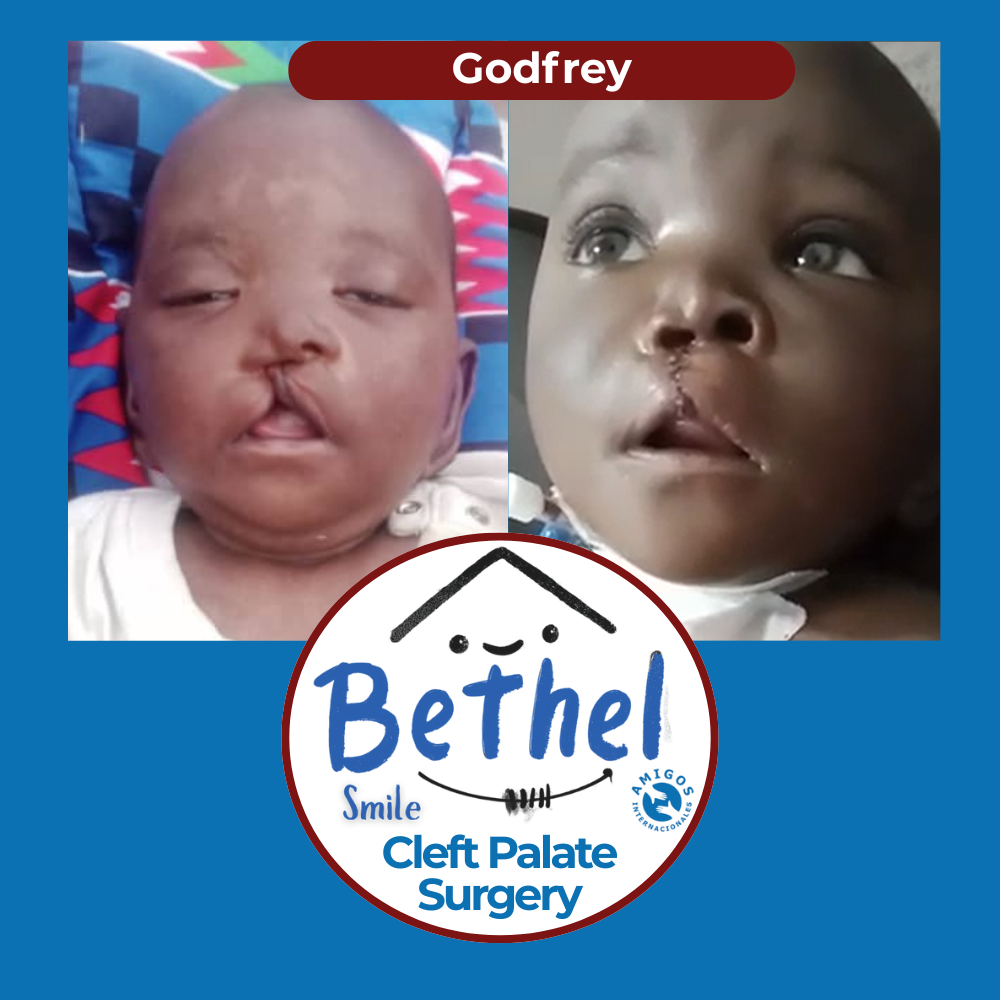
Rwottwero Godfrey before and after cleft lip surgery — Bethel Smile program, Amigos Internacionales
By Amigos Internacionales April 30, 2026
Baby Godfrey couldn't eat without pain. His family couldn't afford surgery. The Bethel Smile program gave him free cleft lip surgery at 4 months old.
MissionPoint Burundi free medical camp in Gisuru, doctors treating patients
By Amigos Internacionales April 28, 2026
Inside the Gisuru medical camp in Burundi — surgeries, eye care, and spiritual ministry delivered by volunteer doctors. See the full impact report from 2025.
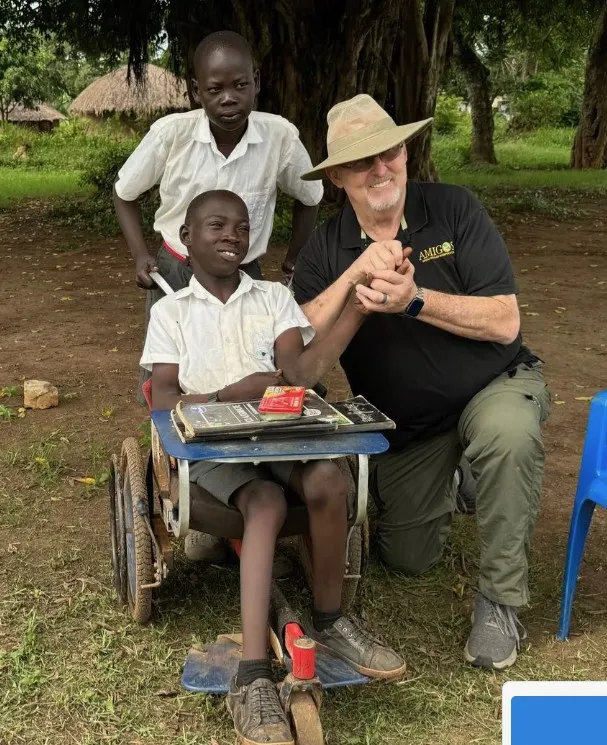
Two people beside a wheelchair outside, with a child seated at a small desk in a grassy outdoor area.
By Amigos Internacionales April 27, 2026
East Texas journalist Jennifer Scott traveled to East Africa to cover Amigos Internacionales. Read the full Tyler Morning Telegraph feature from April 2026.
By Amigos Internacionales April 13, 2026
Learn how church missions in Africa, through partnerships with Amigos Internacionales, can bring lasting change to communities in need. Get involved in education, healthcare, and development projects.
By Amigos Internacionales April 9, 2026
Discover the resilience of refugees in Northern Uganda and how Amigos Internacionales is providing medical care, education, and empowerment to help rebuild lives.
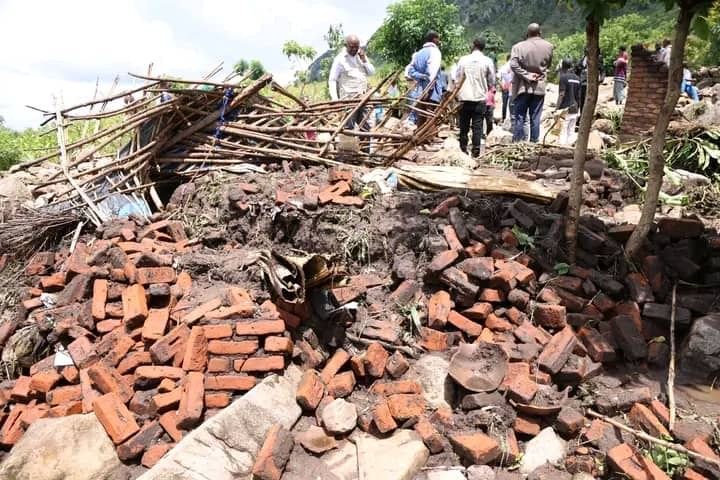
People stand near the ruins of a collapsed brick building in a grassy, mountainous area.
By Victor Phiri April 4, 2026
Deadly floods and landslides have displaced families in Malawi’s Mulanje and Phalombe districts, leaving them without shelter or food. Learn how emergency tents and food relief can bring hope—and how you can help today.
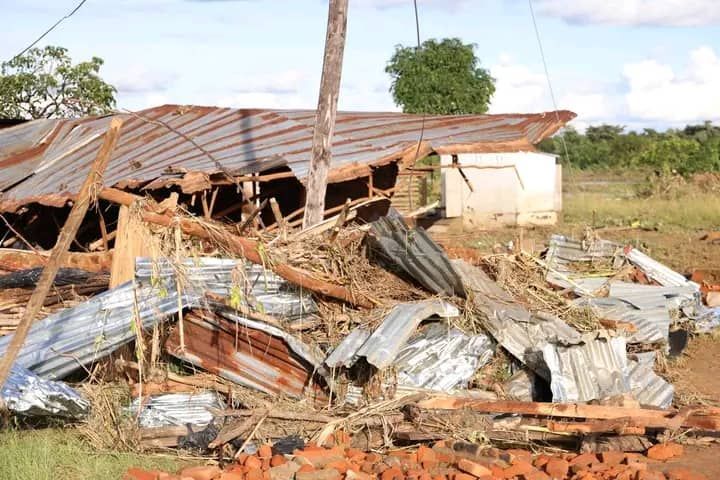
A collapsed building with twisted metal roofing, wooden debris, and scattered bricks in a rural, open-field setting.
By Victor Phiri April 1, 2026
Missionpoint Malawi aids flood victims in Mulanje & Phalombe. Help us provide food & support to families in need. Join our efforts today!
Show More